


19th Century Metalware
These 19th century metalware pieces combine practical utility and decorative weight, offering tactile brass, copper, pewter, and bronze items for daily domestic use.
19th Century Metalware
When you search for 19th century metalware, you encounter domestic items and decorative vessels fashioned from various base metals and alloys. These pieces range from utilitarian kitchenalia to formal decorative objects designed for display.
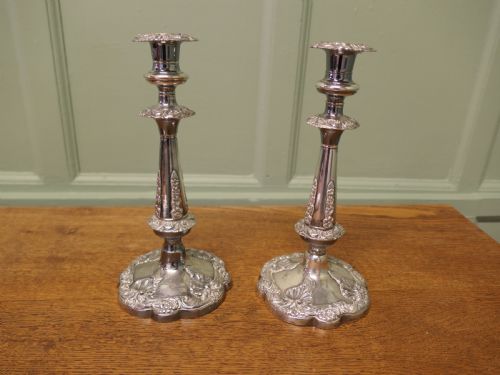
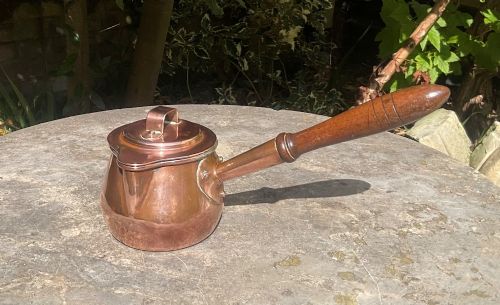
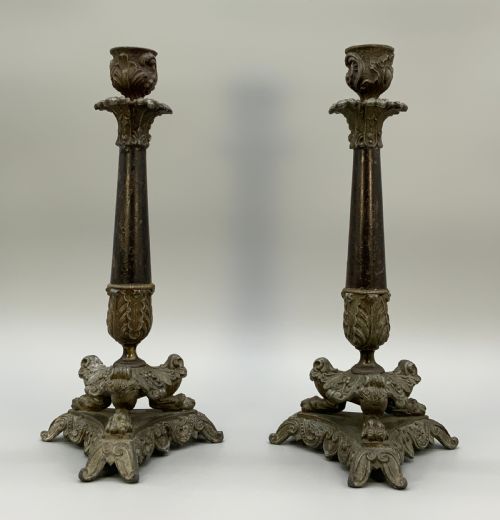
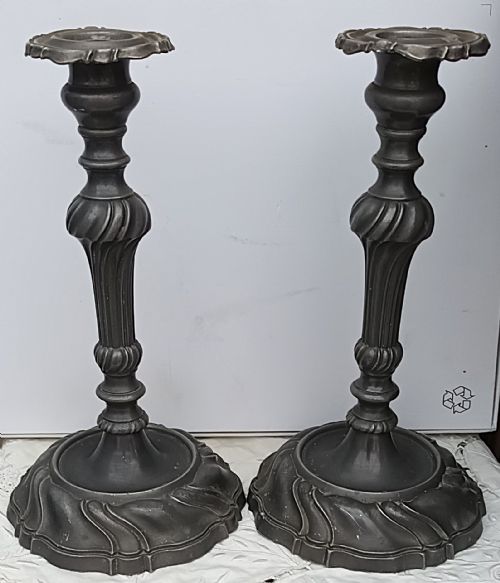
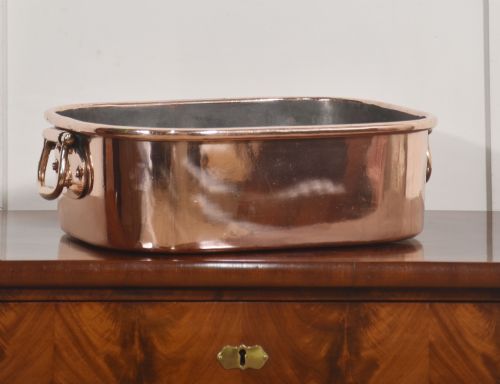
The selection on this page centres heavily on copper vessels, pewter jugs, and bronze or silver plated candlesticks. Domestic copper kettles, warming pans, and ewers appear frequently alongside ceremonial bowls from international origins.
Objects span the Georgian, Victorian, and later decades of the period, reflecting shifts in manufacturing from hand-beaming to cast production. Buyers often select these items to anchor period interiors or to collect specific utilitarian forms.
Materials and construction methods
Makers utilised copper, brass, pewter, and bronze, often hammering sheets by hand or casting molten metal into moulds. Copper items frequently display visible riveted joints and hand-beaten surfaces, while cast bronze and brass pieces rely on detailed mould work.
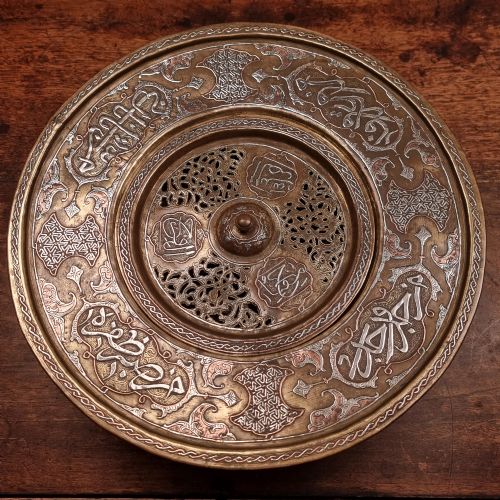
Silver plating and nickel plating appear on selected items to imitate solid precious metals, providing a bright surface finish over a base metal core. Engraving and inlay work decorate items such as pewter ale jugs and Islamic wash bowls.
Wood components occasionally supplement metal forms, such as insulating handles on kettles or wooden bases on domestic utensils. The combination of casting, hammering, and turning defined the production of these utilitarian objects.
Listings feature utilitarian kitchenware alongside decorative items, spanning copper kettles, pewter measures, and bronze mortars.
Assessing quality in metal objects
Weight and gauge thickness separate robust utilitarian vessels from lighter decorative items, with heavier copper kettles and bronze mortars demonstrating substantial material substance. The integrity of riveted seams and soldered joints indicates the standard of original construction.
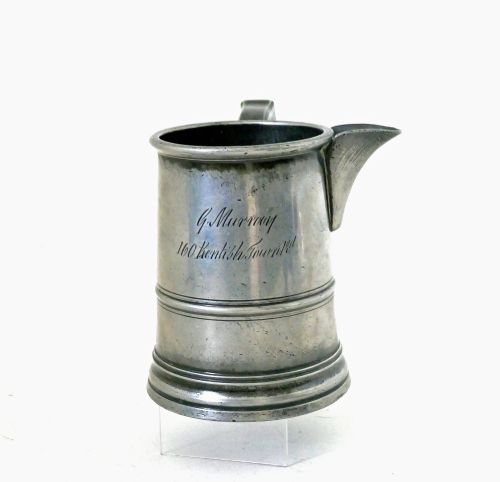
Crispness of detail in cast elements, such as the ornamentation on Victorian Rococo candlesticks or French Empire holders, distinguishes superior examples. Engraved inscriptions, such as named tavern measures, add distinct provenance and individual character to standard forms.
G. Murrouy
The 19th Century Metalware Glossary
- Pewter
- A malleable alloy composed chiefly of tin, mixed with copper and antimony. It was widely used for domestic drinking vessels and jugs.
- Samovar
- A heated metal container traditionally used to boil water for tea. These large vessels often feature internal chimneys and spigots.
- Ejector candlestick
- A domestic candlestick fitted with an internal spring mechanism to push out the remaining candle stub. This mechanical addition simplifies cleaning and resetting.
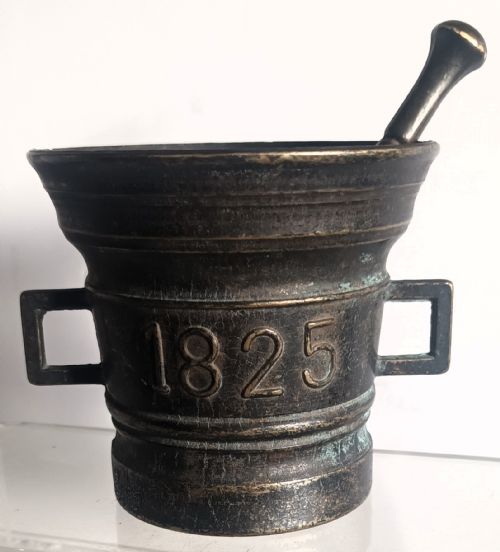
- Mortar and pestle
- A heavy bowl and club-shaped tool used for grinding and crushing substances. Bronze examples from the Georgian period survive in domestic collections.
- Wash bowl
- A wide basin designed for personal ablutions or ceremonial cleansing. Metal versions often feature engraved or inlaid decorative motifs.
19th Century Metalware: Frequently Asked Questions
How do I clean antique copper?
Traditional copper items develop a darkened surface patina over decades of exposure to air and handling. Many collectors prefer to leave this aged layer untouched rather than polishing the metal to a bright shine.
If cleaning is necessary, use a mild non-abrasive cream designed specifically for copper. Avoid harsh scouring pads that scratch the softer surface of older metalware.
What is the difference between brass and bronze?
Brass is an alloy primarily composed of copper and zinc, yielding a bright yellow or golden tone. Bronze consists mainly of copper combined with tin, producing a deeper reddish brown appearance.
Both metals were cast into candlesticks and decorative vessels throughout the period. Examination of the colour and weight usually distinguishes the two alloys.
Were these kettles used on open fires?
Many copper kettles and samovars served practical boiling duties over hearth fires or early stoves. Their thick metal walls and heavy riveted handles were built to withstand daily kitchen heat.
Internal scaling or tinning often indicates the extent of actual use. Collectors examine these interiors to understand how the vessel functioned in a period kitchen.
How can I date a pewter measure?
Pewter jugs and imperial measures often carry touchmarks, capacity stamps, or engraved ownership initials. Official verification stamps from specific towns help narrow down the production decade.
Stylistic shifts in the rim profile and handle shape also provide clues. Simple baluster forms generally predate later cylindrical Victorian shapes.