


19th Century Mask
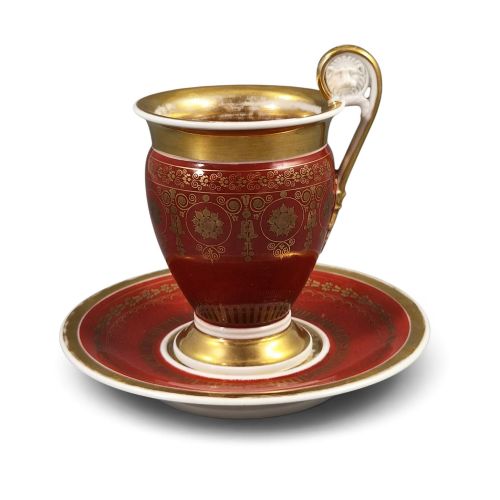
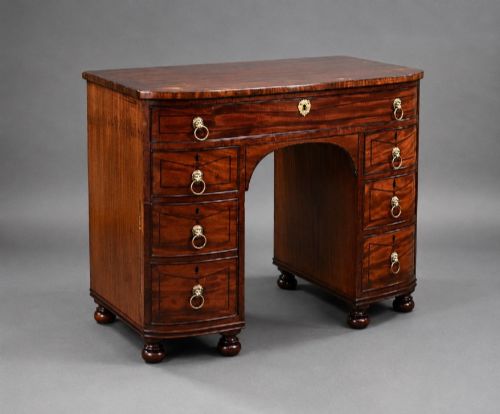
A 19th century mask brings classical myth, theatrical character, and fierce architectural presence into a room through carved wood, cast metal, and plaster.
19th Century Mask
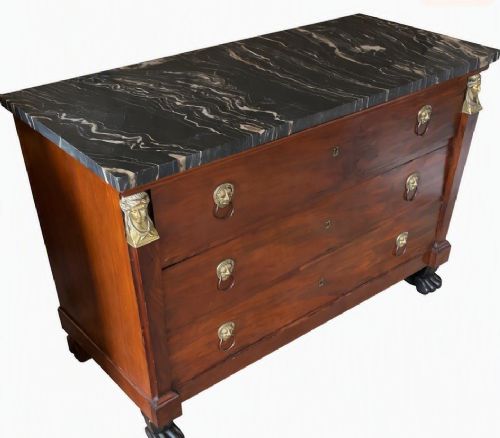
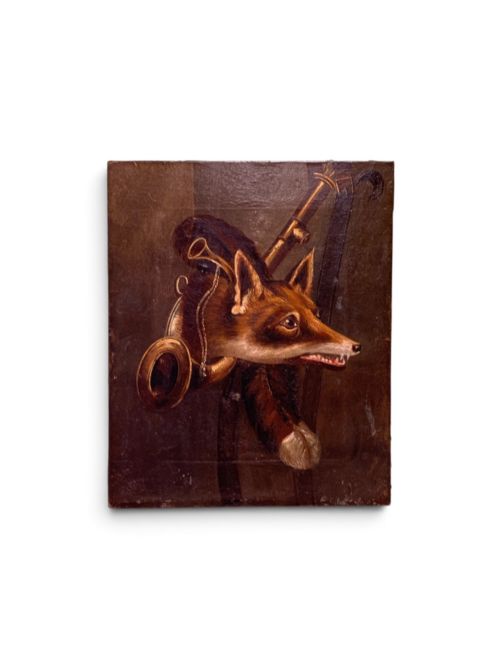
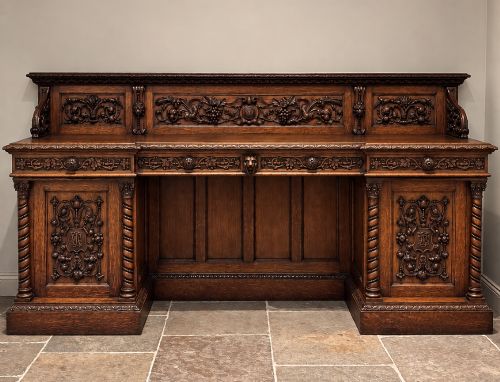
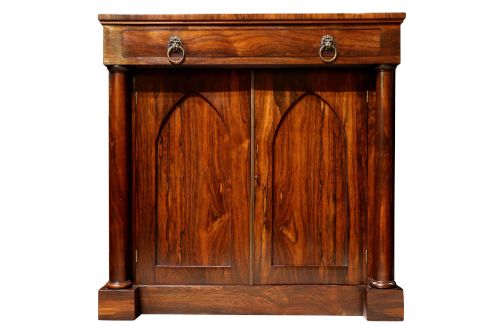
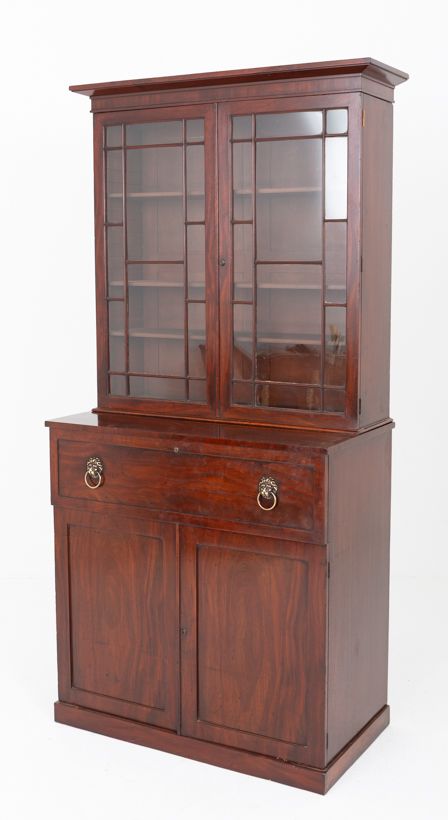
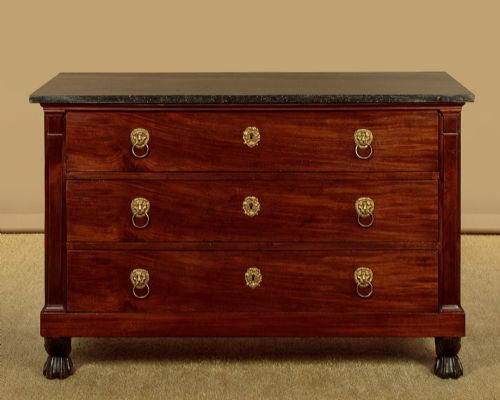
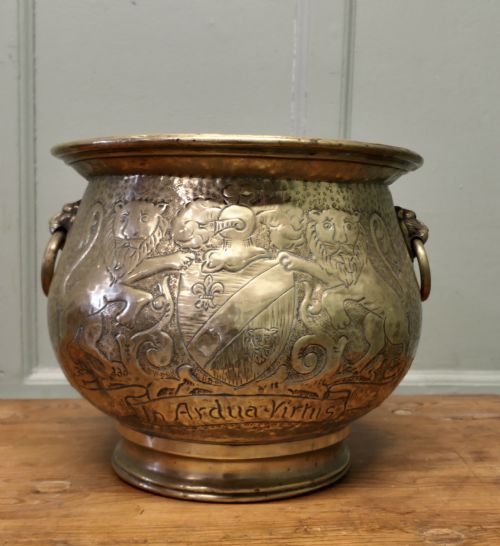
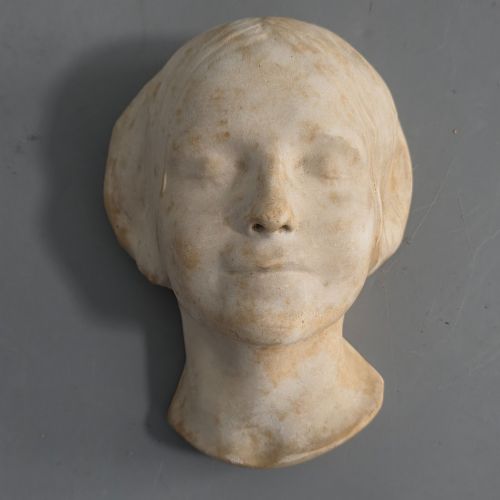
A 19th century mask encompasses diverse sculptural forms, from architectural wall plaques and theatrical props to functional handles on copper log bins, jardinières, and tea caddies. Buyers encounter carved oak panels bearing lion heads, cast iron fireplace plaques, bronze gargoyles, and plaster casts including death masks and classical figures.
The selection ranges from decorative furniture mounts to standalone ritual and theatrical objects originating across Europe and Asia. Himalayan wooden demon masks, Japanese wood netsuke, and French theatre masks sit alongside massive stone garden fountains and carved walnut furniture embellishments.
Makers and artisans of the period drew heavily on historical revivals, incorporating neoclassical ram's heads, Bacchic motifs, and Gothic green man carvings into everyday furnishings and decorative objects.
Materials and construction
Metalwork pieces rely on casting and beating techniques, using bronze, brass, cast iron, and copper to form detailed jardinières, wall sconces, and door knockers with applied mask handles. Foundries utilised lost-wax casting for fine Grand Tour reductions and gilt bronze mounts.
Carved wooden examples utilise dense timbers such as oak, walnut, and mahogany, shaped with gouges and chisels to create deep relief panels, furniture terminals, and architectural keystones. Gesso and gilding often finish plaster and wooden theatrical masks to simulate heavier metallic or stone compositions.
An anonymous nineteenth-century water nymph managed to hold up an entire coal bin by her teeth.
Evaluating quality and execution
The depth of carving and crispness of casting define the upper tier of these objects. Superior examples display sharp relief in fur, expression, and facial musculature, whereas lower-tier pieces suffer from softened contours and shallow detailing resulting from worn moulds or hurried workshop production.
Material integrity and surface finishing dictate value. Original patination on bronzes, untouched gilding on carved wood, and genuine wear on functional mounts separate authentic period decorative pieces from later reproductions.
The 19th Century Mask Glossary
- Grand Tour
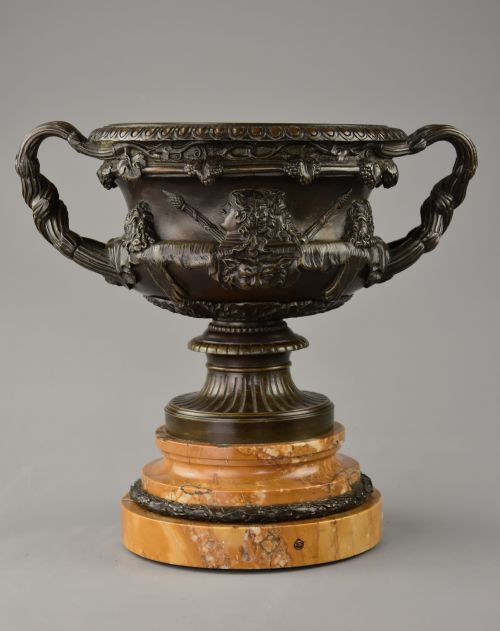
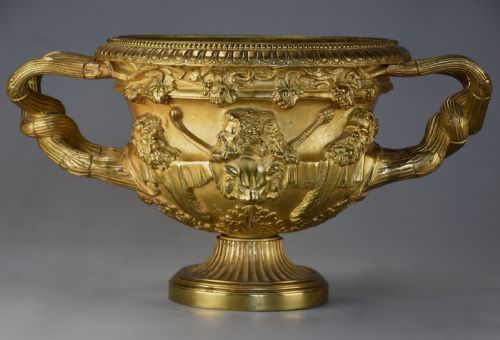
- A cultural journey undertaken by wealthy young Europeans to collect art and antiquities, inspiring small-scale bronze reductions of classical subjects such as the Warwick Vase.
- Jardiniere
- An ornamental pot or stand for holding plants or flowers, frequently cast with lion mask ring handles and paw feet during the Victorian period.
- Gargoyle
- A grotesque carved or formed projection with a spout designed to convey water from a roof, appearing as decorative architectural masks in stone and bronze.
- Netsuke
- A small carved toggle fastener originating in Japan, often depicting theatrical characters or demon masks from traditional Noh drama.
- Green Man
- An architectural ornamentation depicting a human face disgorging foliage, commonly found carved into nineteenth-century oak furniture and fireplace surrounds.
19th Century Mask: Frequently Asked Questions
How were these masks displayed originally?
Many architectural masks served functional roles as keystones in masonry, fountain spouts, or structural corbels supporting beams and mantelpieces. Others adorned furniture as drawer pulls, cabinet handles, and decorative terminals on desks and sideboards.
Smaller theatrical masks and death masks were collected as curiosities or study pieces for artists. Bronze and brass examples often functioned as hardware on log bins, wine coolers, and coal caissons.
What materials are most common?
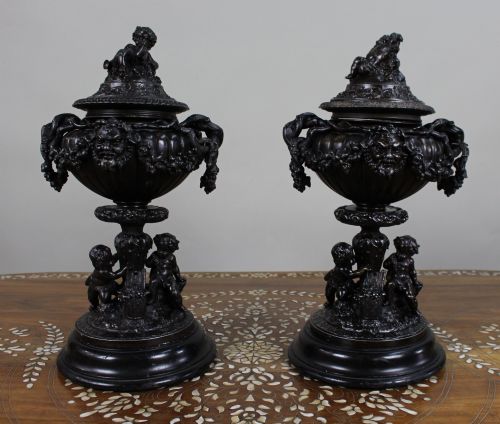
Metal is widespread, with cast iron, beaten copper, and cast brass frequently forming hardware, cauldrons, and wall sconces. Bronze appears often in Grand Tour reductions and decorative censers.
Wood is equally prevalent, particularly carved oak, walnut, and mahogany used for furniture panels and wall plaques. Plaster and gesso appear primarily in theatrical masks, wall plaques, and architectural ceiling roses.
How do I distinguish regional styles?
French pieces often reflect Louis XVI, French Empire, or Baroque revivals, utilising gilt bronze and crisp ormolu with Bacchic or ram's head motifs. English iterations favour heavy carved oak with lion heads and gothic green man imagery.
Asian examples, such as Himalayan wooden demon masks or Chinese bronze censers with elephant and foo dog handles, exhibit distinct iconography rooted in regional ritual and decorative arts.
Can wall masks be hung safely?
Most antique wall masks and plaques feature integrated hanging loops, rear brackets, or secure fixing points designed for period display. Plaster and stone items require weight-rated wall anchors to ensure stability.
Wood and cast iron panels generally utilise heavy-duty flush mounts attached directly to structural wall studs to support their substantial mass securely.