


19th Century Maritime Oil Painting
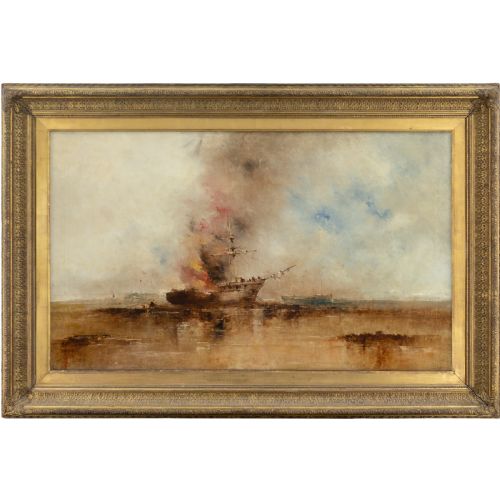
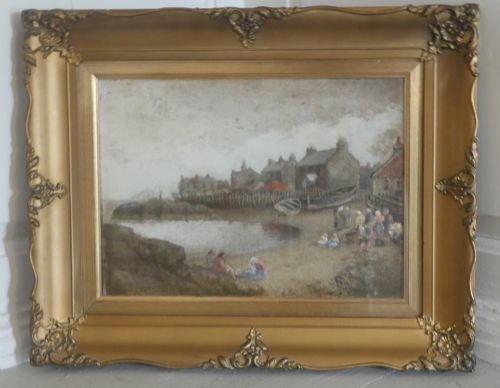
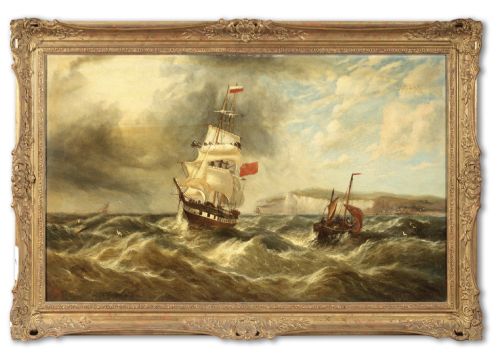
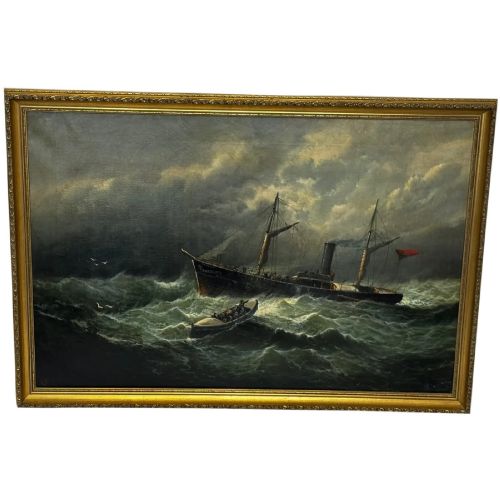
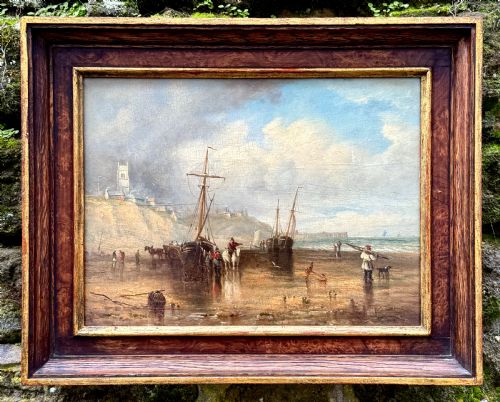
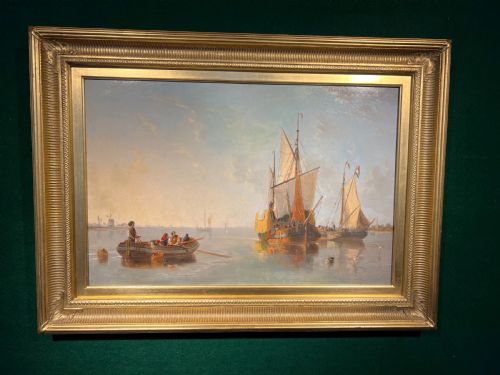
A 19th century maritime oil painting captures naval warfare, merchant shipping, and coastal trade across rough seas and quiet harbours.
19th Century Maritime Oil Painting
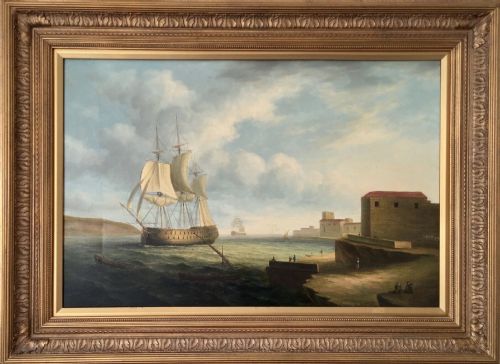
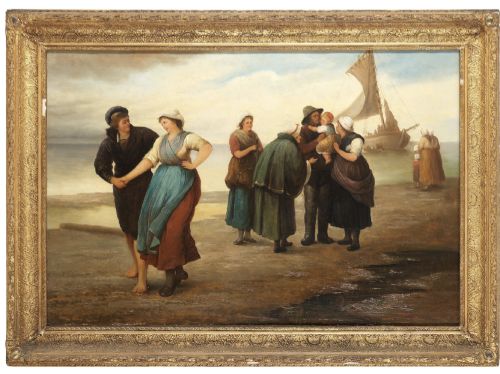
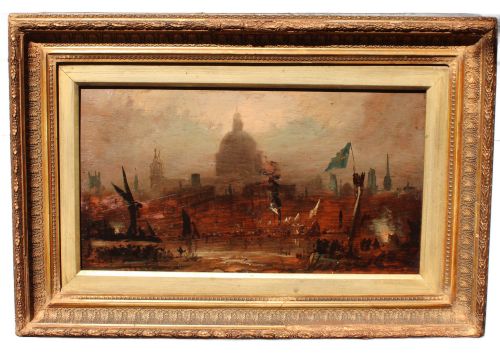
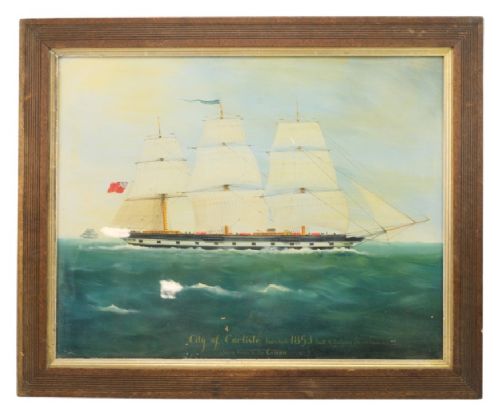
A 19th century maritime oil painting records the era of sail and steam, depicting historical events, naval vessels, and coastal life. Buyers encounter works ranging from intimate panel studies to expansive canvases depicting named ships and dramatic rescues.
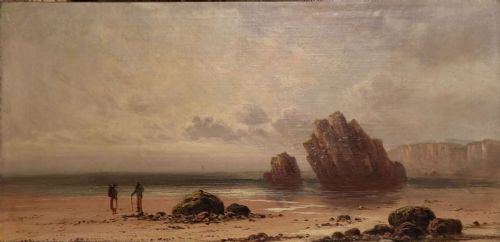
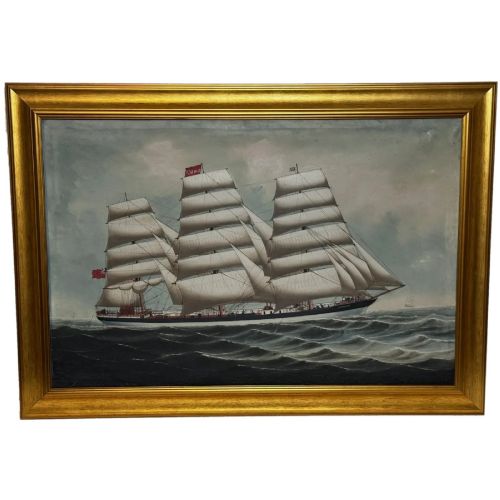
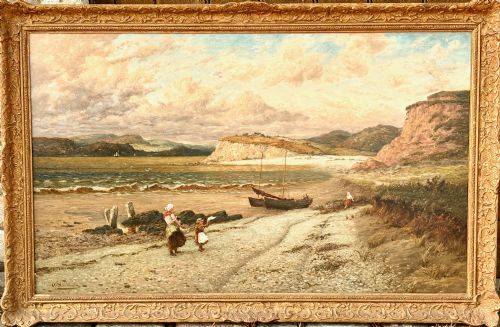
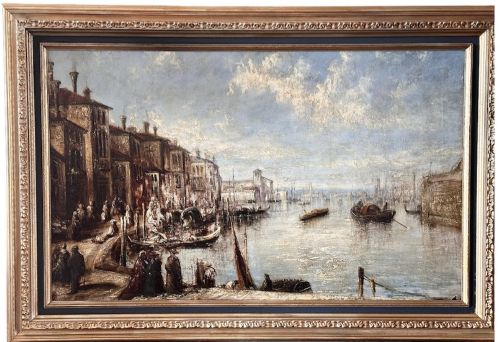
The selections span early nineteenth century depictions of the Thames and coastal harbours through to late Victorian views of foreign ports and stormy seas. Common subjects include three-masted schooners, fishing boats off rocky coasts, and bustling merchant shipping lanes.
Many examples originate from named British, French, and Dutch artists working within distinct regional schools. These pictures function simultaneously as historical documents of maritime trade and as decorative works framed in period giltwood.
How They Were Made
Artists applied oil paint using brushes and palette knives to prepare supports of canvas, wood panel, board, or card. Canvases were typically stretched over wooden frames, while smaller cabinet works utilised rigid panels.
Finished works were frequently housed in decorative gilt wood, gesso, or gold leaf frames that complemented the maritime subject matter. Gesso served as the plaster base layer beneath the surface gilding on ornate Victorian frames.
Current listings feature oil on canvas and wood panel supports housed in period giltwood frames.
What Varies in Quality
Quality rests upon the artist's command of maritime architecture, rigging detail, and atmospheric perspective. Superior paintings demonstrate precise knowledge of nautical structures combined with convincing depictions of turbulent or calm water.
Condition plays a significant role in evaluation, distinguishing untouched original surfaces from heavily restored canvases. The preservation of the original gilt frame also contributes to the integrity of the piece.
William McAlpine·Reginald Arthur Borstel·Edward Mills·John Rose Miles·Francis Moltino·Bernard Benedict Hemy·Thomas Creswick·John Wilson Carmichael·Lai Fong·Joseph Farquharson·John Moore of Ipswich·Nicholas Condy·Richard B Spencer·William Henry Williamson·John Holland·Abraham Hulk I·Charles William Wyllie·William Edward Webb·Gustave De Bréanski·Pieter Cornelis Dommersen·James Kyd·Adrian Van Porten
The 19th Century Maritime Oil Painting Glossary
- Canvas
- A heavy woven fabric stretched across a wooden stretcher to serve as a painting support. It provides a flexible surface for oil media.
- Gesso
- A plaster mixture applied to wooden frames as a smooth base before gilding. It allows for intricate moulded decorative details.
- Panel
- A flat piece of wood used as a rigid painting support instead of canvas. Panel paintings frequently survive from the early nineteenth century.
- Giltwood
- Wood carved and coated with gold leaf or metallic paint. These frames define the presentation of Victorian fine art.
- Pierhead painting
- A specific genre of ship portrait created for captains and owners, typically depicting a vessel outside a named port.
19th Century Maritime Oil Painting: Frequently Asked Questions
How do I identify the ship in a painting?
Many maritime paintings include specific vessel names inscribed on the canvas, within the title, or on the ship's stern and flags. Signal flags and port landmarks also provide clues for identification.
Researching shipping registries from the relevant decade often confirms the vessel's history and operational routes.
Where should I hang a large maritime oil painting?
Large nineteenth-century canvases require substantial wall space away from direct sunlight and heat sources. Stable indoor humidity protects both the canvas and the gilt frame from cracking.
Strong wall fixings are essential due to the combined weight of the heavy wooden stretchers and ornate frames.
How can I tell an early nineteenth century painting from a late Victorian one?
Early nineteenth-century works frequently feature romantic lighting influences reminiscent of Turner, focusing on dramatic skies and traditional sailing vessels. Palette choices and canvas stamps often shift by the later Victorian decades.
Late Victorian examples increasingly incorporate steam vessels alongside traditional shipping, reflecting technological changes in the merchant navy.
What does attribution to a school mean?
Attribution to a specific school indicates that an anonymous artist worked within the distinct style and geographic tradition of that group. These paintings reflect the training methods and subjects common to regional workshops.
Such works carry the artistic characteristics of the period without bearing a documented signature.