




19th Century Majolica Pottery
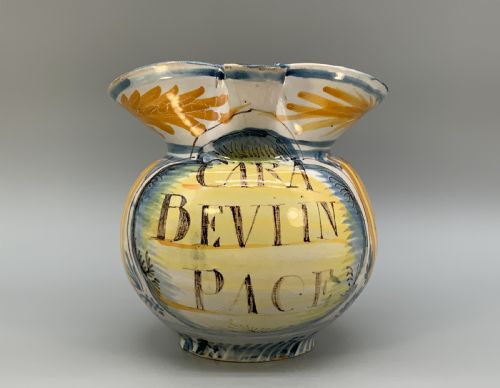
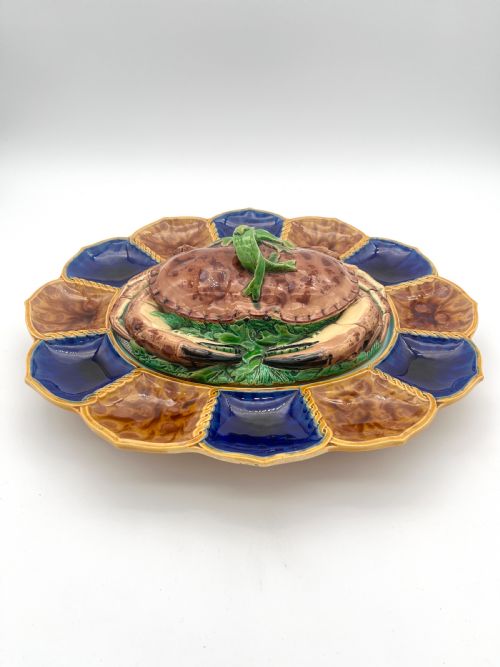
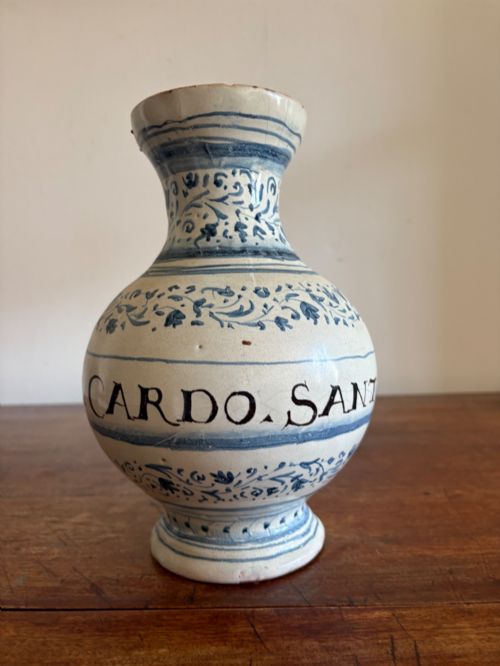
These pieces of 19th century majolica pottery bring brilliant colour and modelled detail to a room, offering everything from naturalistic jardinieres to Italian apothecary jars.
19th Century Majolica Pottery
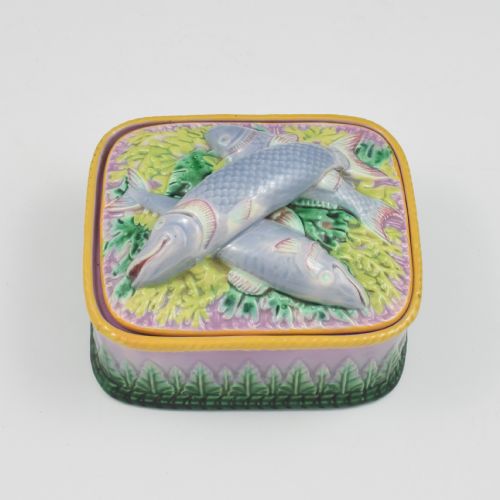
Collectors seeking 19th century majolica pottery encounter a rich array of utilitarian and decorative forms spanning the Victorian era and continental workshops. The selection here ranges from large table items like cheese domes, sardine boxes, and salad bowls to substantial architectural jardinieres, wall brackets, and monumental vases.
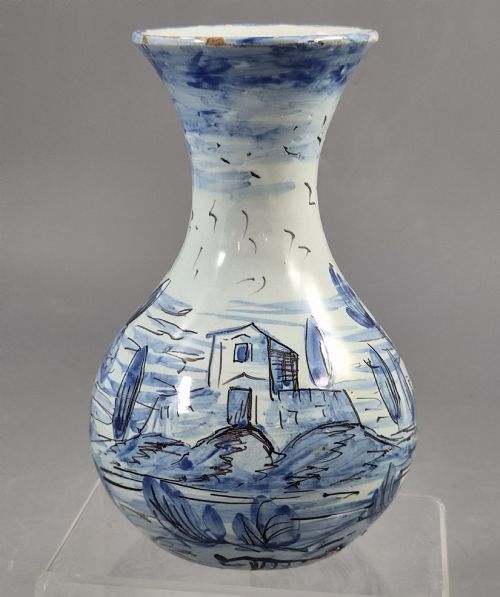
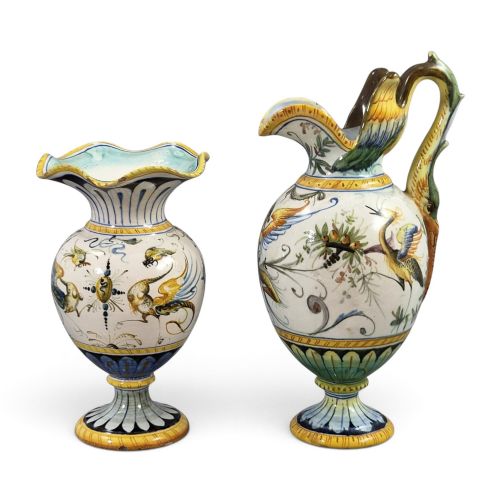
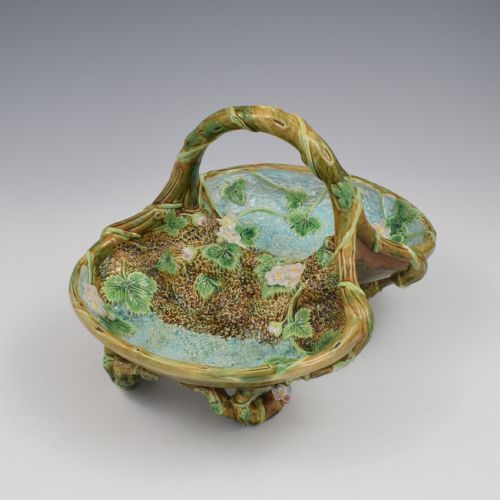
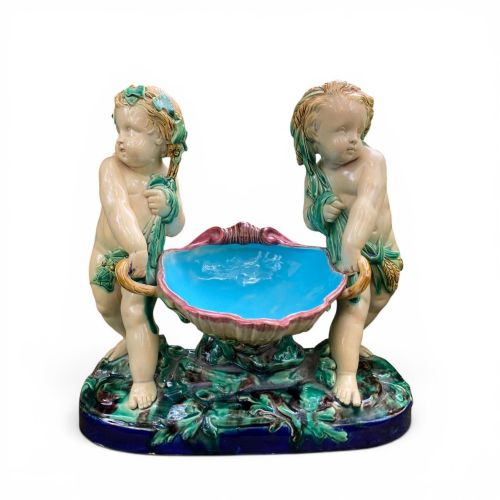
British factories such as Minton, George Jones, and Holdcroft produced exuberant naturalistic designs involving animals, cherubs, and fruit baskets. Alongside these stand Italian and French pieces, including pharmacy jars, albarelli, and ewers drawing on Renaissance Revival motifs and traditional blue and white painting.
Materials and construction
Potters shaped these vessels using earthenware and terracotta, building up sculptural forms through moulding and hand-modelling. The distinctive colourful finish relies upon tin and lead glazes applied over the ceramic body to receive vibrant metallic oxides.
Firing fused these polychrome glazes into deep, glossy surfaces that defined both English Victorian naturalism and continental revival styles. Artisans balanced sturdy potting with meticulous surface detailing, especially on animal figures and relief-moulded vases.
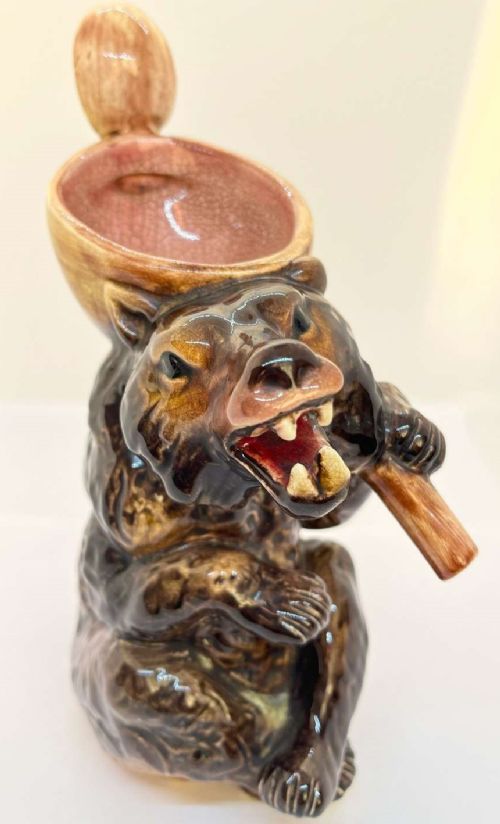
Among the creatures guarding these shelves, a ceramic crab serves tea and a gnome keeps watch over the desk.
Judgement of quality
Quality rests in the crispness of the relief moulding and the control of the coloured glaze pooling across intricate details. Superior pieces maintain sharp definition on complex figures like putti, crabs, and naturalistic foliage rather than losing edge under heavy glaze layers.
The sophistication of the palette and the ambition of the form dictate distinction across makers and regions. Mastery shows in the balance of bright polychrome or controlled blue and white pigments fired evenly over large surfaces like jardinieres and cabinet vases.
Holdcroft·Cantagalli·Minton·George Jones·Thomas Forester and Sons·Sarreguemines
The 19th Century Majolica Pottery Glossary
- Albarello
- A cylindrical earthenware jar used by apothecaries for storing dry drugs and ointments. These vessels often feature painted polychrome or blue and white decoration.
- Tin glaze
- An opaque white glaze containing tin oxide that provides a smooth ground for painting. It forms the basis of traditional faience and majolica finishing.
- Lead glaze
- A transparent or translucent glossy coating fired over earthenware to enrich body colours. This technique creates the deep sheen characteristic of Victorian majolica.
- Jardiniere
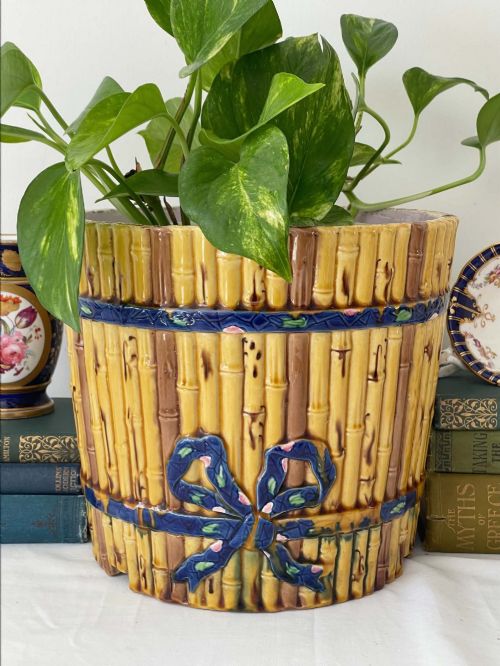
- A large ornamental pot or stand designed to hold growing plants. Examples in this field frequently employ heavy relief moulding and naturalistic motifs.
- Faience
- Tin-glazed earthenware produced in France and other continental European centres. The term often overlaps with majolica in nineteenth-century utilitarian and decorative wares.
19th Century Majolica Pottery: Frequently Asked Questions
What is majolica pottery?
Majolica pottery refers to glazed earthenware decorated with coloured metal oxides over an opaque tin glaze. Nineteenth-century makers expanded the tradition into highly sculptural domestic objects.
English and continental potteries utilised this technique to create vibrant, glossy surfaces on items ranging from tableware to large decorative urns.
How were cheese domes used?
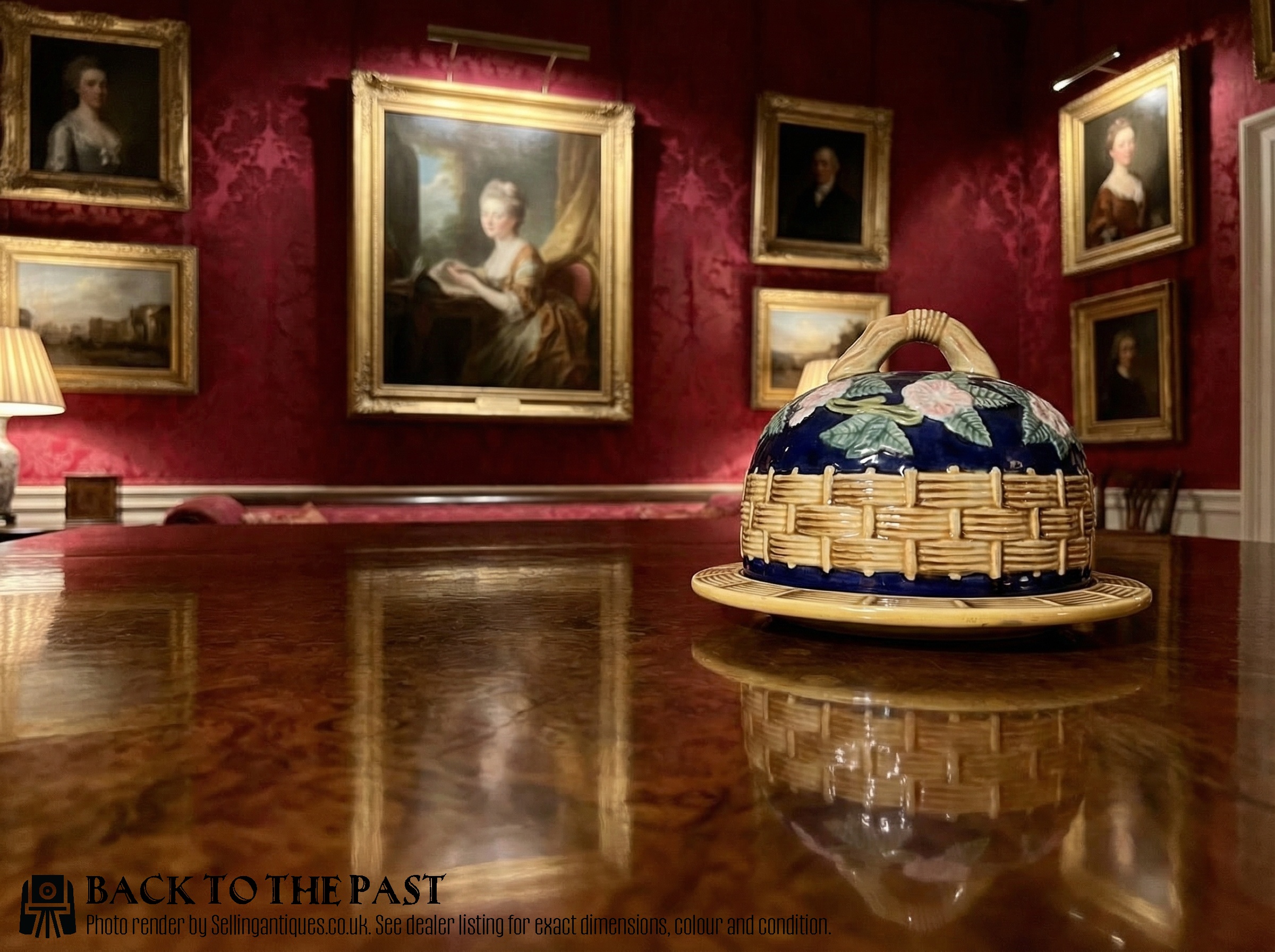
Victorian households utilised cheese domes and stands on the dining table to keep large cheeses fresh between meals. The fitted cover prevented drying while displaying decorative modelled motifs.
These functional pieces often featured naturalistic plant or animal designs, combining daily utility with elaborate Victorian table decoration.
How do I identify Minton majolica?
Minton pieces frequently display ambitious sculptural forms such as cherubs, marine creatures, and large architectural brackets. Collectors look for crisp relief moulding and characteristic rich glaze tones.
Many examples carry period date marks or registry diamonds stamped into the earthenware body underneath.
What is an albarello?
An albarello is a specific cylindrical pottery jar type originating from ancient Near Eastern pharmacy containers. Nineteenth-century Italian and continental workshops continued this traditional drug jar form.
They are usually painted with cobalt blue or polychrome pigments, often incorporating Renaissance Revival or apothecary scroll motifs.