




19th Century Mahogany Bed
When you search for a 19th century mahogany bed, you enter a world of grand four-posters, French empire frames and substantial timber daybeds built to last.
19th Century Mahogany Bed
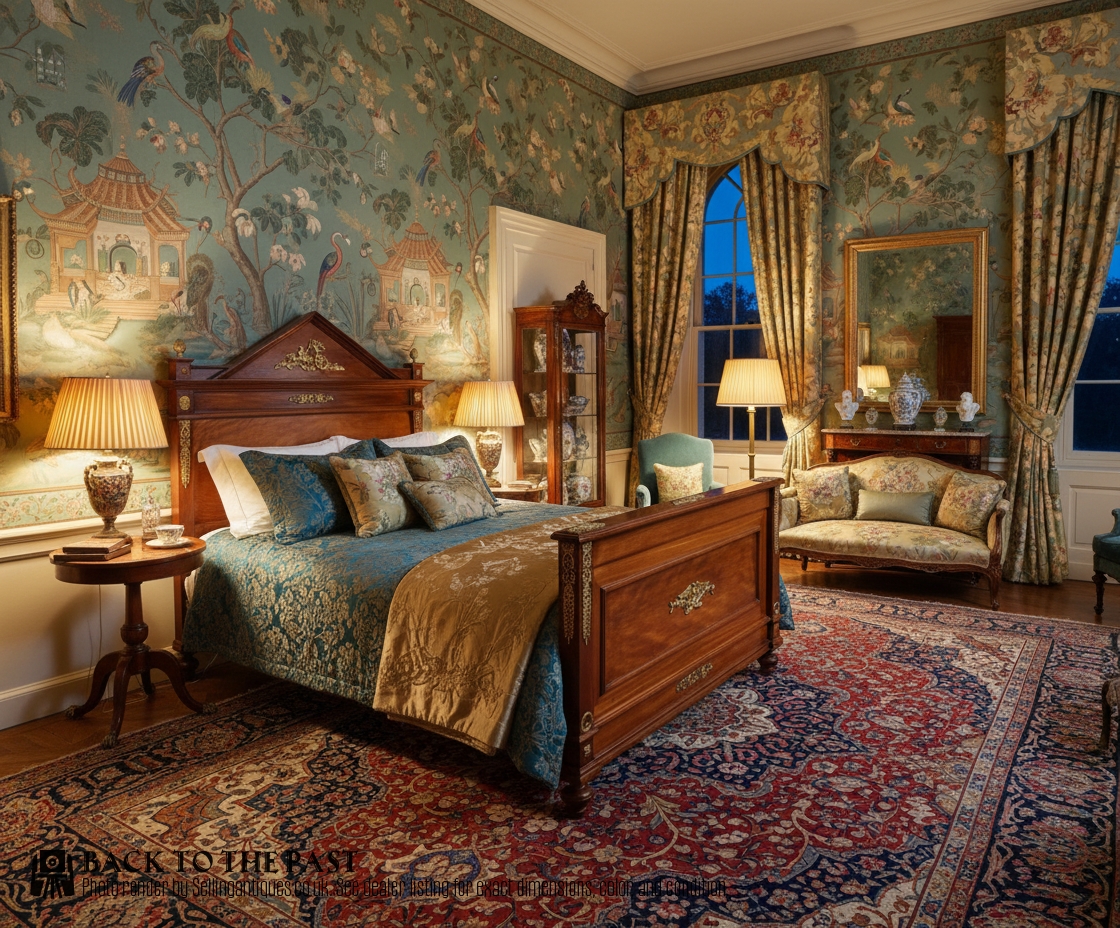
A 19th century mahogany bed encompasses large four-poster frames, tester beds, daybeds and simpler wooden bedheads spanning the Regency, Victorian and Edwardian periods. Architectural scale and dense timber define these sleeping quarters, reflecting the prominence given to bedroom furniture in past centuries. Buyers frequently encounter French lit bateau designs alongside British campaign pieces and standard double or king size frames.
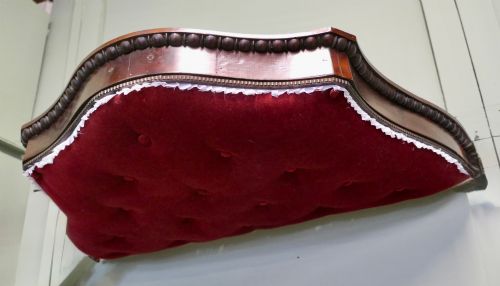
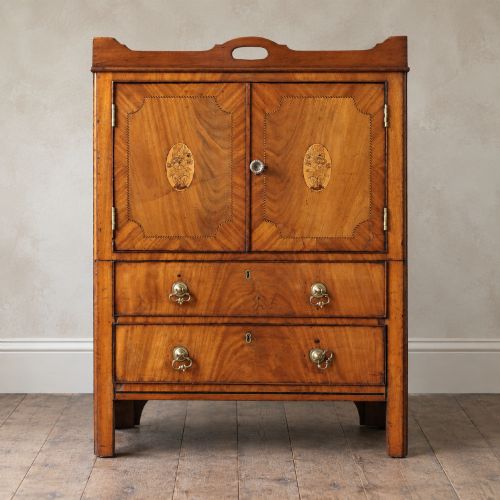
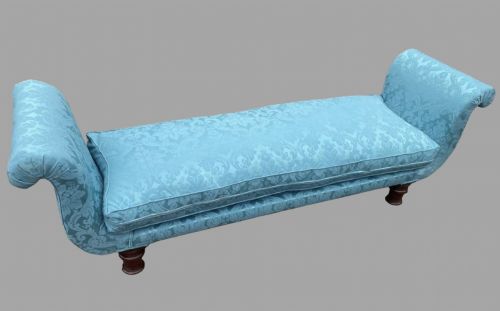
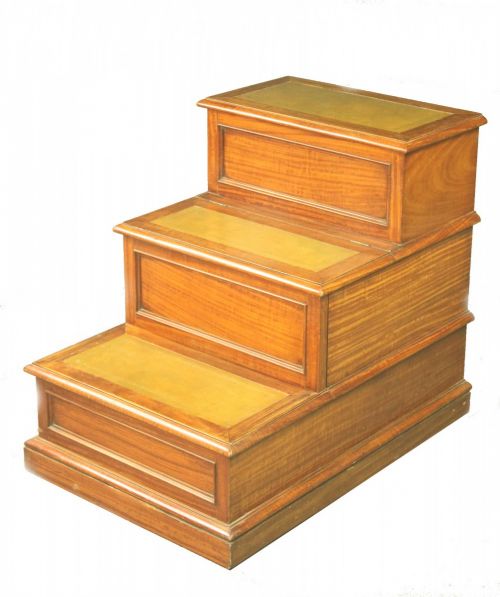
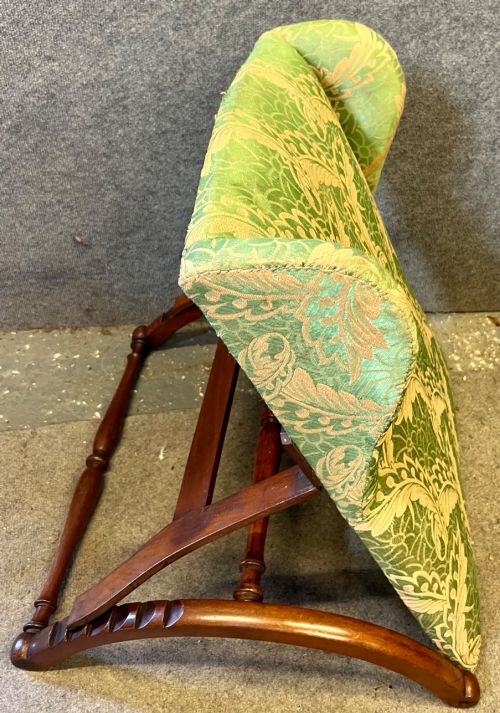
Beyond full beds, the category embraces related sleeping furniture including chaise longues, cradles, and domestic accessories like bedside tables and library steps designed to service the bedchamber. These supplementary forms share the rich timber grains and structural joinery characteristic of the primary bedframes. Together they form an integrated vocabulary of nineteenth-century domestic life.
What varies in quality
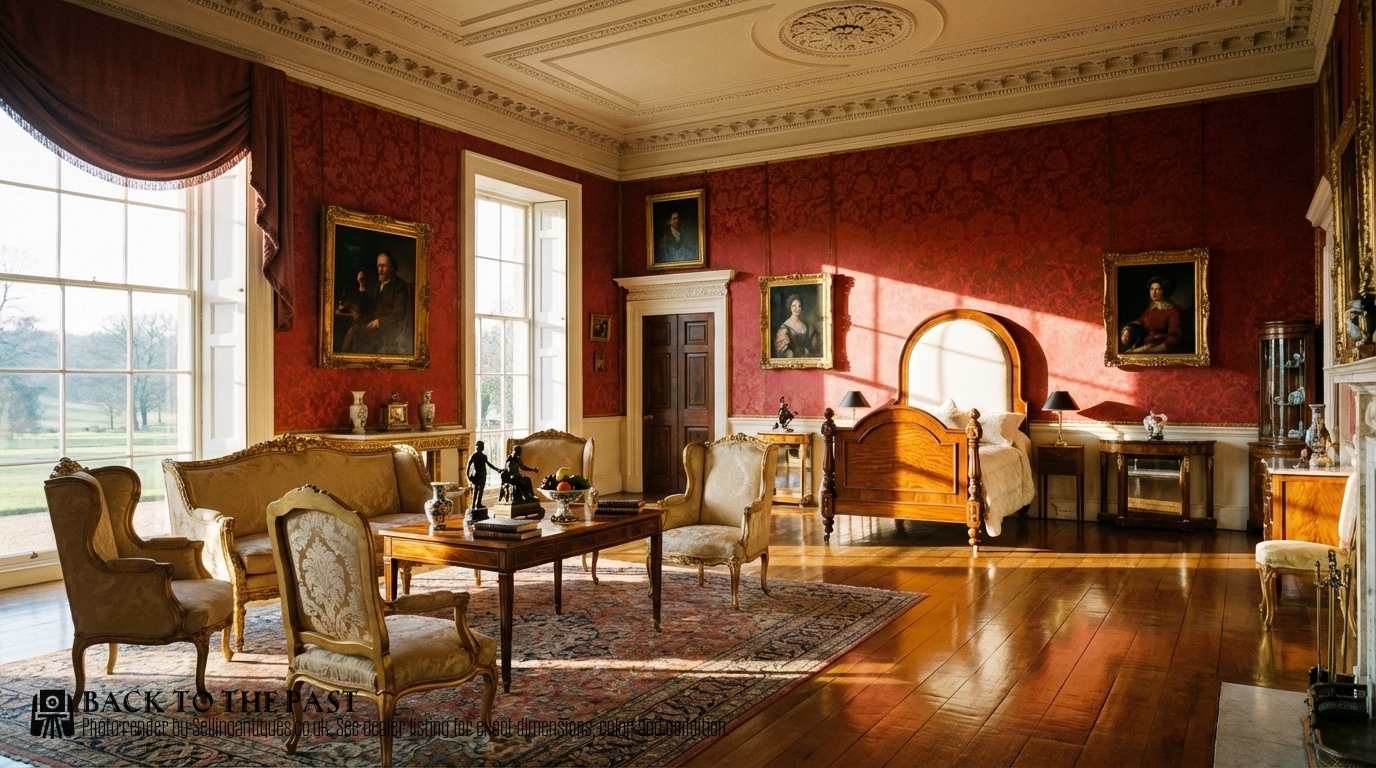
The selection of the timber dictates much of the visual merit, with figured flame mahogany commanding higher regard than plain stock. Crispness of carving on bedposts and symmetry in matched veneer panels distinguish master workshop output from standard commercial production. Maker attribution, through stamps or documented style traits, elevates the standing of individual pieces.
Proportion and structural integrity separate exceptional examples from altered or lesser items. Frames that retain their original height, unclipped bedposts and matching side rails demonstrate better preservation. The integration of quality brass hardware and fine secondary woods inside drawers or concealed areas further indicates higher manufacture.
19th Century Mahogany Bed Retail Price Guide 2026
Typical asking prices for 19th century mahogany bed among the pieces listed under this phrase on Sellingantiques today, from the lower quarter to the upper quarter. They describe what is for sale here now, not the wider market.
Collectors can source a mahogany dog four poster bed alongside full-sized sleeping quarters.
The 19th Century Mahogany Bed Glossary
- Lit Bateau
- A French boat bed featuring scrolled head and foot boards of equal or near-equal height. This design gained popularity during the Empire and Regency periods.
- Tester Bed
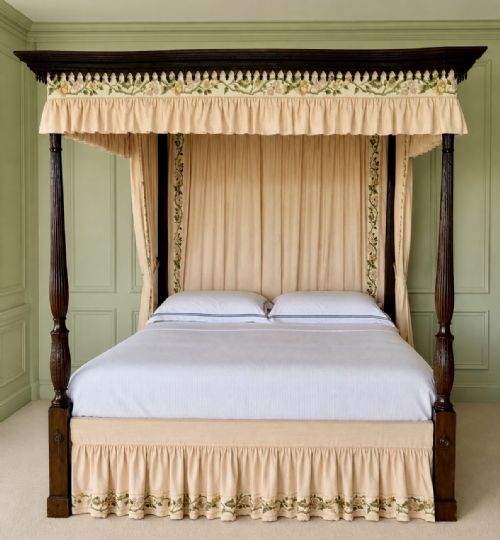
- A bed featuring a wooden canopy or ceiling suspended over the frame, sometimes supported by four tall carved posts. It often held curtains to retain heat and provide privacy.
- Flame Mahogany
- A veneer cut from the fork of the mahogany tree where the branch meets the trunk. It creates a distinctive, fiery flame-like pattern across the wood surface.
- Ormolu
- Gilded bronze or brass applied as decorative mounts to furniture. It provides a bright metallic contrast against dark mahogany surfaces, particularly on French pieces.
- Daybed
- An upholstered piece of furniture functioning as both a seat and a bed for resting during daylight hours. They often feature a raised end or backrest in Regency and Victorian styles.
19th Century Mahogany Bed: Frequently Asked Questions
How do I fit a modern mattress?
Many nineteenth-century frames were built to historical dimensions that differ from current standard mattress sizes. Custom mattress makers can build to fit the exact interior measurements of antique rails.
Support slats or modern base boards often need to be added safely within the antique wooden frame to accommodate contemporary mattresses without damaging the original structure.
Did four-poster beds have curtains?
Original four-poster and tester beds frequently utilised heavy textiles to enclose the sleeping space for warmth and privacy. Surviving examples often retain the wooden cornices or iron rods designed to hold these hangings.
Modern owners choose whether to display the carved mahogany posts bare or recreate historical drapery using traditional fabrics.
How do I care for mahogany?
Mahogany requires stable room humidity and protection from direct sunlight to prevent the timber and French polish from fading or drying out. Gentle dusting with a soft cloth maintains the surface sheen without chemical buildup.
Occasional application of appropriate wax feeds the wood and preserves the depth of grain seen in nineteenth-century furniture.
Can these beds be dismantled?
Most large four-poster and double beds from this era were constructed to be taken apart using bed bolts and iron brackets. This engineering allowed them to be moved between rooms and transported across estates.
Careful handling of the threaded bolts and heavy timber sections ensures the joints remain tight during assembly.