





19th Century Japanese Sculpture
These 19th century japanese sculpture works bring exceptional carved and cast detail to a room, ranging from intricate boxwood netsuke to large bronze figures.
19th Century Japanese Sculpture
When searching for 19th century japanese sculpture, a buyer encounters a diverse range of objects created during the Edo and Meiji periods. The selection spans miniature carvings such as netsuke to large decorative okimono and statues.
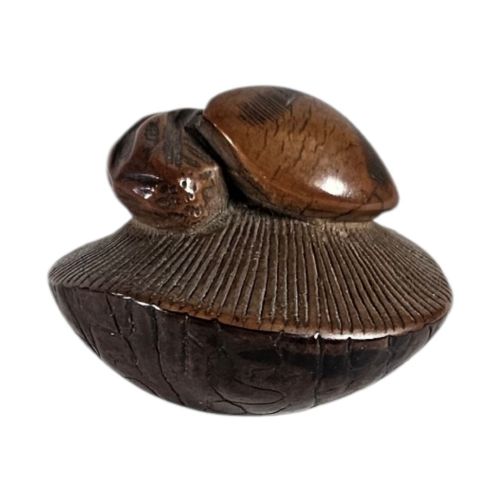
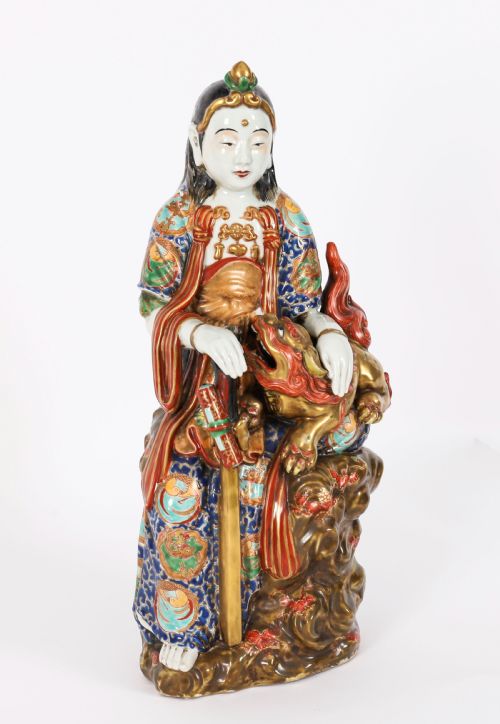
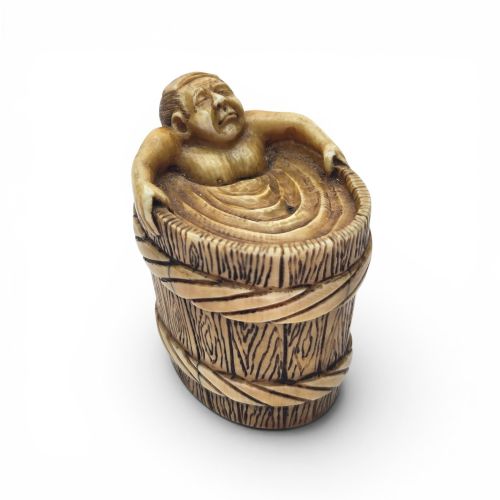
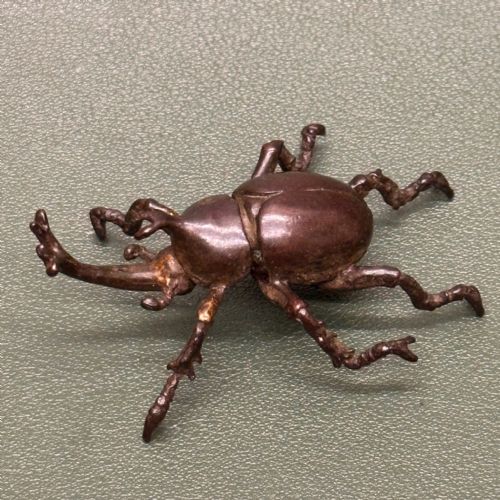
The most common items on this page are bronze figures of animals and hardwood carvings of figures and animals. Ceramic pieces, including Kutani porcelain figures and roof ornaments, also appear alongside stag antler netsuke.
Materials and methods
Artisans worked in bronze, boxwood, hardwood, and porcelain, frequently combining materials with gold leaf and polychrome enamel. Bronze pieces often utilised lost-wax casting, sometimes featuring articulated elements or fine surface chasing.
Wood and stag antler were hand-carved with remarkable precision, seen in miniature netsuke and larger okimono. Ceramic works combined moulded clay with detailed hand-painted glazes and enamel decoration.
Listings feature items from both the Edo and Meiji periods, utilising bronze, boxwood, hardwood, and Kutani porcelain.
Judging quality
Quality in these sculptures rests upon the fineness of the carving or casting and the realism of the subject matter. Masterworks show immense attention to anatomical detail, texture, and naturalism in animal or human subjects.
Signatures and inscriptions from known makers elevate pieces, whilst unsigned works rely entirely on the crispness of the execution and the preservation of the original material surface.
Miyao Eisuke
The 19th Century Japanese Sculpture Glossary
- Okimono
- A Japanese ornamental statue or carving designed for display on a shelf or in a tokonoma alcove. These figures often depict animals, deities, or daily scenes.
- Meiji Period
- The era in Japanese history spanning from 1868 to 1912, characterised by intense artistic production and opening to Western trade. Many bronze and carved works date from this time.
- Edo Period
- The period spanning from 1603 to 1867, preceding the Meiji era and producing notable wood and antler carvings. Pieces from the mid-19th century bridge these two stylistic epochs.
- Kutani
- A style of Japanese porcelain known for vibrant polychrome enamels and detailed figural or decorative painting. Figures from this tradition frequently depict deities.
19th Century Japanese Sculpture: Frequently Asked Questions
What is an okimono?
An okimono is a standalone decorative sculpture made for display rather than practical use. They were widely produced during the Meiji period in bronze, ivory, and hardwood.
Unlike netsuke, they lack attachment holes and are intended purely for interior decoration on furniture or display surfaces.
How do I spot a Meiji period bronze?
Meiji period bronzes often depict animals, birds, or human figures with high naturalism and fine surface detail. Many incorporate patination techniques that vary the metal colour from dark brown to gilt.
Artists during this era pushed casting and chasing techniques to exceptional levels, frequently adding signatures or workshop marks to the base.
What materials were used for netsuke?
Netsuke are predominantly carved from boxwood, hardwoods, and stag antler. These organic materials were chosen for durability against wear when tucked into a kimono sash.
Carvers utilised the natural grain and shape of wood and antler to form the contours of animals, figures, and mythic subjects.
How do I care for wooden sculptures?
Wooden and boxwood sculptures require stable indoor humidity to prevent the wood from drying out and splitting. Keep them out of direct sunlight to preserve the natural colour and patina of the material.
Dust gently with a soft brush rather than using liquid polishes, which can build up in the intricate carved recesses.