



19th Century Italian School
These 19th century italian school works capture picturesque landscapes, devotional subjects, and expressive portraits created across the peninsula.
19th Century Italian School
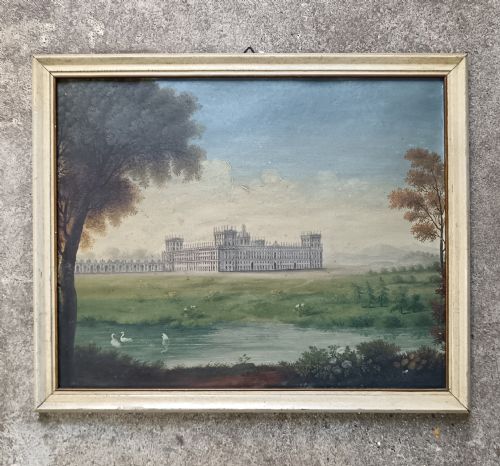
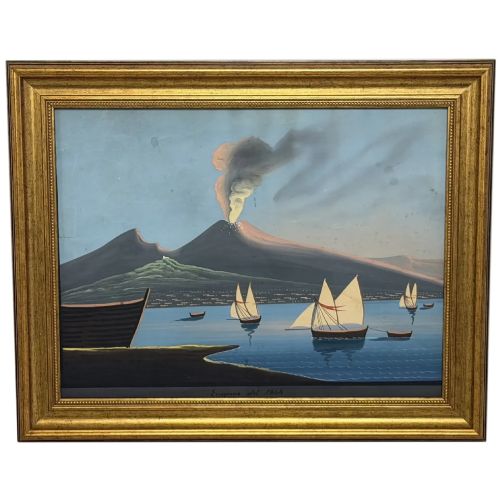
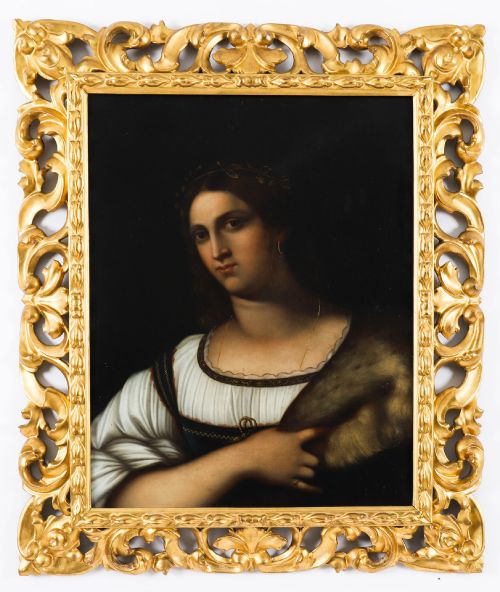
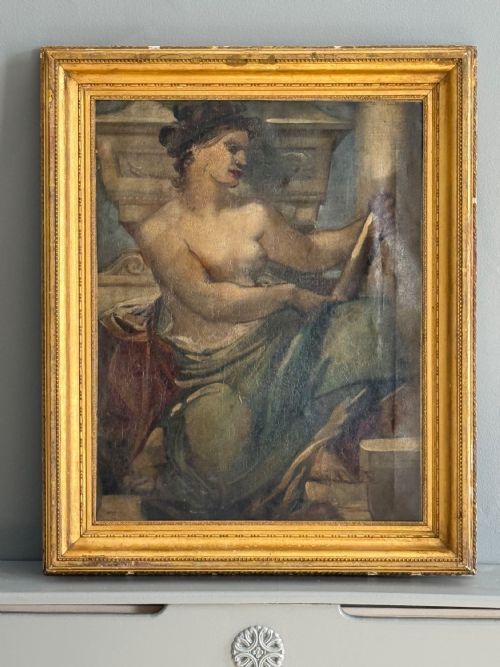
When searching for 19th century italian school, a buyer encounters oil paintings, watercolours, and gouaches originating from Italy or produced under its direct stylistic influence. The selections range from luminous views of Naples and coastal harbours to intimate portraits of young women and religious subjects after earlier masters.
The most frequent items on this page are oil paintings on canvas or panel, alongside framed watercolours and gouache paintings. Many pieces reflect regional traditions such as the School of Posillipo or draw inspiration from Renaissance and Baroque forebears.
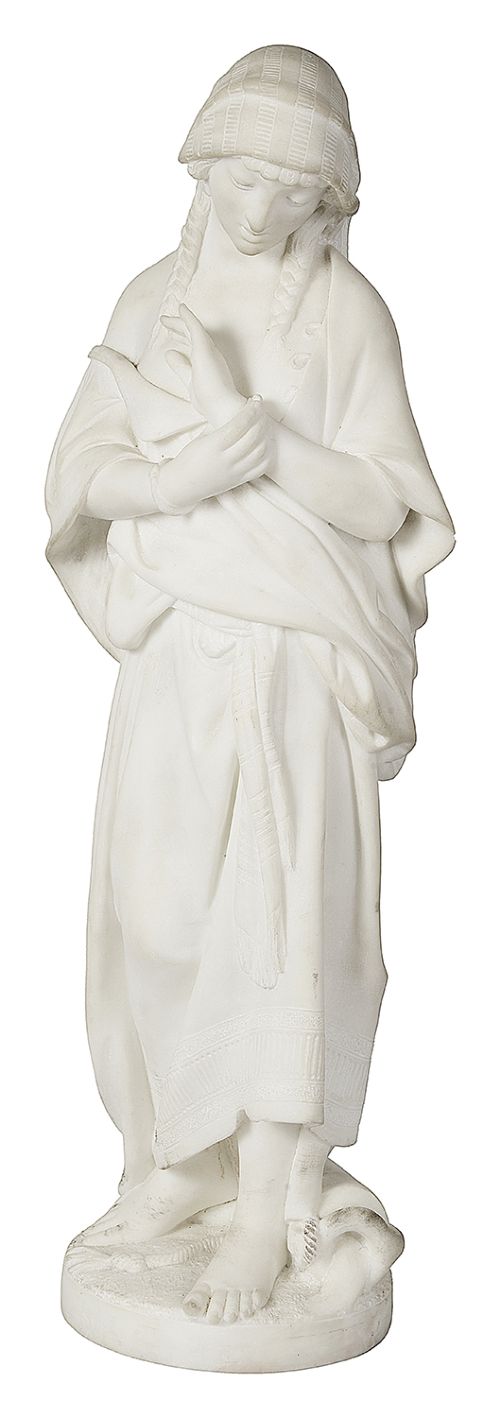
Beyond paintings, the selection extends to figurative watercolours, ink wash drawings, and occasional marble sculptures. These works collectively reflect the rich artistic output of nineteenth-century studios catering to travellers and collectors.
How they were made
Makers built these works using oil paint applied to canvas, wood panels, or paper supports, occasionally incorporating gold leaf and gilt frames. Watercolours and gouache on paper capture finer illustrative details, particularly in Neapolitan coastal scenes.
Many compositions rely on traditional techniques of copying or following recognised masters like Raphael, yielding meticulous interpretations of earlier religious and secular imagery.
19th Century Italian School Retail Price Guide 2026
Typical asking prices for 19th century italian school among the pieces listed under this phrase on Sellingantiques today, from the lower quarter to the upper quarter. They describe what is for sale here now, not the wider market.
Cherubs and putti gaze out from enormous canvases alongside serious portraits of Neapolitan fishermen.
What varies in quality
The distinction between standard works and superior examples lies in the dexterity of brushwork and the depth of the palette. Mastery of light in coastal landscapes and subtlety of expression in portraiture separate routine studio productions from exceptional pieces.
Preservation of the original surface, including the condition of the oil paint, paper support, and associated gilt framing, influences the overall integrity of the piece.
Barranti·Vincenzo Irolli·Consalvo Carelli·Leonardo Morello·Federico Andreotti·Thomas Brabazon Aylmer·C Valensi·Luigi Bardi
The 19th Century Italian School Glossary
- Capriccio
- An architectural fantasy placing disparate buildings, ruins, and other architectural elements in a fictional combination. These landscape studies appear frequently in nineteenth-century Italian works.
- Gouache
- An opaque watercolour paint consisting of pigment, water, and a binding agent such as gum arabic. It produces matte, vibrant surfaces seen in Neapolitan views.
- School of Posillipo
- A nineteenth-century group of landscape painters focused on realistic depictions of natural light around Naples. Their works often feature coastal vistas and Mount Vesuvius.
- Tondo
- A Renaissance term for a circular work of art, whether a painting or a sculpture. These circular compositions appear in religious portraiture on this page.
- Renaissance Revival
- An artistic style drawing inspiration from the art of the fifteenth and sixteenth centuries. Pieces in this category adapt earlier motifs into nineteenth-century compositions.
19th Century Italian School: Frequently Asked Questions
What defines a 19th century italian school painting?
These works encompass oil paintings, watercolours, and drawings produced in Italy or by artists working within Italian traditions during the nineteenth century. They frequently include landscapes, religious scenes, and portraits.
Many pieces reflect regional movements like the School of Posillipo or pay homage to earlier Renaissance and Baroque masters through careful interpretation.
How should I display these watercolours and oils?
Oil paintings on canvas or panel benefit from stable indoor environments away from direct sunlight to protect the pigments and wooden supports. Framed watercolours and gouache on paper require protection behind glass to prevent fading and moisture damage.
Matching the period of the artwork with an appropriate gilt or wooden frame preserves the visual context of nineteenth-century presentation.
Are these works original or copies?
The inventory includes both original compositions from life and traditional studies created after earlier masters such as Raphael and Correggio. Studio artists frequently painted copies or devotional subjects for collectors touring Italy.
Signatures, inscriptions, and technical execution on canvas or panel help distinguish direct observations from interpretive works.
What subjects are most common?
Coastal views of Naples, harbour scenes, and mountainous landscapes form a substantial portion of the available watercolours and oils. Figurative works, including portraits of young women and religious subjects, appear with equal frequency.
Capriccio landscapes and architectural studies also represent recurring themes across the listed pieces.