


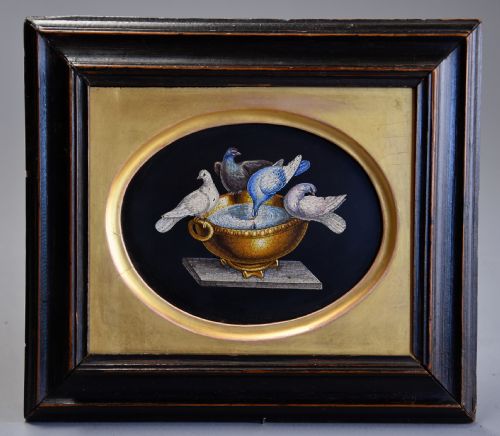

19th Century Italian Artwork
These pieces of 19th century italian artwork bring sunlit Mediterranean scenes and masterly portraiture directly into your room.
Identifying 19th century italian artwork
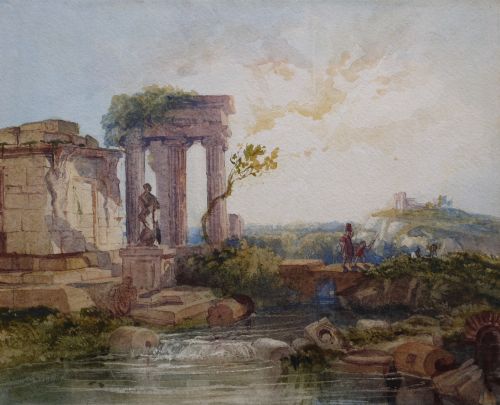
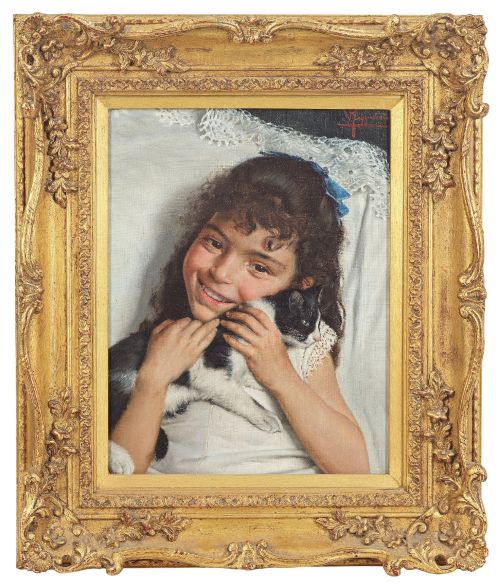
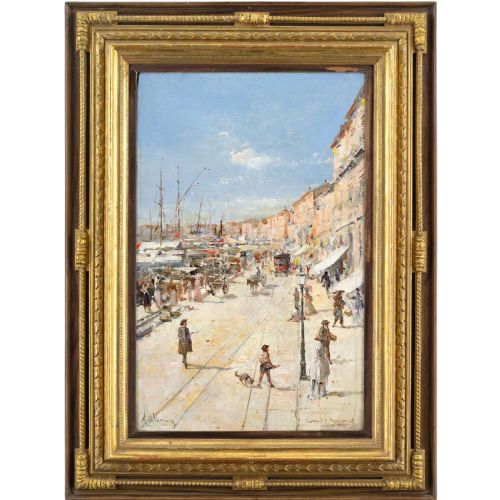
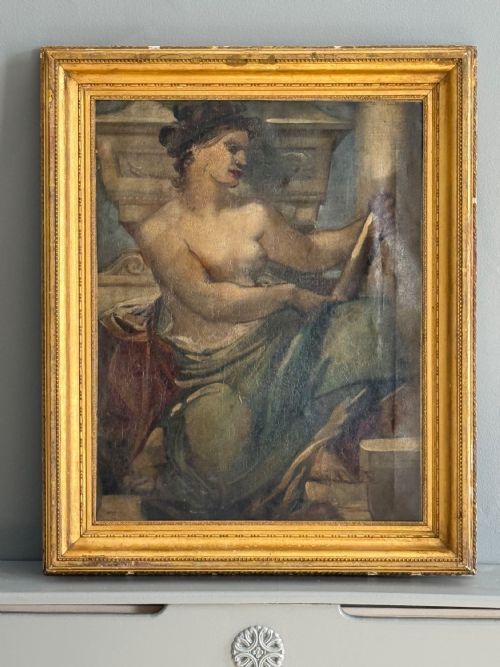
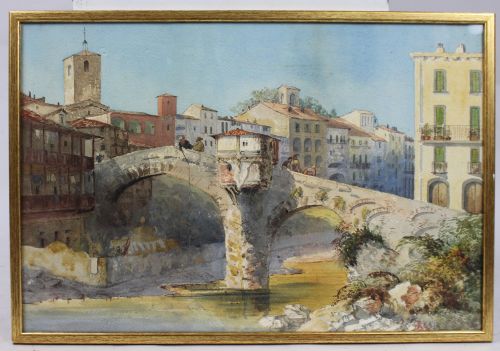
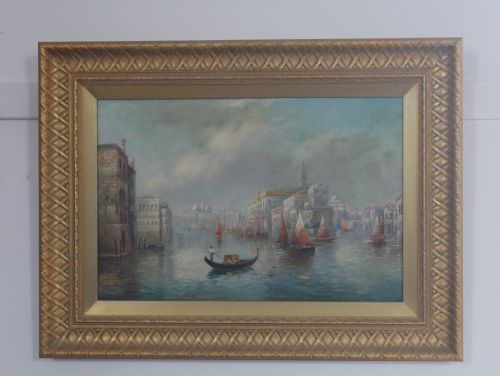
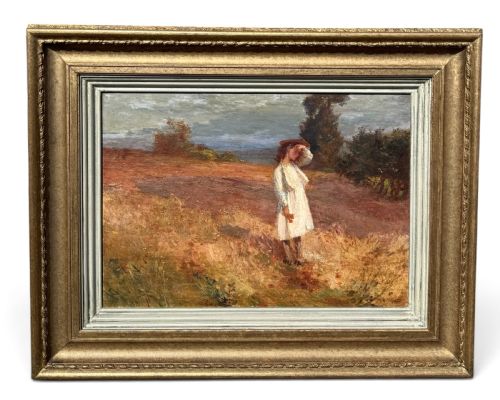
When you search for 19th century italian artwork, you encounter oil paintings, watercolours and works on paper depicting coastal life, historic streets and intimate genre subjects. The period encompasses traditional academic output alongside lively regional scenes from Venice, Naples, Sicily and Rome.
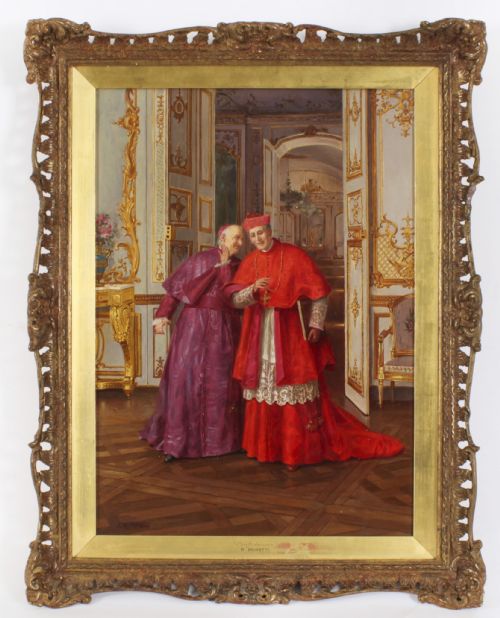
You are most likely to meet oil on canvas paintings and watercolour works on paper executed during the eighteen-hundreds. Subjects range from Neapolitan fisherfolk and Venetian views to classical Italian school portraits and Sicilian streetscapes.
Materials and execution
Makers utilised oil paint on stretched canvas and watercolour pigment on paper, housed within gilded wood and giltwood frames. The application combines fluid watercolour washes with rich, layered oil pigments.
Support structures rely on traditional wood stretchers and paper supports, complemented by period gilded framing that frames the composition.
Retail Price Guide 2026
Typical UK retail prices for 19th century italian artwork, calculated from the Sellingantiques database of over a million retail prices indexed since 2003. This retail price guide relies exclusively on Sellingantiques data; no external sources or auction records are used, so the figures do not describe the wider market.
The selection includes both oil on canvas and watercolour pigment on paper, spanning the nineteenth century and the year nineteen hundred.
Distinctions in quality
Quality rests upon the confidence of the brushwork and the luminosity of the palette, separating standard academic exercises from vibrant observation. Superior examples demonstrate a secure grasp of light, shadow and regional atmosphere.
The sophistication of the framing and the preservation of the pigment layer further distinguish finer works from simpler decorative items. Original giltwood frames and stable canvas conditions elevate the overall standard.
Augusto Alberici·CARLO FERRANTI·E. Perez Senet·Guido Agostini·Michela de Vito
The 19th Century Italian Artwork Glossary
- Genre
- A painting depicting scenes from everyday life, such as fisherfolk resting or street gatherings. These works capture the social character of the period.
- Veduta
- A highly detailed, topographical painting of a cityscape or vista, frequently collected by travellers on the Grand Tour. Venice is a common subject for this genre.
- Neoclassical
- A style drawing inspiration from the classical art and culture of ancient Greece and Rome. It emphasises balance, restraint and academic precision.
- Giltwood
- Wood that has been coated with a thin layer of gold leaf or gold paint. It forms the decorative border for many period paintings.
Frequently Asked Questions
What subjects appear in nineteenth-century Italian watercolours?
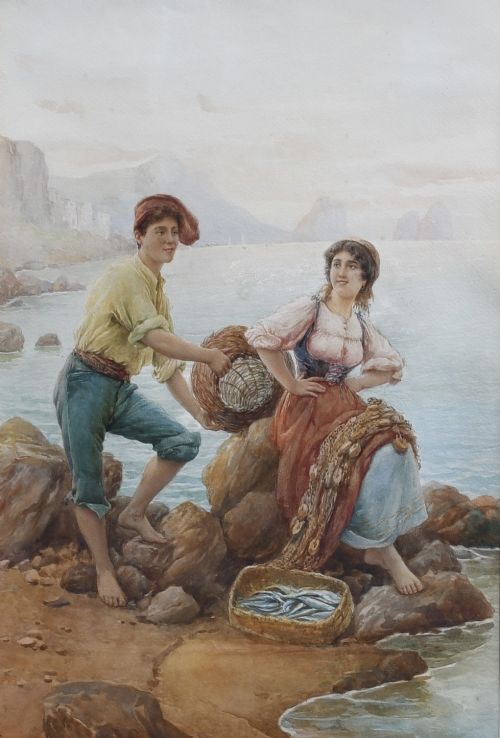
Watercolour paintings from this period frequently depict regional life, coastal scenes and historical ceremonies. Artists captured local populations, such as Neapolitan fisherfolk, against sunlit coastal backdrops.
These works on paper relied on translucent pigments to convey the intense Mediterranean light and atmospheric conditions.
How do I care for an oil painting on canvas?
Keep oil paintings away from direct sunlight and fluctuating humidity to protect the canvas and paint layers. Gentle dusting with a soft, dry brush is sufficient for routine maintenance.
Avoid using liquid cleaners or abrasive cloths on the paint surface or the gilded frame.
What defines a Venetian oil painting from this era?
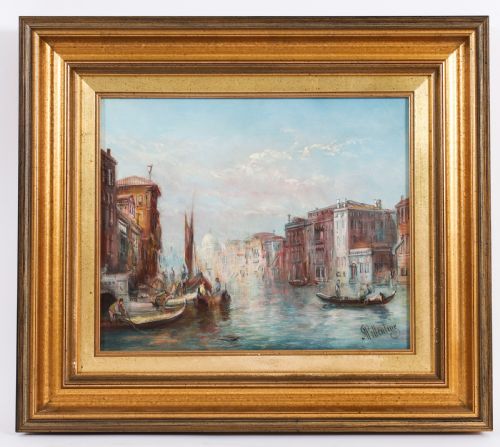
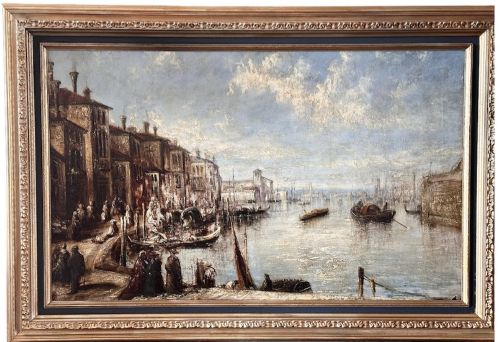
Venetian works often focus on the unique architecture, canals and atmospheric light of the lagoon city. Artists used expressive brushwork to capture the reflections on the water and historic stone facades.
These paintings bring a distinct sense of Italian topography into an interior.
Are these artworks framed in period mouldings?
Many pieces retain their original gilded wood or giltwood frames, which complement the aesthetic of the nineteenth century. These frames display period gilding techniques and wooden construction.
They provide an authentic housing that matches the era of the artwork within.