



19th Century Indian Sculpture
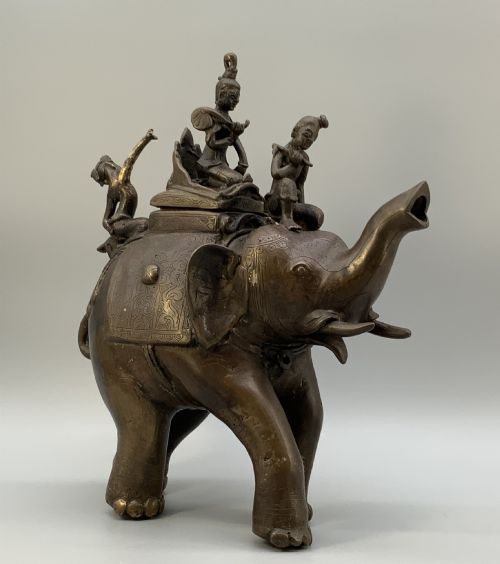
These 19th century indian sculpture pieces bring substantial South Asian artistry into a room, combining traditional metalwork and carved timber.
19th Century Indian Sculpture
When you search for 19th century indian sculpture, you encounter a diverse range of figures spanning the Victorian era, Raj period, and South Indian folk art traditions. The selection includes cast metal deities, painted animals, and functional objects transformed into decorative items.
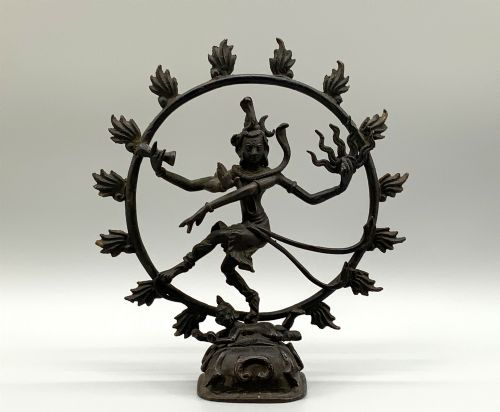
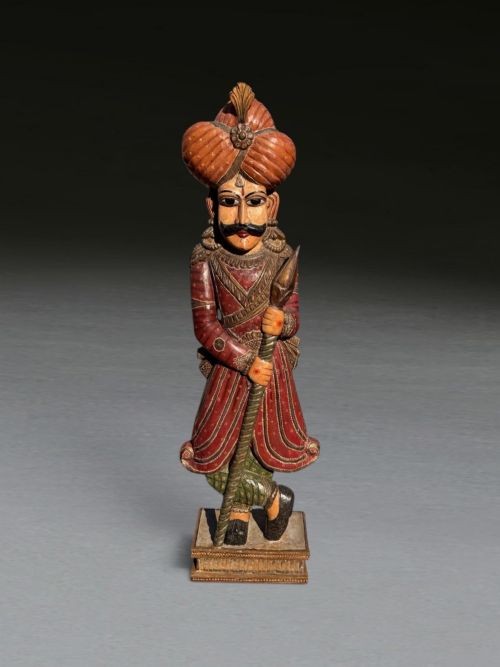
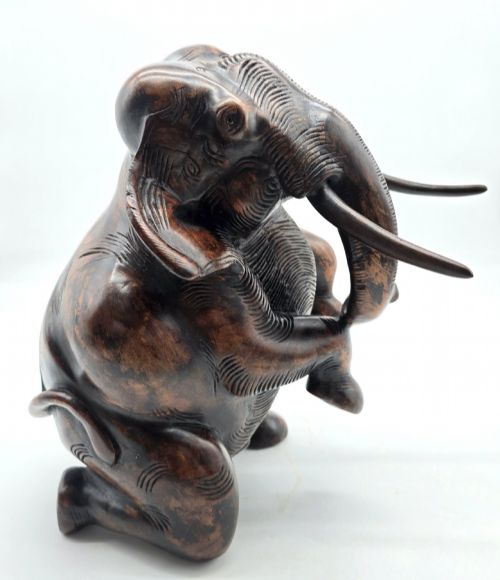
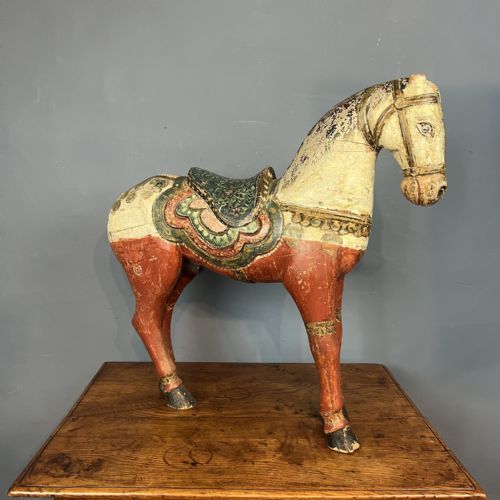
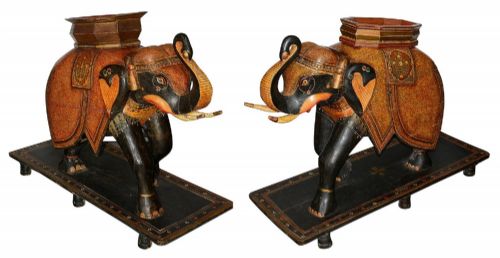
Bronze figures of Hindu deities such as Shiva Nataraja and Ganesh represent a core category among these listings. Alongside these divine representations appear carved wood elephants, horses, goats, and human figures including soldiers.
The objects vary from monumental life-size wooden carvings to intricate tabletop bronzes and lacquered pieces. Many reflect specific regional aesthetics, notably South Indian and Rajasthani craftsmanship from the eighteen-hundreds.
What Varies in Quality
Quality in these sculptures rests upon the clarity of the casting and the depth of the carving. Superior bronze figures display sharp detail in the ornamentation and facial expressions, whilst finer wooden pieces show controlled chisel work and well-preserved surface pigments.
Proportion and stance distinguish the better examples from simpler provincial work. Objects that retain their original polychrome paint, lacquer, or gilding demonstrate a higher degree of historical integrity.
19th Century Indian Sculpture Retail Price Guide 2026
Typical asking prices for 19th century indian sculpture among the pieces listed under this phrase on Sellingantiques today, from the lower quarter to the upper quarter. They describe what is for sale here now, not the wider market.
Among the stately deities and carved elephants sits a mounted silk spinning wheel and an antique coconut scraper from South India.
The 19th Century Indian Sculpture Glossary
- Lost-wax casting
- A metalworking method where a molten metal is poured into a mould that has been created by means of a wax model. Once the wax is melted away, the bronze takes its exact place.
- Polychrome
- The practice of decorating architectural elements, sculpture, or pottery in a variety of colours. On these pieces, it usually involves painted wooden animal surfaces.
- Gesso
- A plaster mix used as a base for paint on wood or other surfaces. It provides a smooth foundation for intricate decoration.
- Raj period
- The period of direct British rule on the Indian subcontinent between eighteen fifty-eight and nineteen forty-seven. Many domestic carvings and decorative figures date from this era.
- Deity
- A god or goddess, frequently represented in the bronze statues and Hindu figures found within this category. These range from dancing forms to seated figures.
19th Century Indian Sculpture: Frequently Asked Questions
What materials are common in 19th century Indian sculpture?
The listings show a strong presence of cast bronze and carved wood, including ebony and other hardwoods. Stone, alabaster, pigment, paint, gesso, and lacquer also appear frequently.
Metal works typically take the form of Hindu deities, while timber is favoured for animal studies and architectural figures.
How do I identify a Shiva Nataraja figure?
Shiva Nataraja represents the Hindu god Shiva as the lord of dance, typically shown performing his divine dance within a flaming halo. These are usually cast in bronze with intricate detail.
The posture involves a raised leg and multiple arms holding symbolic objects, reflecting traditional iconography.
Where were these sculptures made?
Originating from the Indian subcontinent, these pieces reflect various regional traditions such as South Indian temple arts and Rajasthani folk craft. Many date from the nineteenth century during the Raj period.
Makers ranged from village artisans to specialised workshops producing works for both local use and export.
How should I care for painted wooden sculptures?
Keep painted and lacquered wooden figures away from direct sunlight and stable humidity environments to preserve the pigments and gesso. Gentle dusting with a soft brush is usually sufficient for maintenance.
Avoid using liquid cleaners on polychrome surfaces to prevent lifting the historic paint layers.