
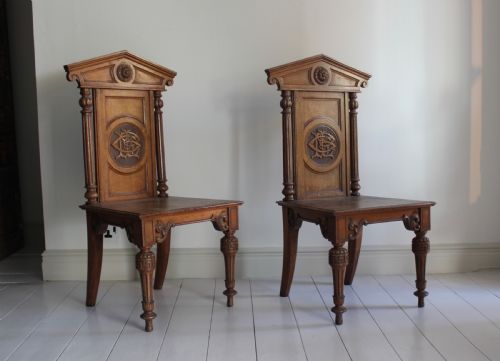

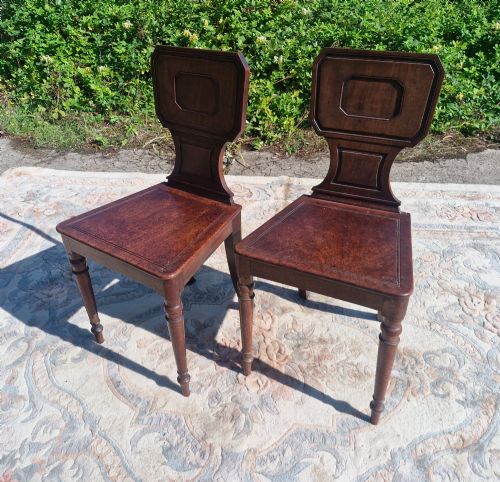
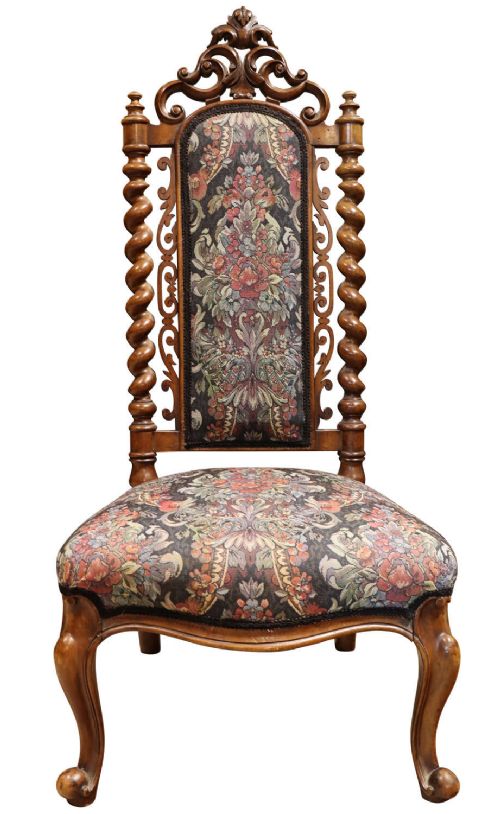
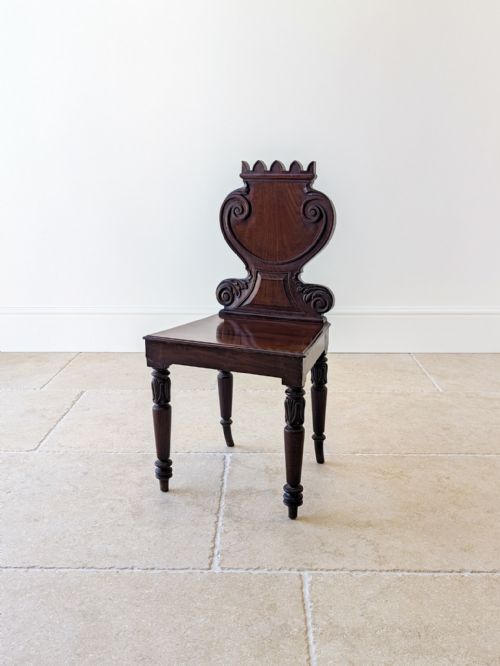
19th Century Hall Seat
A 19th century hall seat offers striking architectural presence and practical entryway storage.
What a 19th century hall seat is
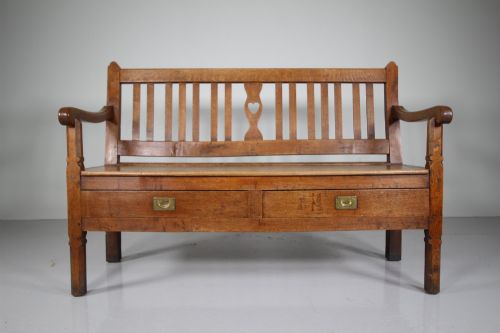
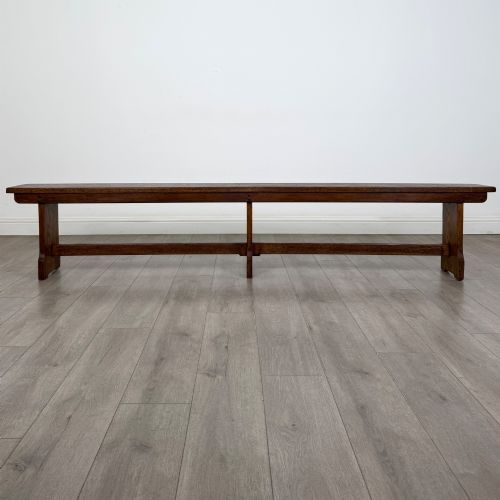
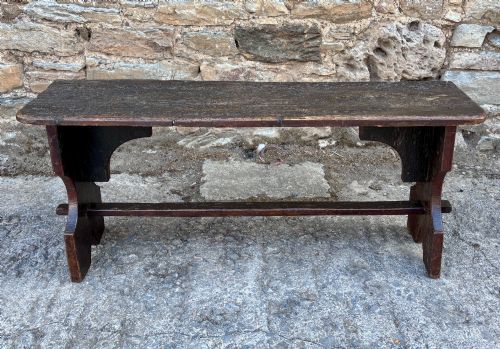
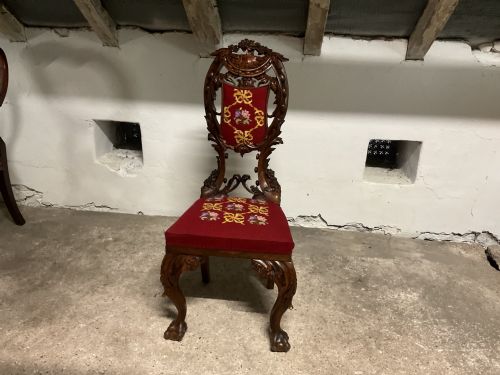
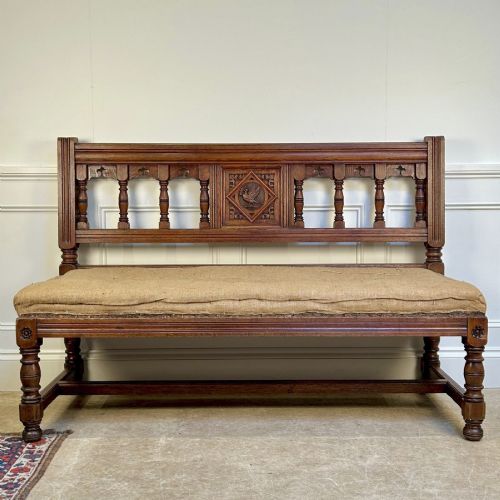
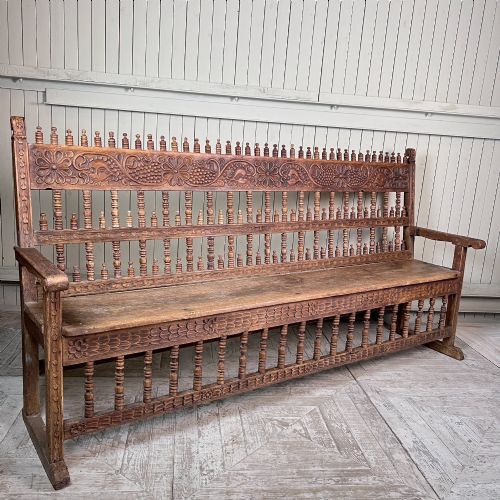
A 19th century hall seat serves as an imposing and practical piece of entrance furniture designed to greet visitors in a grand hallway or vestibule. These forms range from long benches and settles to architectural box seats with lift-up lids and window seats.
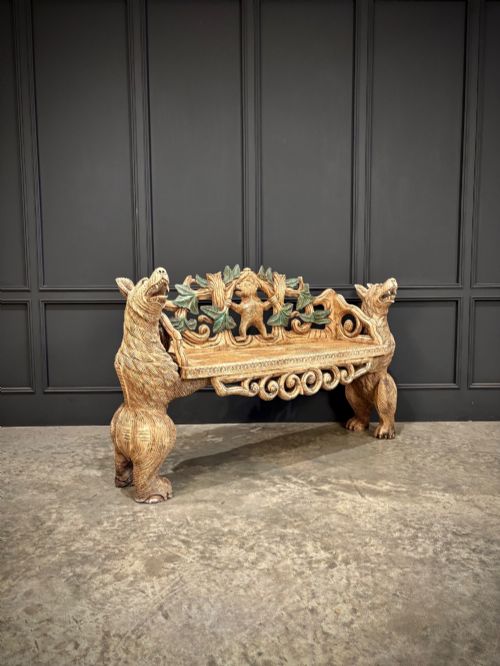
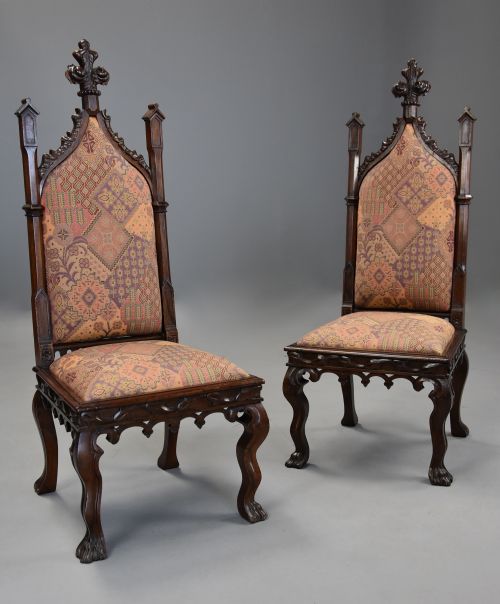
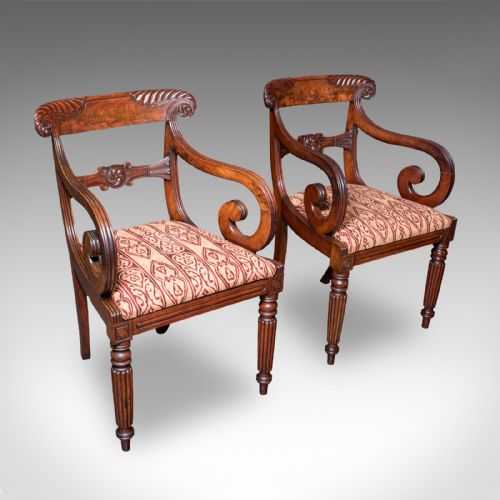
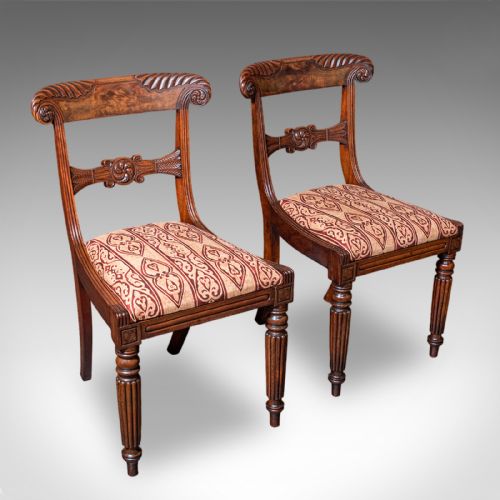
Oak and mahogany dominate the offerings, appearing alongside walnut, rosewood, padauk, and burr elm. Pieces frequently incorporate stylistic elements such as Victorian Gothic Revival, Reformed Gothic, Neoclassical, Black Forest, and Arts & Crafts designs.
Makers and workshops across England, France, and Italy produced these items for domestic hallways. Surviving examples include simple panelled designs alongside heavily carved items boasting cane, fabric, or rush seating.
How they were made
Cabinetmakers worked primarily with solid hardwoods such as oak, mahogany, and walnut, often utilising secondary woods like linden and standard wood for internal framing. Construction techniques rely heavily on sturdy joinery, panelled backs, and hinged compartments designed for heavy daily use.
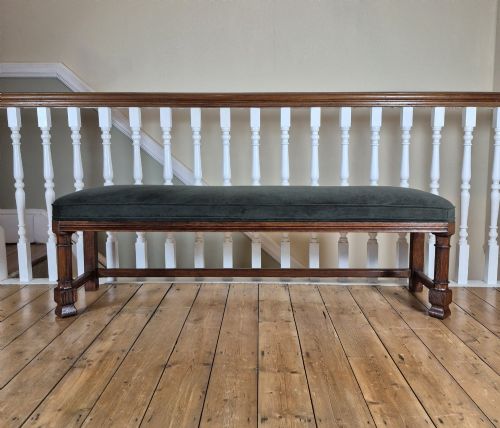
Carving serves as the primary decorative method, ranging from crisp Gothic tracery and architectural mouldings to the distinct figurative work found on Black Forest pieces. Upholstered variants incorporate fabric, rush, or cane panels secured within the wooden frame.
Retail Price Guide 2026
Typical UK retail prices for 19th century hall seat, calculated from the Sellingantiques database of over a million retail prices indexed since 2003. This retail price guide relies exclusively on Sellingantiques data; no external sources or auction records are used, so the figures do not describe the wider market.
What varies in quality
The distinction between standard utility furniture and superior examples lies in the depth and crispness of the timber carving and the selection of figured veneers like burr elm. Heavy architectural proportions and balanced panel construction elevate the status of individual benches.
Material choice and origin dictate the character of the piece, with dense tropical hardwoods like padauk or well-figured English oak representing robust craftsmanship. Original hardware, such as brass fittings and functional lift-up mechanisms, preserves the integrity of the seating.
Shoolbred & Co
The 19th Century Hall Seat Glossary
- Hall seat
- A functional entryway bench or settee designed for hallways, often incorporating a panelled back or a box compartment beneath the seat.
- Box seat
- A form featuring a hinged lid that opens to reveal storage space inside the base for boots and textiles.
- Gothic Revival
- A design style drawing inspiration from medieval architecture, characterised by pointed arches, tracery, and heavy carved oak.
- Window seat
- A long, narrow bench designed to fit within a window recess, frequently grouped alongside hall seat classifications in historical records.
- Settle
- A wooden wooden bench with a high panelled back and arms, built to block draughts in entrance halls and living spaces.
Frequently Asked Questions
Where did people put a hall seat?
These items stood primarily in entrance halls, vestibules, and grand corridors to provide seating for visitors removing outerwear.
They also functioned near windows or in large landings as decorative window seats.
What is a box hall seat used for?
The lift-up seat concealed a storage compartment utilised for keeping boots, blankets, and household accessories out of sight.
This dual purpose made them essential furniture for busy Victorian and 19th-century households.
How do I identify Gothic Revival styles?
Gothic Revival examples feature distinct architectural motifs such as pointed arches, tracery, and heavy carved oak panels.
These details reflect a 19th-century fascination with medieval design and ecclesiastical forms.
What woods were used for these seats?
Cabinetmakers predominantly selected oak and mahogany, though walnut, rosewood, padauk, and burr elm appear frequently.
Softer woods like linden and general hardwoods were also utilised depending on regional workshops and specific stylistic demands.