



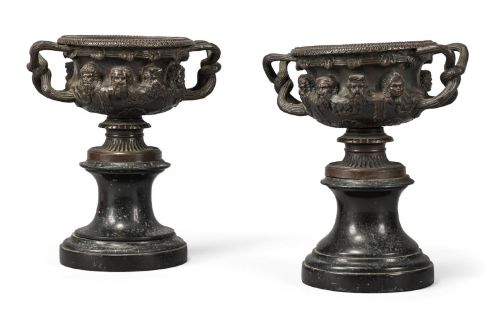
19th Century Grand Tour Bronze
A 19th century grand tour bronze captures the classical sculpture and architecture collected by travellers in Italy during the Victorian era.
19th Century Grand Tour Bronze
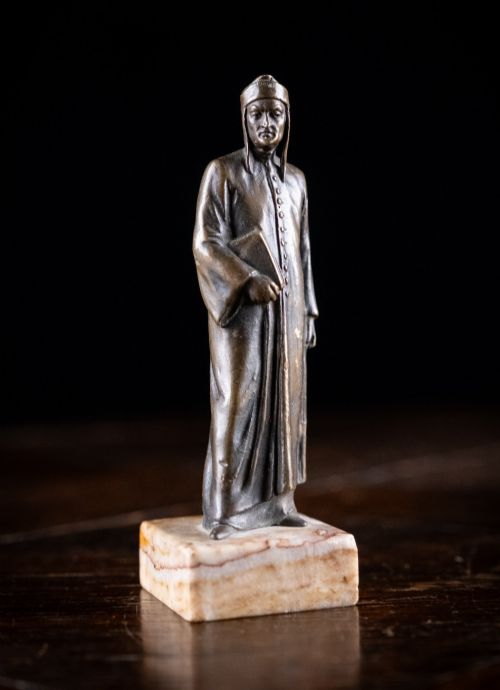
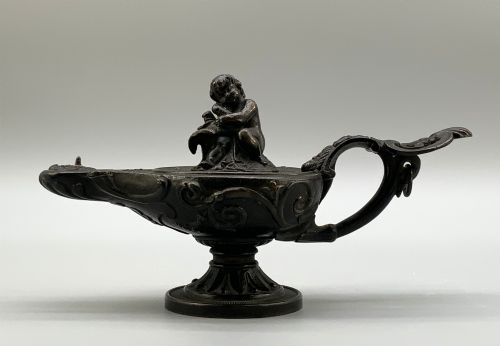
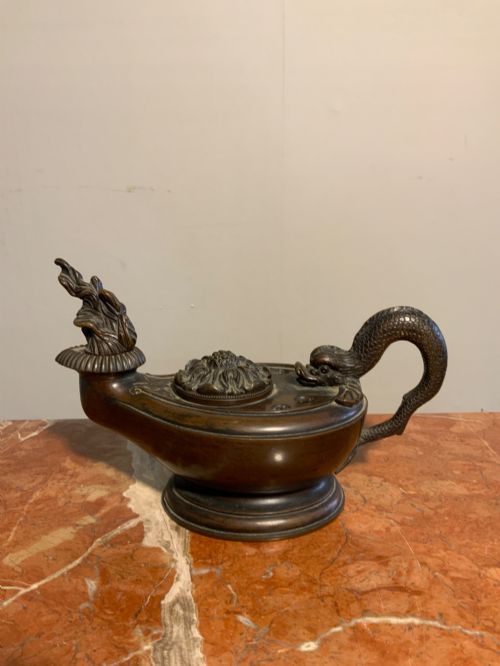
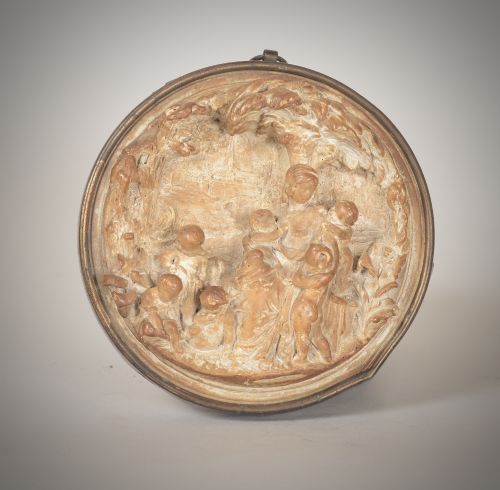
When buyers search for a 19th century grand tour bronze, they look for metal reductions of ancient statues, architectural models, and decorative vessels brought back from European travels. These items reflect the classical education and refined tastes of the period.
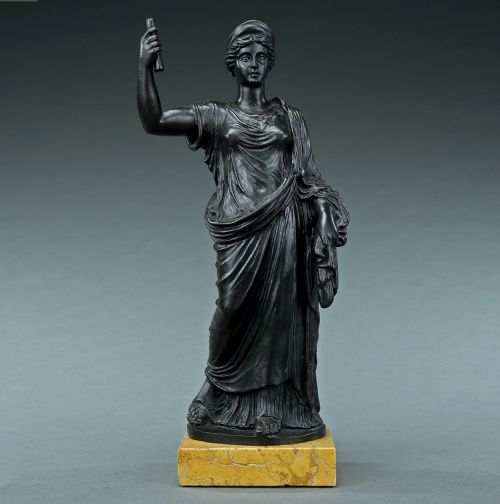
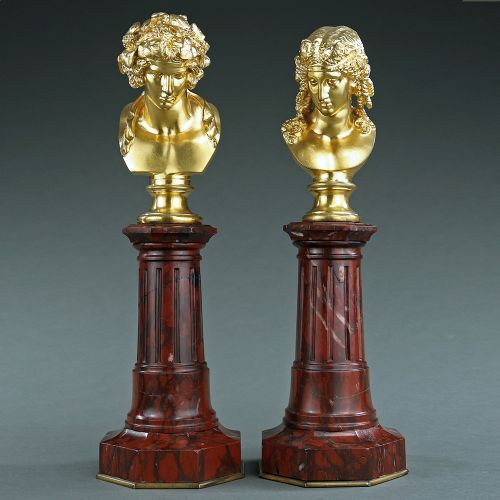
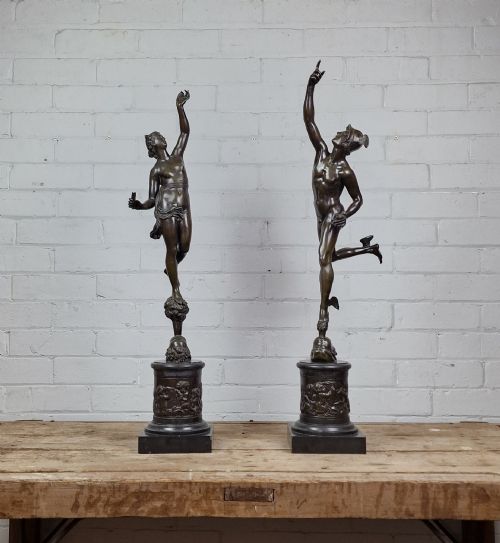
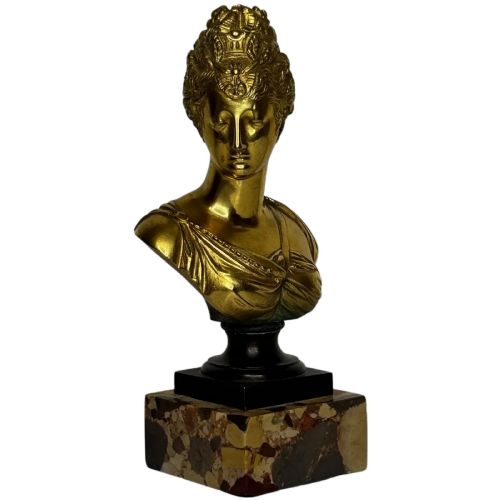
The objects on this page include mythological figures, imperial busts, and miniature monuments after the antique. Common forms range from small desk ornaments to substantial cabinet figures mounted on marble bases.
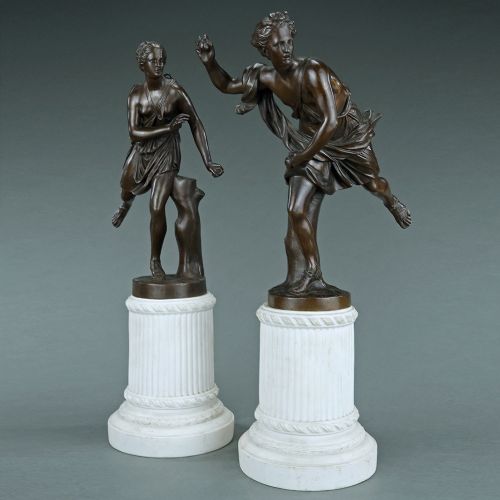
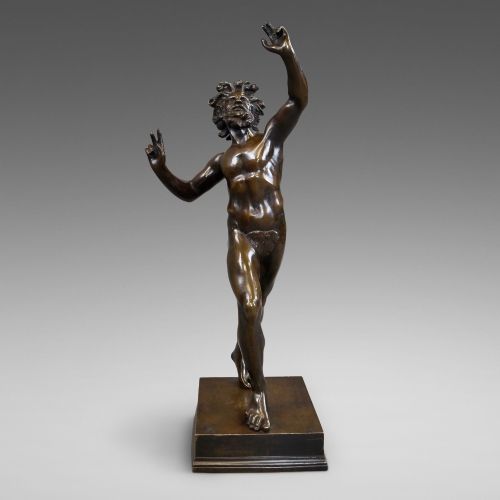
Many of these pieces draw directly from famous works housed in Italian and French museums. Figures of Narcissus, dancing fauns, and reductions of the Warwick Vase appear frequently among the listings.
Materials and Casting Methods
Foundries typically employed the lost-wax casting method or sand casting to achieve crisp detail in metalwork. The resulting bronze components received chemical treatments to produce dark patinas, green verdigris, or gilded surfaces.
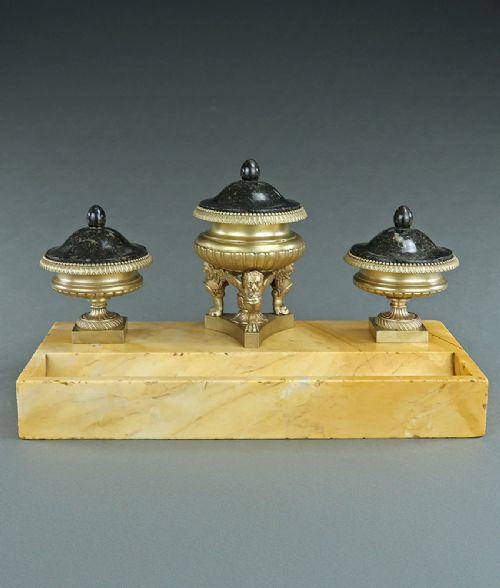
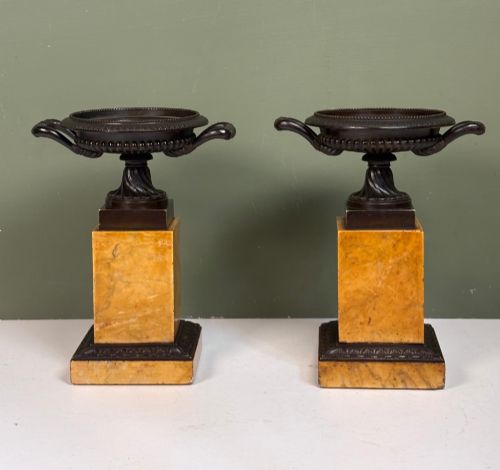
Sculptures and vessels frequently incorporate natural stone elements. Bases, plinths, and columns utilise varieties such as Siena marble, green marble, fossil marble, and serpentine.
Object types include sculptures, decorative urns, oil lamps, vases, figurines, and architectural models.
Assessing Quality in Castings
The weight and selection of the supporting stone base indicate the standard of production. Dense, richly coloured marbles paired with heavy, solid bronze elements signify workshops of higher reputation.
Barbedienne·Hamo Thornycroft·Émile Louis Picault·Jean-Baptiste Carpeaux
The 19th Century Grand Tour Bronze Glossary
- Patination
- The chemical treatment applied to the surface of metal to create colour and tone. Dark brown and greenish finishes mimic the oxidation of ancient buried artefacts.
- Reduction
- A scale copy made smaller than the original sculpture. Foundries produced these scaled-down versions for travellers to pack easily.
- Ormolu
- Gilded bronze used for decorative mounts and vessels. The process involves applying a mercury and gold amalgam to the metal surface.
- Tazza
- A shallow cup or vase raised on a stem and foot. These classical vessel forms served as ornamental centrepieces on marble plinths.
- Athénienne
- A decorative tripod stand supporting a basin or burner. Wealthy collectors used these neoclassical furnishings as decorative incense burners or lamps.
19th Century Grand Tour Bronze: Frequently Asked Questions
What is a grand tour bronze?
These metal sculptures and architectural models were produced in Europe during the nineteenth century as souvenirs for travellers touring classical sites. They replicate famous antiquities found in museums and archaeological excavations.
Foundries in Italy and France specialised in creating these scaled-down representations for collectors. They served as physical reminders of an educated journey through classical history and art.
How were these bronzes displayed?
Travellers placed these metal figures on desks, mantelpieces, and specialised display columns within their homes. The heavy stone bases provided stability for the metal sculptures.
Many pieces incorporated functional elements like inkwells, lamps, or tazzas alongside their decorative sculptural forms. This allowed owners to integrate classical art into everyday Victorian domestic life.
How do I identify the subject?
Most pieces depict figures from Greek and Roman mythology, historical rulers, or famous ancient statues. Inscriptions on the base or specific physical attributes usually identify the subject matter.
Commonly represented figures include mythological deities like Venus and Bacchus, alongside Roman emperors and philosophers. Comparing the pose to known classical antiquities often reveals the exact source.
Why are marble bases used?
Natural stone plinths provided a stable foundation and enhanced the classical aesthetic of the metalwork. Sourcing decorative marbles linked the souvenir directly to Italian quarries.
The contrast between dark patinated metal and colourful stone types like Siena or green marble was a defining characteristic of nineteenth-century decorative arts.