


19th Century Glass Lamp
These pieces combine period weight with the particular refraction of nineteenth century glass lamp design, bringing nineteenth-century illumination into modern rooms.
19th Century Glass Lamp
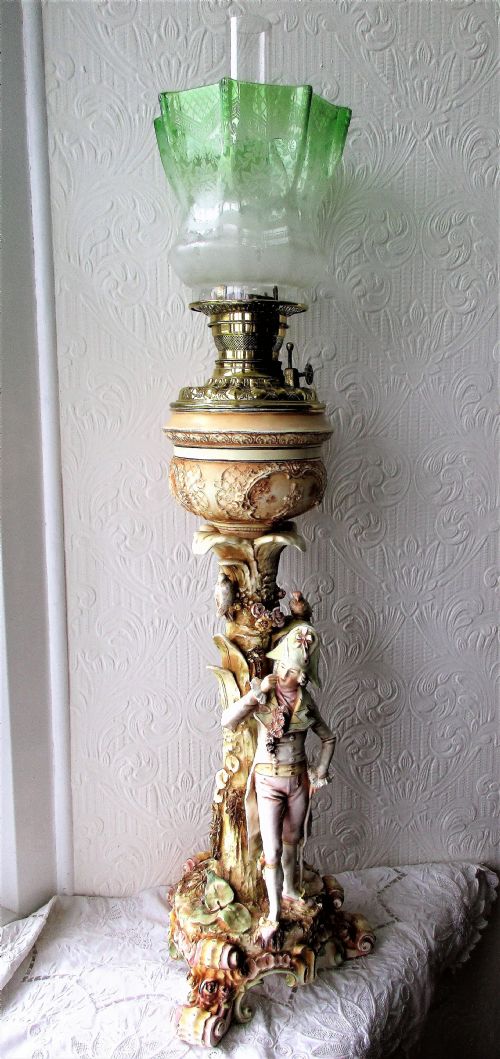
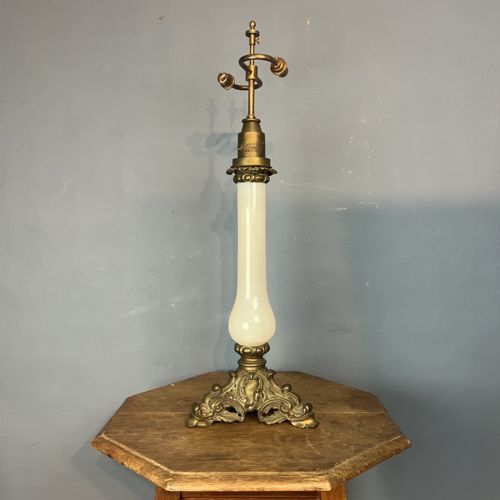
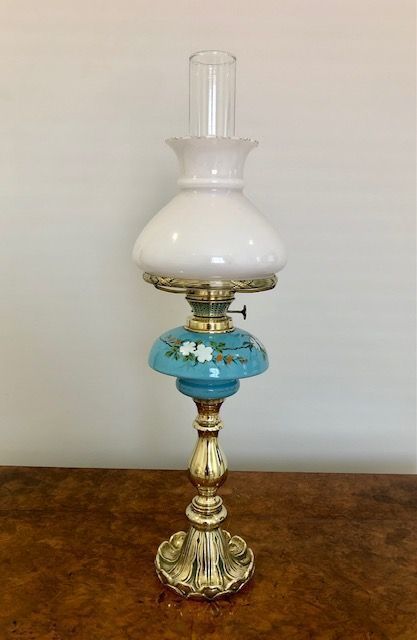
A 19th century glass lamp represents a period of functional lighting where blown, cut, or opaline reservoirs were mounted on metal columns, pedestal bases, or ceramic bodies. The typical example on this page combines a glass font - often in cranberry, blue, or white opaque glass - with brass, bronze, or silver-plated mountings.
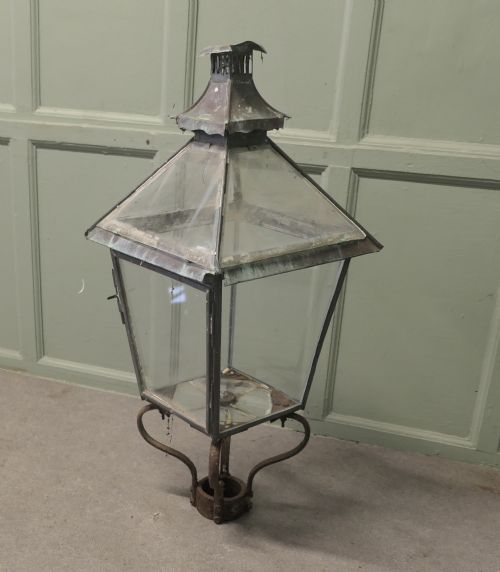
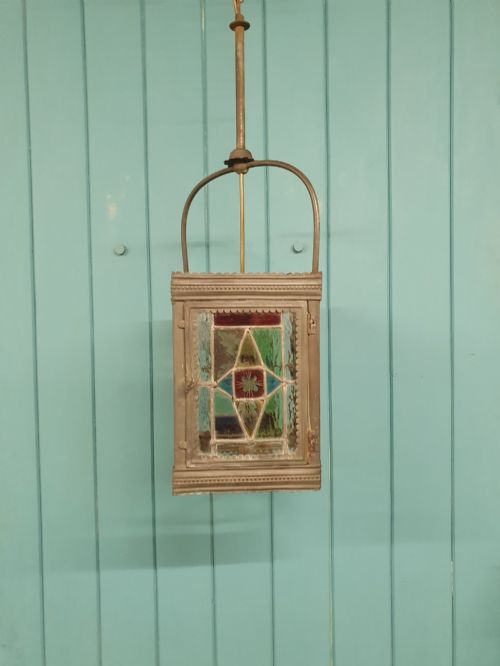
Forms span from table lights and peg lamps designed to sit inside existing candelabra to larger floor-standing oil lamps and hall lanterns. They originate from English, French, and German workshops, incorporating styles from Victorian revivalism to Rococo and Neoclassical designs.
Buyers look for these objects to introduce period colour and texture into a room, utilising the reflective qualities of nineteenth-century glass. The selection relies heavily on oil lamps and table lights from the middle and late decades of the century.
How They Were Made
Makers combined heavy cast brass, bronze, or silver-plated mountings with hand-blown or cut glass reservoirs. Coloured glass varieties, including cranberry and opaline, derived their hues from metallic oxides added during the molten stage.
Metal components were cast, turned on lathes, and chased before being joined to glass bodies using threaded collars, adhesives, or mechanical mountings. Gilt decoration and enamel work were frequently applied to the glass surfaces and fired.
Listings feature extensive examples of Victorian oil lamps combining cut cranberry glass with heavy cast brass columns.
What Varies in Quality
Quality rests in the crispness of the metal casting and the depth of the glass cutting or colour saturation. Heavier gauge brass and finely chased or ormolu-mounted bases indicate superior production.
The integration between the glass reservoir and its metal mount distinguishes standard utilitarian items from exhibition pieces produced by notable makers. Intricate hand-painted enamel decoration or overlaid glass techniques also separate finer examples from plain production.
Osler·Goldsmiths and Silversmiths Company·Emile Picault·Joseph Hinks·Wild And Wessel
The 19th Century Glass Lamp Glossary
- Opaline glass
- An opaque, milky-white glass popular in nineteenth-century lighting and decorative objects. It diffuses light softly and was often painted with gilt or floral motifs.
- Peg lamp
- A small oil lamp featuring a tapered base designed to drop directly into the socket of a candlestick or candelabrum. This allowed dual use of existing metal stands.
- Ormolu
- Gilded bronze applied to the mounts and bases of lamps. The technique involves a mercury amalgam fired onto the bronze to produce a rich golden surface.
- Cranberry glass
- A rich pink or red transparent glass created by adding gold chloride to the molten batch. It appears frequently in late Victorian table lamps.
19th Century Glass Lamp: Frequently Asked Questions
How do I wire a nineteenth-century glass lamp?
Most of these pieces were originally designed for oil or paraffin and require professional conversion for modern electrical use. A qualified restorer can run a discreet cord through the central column without damaging the historic structure or glass reservoir.
For peg lamps and small table variants, contemporary brass fittings and shade holders are usually adapted to fit existing collars. This ensures the piece functions safely while retaining its period brass and glass components.
Were these lamps used with shades?
Many period oil lamps utilised matching glass chimneys and hemispherical shades in frosted, cranberry, or etched glass. These shades diffused the bright flame and added decorative colour to the room.
Over the decades, original shades often became separated from their bases. Replacement globes are frequently matched by period, colour, and fitter size to complete the silhouette.
How do I date a glass lamp from this era?
Dating relies on stylistic clues in the metal mountings, the shade shape, and the manufacturing technique of the glass. Mid-century examples often feature heavier classical proportions, while late-century pieces lean towards aesthetic movement or complex opaline designs.
Stamped names on the burner mechanism, such as patent markings or maker details, provide a narrower timeframe. Patents from makers like Hinks or Mc Gary offer specific reference years for the hardware.
Can I use these lamps on ordinary tables?
Table lamps and peg models suit side tables, desks, and chest tops, provided the weight of the bronze or brass base offers sufficient stability. Larger floor-standing examples require dedicated corner placement.
Because nineteenth-century metal and glass assemblies carry substantial weight, sturdy placement prevents tipping. Their proportions work best when matched with furniture of similar nineteenth-century scale.