
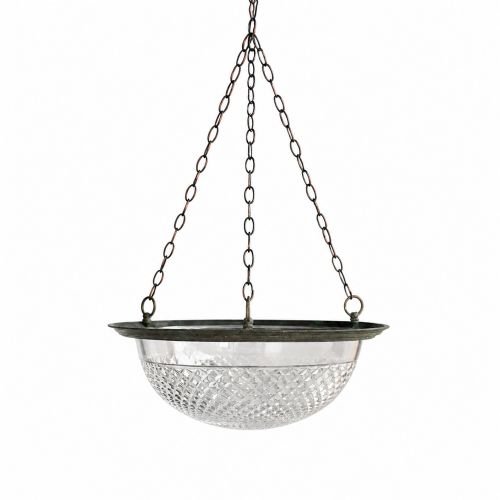


19th Century Glass Dish
A 19th century glass dish brings vibrant colour and intricate pressed or cut detail to a table, offering a tangible link to Victorian and continental craftsmanship.
19th Century Glass Dish
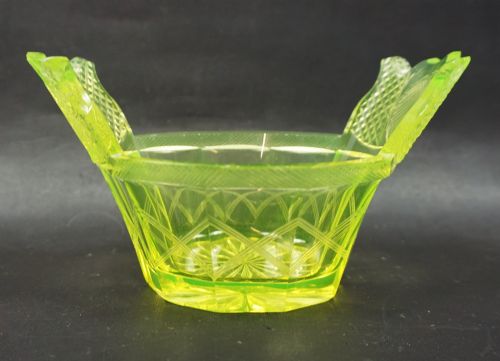
A 19th century glass dish encompasses functional tableware and decorative showpieces, spanning utilitarian butter dishes and grand tazzas. These vessels often served specific domestic roles at the dining table or upon a dressing table.
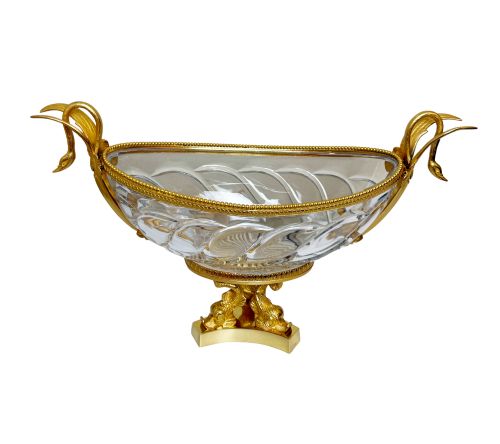
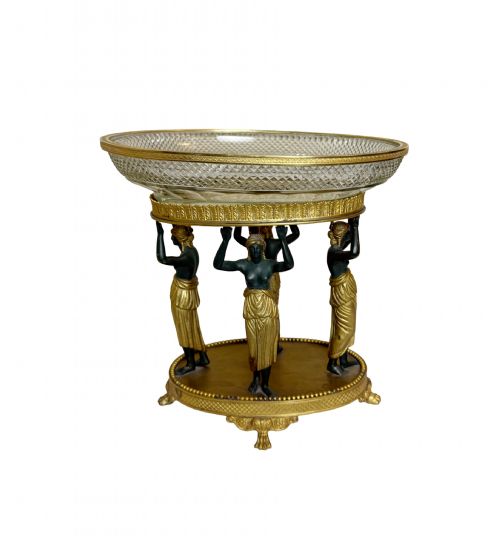
The varieties encountered on this page range from cranberry glass bon bon dishes and opaline scallop shell dishes to heavy cut crystal centrepieces mounted in gilt bronze. English, French, and Bohemian origins dominate the selection, reflecting distinct regional specialisations in glass production.
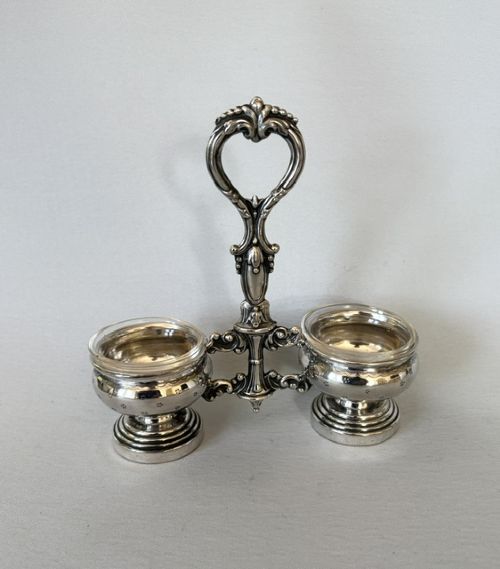
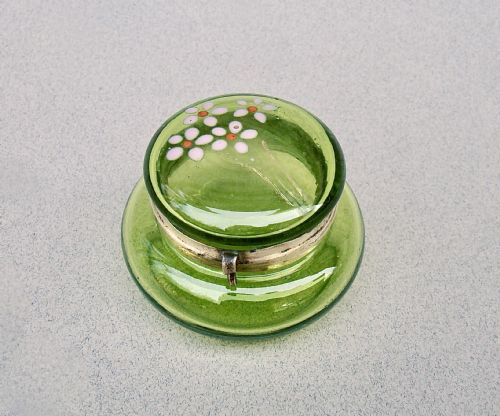
Forms extend beyond simple plates to include covered sweetmeat jars, condiment stands, and hinged trinket boxes framed in silver or ormolu. Each object demonstrates the period's appetite for combining transparent or coloured glass with metal mounts.
Materials and Techniques
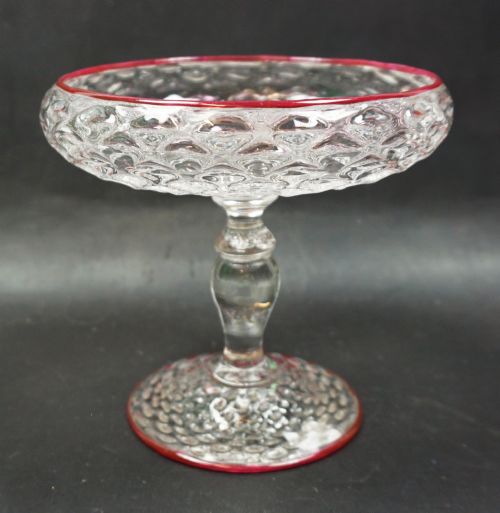
Makers utilised free blowing, mould pressing, and honeycomb moulding to shape the vessels, frequently employing lead crystal or coloured glass such as cranberry, ruby, and opaline. Delicate surface effects were achieved through enamel decoration, gilt edges, and internal threads of coloured glass known as latticinio.
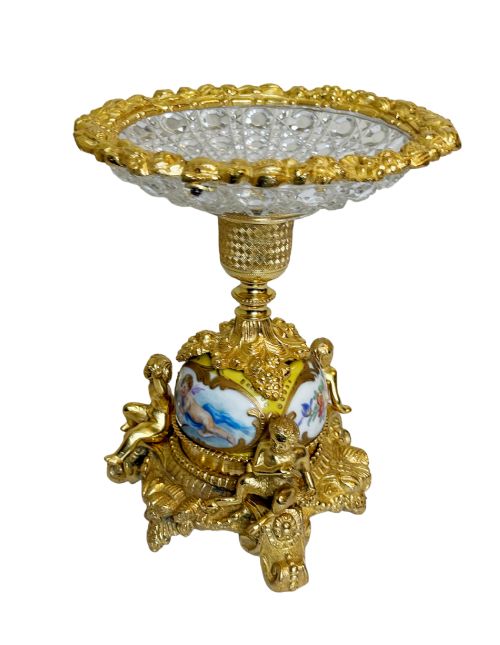
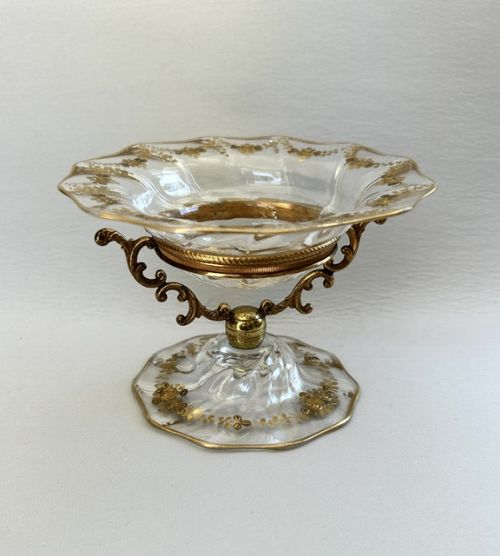
Mounts and structural additions relied on cast metals, specifically silver, gilt bronze, ormolu, and metal alloy details. These metal components were securely fitted to glass bowls and dishes using hinges, collars, or stands, particularly in French Rococo Revival and Empire styles.
Among the tableware, a persistent Victorian bear figure stands ready to hold condiments, proving that nineteenth-century dining retained a sense of humour.
Distinctions in Quality
The refinement of the glass cutting and the clarity of the crystal distinguish superior examples, where deep facets catch the light cleanly. In coloured pieces, the saturation and consistency of hues like cranberry and opaline determine the visual impact.
The integration between the glass body and its metal mounts dictates overall craftsmanship. Fine pieces feature crisply cast ormolu, detailed silverwork, or precise enamel painting that complements rather than overpowers the glass beneath.
Posen of Frankfurt and Berlin·Baccarat·François-Eugène Rousseau·Salviati Venice
The 19th Century Glass Dish Glossary
- Tazza
- A shallow bowl or plate mounted on a stem and foot, commonly used for serving fruit or sweets during the period. It often forms the centrepiece of a table setting.
- Opaline glass
- An opaque or translucent glass, typically pale green, blue, or white, possessing a delicate, milky appearance. It was frequently paired with gilt highlights or metal stands.
- Latticinio
- A decorative glass technique featuring fine opaque white or coloured glass threads embedded within clear glass. This method created intricate net or cane patterns inside the vessel wall.
- Ormolu
- Gilded bronze used extensively for decorative mounts, stands, and handles on nineteenth-century tableware. It provided a rich, golden contrast to cut crystal and coloured glass.
- Sweetmeat jar
- A covered container designed to hold confectionery, nuts, or small preserved fruits. These pieces often feature pedestal bases and cut or moulded decoration.
19th Century Glass Dish: Frequently Asked Questions
How were glass dishes used in the nineteenth century?
These vessels served diverse functions in the dining room and parlour, holding butter, fruit, sweets, and condiments during formal meals. Smaller variants functioned as dressing table trinket boxes or receptacles for calling cards.
Their placement on tables and sideboards demonstrated household hospitality and taste, often matching the decorative theme of the room or the specific course being served.
How do I identify French pieces?
French pieces from the nineteenth century often combine opaline, crystal, or coloured glass with elaborate gilt bronze, ormolu, or silver mounts. Stylistic cues include Rococo Revival curves and Empire motifs such as mermen or cherubs.
Workshops from this region frequently integrated distinct metal stands and hinged frames that elevated the glass container into an ornamental centrepiece.
Can these dishes be used today?
These items can accommodate dry foods, fruit, or confectionery on display tables, though hand washing in lukewarm water is essential to protect historical glass and metal mounts. Sudden temperature changes should be avoided to prevent thermal shock.
Placing felt pads beneath heavy metal stands protects modern surfaces from scratches, allowing the pieces to function as practical containers.