



Victorian Glass Bonbonniere
A victorian glass bonbonniere offers a charming centrepiece for any table, combining period craftsmanship with delicate confectionery storage.
Victorian Glass Bonbonniere
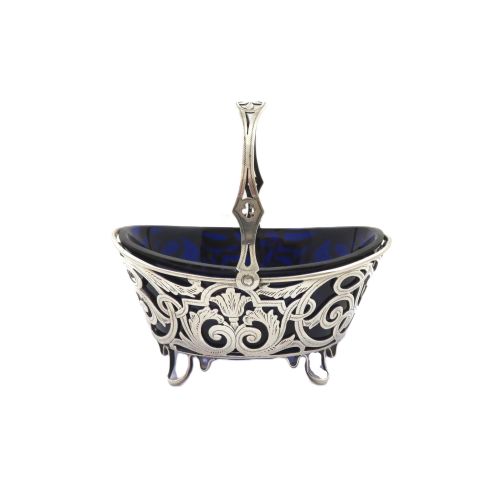
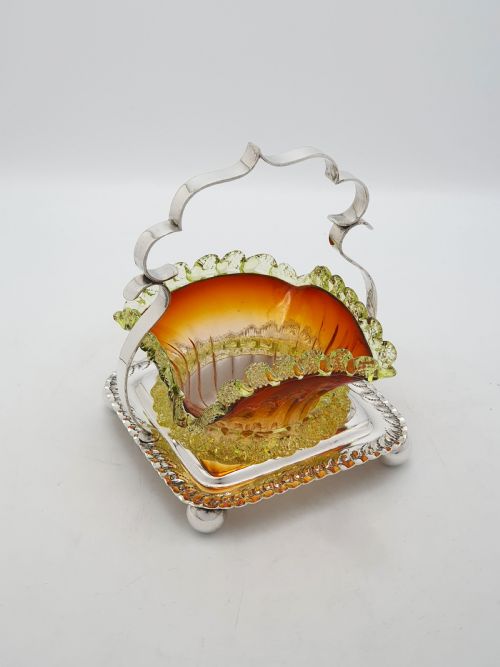
When you search for a victorian glass bonbonniere, you are looking at nineteenth-century tablewares designed to hold sweetmeats, bonbons, and confectionery during formal dining or drawing room gatherings. These pieces typically take the form of lidded jars, covered sweet bowls, decorative baskets, or footed dishes intended to display colourful preserves and sugar-plums.
On this page, the most common iterations span the Victorian and Edwardian eras, with notable examples dating from around eighteen-sixty up to nineteen hundred and five. You will encounter versatile vessels ranging from lidded cut crystal urns to swing-handled baskets paired with silver plate or sterling silver mounts.
How they were made
The primary material is glass, handled in various forms including hand-blown glass, heavy lead crystal, cut glass, and opaque pink or amber glass, sometimes appearing in striking cobalt tones. Makers utilised traditional glassblowing techniques alongside meticulous wheel-cutting to achieve deep facets and brilliant light refraction across the surface of the lidded jars and sweet dishes.
Metal components provide structural contrast, incorporating silver plate, Dutch silver, sterling silver liners, and swing handles produced by manufacturing firms such as W M F. These metal mounts were cast, plated, or wrought to secure the delicate glass bowls, baskets, and sweetmeat jars.
Victorian Glass Bonbonniere Retail Price Guide 2026
Typical asking prices for victorian glass bonbonniere among the pieces listed under this phrase on Sellingantiques today, from the lower quarter to the upper quarter. They describe what is for sale here now, not the wider market.
Victorian diners clearly possessed an unstoppable sweet tooth, demanding an astonishing variety of crystal vessels solely dedicated to sugar-plums.
What varies in quality
The distinction between standard examples and top-tier pieces rests on the crispness of the glass cutting and the weight of the lead crystal. Deep, precise facets on lidded vases and jars reflect a higher degree of artisan skill than shallower, moulded patterns found on simpler domestic tableware.
The sophistication of the associated metalwork also dictates overall grade, where substantial sterling silver mounts or marked silver-plated frames elevate the decorative status of a bonbon dish above pieces relying solely on glass bodies.
W M F
The Victorian Glass Bonbonniere Glossary
- Bonbonniere
- A decorative container specifically designed for holding sweets or bonbons. These vessels often feature fitted lids to keep confectionery fresh.
- Sweetmeat jar
- A historical term for a lidded jar or bowl used to serve small sweet delicacies, fruits in syrup, or candies. They frequently appear on nineteenth-century dining tables.
- Lead crystal
- A heavy, brilliant form of glass containing metallic oxide, which increases the weight and refractive index. This material allows for deep, sharp wheel-cutting.
- Silver plate
- A base metal substrate coated with a thin layer of silver. Many Victorian baskets and frames utilise this technique to achieve the look of solid silver at a lower cost.
Victorian Glass Bonbonniere: Frequently Asked Questions
What is a bonbonniere used for?
A bonbonniere served as a decorative vessel for holding small sweets, sugared almonds, or bonbons during nineteenth-century social gatherings.
Hostesses placed them on tables to offer confectionery to guests at the conclusion of a meal.
How do I date a glass piece?
Dating relies on stylistic clues, manufacturing methods, and associated metal mounts from periods such as the Victorian or Edwardian eras.
Makers' marks on silver-plated or sterling silver frames also help narrow down the production year.
Are these pieces dishwasher safe?
Antique glass and delicate silver-plated mounts require careful hand washing in warm, soapy water.
Extreme temperatures and harsh machine detergents can damage nineteenth-century glass and ruin plated metal surfaces.
What is the difference between cut glass and crystal?
Lead crystal contains metallic oxides that give the material greater weight and a higher refractive index than standard glass.
This composition allows artisans to cut deeper, sharper facets that catch the light more brilliantly.