



Antique Sweet Dish
An antique sweet dish brings small confections to the table with the refined craftsmanship of past centuries.
Antique Sweet Dish
When you search for an antique sweet dish, you discover small vessels designed specifically to hold confections, nuts, and after-dinner treats upon the formal table. The pieces gathered here range from modest domestic examples to elaborate table ornaments spanning the eighteenth, nineteenth, and early twentieth centuries.
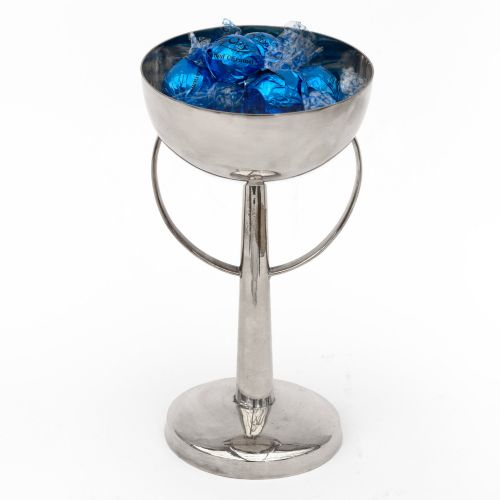
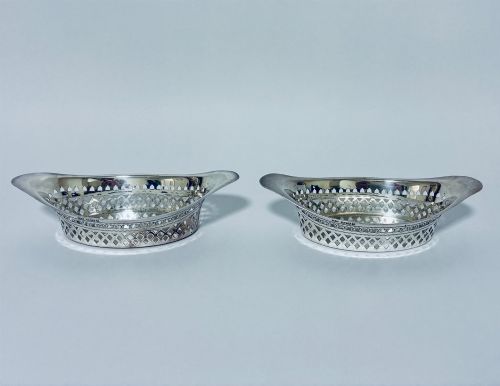
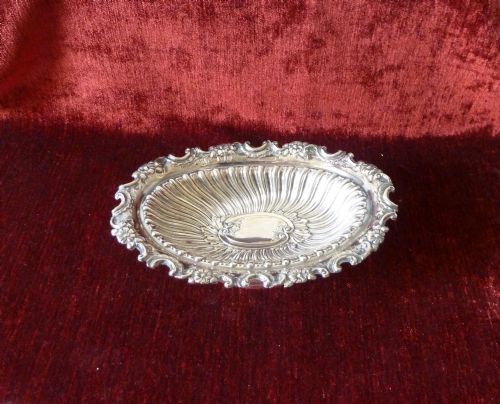
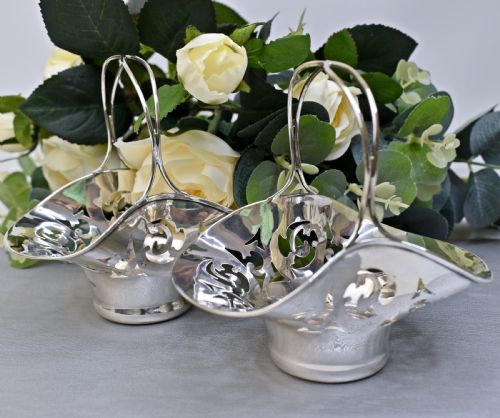
The version you are most likely to meet on this page is a silver bonbon dish or pierced basket from the Victorian era, often bearing hallmarks from London, Birmingham, or Sheffield. Alongside these, glass and porcelain varieties appear regularly, offering smaller bowls and sweetmeat dishes shaped for formal dining.
How they were made
Makers shaped sterling silver and silver plate through piercing, hammering, and casting, frequently creating intricate openwork lattices and floral motifs. Workshops utilised Sheffield and London assay offices to stamp silver with hallmarks that record the exact year and maker.
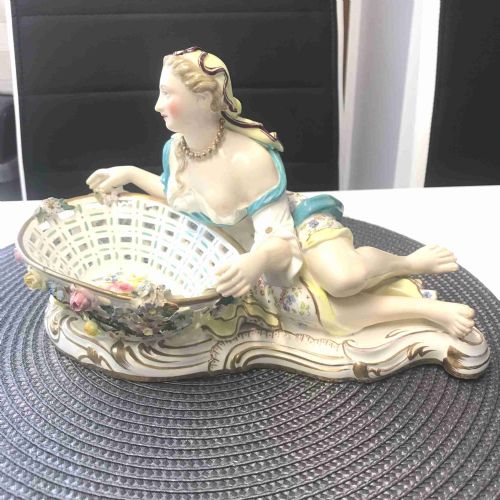
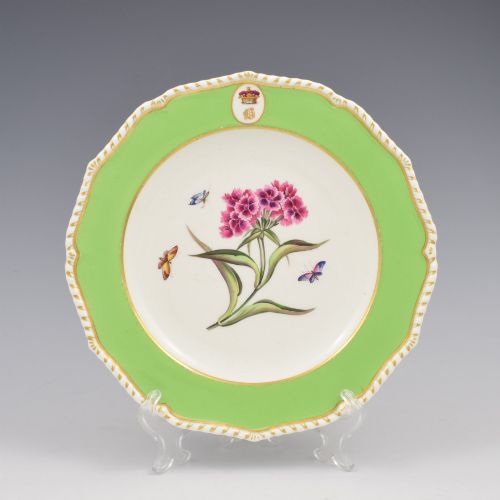
Glass production combined free-blowing and mould-pressing with deep cut crystal techniques, producing cranberry glass and opaque pink vessels that caught the candlelight. Porcelain pieces from factories such as Meissen, Royal Worcester, and Limoges involved hand-painting over glazed bodies, sometimes incorporating gold leaf accents.
Victorian children posed as porcelain basket-bearers so guests could pluck sugared almonds from their tiny glazed hands.
What varies in quality
The distinction between ordinary and exceptional quality rests upon the crispness of the hand-pierced silver work and the depth of the cut crystal facets. Heavy gauge silver maintains its structural integrity without bending, whereas thinner plates show wear more rapidly across the handles and rims.
In ceramic and glass examples, the precision of the painted botanical details and the clarity of the coloured glass determine the tier of the piece. Recognisable maker attributions and intact gilding elevate domestic tableware into collector pieces.
Fenton Brothers·Roberts and Belk·Dr Christopher Dresser·Royal Worcester·Charles Stuart Harris·Meissen·Limoges·James Hadley
The Antique Sweet Dish Glossary
- Bonbon dish
- A small open vessel or basket intended for holding sweets and bonbons. These pieces often feature swinging handles and pierced silver walls.
- Sweetmeat dish
- A formal tableware item designed for serving preserved fruits, sweetmeats, and confectioneries. They appear in glass, porcelain, and silver.
- Hallmark
- A series of official marks stamped onto precious metals to indicate the standard of purity, the assay office, and the year of manufacture.
- Cranberry glass
- A rich red-pink transparent glass created by adding gold chloride to the molten batch. It is typical of nineteenth-century tablewares.
- Bonbonniere
- A decorative box or jar made to contain sweets. These covered vessels frequently appear in porcelain and glass.
Antique Sweet Dish: Frequently Asked Questions
What is a sweetmeat dish?
A sweetmeat dish is a small serving vessel designed for sweet confections, nuts, and preserved fruits during formal dining.
These pieces were placed centrally on the table or passed among guests during dessert courses.
How do I identify Victorian silver?
Victorian silver pieces carry stamped hallmarks that include assay office symbols, date letters, and the lion passant denoting sterling standard.
Comparing the stamped date letter against standard hallmarking charts reveals the exact year the item was tested and passed.
What is cranberry glass?
Cranberry glass is a pinkish-red transparent glass produced by introducing gold into the molten glass mixture.
It gained popularity during the nineteenth century for decorative tablewares and preserves dishes.
How were bonbon dishes used?
Bonbon dishes held small sugar-coated almonds and delicate sweets offered to guests after a meal.
Their openwork silver baskets and low pedestal forms allowed diners to easily select confections from across the table.