


19th Century Glass Box
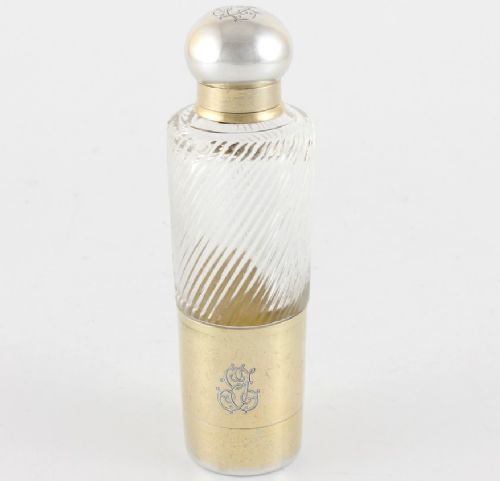
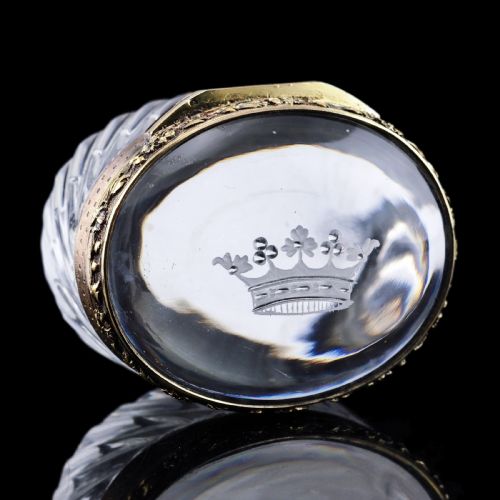
These pieces gather the bright enamels and heavy mounts of a 19th century glass box to hold small treasures on a dressing table.
19th Century Glass Box
When you search for a 19th century glass box, you encounter small decorative caskets designed for trinkets, jewellery, and dressing table storage. These pieces emerge predominantly from French workshops during the later decades of the century, frequently taking the form of hinged lidded boxes in vibrant coloured glass.
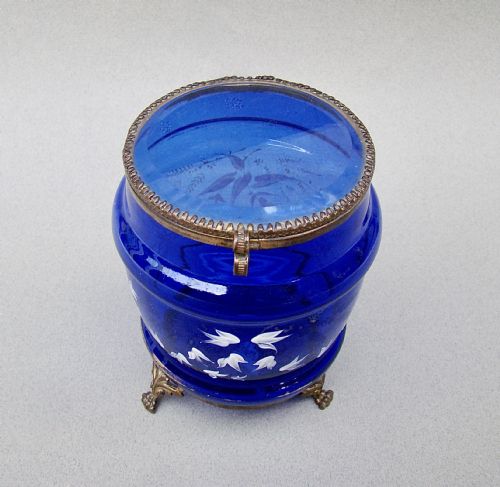
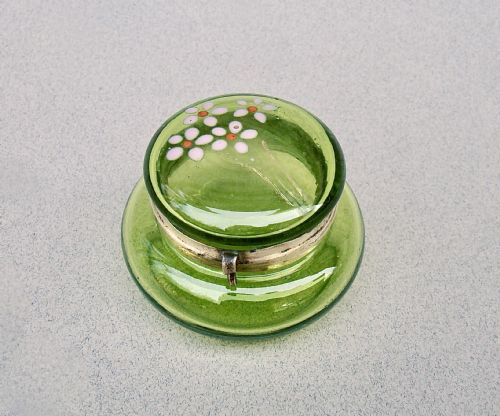
The selection ranges from simple, brass-bound glazed containers to heavily decorated opaline, Bristol blue, and uranium glass vessels. Many carry hand-painted enamel details or white silhouette figures associated with specific decorative styles of the period.
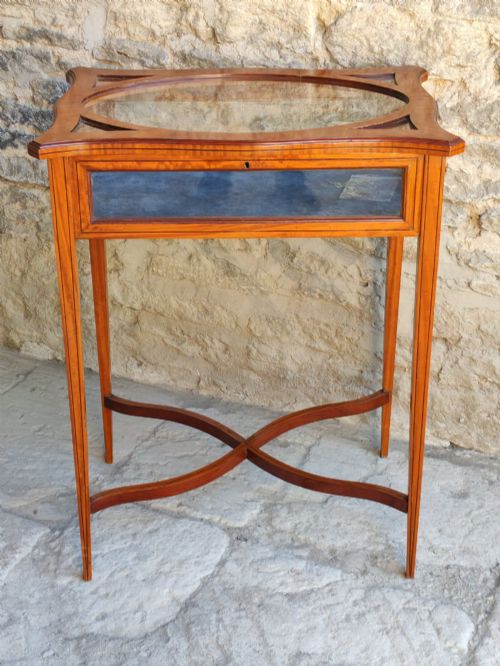
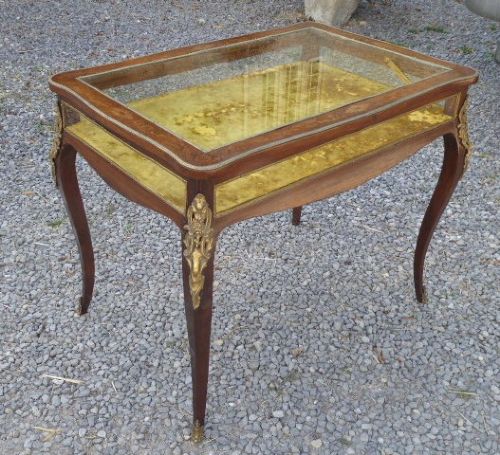
Alongside dedicated trinket boxes, the category encompasses related display containers, bijouterie tables, and small fitted receptacles made to sit upon Victorian and Georgian surfaces.
How They Were Made
Makers combined blown or cast glass bodies with metal frames, securing heavy panels within cast brass or gilt ormolu mounts. The glass itself appears in deep cobalt, emerald green, amethyst, and opaque white, often shaped into square, rectangular, or egg-like configurations.
Surface ornamentation relied heavily on hand-applied enamel decoration, where artisans painted floral motifs or white figural scenes directly onto the cooled glass before a secondary firing. Cast brass hinges, clasps, and supportive feet were then mechanically fitted to complete the structural assembly.
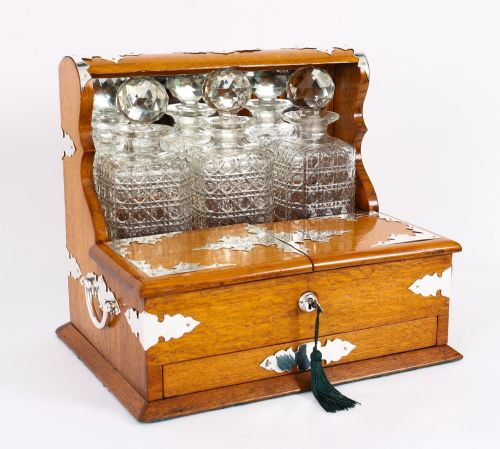
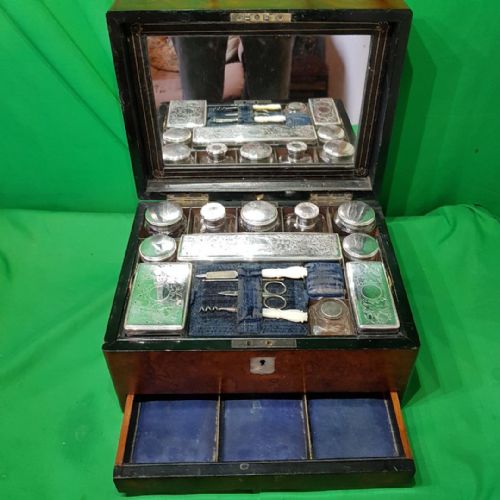
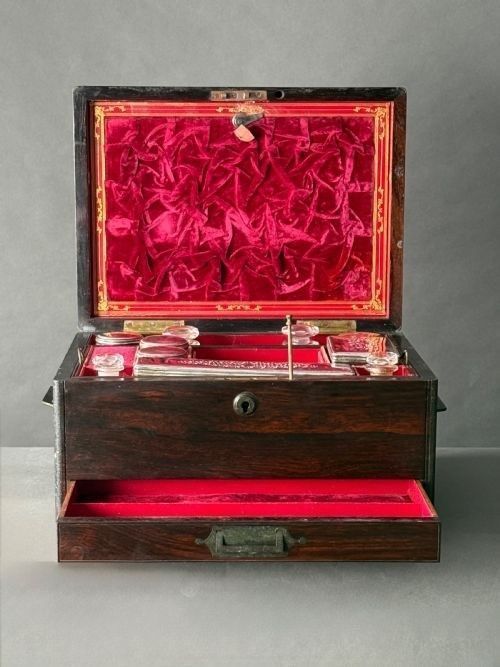
Materials across the inventory pair heavy lead crystal and coloured glass with mahogany, rosewood, brass, and velvet interiors.
What Varies in Quality
Quality rests primarily in the weight and crispness of the metal mounts, alongside the finesse of the hand-painting on the glass body. Finer examples display cleanly cast ormolu with sharp chasing and secure, well-aligned hinges that allow the lid to meet the frame evenly.
The depth and consistency of the glass colour, paired with the delicacy of any enamel work or white glass detailing, distinguish standard production pieces from higher-tier decorative wares originating from notable continental makers.
Elkington·John Millikin·Baccarat·Moser·Tonnel Paris·William Rudkins
The 19th Century Glass Box Glossary
- Ormolu
- Gilded bronze or brass mounts used extensively on French furniture and decorative boxes of the period. This technique involved applying a mercury-gilding mixture to cast bronze components.
- Opaline glass
- An opaque or semi-translucent glass developed in various pastel and solid colours during the 19th century. It provided a smooth canvas for subsequent enamelling and gilding.
- Bijouterie table
- A glass-topped display table or cabinet designed specifically for showing small valuables and collections. These items share the glazed construction principles of smaller desktop trinket caskets.
- Cut glass
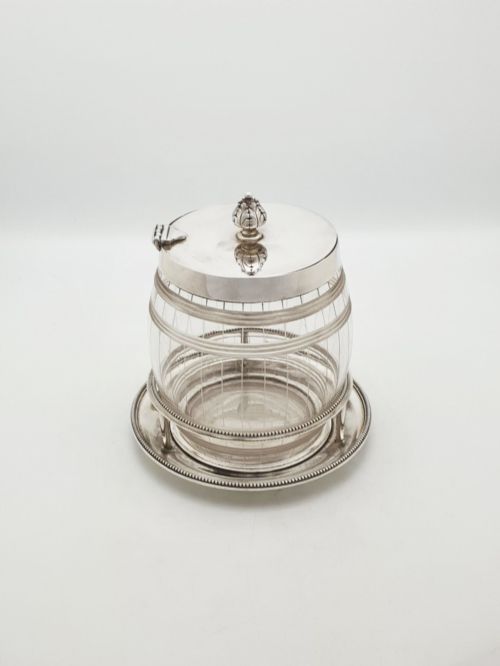
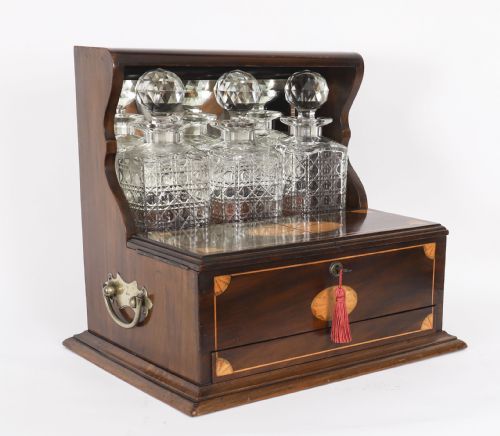
- Glass decorated by cutting facets or patterns into the surface using rotating wheels. This technique was frequently utilised on heavy liquor decanters and biscuit barrels.
- Enamel
- A decorative glass-like substance fused to the surface of metal or glass through heat. Artisans used it to introduce detailed polychrome decoration to plain vessels.
19th Century Glass Box: Frequently Asked Questions
What were these glass boxes originally used for?
These caskets served as elegant receptacles for keeping small personal items like rings, pins, and visiting cards secure on a bedroom vanity.
Wealthier households utilised them as decorative accessories in drawing rooms, where guests could admire the coloured glass and metalwork.
How do I clean a glass and ormolu box?
Dust the exterior gently with a soft, dry brush to prevent moisture from seeping into the metal mounts and hinges.
Avoid using abrasive chemical cleaners on the glass or gilt surfaces, as these can easily strip the hand-applied enamel work.
Are all these boxes French in origin?
While a large portion of the brightly coloured and enamelled trinket boxes hail from France during the late 19th century, English and other European makers also produced fitted cases and glass containers.
Stylistic cues in the metal mounts and the tint of the glass typically point toward the specific country of manufacture.
How can I tell the period of a box?
Dating relies heavily on combining the style of the metal mounts, the colour palette of the glass, and construction methods like hinge design.
Earlier pieces from the Georgian and Regency eras lean toward heavy mahogany and cut crystal, while late 19th-century examples favour vibrant opaline and enamelled finishes.