


19th Century Glass Artwork
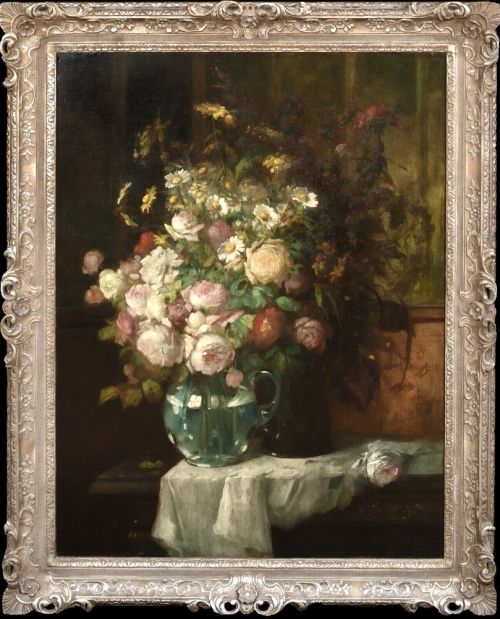
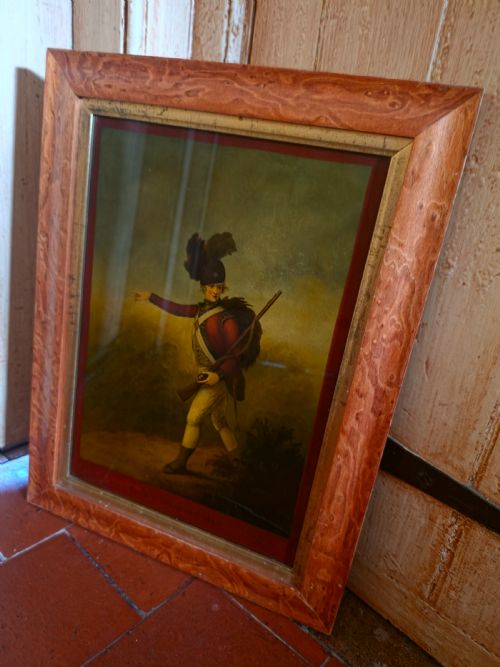
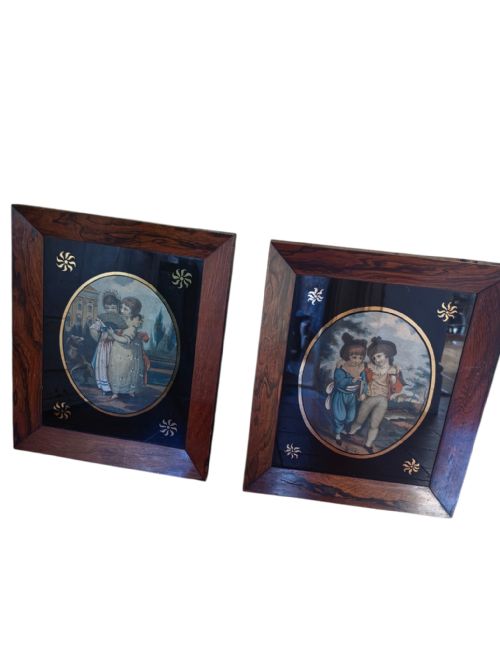
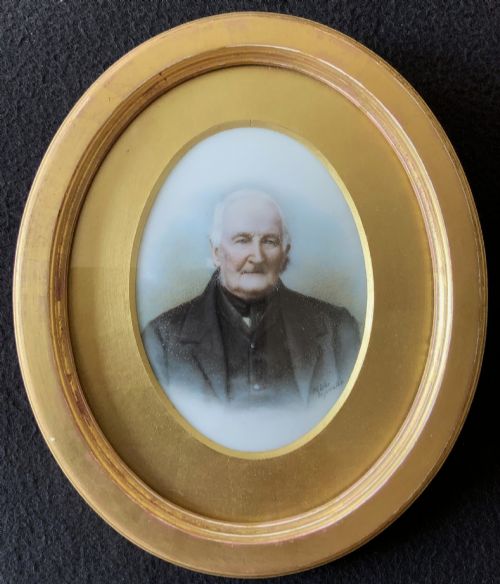
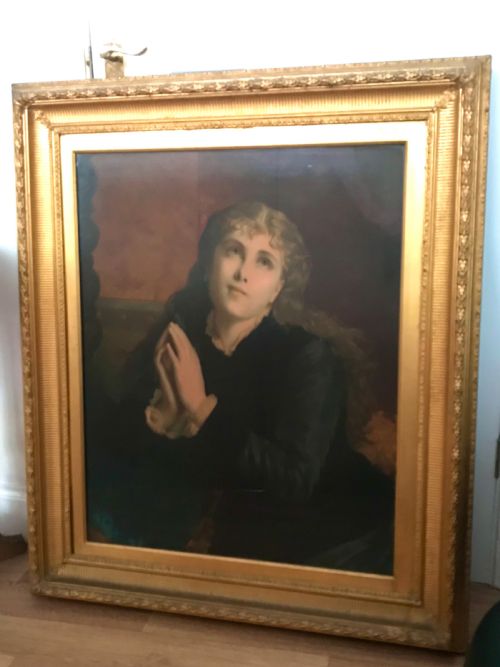
These 19th century glass artwork pieces encompass reverse glass paintings, miniatures, and chrystoleoms designed to catch the light and display intricate detail.
19th Century Glass Artwork
When you search for 19th century glass artwork, you encounter a specialised selection of wall art, framed pictures, and decorative objects featuring glass elements. The examples available on this page lean heavily towards reverse glass paintings, chrystoleoms, and miniature portraits set beneath protective glass panels.
The periods represented span the Georgian, Regency, and Victorian eras, alongside mid-century pieces from the 1850s, 1860s, and 1870s. Alongside these, buyers find framed oil paintings, watercolours, and engravings protected by glass, as well as specialised Chinese Export mirror-glass pictures.
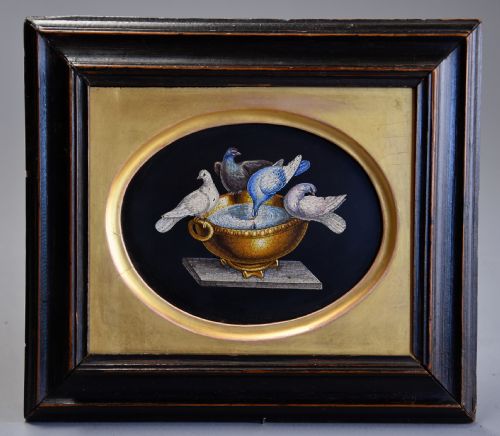
Makers and artists range from named painters to anonymous workshops producing popular prints and religious subjects. The diversity of forms ensures that whether you seek a still life oil painting under glass or a detailed micromosaic plaque, the selections reflect distinct nineteenth-century domestic tastes.
Materials and construction
The primary medium involves glass paired with traditional framing materials such as rosewood, gilt wood, giltwood, and ebonised wood. Many works utilise canvas, oil, watercolour, and paper behind convex or flat glass panes.
Techniques vary significantly by type, encompassing reverse glass painting where the image is applied directly to the rear of the glass, and chrystoleoms which involve hand-colouring applied to photographs or prints mounted on glass.
Listings feature items from the Georgian, Regency, and Victorian periods, utilising glass, gilt wood, and canvas.
Judging the quality
Quality rests upon the clarity of the glass, the preservation of the pigment behind the panel, and the precision of the brushwork in miniature or reverse glass formats. Intricate details in subjects such as floral still lifes or military portraits demand careful execution.
The integrity of the original frame, whether rosewood or ebonised wood, contributes substantially to the overall character and authenticity of the piece.
Konstantin Stoitzner·Edward Ladell·Henry Corbould·Schweninger
The 19th Century Glass Artwork Glossary
- Chrystoleum
- A Victorian method of applying hand-colouring to a photograph or print that has been made translucent and mounted on glass. This technique allowed makers to create richly coloured interior scenes and portraits.
- Reverse Glass Painting
- An artwork created by painting or drawing on the back of a piece of glass so that the finished image is viewed through the front. It requires the artist to work in reverse, laying down fine details before background colours.
- Micromosaic
- A delicate form of mosaic made using tiny coloured glass threads fused together to form pictorial plaques. These pieces frequently depicted classical scenes or architectural views during the nineteenth century.
- Oleograph
- A mechanical colour print produced on canvas to imitate an oil painting. When displayed under glass, these reproductions mimic the texture and appearance of genuine canvas works.
19th Century Glass Artwork: Frequently Asked Questions
What is reverse glass painting?
Reverse glass painting involves applying pigment directly to the rear surface of a glass panel. The finished composition is then viewed through the front of the glass.
This technique protects the delicate paint layer from atmospheric damage while giving the colours a distinct glossy depth.
How do I identify a chrystoleum?
A chrystoleum typically presents as a coloured picture mounted under convex glass. The underlying image was rendered translucent before artists applied layers of paint by hand.
Subjects often include romantic courtships, portraits of beauties, and continental domestic scenes popular during the Victorian era.
Are these works framed in period wood?
Many examples are housed in their original surrounds, which commonly feature rosewood, ebonised wood, or giltwood frames. These materials complement the nineteenth-century aesthetic of the glass panels.
Original frames preserve the historical context and proportion of the artwork.
How should I display glass artwork?
These pieces require secure wall mounting away from direct, harsh sunlight to protect fragile pigments and watercolours from fading. Proper placement ensures the glass surface remains safe from accidental impact.
Maintaining a stable indoor climate also helps preserve wooden frames and ebonised finishes.