



19th Century Giltwood Tables
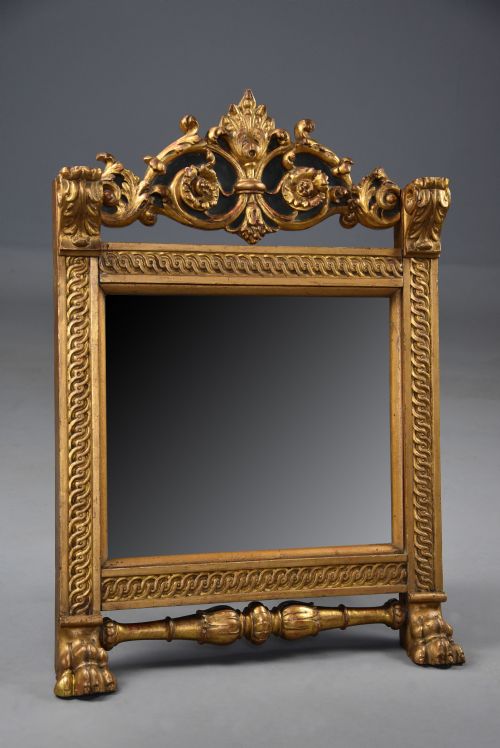
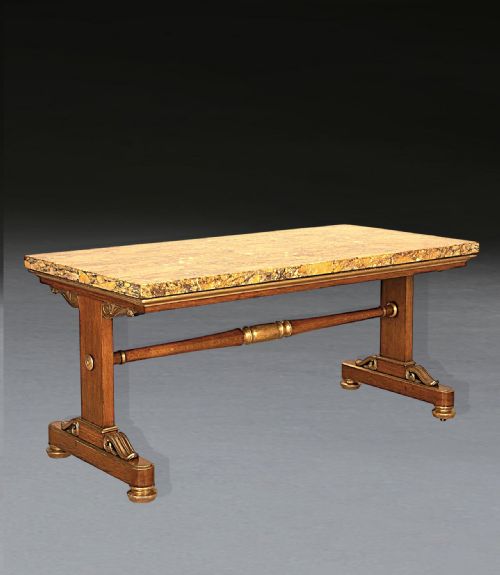
These 19th century giltwood tables bring a heavy gleam of gold leaf and marble into a room, offering surface space built with classical proportion.
19th Century Giltwood Tables
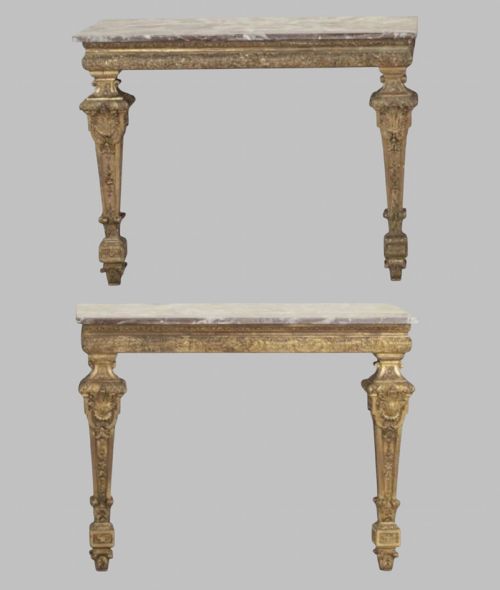
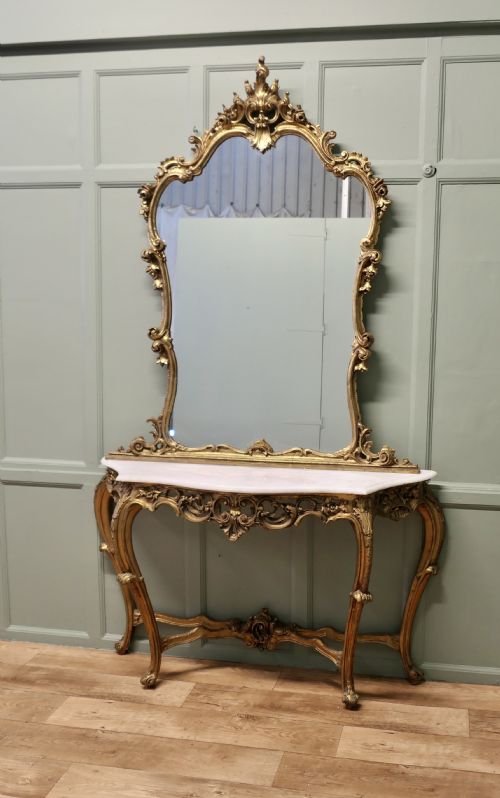
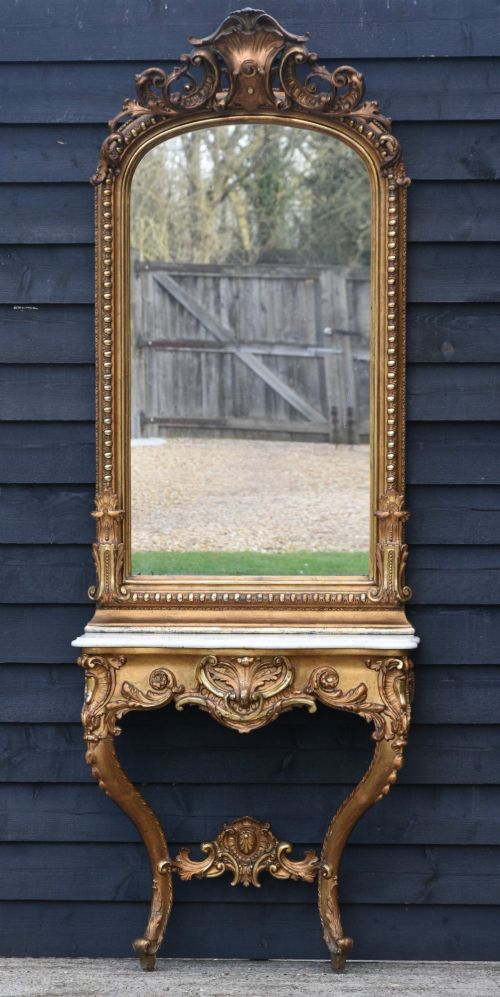
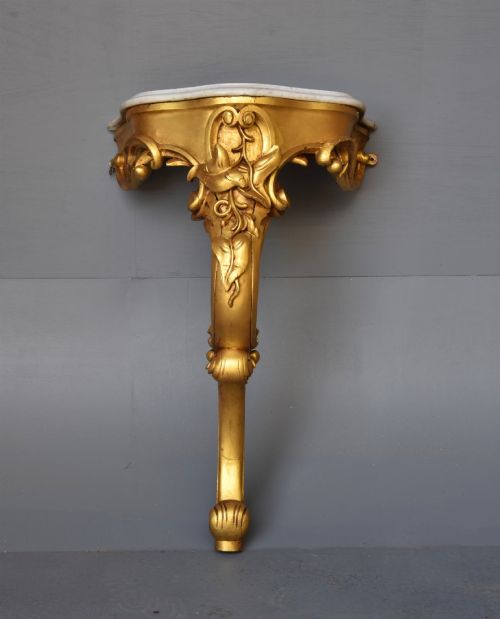
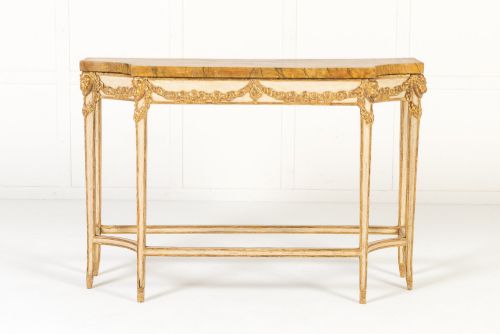
When you search for 19th century giltwood tables, you encounter furnishings shaped by Regency, Victorian, and continental revival aesthetics. The console table positioned against a wall with a marble slab is the form most frequently met on this page, often paired with a matching mirror.
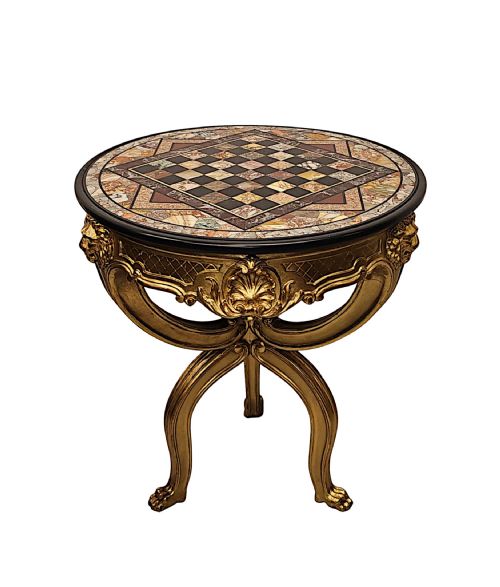
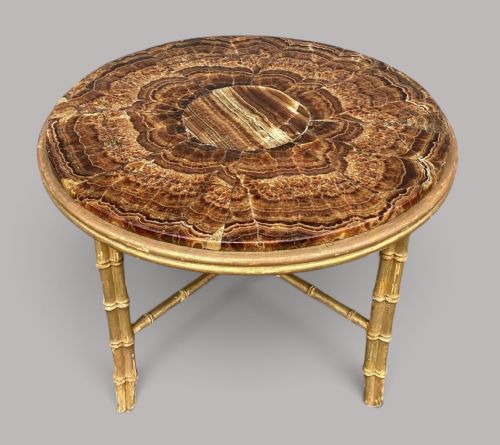
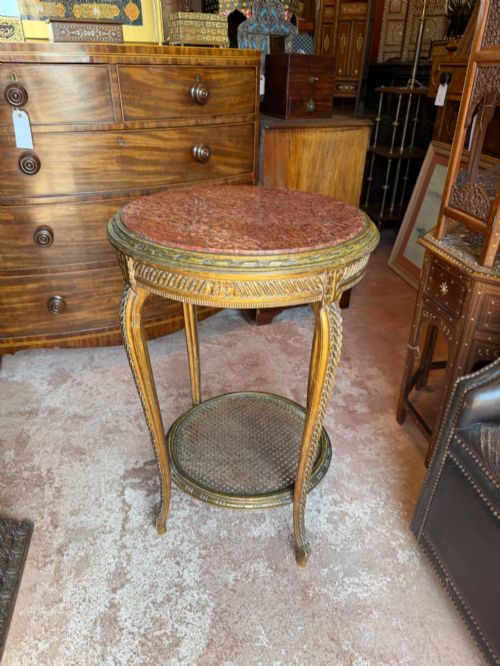
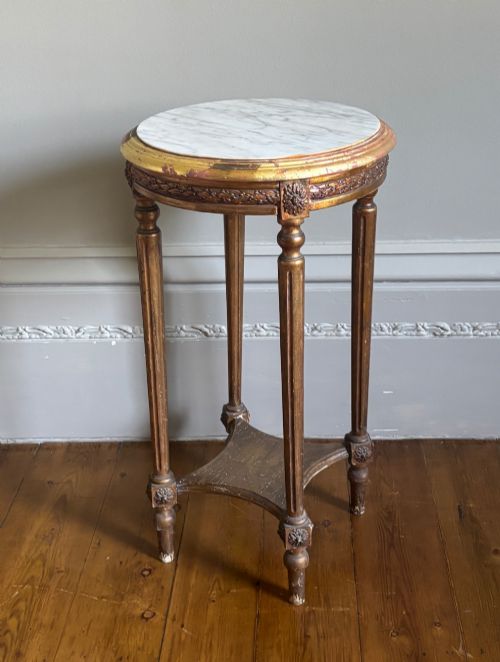
Beyond wall-mounted consoles, the inventory holds round centre tables, low occasional pieces, and smaller urn stands. These items draw on French Rococo, Empire, and Neoclassical styles, utilising woods like mahogany, rosewood, and oak underneath the gilt finish.
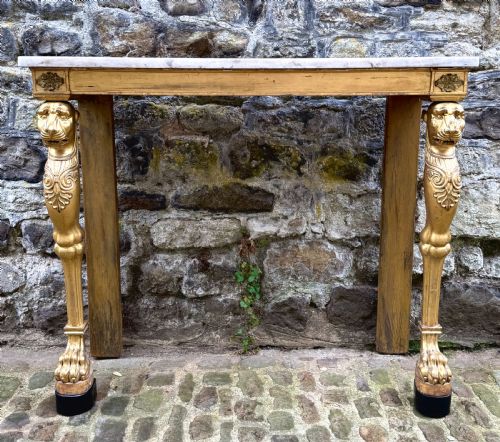
Origin points span Italy, France, Sweden, and Britain, showing the wide reach of classical revival design across the nineteenth century. Pieces range from large hall furnishings with carved animal supports to compact wine tables featuring onyx tops and flower mouldings.
How they were made
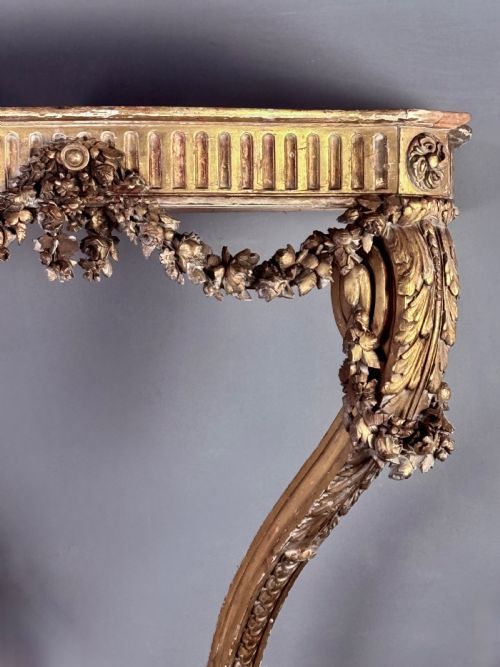
Maker workshops built the structural carcasses from timbers such as oak, pine, mahogany, and rosewood, shaping them into serpentine outlines and tripod bases. Carved wooden elements or moulded gesso applied over the timber created the detailed surface relief required for gilding.
Gold leaf was laid over a prepared bole base, creating the reflective metallic sheen characteristic of these pieces. Heavy marble tops in white, red rouge, and Siena varieties rested on top of the wooden bases, sometimes complemented by inlaid porcelain plaques or brass mounts.
19th Century Giltwood Tables Retail Price Guide 2026
Typical asking prices for 19th century giltwood tables among the pieces listed under this phrase on Sellingantiques today, from the lower quarter to the upper quarter. They describe what is for sale here now, not the wider market.
A nineteenth-century Italian console table incorporates carved wooden dolphins into its flame mahogany and giltwood base.
What varies in quality
The crispness of the carved wooden or gesso decoration defines the upper tier of pieces, where fine detailing remains sharp beneath layers of gold. Heavy cast or carved figures, such as dolphins or eagles, show distinct hand-tooling rather than soft, mass-produced moulding.
The integrity of the original gilding and the weight of the fitted marble slab separate standard items from superior examples. Intact surface finishes and matching mirror sets indicate workshops of higher standing.
Felix-Alfred Ternisien·Holland + Son
The 19th Century Giltwood Tables Glossary
- Giltwood
- Wood covered with gold leaf or gold paint for a decorative metallic finish. This surface requires gentle dusting to preserve the delicate leaf.
- Console table
- A table designed to stand against a wall, frequently supported by wall brackets or front legs. These items often feature heavy marble tops.
- Guéridon
- A small French round table, typically supported by a central column or tripod base. Originating in the seventeenth century, these forms persisted throughout the nineteenth century.
- Gesso
- A plaster mixture applied to wood surfaces to create a smooth base for carving and gilding. It allows for intricate moulded ornament.
- Trumeau
- A decorative wall mirror with a painted or carved panel above the glass. They frequently accompany console tables in period interiors.
19th Century Giltwood Tables: Frequently Asked Questions
Where should a console table go?
Console tables sit flat against a wall, frequently in hallways, reception rooms, or beneath large mirrors. Their shallow depth allows them to occupy narrow spaces without blocking walkways.
Pairing a console with a matching giltwood wall mirror creates a balanced focal point in a formal room. Placing a lamp or decorative urn on top completes the arrangement.
What is a centre table used for?
Centre tables stand free in the middle of a room rather than against a wall, functioning as display surfaces for books, lamps, or floral arrangements. In nineteenth-century interiors, they often anchored the layout of a principal parlor.
Because they are finished on all sides, these tables demand placement where people can walk around them entirely.
How do I identify Regency style?
Regency pieces date from the early nineteenth century and draw heavily on ancient Greek, Roman, and Egyptian design motifs. Look for clean architectural lines, parcel-gilt details, and dark woods like rosewood and mahogany.
Carved supports often feature classical animals, bold scrolling, or reeded legs rather than the elaborate curves of later Rococo revival items.