
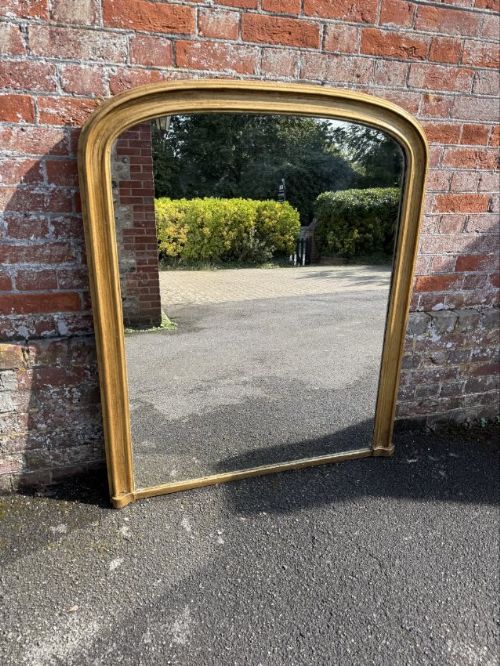
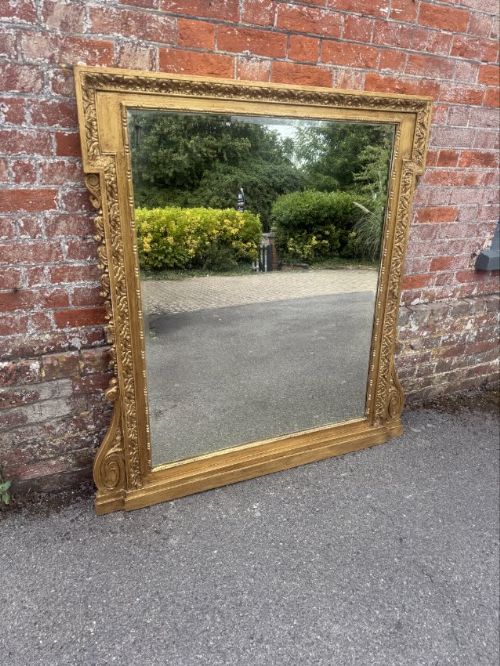
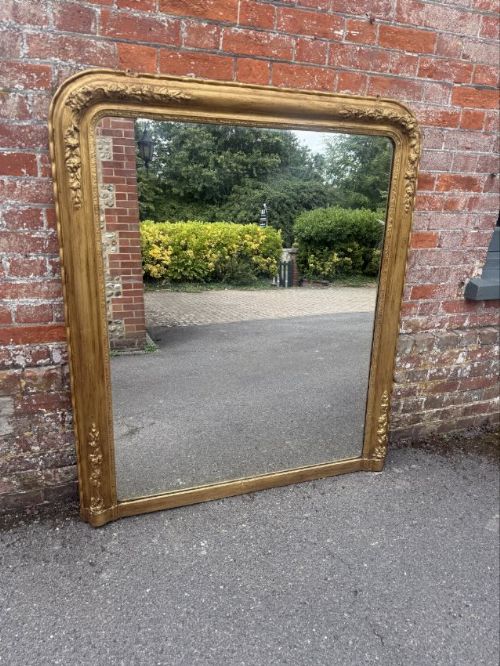
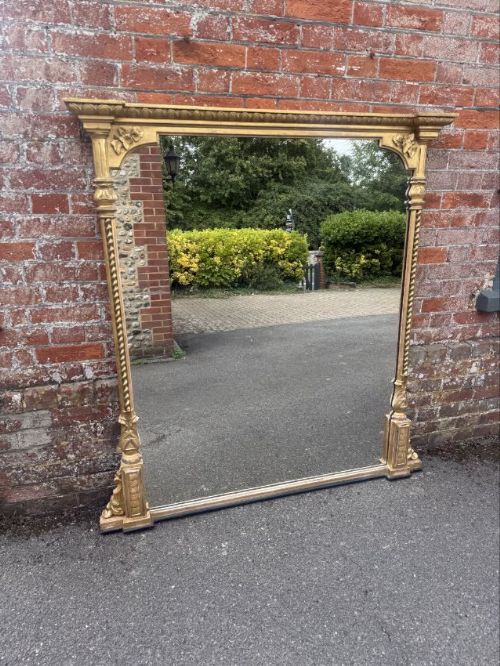
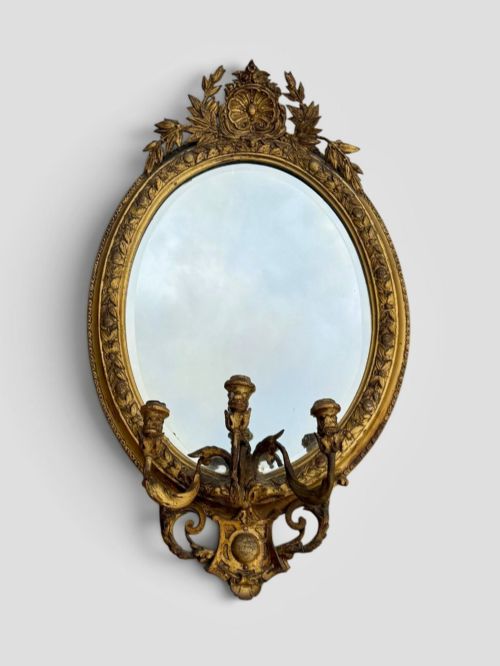
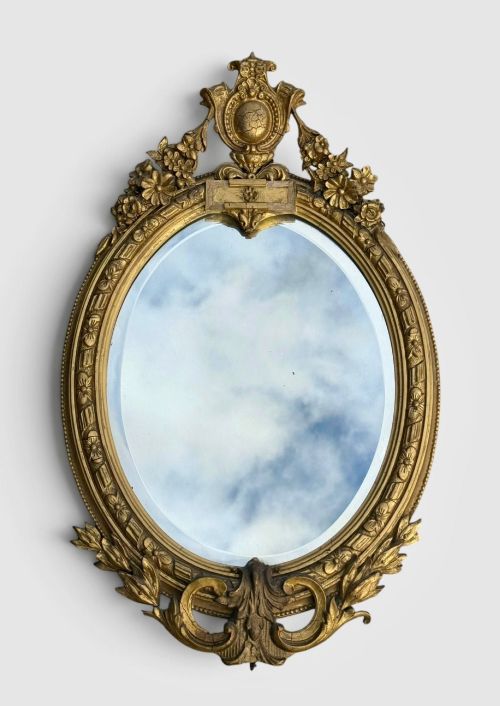
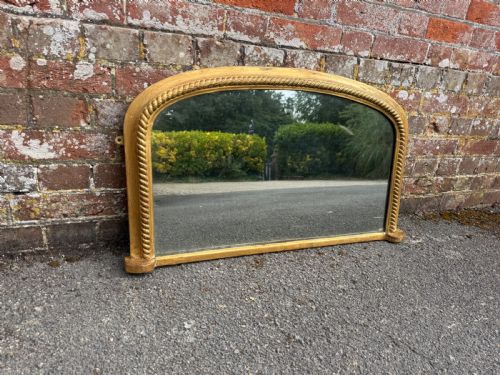
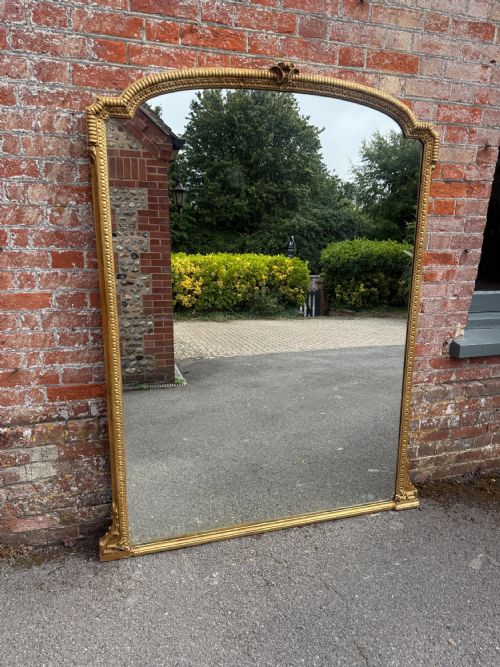
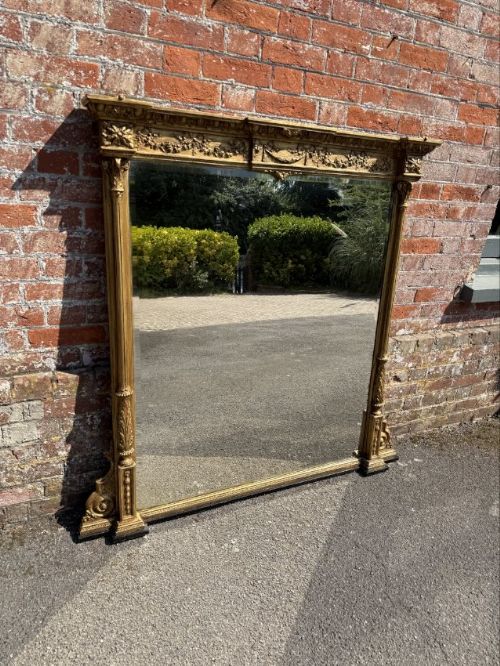
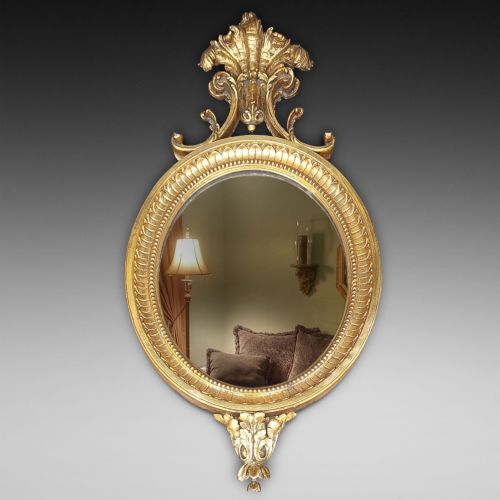


19th Century Gesso Mirror
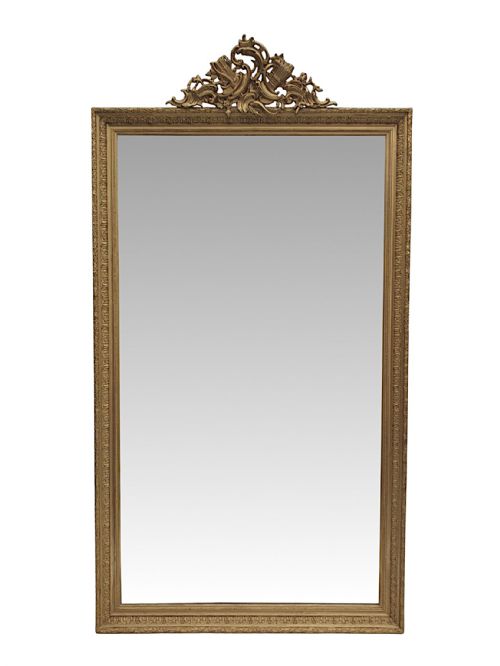
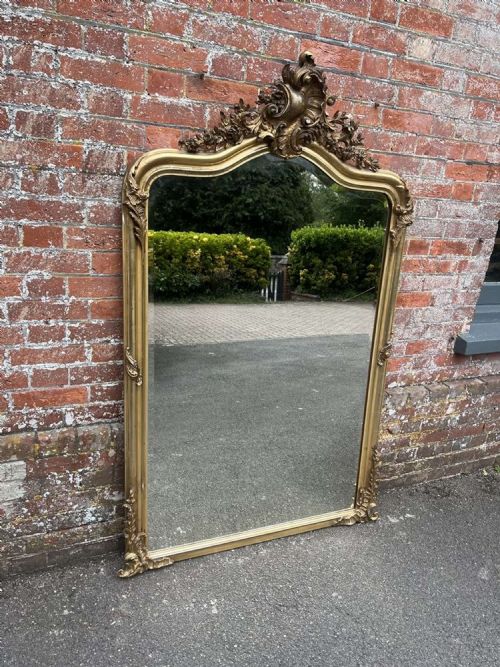
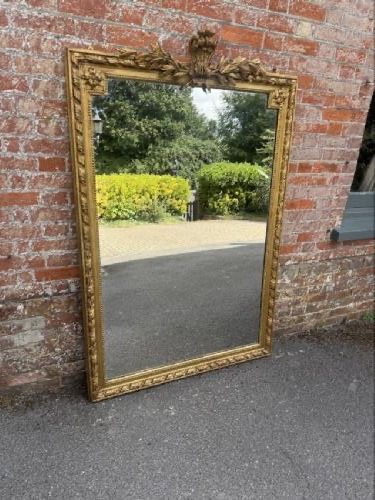
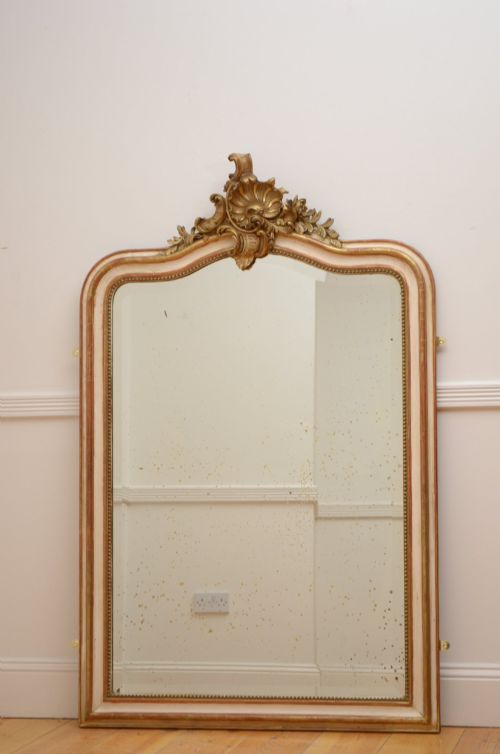
These pieces combine carved wooden frames with sculpted gesso surfaces, offering the reflective depth and decorative weight typical of a 19th century gesso mirror.
19th Century Gesso Mirror
A buyer examining a 19th century gesso mirror encounters substantial overmantel and wall-hung formats designed to anchor a room. The selections range from English arched-top architectural designs to French Rococo Revival pieces featuring ornate curves.
Most items on this page originate from the Victorian era or mid-century French workshops, employing heavy wooden substrates to support elaborate surface modelling. Overmantel mirrors dominate the listings, frequently shaped with arched or ribbed frames built to hang above a fireplace.
How They Were Made
Craftsmen built the primary structure from carved wood, applying multiple layers of gesso - a mixture of chalk and binder - to build up high-relief ornamentation. This plaster-like compound accepted intricate tooling, allowing artisans to carve floral motifs, rope twists, and classical columns directly onto the frame.
Surface finishes applied over the gesso typically involved gold leaf, liquid gilding, or paint. The reflective elements relied on mirror glass secured within the rabbet, often backed by original wooden panels.
A fortunate few still retain centuries-old fly specks safely trapped beneath the original backboards.
What Varies in Quality
The sophistication of the gesso relief work sets individual pieces apart, separating mechanical uniformity from deep, hand-chased ornamentation. Crisp edges on floral scrolls and tightly executed rope twists indicate skilled hand-modelling during the primary manufacturing stage.
The preservation of the original gilt surface and the integrity of the underlying wooden substrate dictate the overall character of the piece. Untouched gold leaf and stable gesso layers retain their original lustre better than heavily restored or overpainted surfaces.
The 19th Century Gesso Mirror Glossary
- Gesso
- A plaster-like preparation mixture consisting of a binder mixed with chalk, gypsum, or pigment, applied to wood as a base for gilding and painting. This material forms the raised decorative details seen on ornate frames.
- Overmantel Mirror
- A large mirror specifically proportioned to hang on the wall directly above a fireplace mantelpiece. These pieces frequently feature arched or shaped tops suited to period architectural proportions.
- Giltwood
- Wood that has been treated with gold leaf or metallic powder applied over a prepared ground. It provides a warm, reflective metallic finish across the carved elements.
- Girandole
- A decorative wall mirror featuring attached candle sconces that reflect candlelight into the room. These functional fixtures combine illumination with ornate gesso framing.
- Rope Twist
- A carved architectural moulding resembling intertwined rope strands. This decorative pattern frequently appears along the inner or outer borders of Victorian frames.
19th Century Gesso Mirror: Frequently Asked Questions
How do I hang an overmantel mirror safely?
These heavy wooden frames require secure wall fixings anchored directly into structural masonry or substantial studs. Professional mirror hangers utilise heavy-duty brackets suited to the combined weight of wood, gesso, and glass.
Positioning the base just above the mantelpiece ensures correct visual balance within the room. Due to the substantial mass of these pieces, avoiding standard picture wire is essential for safe suspension.
What is the difference between giltwood and gesso?
Giltwood refers to solid or carved timber treated with gold leaf, whereas gesso is the chalk-based composition applied to a wooden base to create sculpted ornamentation. Many pieces combine both materials, using gesso to form relief details before applying the gold leaf finish.
Understanding this distinction helps identify how surface decoration was achieved during the manufacturing process. Pure giltwood relies entirely on the timber beneath, while gesso pieces depend on the plaster layer for their dimensional depth.
How should I clean a antique gesso surface?
Dusting gently with a dry, soft microfibre cloth prevents the accumulation of particulate matter without disturbing fragile areas. Moisture must be kept away from the gesso and exposed mirror edges to prevent lifting or water damage.
Harsh chemical cleaners strip historical gilding and dissolve delicate plaster compounds. Professional conservation advice should be sought if deeper cleaning is required.
Are these mirrors fitted with original glass?
Many surviving examples retain their original mirror glass, which often exhibits minor foxing, slight silvering loss, or soft distortion. These optical characteristics confirm the age and authenticity of the piece.
Replacement glass occasionally appears in listings where the original plate suffered terminal damage over time. Examining the backboards and silvering provides clues regarding the continuity of the glass.