
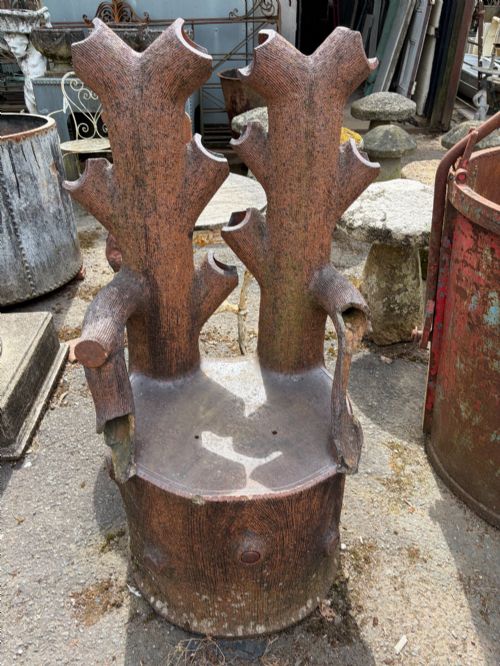


19th Century Garden Furniture
These 19th century garden furniture pieces bring lasting ironwork and timber character to lawns and conservatories.
19th Century Garden Furniture
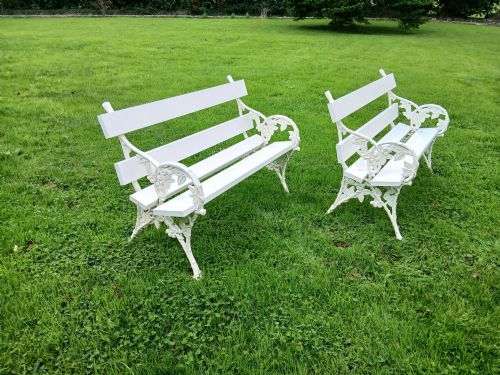
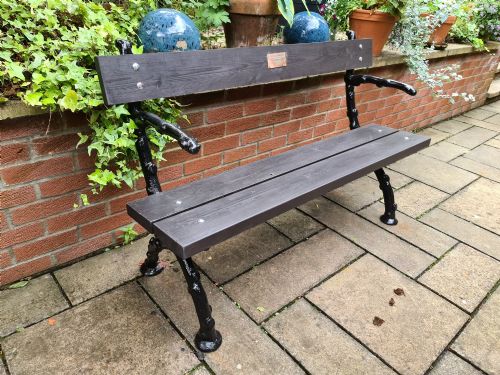
Buyers seeking 19th century garden furniture encounter a robust selection of outdoor seating and tables shaped by Victorian, Regency, and rustic traditions. Garden benches and seats dominate the offerings, frequently cast or forged from heavy metals designed to withstand the elements.
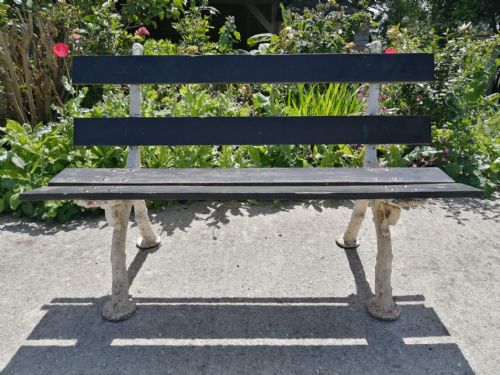
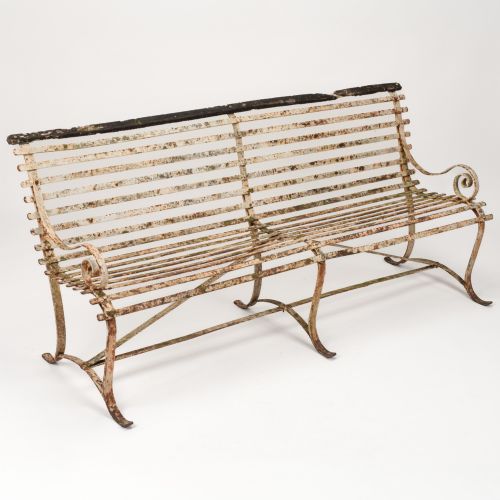
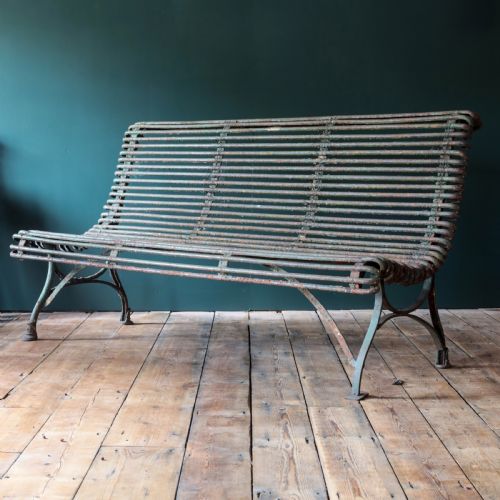
The assortment spans formal Regency strapwork designs and Victorian Gothic patterns alongside naturalistic faux bois metalwork and industrial wirework. Alongside ironwork, traditional wood, marble, and Chinese hongmu pieces provide variety for sheltered conservatories and lawns.
How these pieces were made
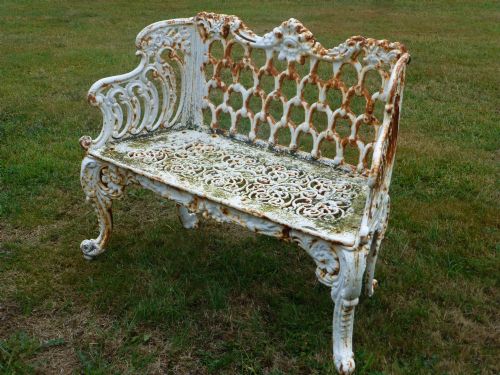
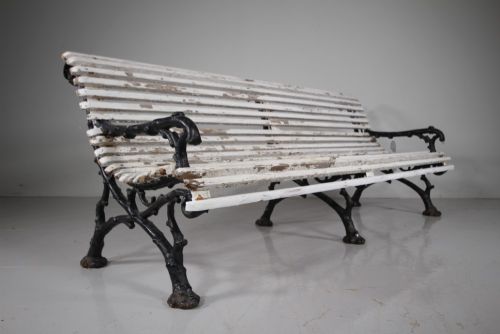
Makers utilised heavy cast iron and malleable wrought iron for structural longevity, often pouring molten metal into detailed botanical or geometric moulds. Foundry products commonly incorporated naturalistic motifs such as blackberries, leaves, and rustic branch simulations.
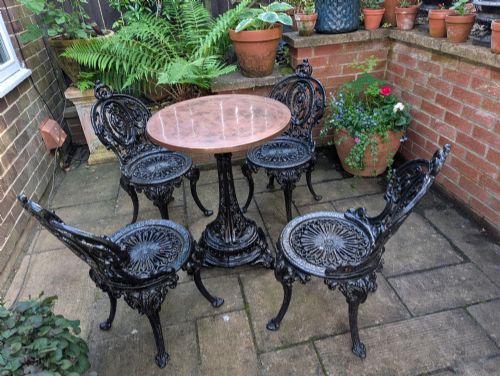
Timber and stone components complement the metal frames, utilising oak, painted wood, and marble tops for tables and benches. Protective layers of paint historically preserved the exterior metals against weathering.
Materials span cast iron, wrought iron, paint, timber, marble, and Chinese hongmu across the 19th century.
What varies in quality
Quality rests in the crispness of the foundry casting and the intricacy of the decorative patterns, distinguishing plain utilitarian frames from artistic foundry output. Foundry attribution, such as recognisable work from Coalbrookdale or Carron, elevates the standing of an iron bench.
Material combination also defines the standard, with integrated marble tops and complex strapwork demonstrating superior construction. Preserved original paint surfaces and intact structural integrity retain the historical character of each piece.
Falkirk Carron Foundry·Coalbrookdale
The 19th Century Garden Furniture Glossary
- Faux bois
- Imitation wood. Metalwork cast or sculpted to resemble natural branches and timber grain.
- Strapwork
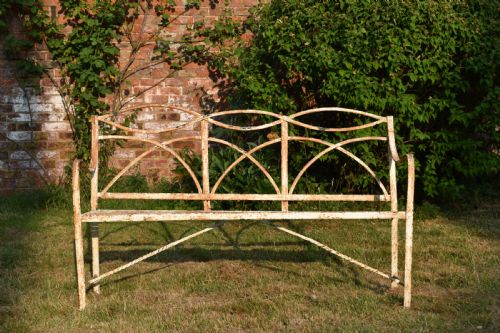
- Decorative flat bands. Geometric metal patterns typical of Regency ironwork benches.
- Hongmu
- Red wood. Dense Chinese hardwood utilised in occasional tables and stools.
- Wirework
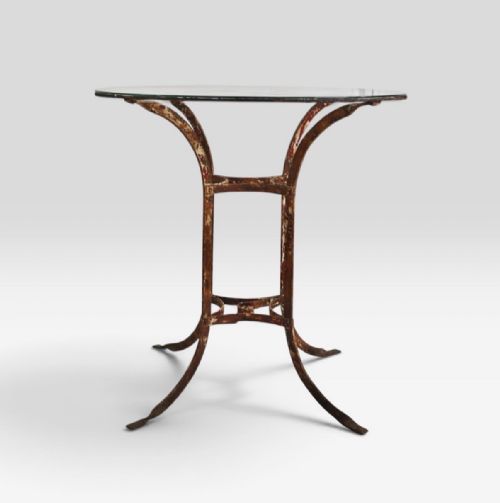
- Thin metal rod construction. Lightweight Victorian garden table and chair fabrication.
19th Century Garden Furniture: Frequently Asked Questions
Can iron benches stay outside?
Cast and wrought iron withstand outdoor elements well, though monitoring paint layers prevents rust accumulation.
Storing pieces during severe winter weather protects the structural integrity of older metalwork.
How do I identify Regency pieces?
Regency designs typically feature linear strapwork and lighter wrought iron frames rather than heavy Victorian casting.
Earlier 19th-century proportions remain restrained and classical compared to later Gothic or rustic revivals.
What is faux bois furniture?
Faux bois is metalwork cast to mimic natural wood grain, knots, and interlocking branches.
Victorian makers favoured this style for garden seats that blended visually into woodland settings.
Where were station benches used?
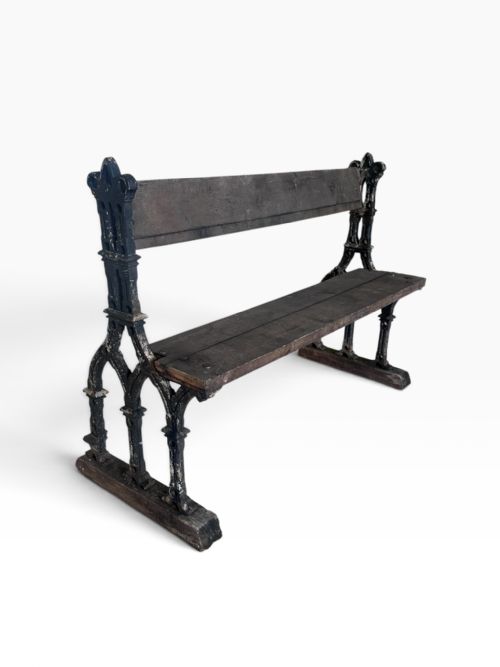
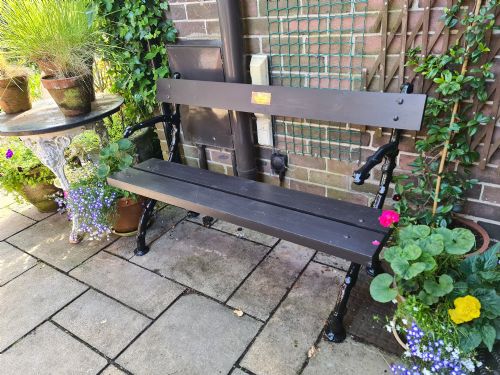
Railway station benches provided heavy-duty public seating on platforms during the Victorian expansion.
These sturdy timber and iron designs adapt well to modern garden pathways and porches.