
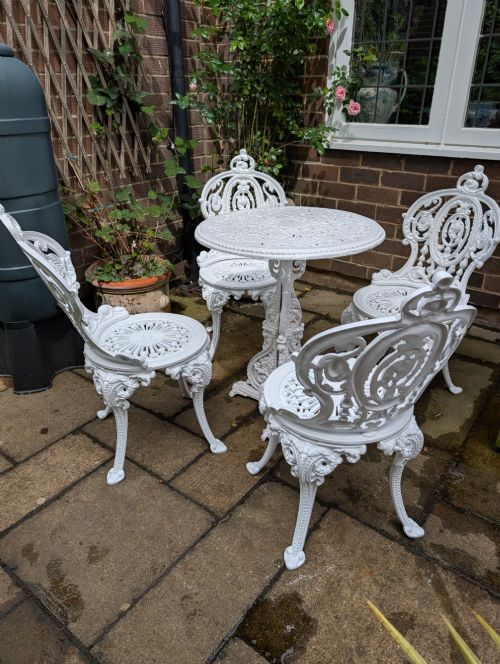
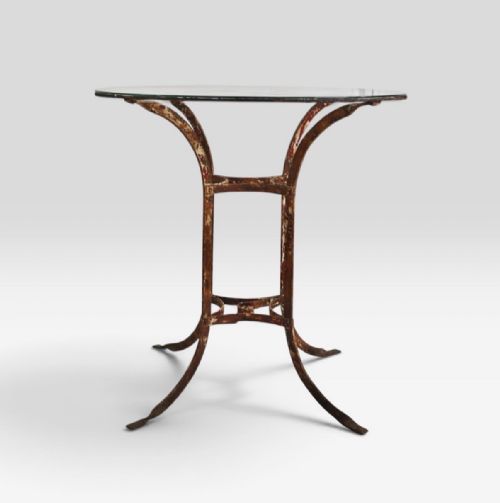
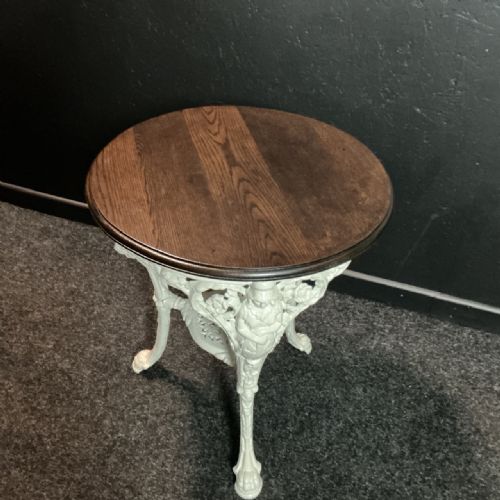

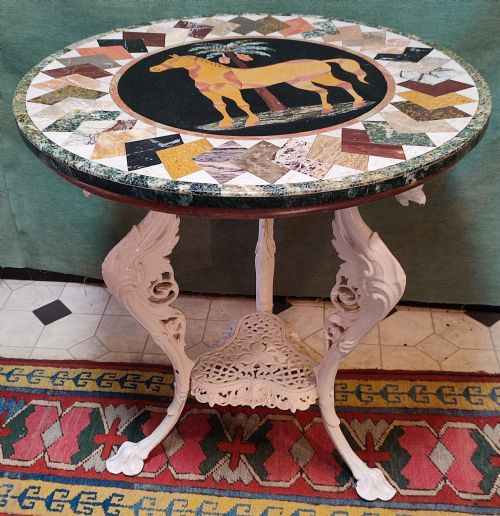
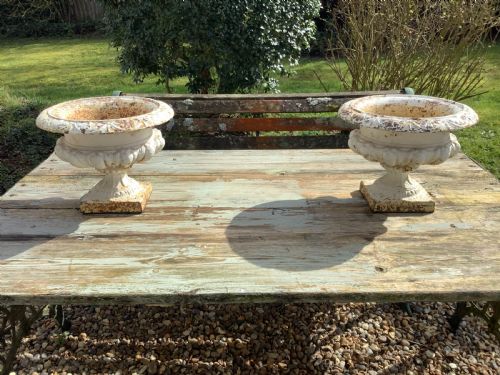


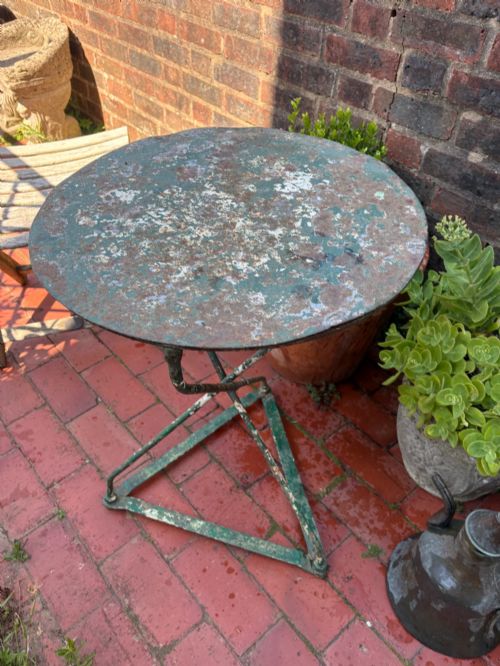


Painted Iron Garden Table
A painted iron garden table brings enduring utility and classic character to lawns, orangeries and terraces.
Painted Iron Garden Table
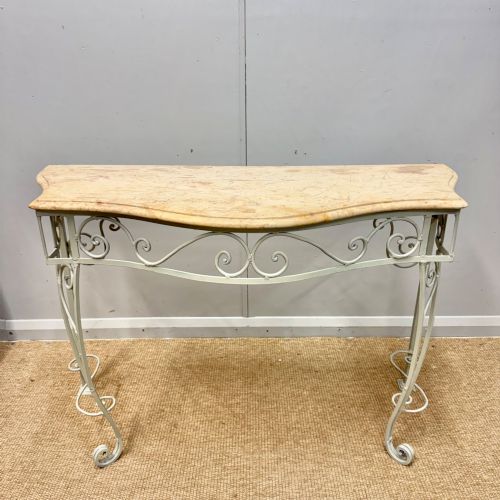
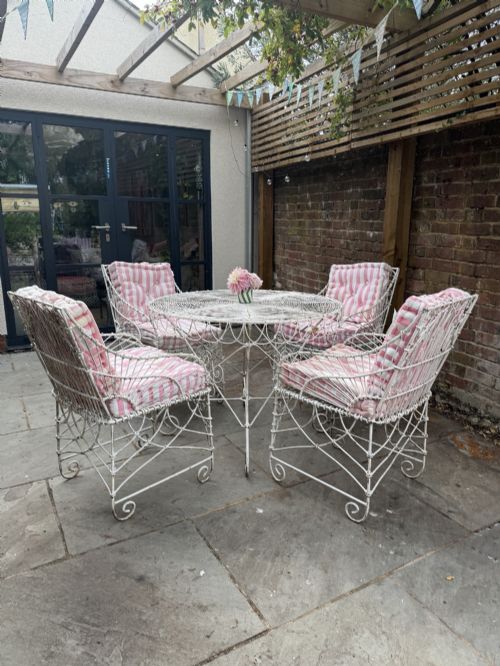
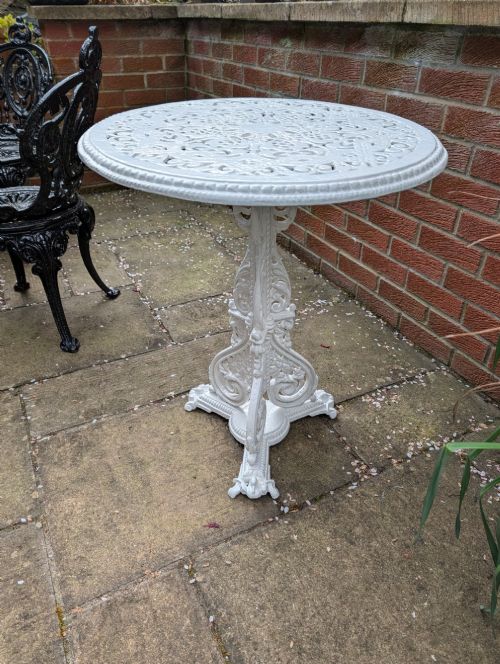
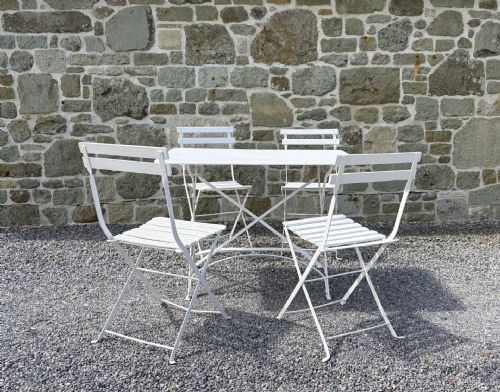
A painted iron garden table forms a sturdy surface designed for outdoor leisure, conservatory dining and terrace use. When you search for a painted iron garden table, you encounter diverse forms ranging from compact bistro and drinks tables to long pub tables and console arrangements.
The pieces on this page span the nineteenth century, the Edwardian era and the 1920s and 1930s. French styles, Victorian designs and Swedish examples appear frequently, often accompanied by chairs or matched with alternative tops.
Makers and designers such as Christopher Dresser occasionally influence the cast iron framework, while functional types include folding tables, planting benches and gueridon rounds.
What varies in quality
Quality rests in the crispness of the iron casting, the complexity of the decorative motifs, and the integrity of the structural joints. Elaborate Victorian umbrella bases and crisply moulded plant supports demonstrate superior foundry work compared to utilitarian pieces.
The choice of top material elevates a piece, with thick specimen marble slabs or heavy stone inserts representing a higher tier of production than simpler wooden boards. Original patination and the harmony between the painted metal base and its surface dictate overall desirability.
Materials recorded across these tables include cast iron, wrought iron, marble, wood, wirework, steel and stone.
Christopher Dresser
The Painted Iron Garden Table Glossary
- Britannia table
- A traditional pub or garden table featuring a heavy cast iron pedestal base bearing the figure of Britannia or related Victorian moulding. These sturdy supports frequently carry wooden or marble tops.
- Gueridon
- A small round occasional table supported by a central pillar or pedestal. French examples in iron often serve as compact garden or conservatory furniture.
- Wirework
- An intricate style of garden furniture constructed from intertwined metal wires rather than solid cast or wrought iron. Victorian wirework tables often accompany matching chairs.
- Strapwork
- A decorative pattern composed of flat, interlaced bands resembling leather straps, frequently utilised in nineteenth-century iron table frames. This technique adds structural rigidity alongside ornamental detail.
- Console table
- A table designed to stand against a wall, often featuring a marble top supported by an ornate iron bracket or base.
Painted Iron Garden Table: Frequently Asked Questions
How do I care for a painted iron garden table?
Keep the metal clean and dry during harsh winter months, storing delicate pieces in an orangery or shed if possible. Regular inspection of the painted surface prevents moisture from reaching the iron beneath.
Apply suitable exterior paints when touch-ups are required to maintain the protective barrier against rust. Avoid harsh chemical cleaners that might strip the historic layers of paint.
Were these tables meant for outdoor use?
Victorian and Edwardian manufacturers produced these iron tables for both open gardens and sheltered conservatories, orangeries and pub patios. The heavy cast iron construction naturally suited exterior conditions.
Some variations with fine marble or polished wooden tops found regular placement inside glasshouses or country house porches to protect the surfaces from persistent rain.
How do I distinguish a Victorian table from a 1920s piece?
Victorian and nineteenth-century examples often display heavy cast iron moulding, Britannia pedestals, and elaborate strapwork or wirework. They frequently incorporate white painted finishes over robust structural iron.
Twentieth-century pieces from the 1920s and 1930s sometimes embrace cleaner Art Deco lines, French folding mechanisms, or simpler steel tops. Design motifs and manufacturing techniques shift away from ornate Victorian casting towards streamlined utility.
Can marble top tables stay outside year-round?
Heavy marble tops provide a durable, cool surface for outdoor dining and planting work, but freezing temperatures can occasionally stress stone that absorbs moisture. Many owners house marble-topped tables inside during winter.
Ensuring the stone is securely seated on the iron base prevents shifting during heavy winds or garden rearrangements.