




19th Century Fruitwood Desk
A 19th century fruitwood desk brings tactile warmth and regional character to a study.
19th Century Fruitwood Desk
When you search for a 19th century fruitwood desk, you encounter pieces defined by regional timber selection and domestic utility. The evidence shows these items appearing alongside related forms like writing tables and occasional writing desks from various provincial workshops.
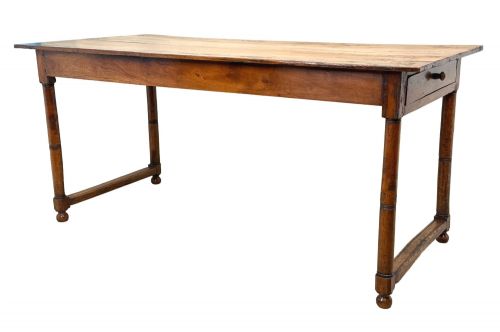
The pieces on this page span the broader nineteenth century, featuring French provincial examples and country regional pieces. These items demonstrate the practical construction methods of the period, utilising native fruitwoods rather than imported dark hardwoods.
Construction and Materials
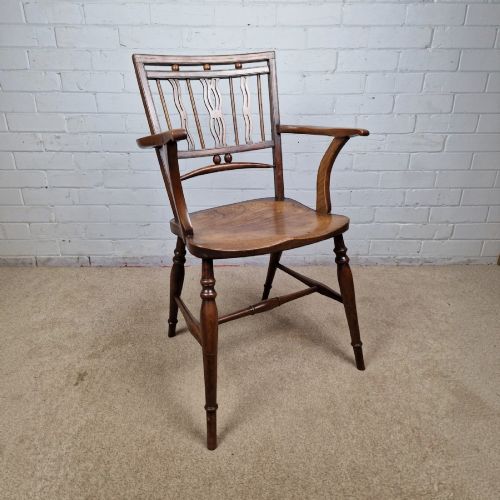
Makers utilised native fruitwoods alongside complementary timbers such as cherrywood, elm, pine, and yew for secondary framing. These woods were shaped using traditional hand woodworking techniques suited to regional furniture production.
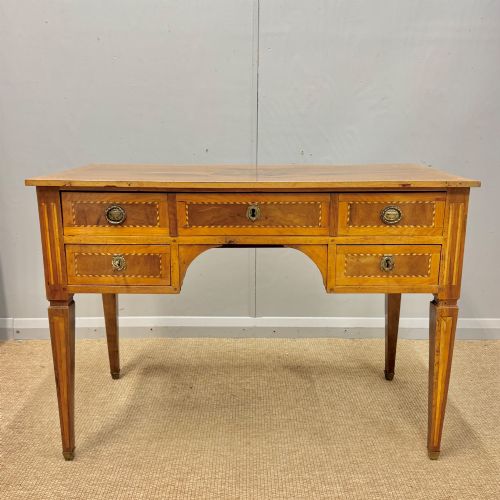
Metal hardware like brass fittings appear selectively on certain pieces for handles or mechanical components, while marquetry decoration occurs on specific refined examples from the period.
The listings show nineteenth-century pieces utilising fruitwood, cherrywood, elm, and yew alongside brass hardware.
Judging Quality
Quality in these desks rests on the choice of timber figure and the restraint of the provincial design. Pieces constructed with well-figured fruitwood and solid secondary timbers display superior regional craftsmanship.
The integrity of the original timber surfaces and the balance of proportions separate standard utilitarian items from finer examples. Refined details like marquetry work elevate specific pieces above simple farmhouse forms.
Paul Garnier
The 19th Century Fruitwood Desk Glossary
- Fruitwood
- Timber sourced from fruit-bearing trees such as pear, apple, or cherry, known for a smooth grain and warm tone. It was widely utilised by regional cabinetmakers.
- Marquetry
- The art of applying pieces of veneer to a structure to form decorative patterns. This technique appears on select refined writing pieces.
- Provincial
- Describing furniture made in the regions rather than the capital city. These pieces often display charming local variations in design.
- Yew
- A dense softwood with a rich grain pattern used in regional chair and table making. It offers durability and striking visual contrast.
19th Century Fruitwood Desk: Frequently Asked Questions
What is a fruitwood desk?
A fruitwood desk is a writing table constructed from timbers like cherry, pear, or apple, originating mostly from nineteenth-century regional workshops. These pieces offer a warmer, lighter alternative to mahogany or walnut.
They serve as practical writing surfaces while bringing distinct provincial character and tactile grain patterns into a modern interior.
How do I care for fruitwood?
Fruitwood surfaces respond best to regular dusting with a soft, dry cloth and occasional application of traditional beeswax to nourish the timber. Avoid placing these items in direct sunlight or near heat sources to prevent the wood from drying out.
Maintaining a stable room humidity preserves the joints and prevents warping in older timber furniture.
Are these desks French or English?
The evidence shows items originating from both French provincial traditions and English regional workshops. French examples often feature cherrywood or lighter fruitwood construction with provincial styling.
English pieces from the same era utilise native timbers like elm and yew, reflecting distinct local cabinetmaking practices.
How do I date a 19th-century desk?
Dating relies on examining the construction methods, tool marks, timber selection, and overall stylistic details relative to recorded periods. Regional pieces often combine traditional handcrafting methods with vernacular designs spanning the eighteen hundreds.
Comparing hardware, secondary woods, and joinery helps place a piece within the early, mid, or late nineteenth century.