
19th Century French Sconces
These 19th century french sconces bring warmth through cast metal and gilt surfaces, illuminating period interiors with heavy architectural presence.
19th Century French Sconces
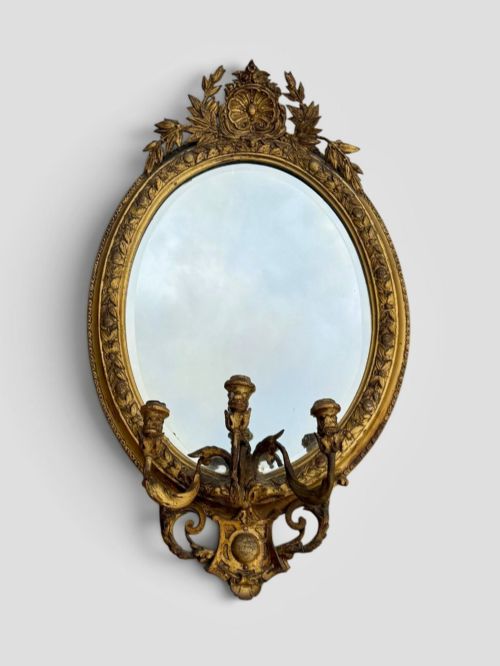
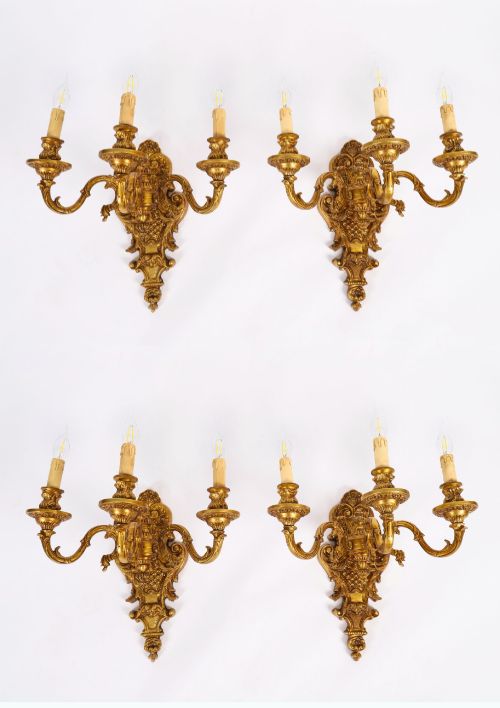
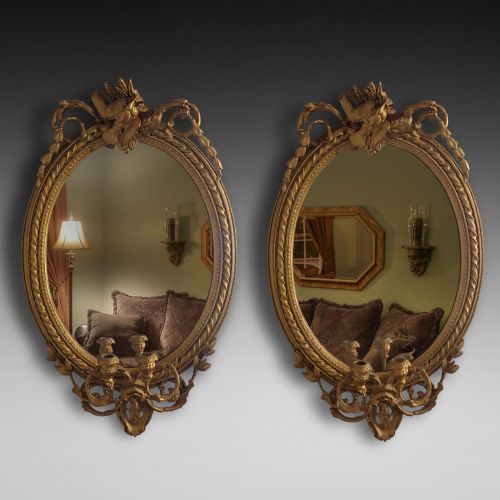
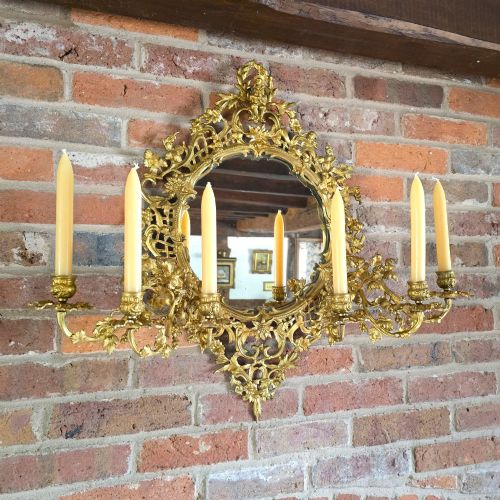
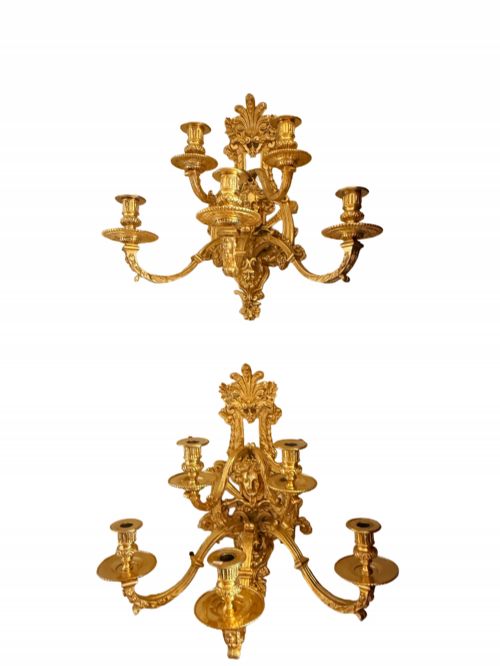
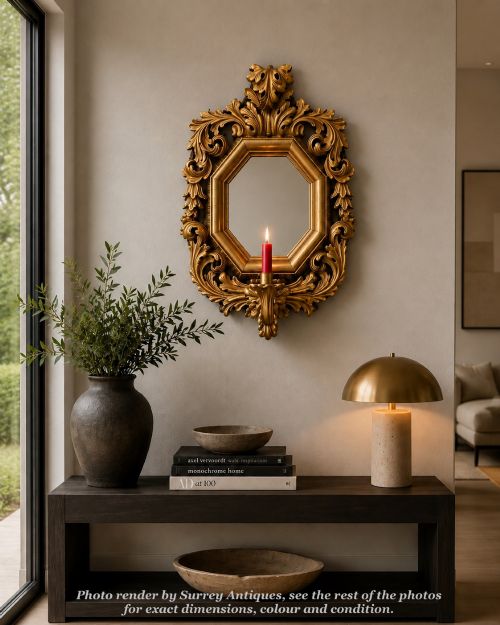
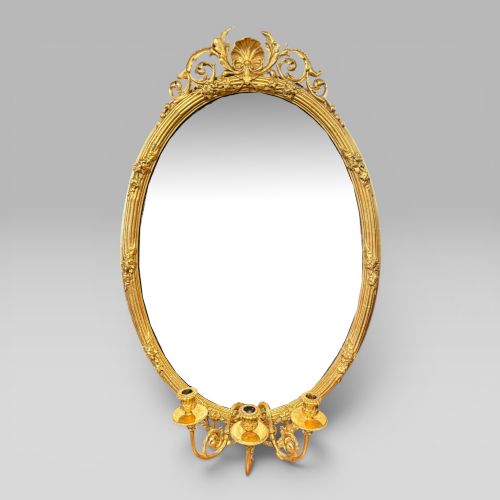
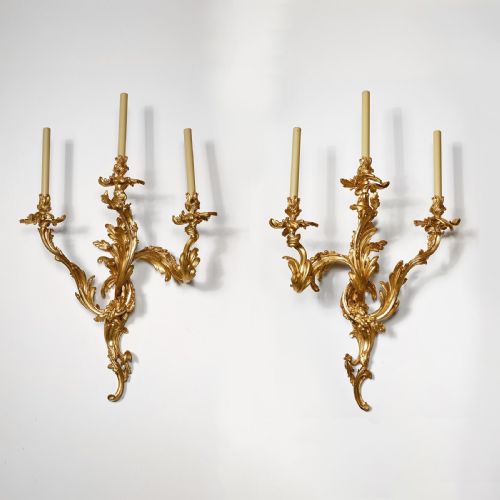
Buyers browsing 19th century french sconces encounter wall lights, appliques, and girandoles designed to reflect candlelight from mirrored backplates or project illumination from multi-branch arms. The most frequent examples met here combine gilt bronze or ormolu with classical revival motifs, often formed as pairs intended for flanking mirrors or mantelpieces.
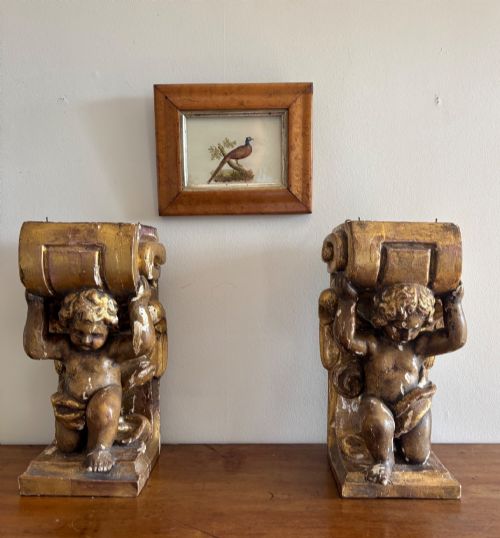
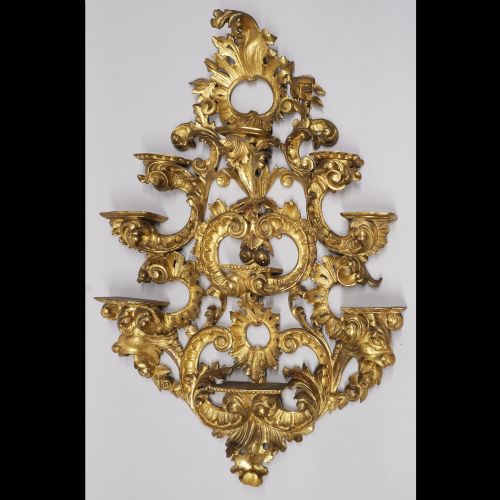
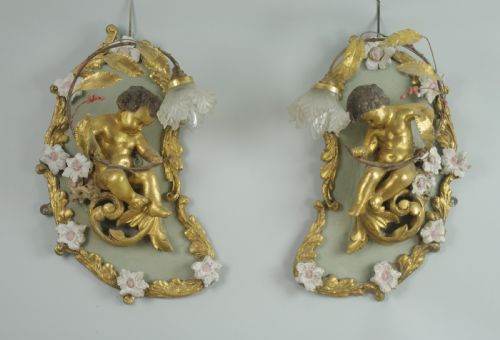
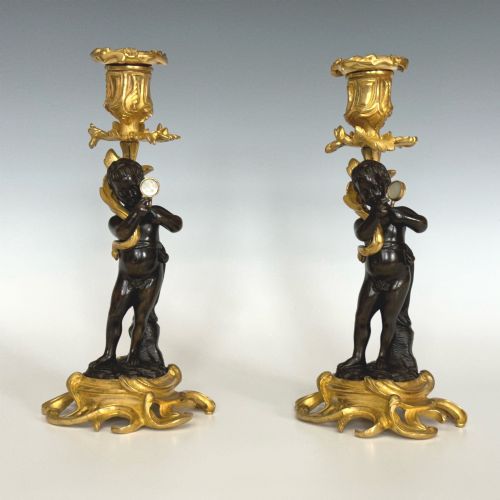
Forms span from simple single-branch brass brackets to grand multi-light fixtures bearing putti, caryatids, or foliate scrolls. The inventory leans heavily toward matching pairs manufactured during the middle and later decades of the century, reflecting a period obsession with symmetrical interior decoration.
Materials and construction
Gilt bronze and ormolu dominate the production, created by casting metal through the lost-wax or sand method before applying a fine layer of gold amalgam to the surface. Artisans then chased the cooled metal by hand using punches and gravers to sharpen feather work, hair, and acanthus leaves.
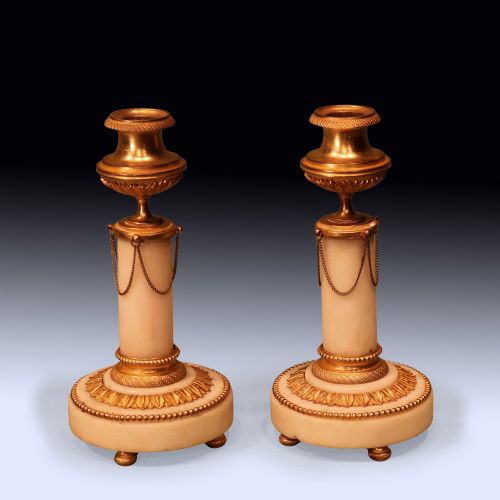
Support elements frequently incorporate carved giltwood, white marble bases, or onyx panels, while gesso and glass components build up the reflective surfaces of girandole mirrors. These mixed media constructions required collaboration between metalworkers, gilders, and cabinetmakers.
Surviving wall lights occasionally retain tiny drips of 19th century tallow stuck deep within their drip pans from hasty servants.
Assessing craftsmanship and execution
The distinction between ordinary production and superior work rests on the crispness of the hand-chasing after casting, where lesser pieces retain soft, muddy details from worn moulds. Superior examples display deep undercut relief and clean transitions between matte and burnished gilding.
Weight and structural integrity also separate tiers of quality, as better pieces utilise thick-gauge bronze rather than thin stamped brass or brittle spelter. Makers who invested time in hand-finishing the reverse sides and securing internal joins produced lighting that endures without structural wobble.
Henri Vian
The 19th Century French Sconces Glossary
- Ormolu
- Gilded bronze produced by applying a mercury and gold mixture to a cast bronze base and heating it until the mercury vaporised. This technique creates a durable, warm metallic finish characteristic of high-end French decorative arts.
- Girandole
- A branched candleholder fitted with a mirrored backplate to multiply the flickering light of the flames. The reflective glass is typically set within an ornate carved giltwood or gesso frame.
- Applique
- A wall-mounted lighting fixture designed to hold candles or lamps, functioning synonymously with a wall sconce. The term is frequently used for continental pieces adhering to classical design principles.
- Champlevé
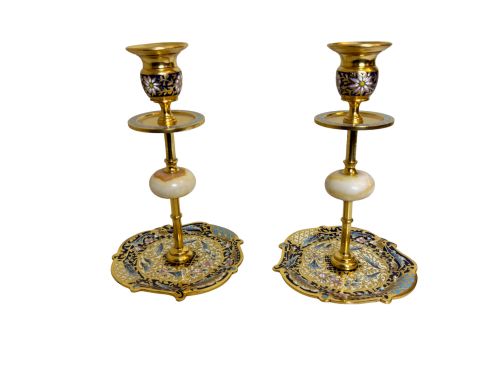
- An enamelling technique where troughs or cells are hollowed out of a metal surface and filled with vitreous enamel before firing. It appears on decorative accents and stems within select groupings of metalwork.
- Tole peinte
- Painted sheet metal shaped into decorative containers, lanterns, or shades. This material introduces painted colour rather than exposed metal or gilding to the wall display.
19th Century French Sconces: Frequently Asked Questions
How were these wall lights originally mounted?
These fixtures were secured directly to wood panelling or masonry walls using heavy iron screws inserted through dedicated backplate holes. They were positioned at optimal eye level to cast downward light across reception rooms and hallways.
Because many relied on wax candles, servants regularly accessed them with snuffed extinguishers and cleaning tools to manage dripping wax and maintain the reflective gilt surfaces.
Can antique sconces be wired for electricity?
Most multi-branch arms feature hollow internal channels originally intended to stabilise mounting rods, which modern electricians utilise to run discreet wiring. Professional conversion preserves the exterior patination and structural integrity while accommodating modern bulbs.
Lower-wattage candle bulbs are typically recommended to replicate the soft, warm glow of the original oil or wax illumination without generating excessive heat that could harm fragile gilding.
What is the difference between ormolu and brass?
Ormolu consists of a bronze substrate treated with a genuine gold mercury amalgam, yielding a deep, buttery lustre that resists tarnishing over decades. Brass is an alloy of copper and zinc with a yellower, brighter tone that ages into dull greenish oxides if unpolished.
French makers reserved ormolu for principal reception rooms, employing cast bronze as the heavy foundation for its superior weight and capacity for sharp detail.
How do you date a French wall sconce?
Dating relies on matching stylistic revival movements, such as the curved asymmetry of Rococo forms against the strict geometric symmetry of Neoclassical or Empire designs. Examining the casting seams, fastener types, and hand-chasing marks provides further chronological clues.
Stamped signatures or workshop cachets found on the reverse of the backplates offer the most reliable confirmation of origin and approximate decade of manufacture.