



19th Century French Plate
When collectors search for 19th century french plate, they find porcelain cabinet pieces and mirrored glass surfaces that bring continental interior elegance.
19th Century French Plate
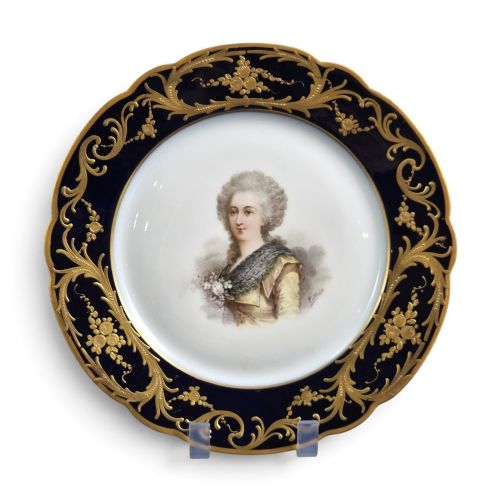
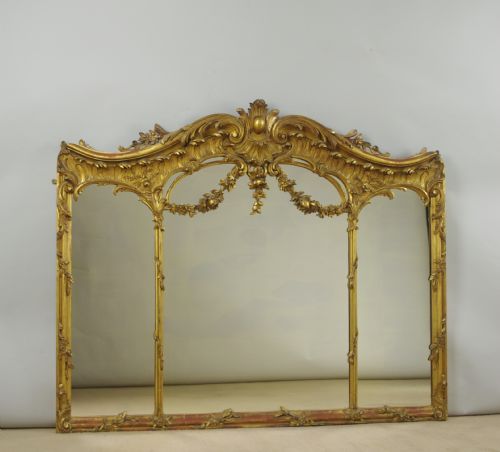
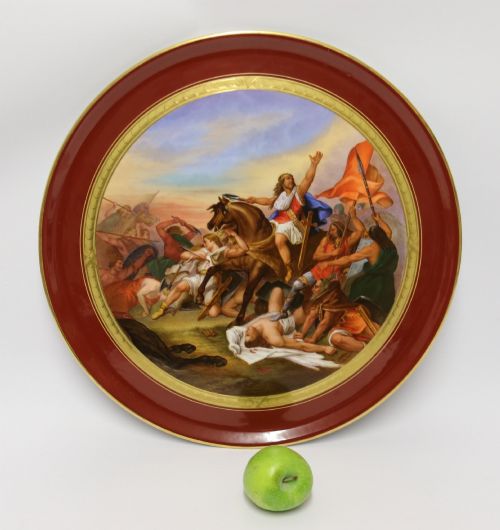
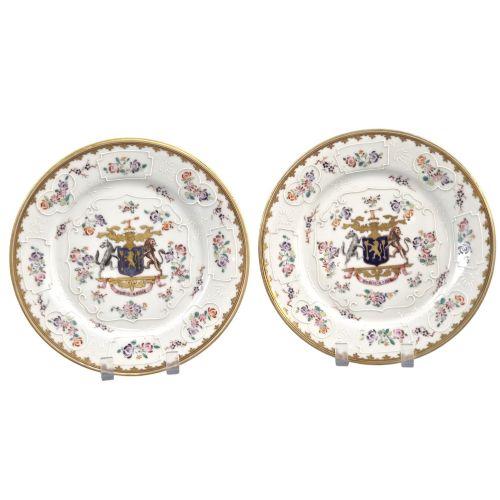
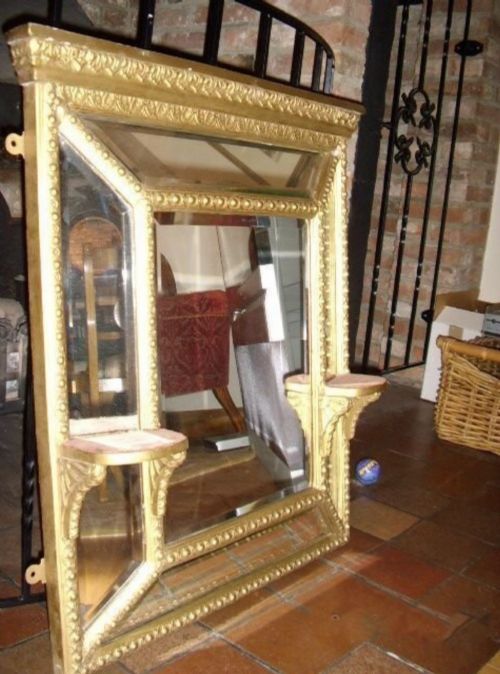
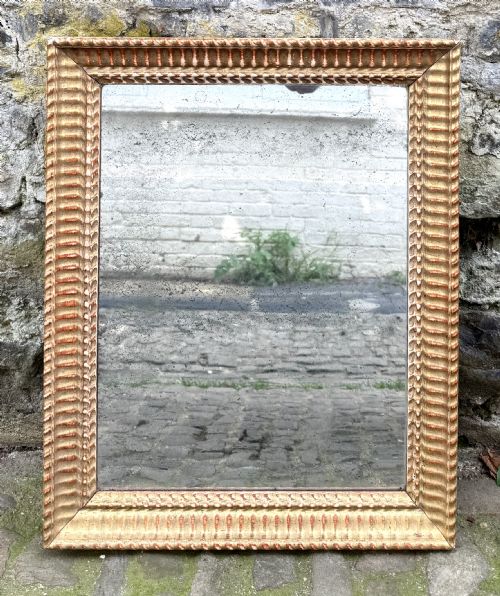
The 19th century french plate selection encompasses both ceramic cabinet plates painted with portraits or historical scenes and silver or mercury glass mirror plates set within ornate frames. Buyers frequently encounter hand-painted porcelain chargers and overmantel wall mirrors bearing the decorative revival styles of the period.
Ceramic examples often follow the Sèvres manner with cobalt grounds and armorial details, while mirrored variations utilise multi-plate configurations and carved wood surrounds. These objects reflect the diverse output of French provincial and Parisian workshops during the nineteenth century.
Materials and construction
Makers shaped porcelain bodies through careful moulding and firing before applying intricate hand-painted enamel decoration and gilding. Mirror plates relied on glass-working techniques combined with silvering or mercury applications, mounted into timber frames finished with carved gesso and gold leaf.
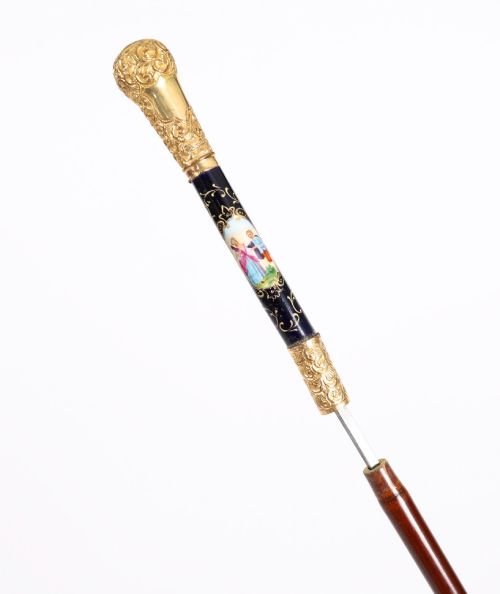
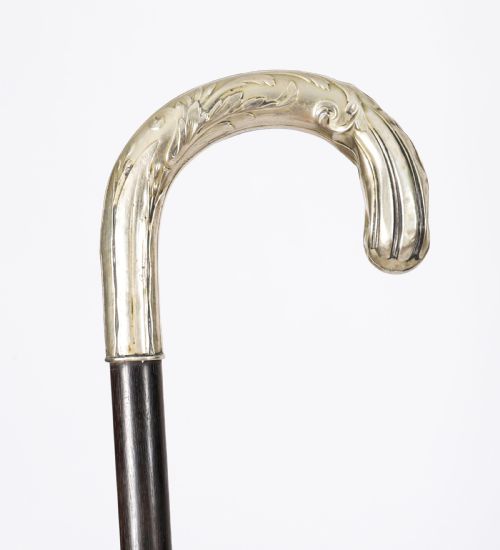
Metal items incorporate silver plating over base metals alongside cast brass and bronze components. Artisans joined these elements using traditional joinery and period fastening methods appropriate to domestic furnishings and decorative accessories.
Listings feature 19th century French plate items spanning porcelain, silver plate, glass, and gesso across Rococo, Empire, and Art Nouveau styles.
Assessing quality
Quality in porcelain plates rests upon the crispness of the hand-painted detail, the depth of the enamel colours, and the precision of the gilding. Superior cabinet plates display fine brushwork in figurative subjects and unblemished ceramic glazes.
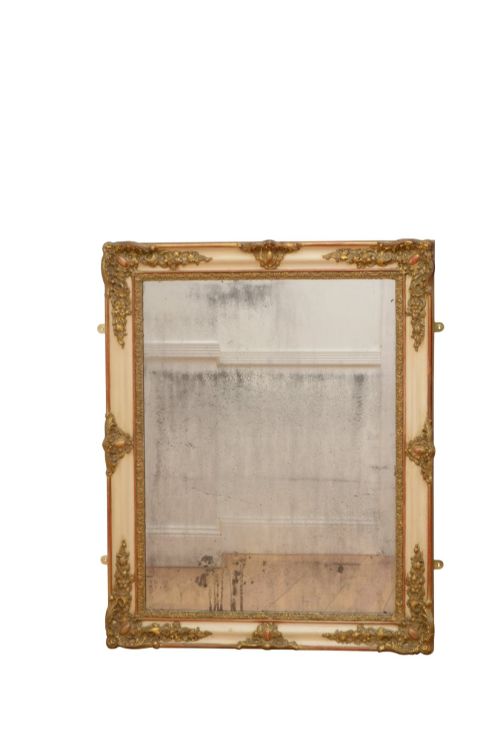
For mirrored pieces, the excellence of the carved gesso, the integrity of the original mercury or silvered glass plate, and the structural stability of the timber frame determine the standing of the piece. Master craftsmen achieved superior definition in ornamental mouldings and harmonious proportions across multi-plate overmantels.
Edmé Samson & Cie·Darte Brothers·Risler and Carré
The 19th Century French Plate Glossary
- Cabinet plate
- A decorative ceramic plate intended for display rather than dining use. These items usually feature detailed hand-painted scenes or armorial motifs.
- Gesso
- A plaster-like mixture applied to wood frames to create a smooth surface for carving and gilding. Artisans built up relief ornamentation before applying gold leaf.
- Mercury plate
- An older style of mirror glass produced using a tin-amalgam backing process. This technique results in a distinctive mottled appearance known as foxing.
- Overmantel mirror
- A large wall mirror designed to hang above a fireplace mantel. They frequently incorporate multiple glass plates within an architectural frame.
- Sevrès-style
- Porcelain decorated in the manner of the national French factory. The style typically incorporates rich cobalt blue grounds and elaborate gilt highlights.
19th Century French Plate: Frequently Asked Questions
What is a cabinet plate?
A cabinet plate is a decorative ceramic piece intended strictly for display rather than domestic service. They were produced to showcase artistic painting, often featuring portraits or historical scenes.
These items usually sit on stands or hang on walls, representing the decorative tastes of nineteenth-century French porcelain houses.
How do I identify mercury glass?
Mercury glass mirrors display a distinctive mottled, speckled or clouded appearance behind the glass surface. This arises from the historic silvering method using tin and mercury.
Such optical characteristics help distinguish older mirror plates from modern replacements.
Where were overmantel mirrors placed?
Overmantel mirrors hung directly above fireplace mantelpieces in formal reception rooms and parlours. Their generous scale reflected light around the interior space.
Many examples utilise multiple glass plates divided within carved wooden frames to fit the architectural proportions of the room.
What distinguishes Rococo Revival pieces?
Rococo Revival items feature asymmetrical scrolls, shell motifs, and naturalistic leaf carving. This nineteenth-century style drew inspiration from earlier French eighteenth-century designs.
Makers applied these flowing decorative elements to both gilded mirror frames and ceramic borders.