
19th Century French Painting
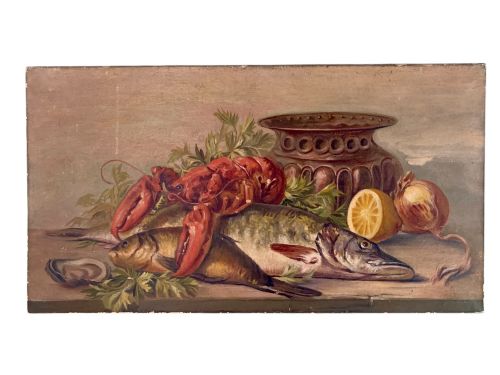
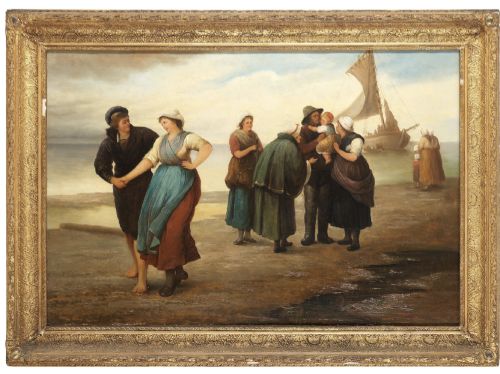
When you explore 19th century french painting, you encounter canvas works and portraits that capture domestic scenes, landscapes, and military history.
19th Century French Painting
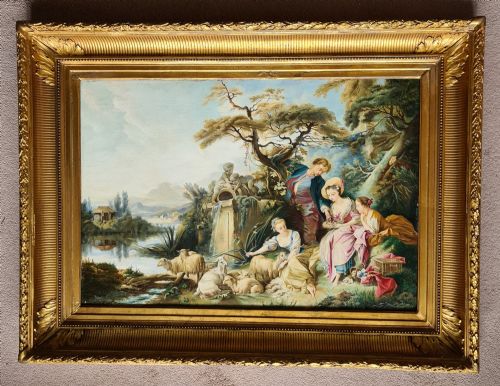
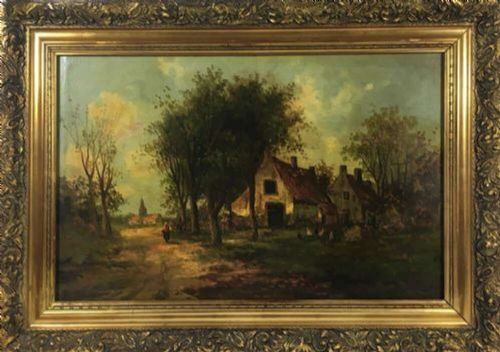
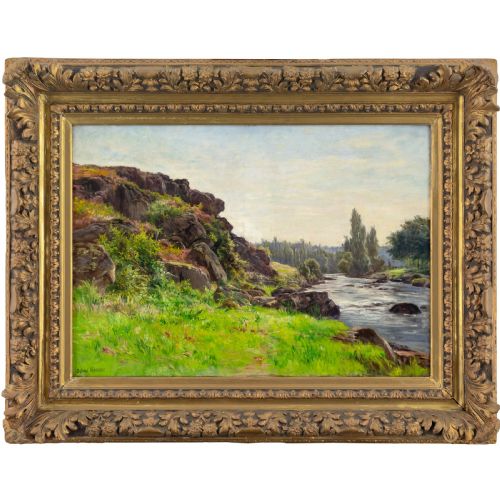
When searching for 19th century french painting, buyers encounter canvas works depicting rural landscapes, river scenes, and coastal harbours. Many pieces originate from the Barbizon School, capturing pastoral environments and plein air studies of forests and fields.
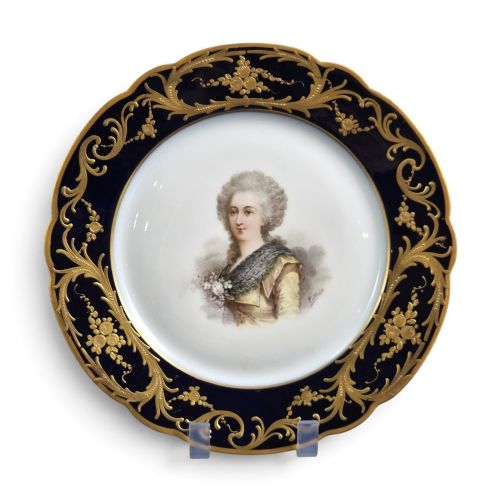
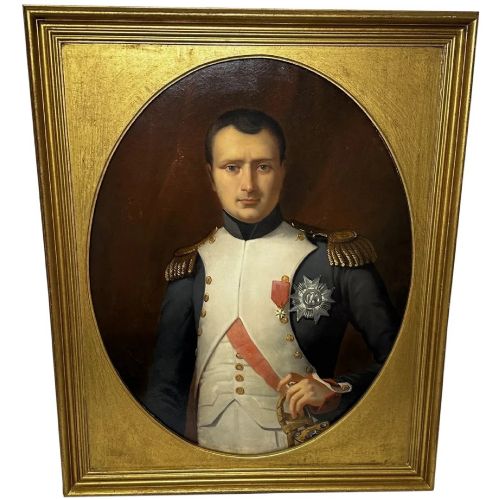
Portraits form a significant category among these artworks, featuring individual subjects, children, and military figures rendered in fine detail. Painters often recorded local subjects such as Breton ladies, monks, and chemists with careful observation of expression and costume.
Other examples document townscapes, church interiors, and bustling market places across France. These works offer a direct window into the visual culture and artistic output of the period.
What varies in quality
The degree of finish and anatomical precision in portraiture separates standard workshop output from more accomplished artistic achievements. Subtle handling of light and atmospheric perspective distinguishes superior landscapes from simpler regional views.
The preservation of the original canvas surface, minimal overpainting, and the integrity of the period frame contribute significantly to the overall standing of an artwork.
19th Century French Painting Retail Price Guide 2026
Typical asking prices for 19th century french painting among the pieces listed under this phrase on Sellingantiques today, from the lower quarter to the upper quarter. They describe what is for sale here now, not the wider market.
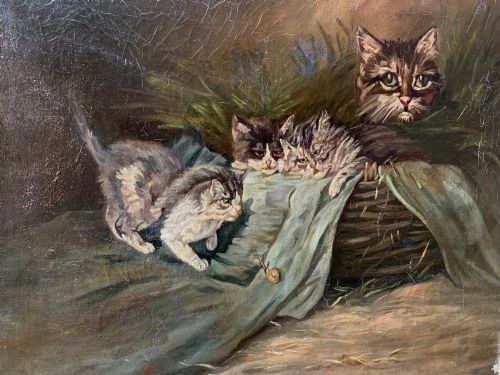
Several canvases manage to immortalise curious domestic pets, including attentive kittens and dogs gazing steadily at the viewer.
Achille Brocot·Edouard Pingret·Francois Boucher·Gabriel Mathieu·Hector Caffieri
The 19th Century French Painting Glossary
- Barbizon School
- A group of painters associated with a village near Fontainebleau who focused on realist landscape painting. They championed plein air techniques and direct observation of nature.
- Plein air
- Painting outdoors to capture natural light and atmospheric conditions directly onto the canvas. This method became central to nineteenth-century landscape practice.
- Oil on canvas
- Pigments bound with drying oils applied to a stretched woven fabric support. This combination allowed artists to build rich layers of colour and texture.
- Watercolour
- Paint consisting of water-soluble pigments applied to paper. It was frequently utilised for rapid topographical and architectural studies.
19th Century French Painting: Frequently Asked Questions
What subjects are most common?
Landscapes, rural scenes, and individual portraits dominate the surviving works from this era.
Artists frequently documented everyday life, coastal harbours, and historical military subjects.
How do I identify a Barbizon piece?
These works typically focus on pastoral settings, forests, and rural workers rendered with earthy tones.
They emphasise natural light and atmospheric conditions rather than grand historical narratives.
Are watercolours common?
Watercolours on paper appear regularly alongside oil paintings, often depicting townscapes and architectural views.
Artists used this medium for rapid studies during travels across French regions.
How should I display these artworks?
Canvases benefit from placement away from direct sunlight and excessive humidity to protect the paint surface.
Matching the painting with an appropriate period frame enhances its visual presence on the wall.