
19th Century French Ormolu
19th century french ormolu unites brilliant mercury-gilt bronze mounts with rich timbers and porcelain to bring decorative splendour to period interiors.
19th Century French Ormolu
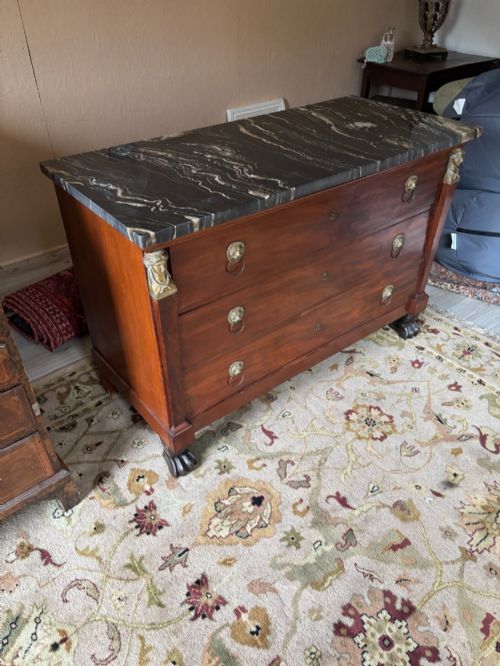
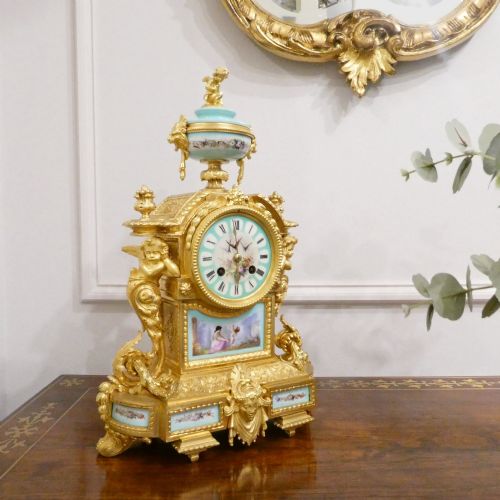
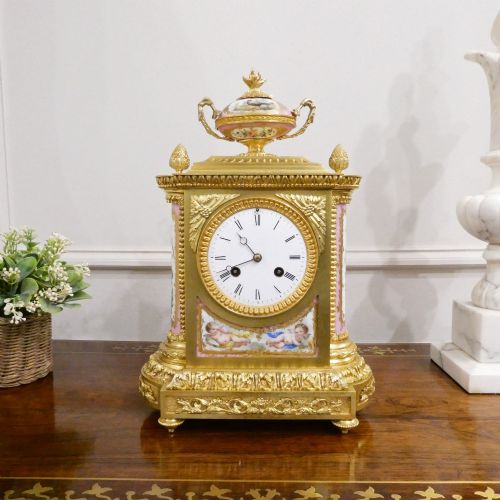
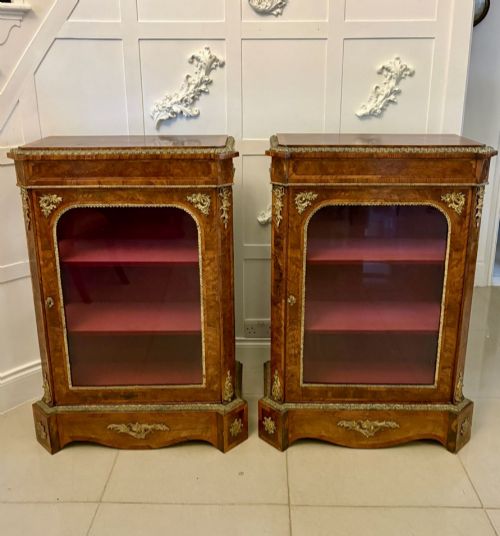
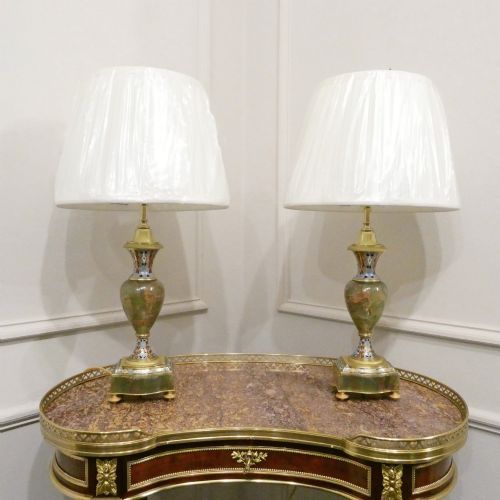
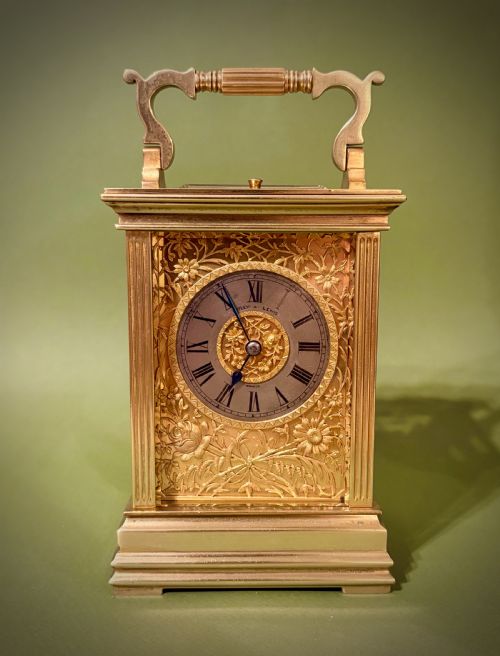
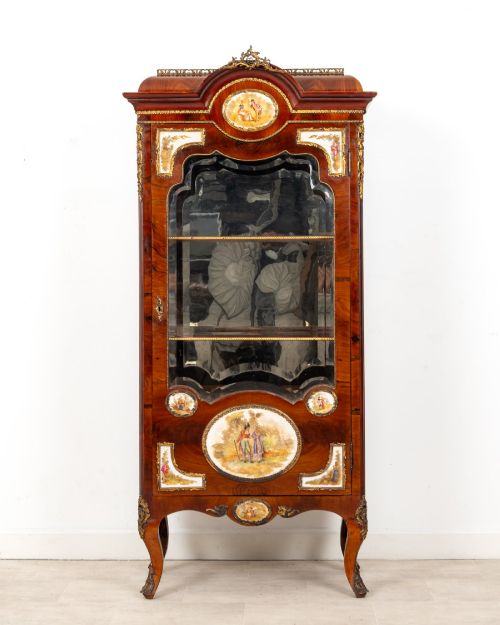
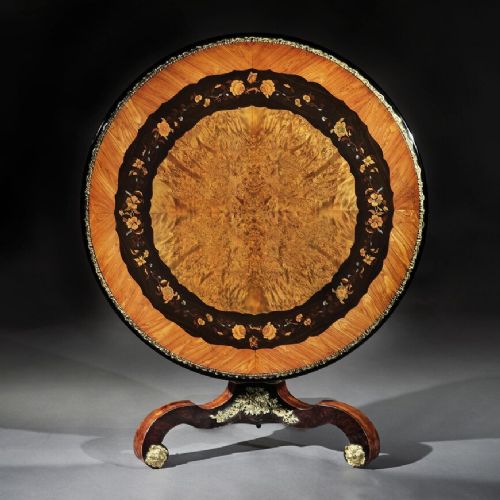
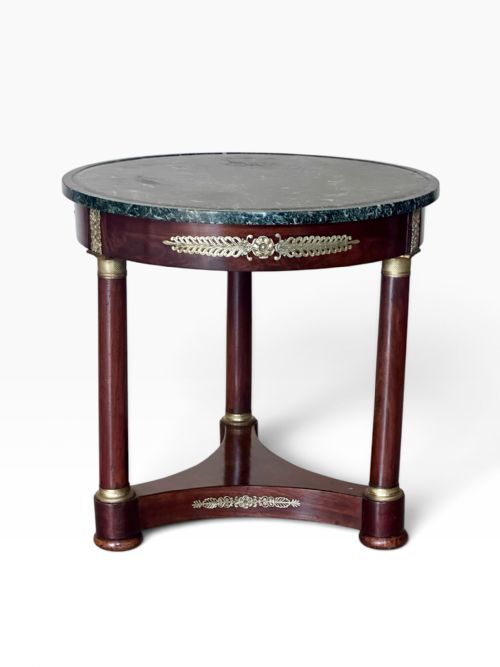
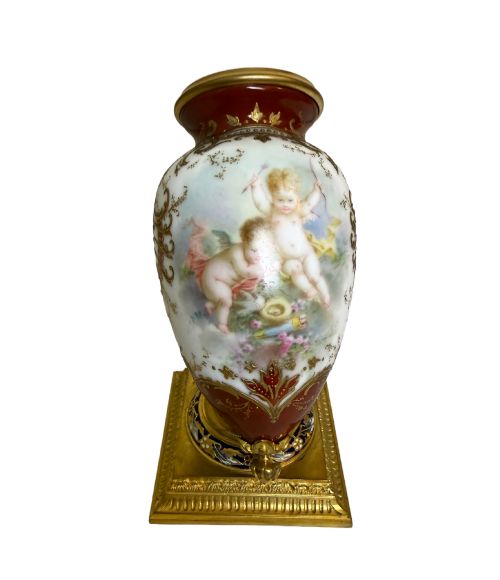
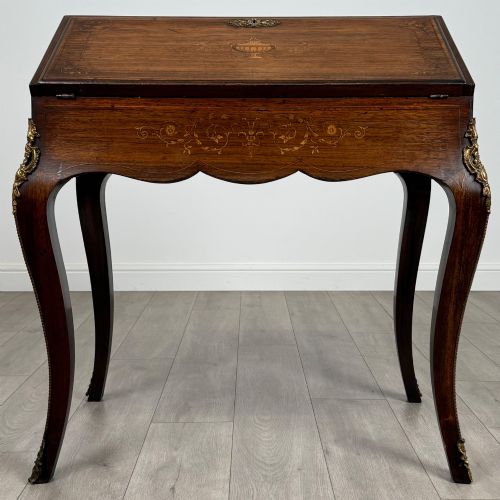
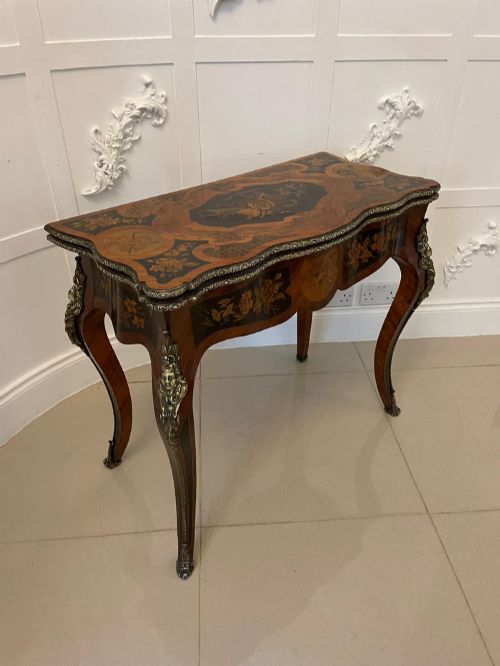
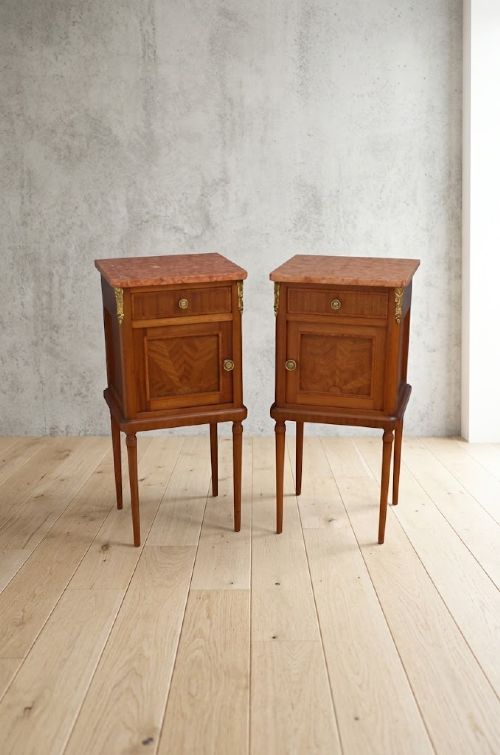
Items associated with 19th century french ormolu span functional furniture, mantel clocks, and decorative objects embellished with metallic mounts. Buyers encounter desks, centre tables, vitrines, and cabinets alongside candelabra, urns, and mantel clocks.
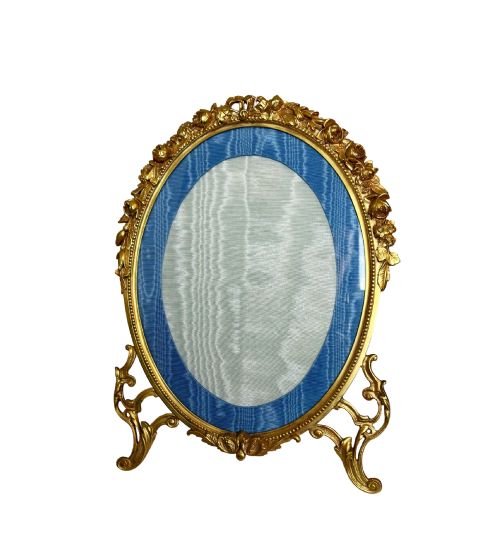
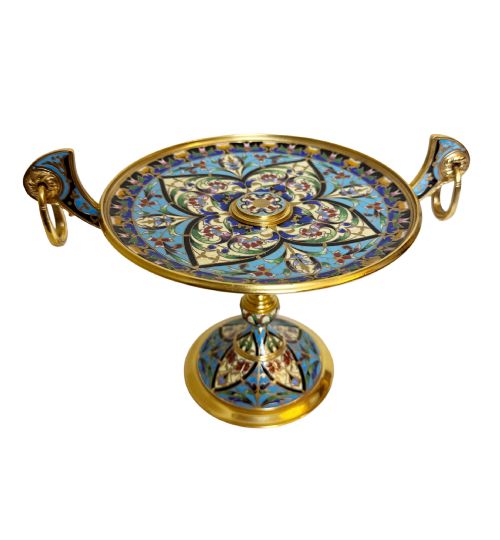
The objects derive from periods spanning the Empire era through the late 19th century, drawing heavily on Louis XV and Louis XVI revivals. Pieces range from large credenzas and commodes down to small trinket boxes, mirrors, and tazzas.
Selected items combine gilt bronze mounts with exotic woods like kingwood and rosewood, while others pair ormolu directly with Sevres porcelain plaques, champleve enamel, onyx, or variegated marble.
Materials and construction methods
Makers cast ormolu by applying a gold amalgam to bronze bases before firing the metal in a furnace to vaporise the mercury, leaving a durable golden layer. Artisans then chased the cooled bronze surfaces by hand with chisels and matting tools to sharpen details and create contrasting matte and polished finishes.
Woodworking foundations involved complex framing in timbers such as mahogany, walnut, and kingwood, frequently inlaid with marquetry or parquetry. Cabinetmakers secured cast ormolu mounts to these structures using concealed pins and screws that conformed precisely to the contours of the timber or marble.
Spot the crouching bronze putti holding up fire fenders and winged cherubs supporting candle sconces.
Distinctions in execution and design
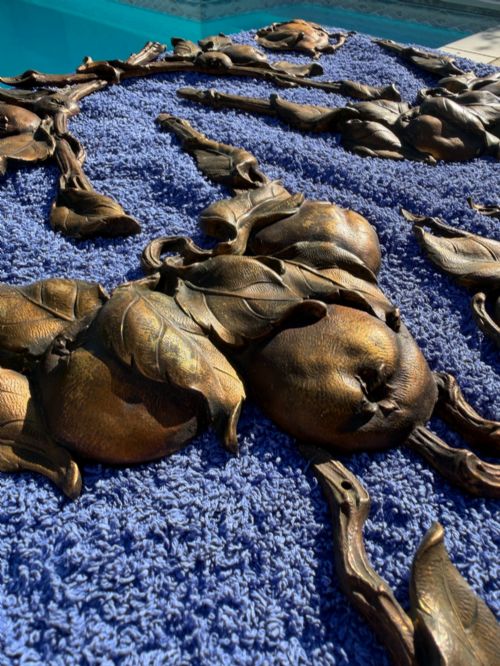
Superior examples demonstrate crisp chasing in the bronze work, where leaf and scroll motifs retain sharp edges and deep undercut details rather than soft, blurred contours. The gilding displays an even, rich lustre without patchy wear or flat metallic surfaces.
Integration between the metal mounts and the underlying wood, marble, or porcelain reveals the maker's skill. Top-tier works exhibit mounts that fit flush against curved surfaces without gaps, paired with sophisticated internal mechanisms on clocks and tables.
Jean-Baptiste Delettrez·Edward Holmes Baldock·Poix Blin·Achille Brocot·Japy Freres·Francois Linke·Charles a Orleans
The 19th Century French Ormolu Glossary
- Ormolu
- Gilt bronze produced by applying a gold-mercury amalgam to a cast bronze object and heating it. This technique creates a distinct golden finish characteristic of decorative objects from the period.
- Champleve
- An enamelling technique where troughs or cells are hollowed out of a metal surface and filled with vitreous enamel before firing. It frequently appears on decorative clocks, mirrors, and small vessels.
- Vernis Martin
- A type of simulated Japanese lacquer developed in France, used to adorn panels on display cabinets and side tables. The technique employs multiple layers of varnish to achieve a translucent, polished finish.
- Tazza
- A shallow ornamental cup or vase raised on a stem and foot, often fashioned from marble, onyx, or glass with ormolu mounts. These pieces served as decorative centrepieces on tables and mantelpieces.
- Garniture
- A set of matching decorative objects, typically consisting of a mantel clock accompanied by a pair of matching candelabra or urns. They were designed to be displayed together on a fireplace mantel.
19th Century French Ormolu: Frequently Asked Questions
How do I clean ormolu mounts?
Dust bronze mounts gently with a soft, dry brush to prevent the accumulation of dirt in recessed areas. Avoid using harsh chemical polishes or abrasive cloths, which strip away the historic mercury gilding.
Moisture can damage adjacent materials like wood, porcelain, or marble. If cleaning is necessary, use a damp cotton swab followed immediately by drying with a soft lint-free cloth.
How do I distinguish revival styles?
Louis XV revival pieces feature asymmetrical scrolls, naturalistic floral motifs, and flowing serpentine curves in both the woodwork and the ormolu mounts. Louis XVI revival items adopt a more restrained neoclassical symmetry, incorporating straight lines, fluted columns, and classical urn motifs.
Empire items display heavy classical influences, utilising military trophies, sphinxes, and dark mahogany contrasted with bright gilt bronze. Examining the structural lines and decorative vocabulary helps pinpoint which historical period inspired the workshop.
Can I place these pieces in sunlight?
Direct sunlight poses risks to the organic materials integrated into these pieces. Kingwood, rosewood, and mahogany veneers fade over time when exposed to ultraviolet rays, losing their rich natural tones.
Sèvres porcelain plaques and Vernis Martin painted panels are equally sensitive to prolonged light exposure. Positioning furniture and decorative objects away from bright windows preserves their colouration and surface integrity.