

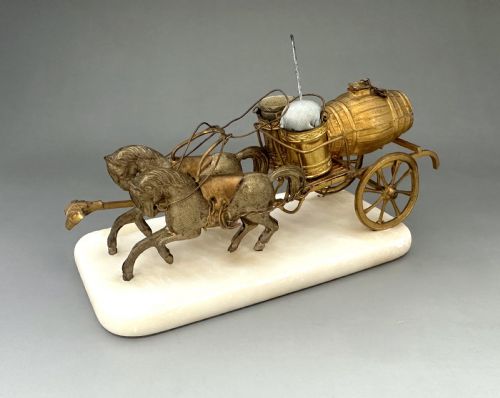


19th Century French Ormolu Box
These pieces known as a 19th century french ormolu box combine heavy gilded metal mounts with glass, porcelain, or wood to hold valuables.
19th Century French Ormolu Box
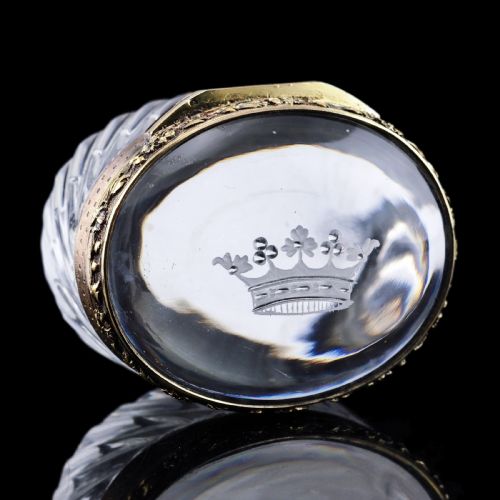
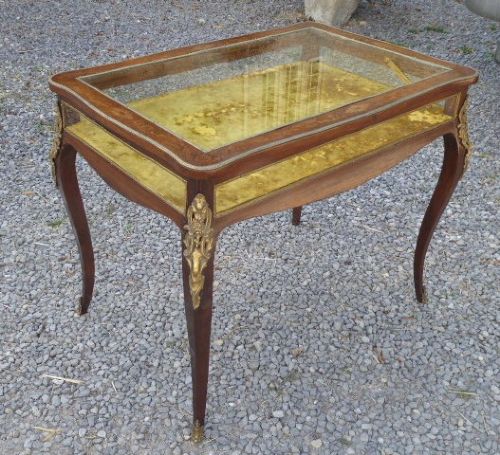
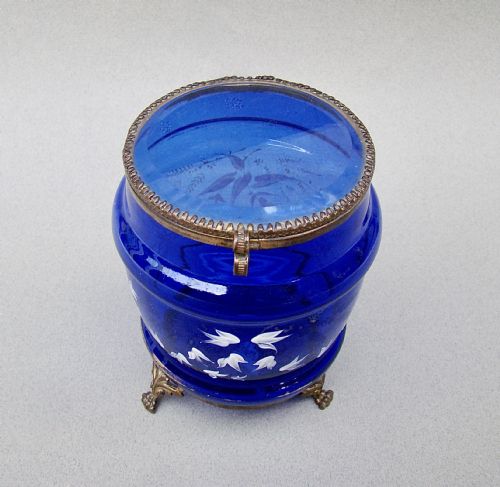
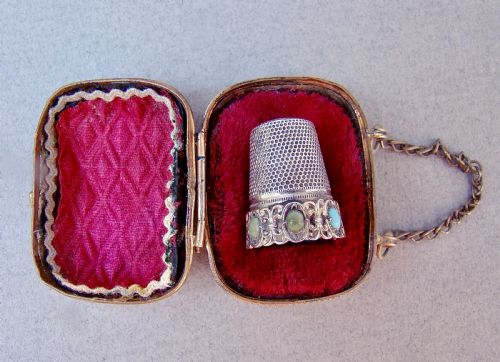
A 19th century french ormolu box encompasses jewellery caskets, trinket boxes, and display tables designed for aristocratic interiors. The selection leans heavily towards trinket boxes and jewellery caskets outfitted with hinged lids and velvet linings.
Makers of the period utilised revival aesthetics, frequently drawing on Louis XV and Louis XVI motifs alongside Napoleon III and Second Empire styles. Objects range from small desk containers to larger bijouterie display tables resting on slender legs.
The domestic role of these containers involved safeguarding precious personal items, from rings and thimbles to portrait miniatures. They sat upon dressing tables, side tables, and mantelpieces in elite households.
How they were made
Casting and fire-gilding formed the basis of the metal mounts, creating the characteristic rich golden surface known as ormolu or gilt bronze. Artisans chased the cast brass or bronze components by hand to sharpen the leaf scrolls and floral patterns before applying the gold amalgam.
The body of each container frequently incorporated cut crystal, Baccarat glass, or Bristol blue glass held securely within the metal framework. Alternatively, wood carvers and cabinetmakers constructed core structures from kingwood, mahogany, or ebonised timber, often applying intricate marquetry patterns.
Many examples integrated painted porcelain plaques, including Sevres and Limoges porcelain panels depicting pastoral scenes or royal portraits set directly into the lids. Velvet or silk linings were then fitted to the interior to cushion delicate trinkets.
Listings demonstrate a frequent pairing of ormolu with crystal, kingwood, and Sevres porcelain across nineteenth-century forms.
What varies in quality
The crispness of the metal chasing dictates the primary tier of distinction, separating finely detailed hand-tooled bronze mounts from softer, mass-produced cast replacements. High-grade ormolu retains sharp undercutting and deep relief, whereas lesser examples appear blunt and uniform.
The integration of materials determines the secondary measure of refinement, seen in the precision of the mitred wood joints and the clarity of the crystal or porcelain inserts. Hand-painted ceramic plaques with detailed miniature portraits command greater distinction than plain glazed panels or transfer-printed decoration.
The 19th Century French Ormolu Box Glossary
- Ormolu
- A gilded bronze or brass ornamentation technique popular in French decorative arts. The process involves applying a mercury and gold mixture to a bronze base and heating it until the mercury vaporises, leaving a rich golden layer.
- Bijouterie
- A display table or case featuring glass panels designed to showcase small valuable items and trinkets. These furnishings often incorporate hinged glazed lids and velvet-lined interiors.
- Cave a liqueur
- A fitted wooden or metal box containing glass decanters and liqueur glasses. They frequently feature elaborate ormolu mounts and crystal glassware.
- Sevres
- A famous French porcelain manufactory known for producing luxury ceramic plaques and vessels. Items bearing this provenance often feature hand-painted decoration set into metalwork frames.
- Kingwood
- A dense, richly grained tropical timber used in high-end cabinetmaking. It frequently appears in decorative veneered panels alongside marquetry motifs.
19th Century French Ormolu Box: Frequently Asked Questions
What were 19th century french ormolu boxes used for?
These containers served primarily to store precious personal effects such as rings, brooches, sewing accessories, and portrait miniatures. Wealthy owners kept them on dressing tables and salon display cabinets.
They also functioned as decorative objects in their own right, demonstrating the owner's taste and wealth through elaborate gilding and exotic materials.
How do you clean ormolu mounts safely?
Maintenance requires only a soft, dry cloth to remove dust from the recessed areas of the bronze. Moisture and commercial metal polishes must be avoided to prevent stripping the historic gold surface.
Aggressive cleaning agents permanently damage the delicate fire-gilt layer, reducing both the visual warmth and the historical integrity of the metalwork.
What is the difference between ormolu and gilt bronze?
Ormolu is simply the traditional term used in English for French gilt bronze ornamentations. Both describe a copper alloy base covered with a layer of gold.
French makers perfected the amalgamation technique during the eighteenth and nineteenth centuries, producing a distinctive matte and burnished golden finish.
How can you tell a Napoleon III box from an earlier piece?
Napoleon III pieces, dating from the mid to late nineteenth century, often revive Louis XV and Louis XVI styles with a heavier, more exuberant hand. They frequently combine ebonised wood or exotic veneers with bold cast ormolu mounts.
Earlier eighteenth-century originals display lighter, more integrated structural forms, whereas nineteenth-century revivals sometimes utilise machine-assisted casting alongside hand-chasing.