




19th Century Food Safe
These 19th century food safe examples are practical utility furniture pieces that keep provisions cool and pest-free while lending rustic charm to modern country interiors.
19th Century Food Safe
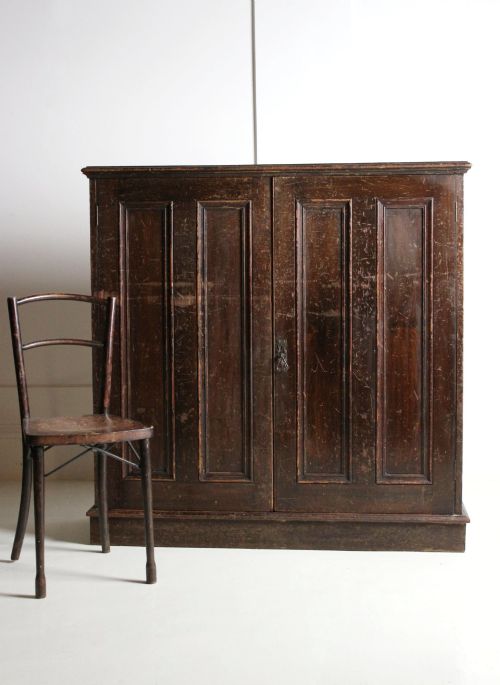
A 19th century food safe encompasses functional storage cabinets designed originally for domestic provisioning, encompassing regional forms such as larder cupboards, housekeeper's cupboards, and bread safes. You encounter pieces spanning early 19th century dates through the Victorian era, showing how rural and provincial households managed food storage before refrigeration.
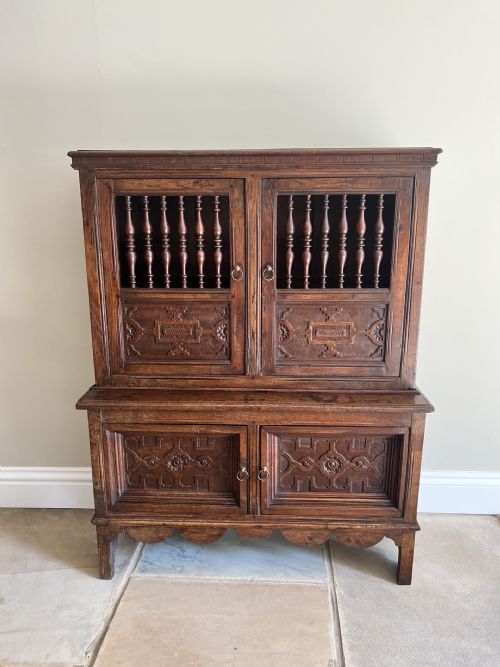
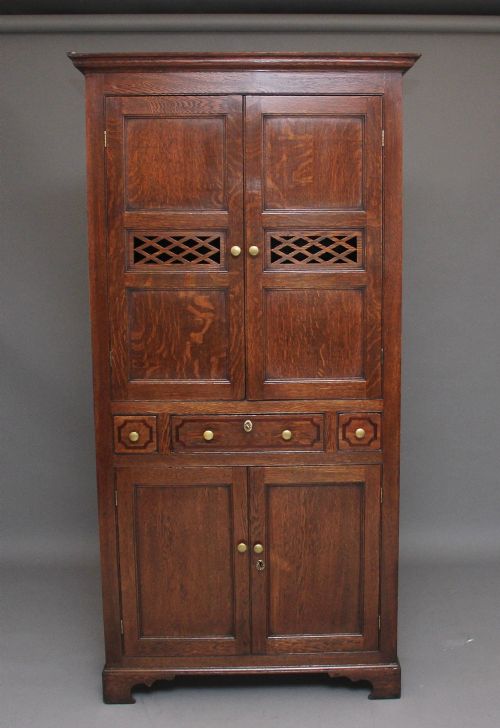
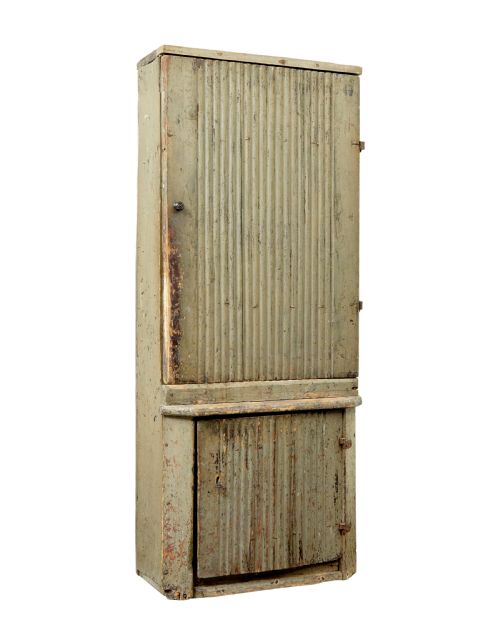
The styles range across French Provincial, Victorian Country, Scandinavian Country, and Folk Art, reflecting diverse domestic traditions. Surviving forms include tall narrow kitchen cupboards, low wide single-door cabinets, and wall-mounted Panetière bread stores constructed from robust timber.
How they were made
Carpenters built these utility cupboards predominantly using solid timbers such as pine, oak, chestnut, and walnut, often applying historic paint finishes or wax over the wood. Construction relied on traditional joinery methods suited to utilitarian furniture intended for daily kitchen use.
Hardware details typically include brass or iron latches, hinges, and handles, which secure doors designed to protect contents while allowing ventilation through panelled or pierced timber.
19th Century Food Safe Retail Price Guide 2026
Typical asking prices for 19th century food safe among the pieces listed under this phrase on Sellingantiques today, from the lower quarter to the upper quarter. They describe what is for sale here now, not the wider market.
Pine, oak, chestnut, and walnut appear across the evidence alongside iron and brass hardware.
What varies in quality
The distinction between standard utility items and superior examples lies in the selection of timber and the sophistication of regional carving or surface paint. Cabinets featuring retained original painted finishes or structured architectural mouldings occupy the upper tier of the range.
Proportion and scale also dictate quality, as narrow housekeeper's larders or diminutive Scottish food cupboards demonstrate deliberate craftsmanship compared to purely utilitarian workshop output.
The 19th Century Food Safe Glossary
- Panetiere
- A traditional wooden cabinet or wall safe specifically designed for storing and airing loaves of bread. These French and European pieces frequently feature turned spindle or pierced ventilation panels.
- Housekeeper's Cupboard
- A large kitchen storage cabinet traditionally used for storing dry goods, linen, and household provisions. They typically combine deep lower cupboards with upper shelving.
- Larder Cupboard
- A tall vertical storage piece designed to keep perishable foodstuffs cool and ventilated. These cupboards often incorporate mesh or slatted panels.
- Folk Art
- Decorative or utilitarian objects created within a traditional community culture, often characterised by naive hand-carved details or distinctive regional painted finishes.
19th Century Food Safe: Frequently Asked Questions
How were food safes used?
These cabinets stored perishable items, dairy, and bread away from insects and household pests before the invention of mechanical refrigeration. Ventilation was prioritised to keep provisions fresh inside.
Domestic spaces utilised them in kitchens, larders, and sculleries as central hubs for daily food preparation and storage management.
Where were these cupboards made?
Makers constructed these pieces across rural workshops throughout Britain, France, Scandinavia, and Eastern Europe. Each region applied local timber species and distinctive decorative painting traditions.
Provincial cabinetmakers adapted standard utility forms to suit the domestic requirements of country houses and farmsteads.
How do I date a food safe?
Dating relies on examining construction techniques, timber preparation, and hardware styles such as hand-forged iron hinges or brass latches. Comparing surface patination and historic paint layers against known period styles helps narrow the timeframe.
Stylistic cues like French provincial moulding or Scandinavian folk carving provide additional chronological markers.
Can I use one in a modern kitchen?
These cupboards integrate easily into contemporary interiors to store tableware, dry goods, or linens while adding rustic texture. Their generous interior shelving suits modern storage needs.
Placing them away from direct heat sources helps preserve historic timbers and original painted or waxed finishes.