
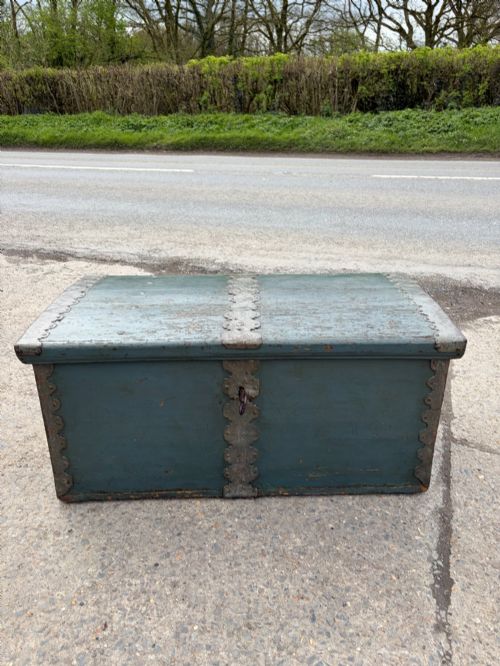


19th Century Folk Chest
These 19th century folk chests bring regional colour and domestic utility into a room, offering robust timber storage shaped by local tradition.
19th Century Folk Chest
When you search for a 19th century folk chest, you encounter practical domestic receptacles ranging from small document boxes and strong boxes to large marriage coffers and dome top trunks. These pieces originate from distinct regional traditions, notably Scandinavian country workshops, Alpine regions, Wales and continental Europe.
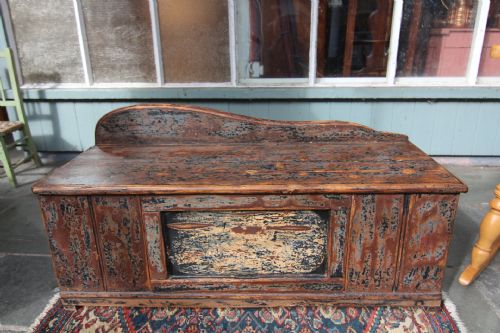
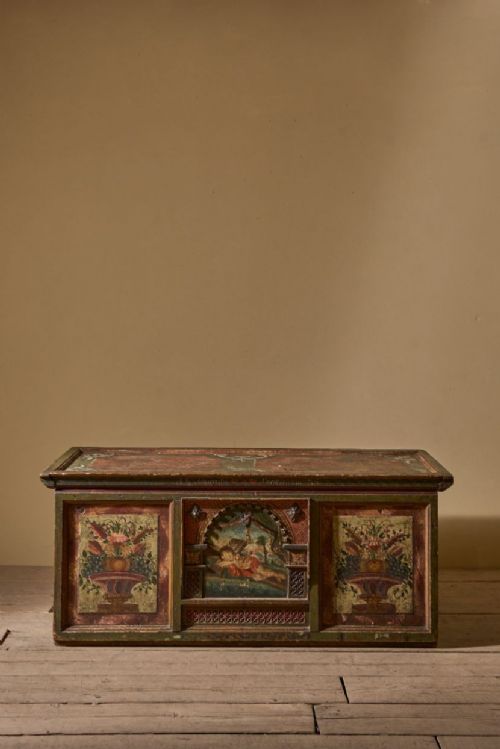
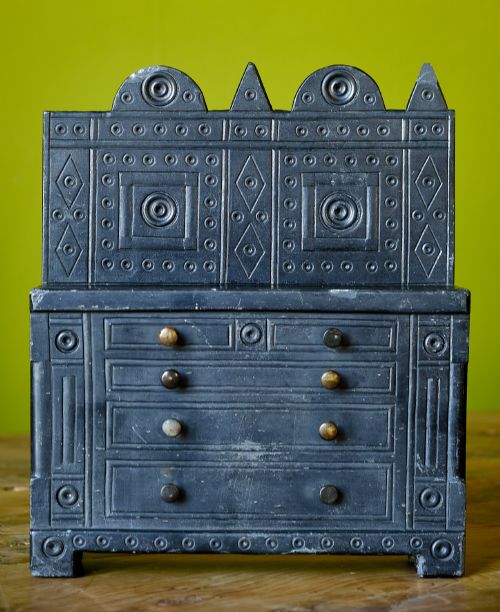
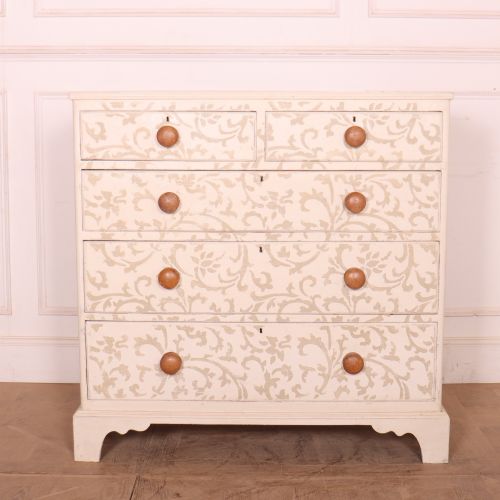
The most common variants on this page are pine boxes and coffers finished in original paint, alongside occasional miniature chests of drawers carved from slate or constructed from pine. Many pieces serve specific traditional roles, such as marriage trunks commissioned for domestic unions or seaman's chests intended for travel.
Makers shaped these items for everyday utility, employing sturdy timber construction to store blankets, linen, deeds and personal valuables. Surviving examples retain the visual character of rural workshops, often displaying regional decorative schemes applied directly to the wood.
How they were made
Carpenters built these receptacles primarily using pine and oak, relying on solid timber boards joined to withstand heavy daily use. Wrought iron, brass and standard iron hardware provided structural reinforcement, forming robust hinges, handles and locking mechanisms for strong boxes and dome top coffers.
Decoration relied heavily on applied pigment, with many surfaces retaining original paintwork, scumble finishes or hand-painted folk motifs. Regional artisans also utilised carving techniques, as seen in Welsh slate models and traditional pine mouldings.
Seamen occasionally carried chests inscribed with phrases like Emblem of Liberty across rolling waves.
What varies in quality
Quality in these pieces depends upon the preservation of the original surface decoration and the integrity of the timber. Surviving paintwork that remains undisturbed and vibrant separates standard utility boxes from highly decorative examples.
Construction details also define the standard of the piece, particularly the dexterity of the hand-carving, the complexity of shaped lids or strong box forms, and the original ironwork fitted by the maker.
The 19th Century Folk Chest Glossary
- Coffer
- A heavy wooden chest traditionally used for storing valuables or household goods. These containers often feature flat or dome tops and sturdy iron reinforcement.
- Strong box
- A heavily reinforced small chest designed to secure money, documents or precious items. They frequently utilise robust iron hardware and secure locking mechanisms.
- Scumble
- A decorative painting technique involving a translucent layer of colour dragged or brushed over a base coat. This method creates mottled, aged textures often found on pine furniture.
- Marriage trunk
- A large celebratory chest commissioned to mark a wedding. Artisans frequently decorated these containers with names, dates, or specific regional motifs.
19th Century Folk Chest: Frequently Asked Questions
What were 19th century folk chests used for?
These chests served practical storage roles in rural homes, holding blankets, linens, personal clothing and domestic documents. Larger marriage trunks and coffers housed household goods accumulated for new households.
Smaller strong boxes and document chests kept valuables and legal papers secure. Their sturdy construction allowed them to function reliably across generations of domestic life.
How do I identify original paint on a chest?
Original paint displays natural wear, craquelure and patina consistent with age and regular handling. Pigments integrate closely with the underlying pine or oak rather than sitting in flat, modern layers.
Inspect corners, hinges and recesses where cleaning cloths rarely reach. Residual layers of earlier decoration or consistent oxidation help confirm the historic surface.
Where did these folk chests originate?
The pieces originate from rural workshops across Scandinavia, the Alpine regions, Wales and continental Europe. Each region developed distinct decorative vocabularies and structural preferences.
Scandinavian workshops frequently produced painted pine strong boxes and dome top coffers, while Welsh makers worked with local pine and slate.
How should I care for a painted pine chest?
Keep painted timber pieces away from direct sunlight and steady heat sources to prevent the wood from warping and the historic pigment from fading. Maintain a stable room temperature.
Dust the surfaces gently with a dry, soft cloth. Avoid applying modern polishes, solvents or aggressive cleaning agents that might damage the original paint layer.