

19th Century Figure Sculpture
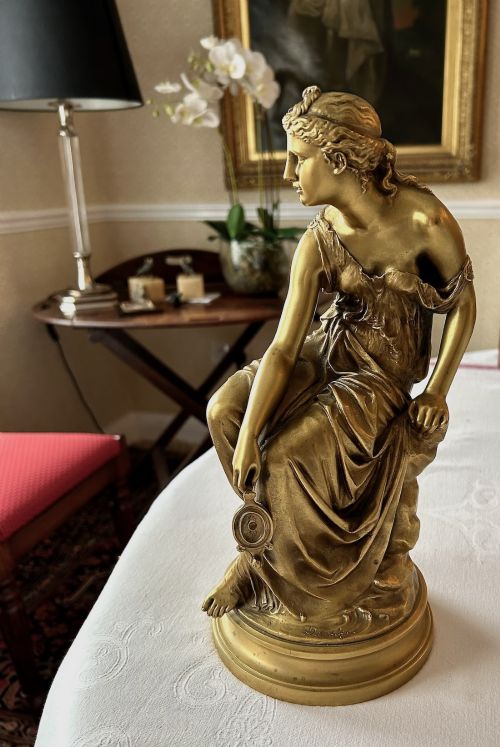
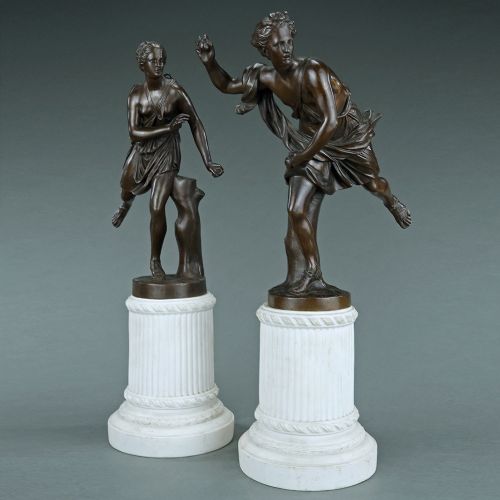
19th century figure sculpture brings classical myth, animal studies and portraiture into the home through cast bronze, carved marble and moulded porcelain.
19th Century Figure Sculpture
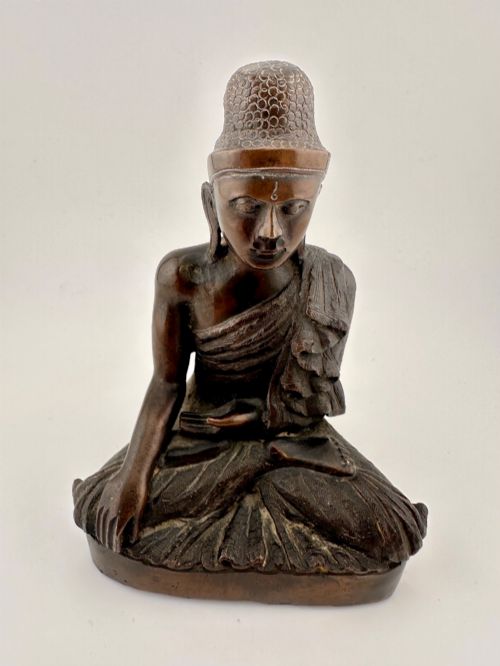
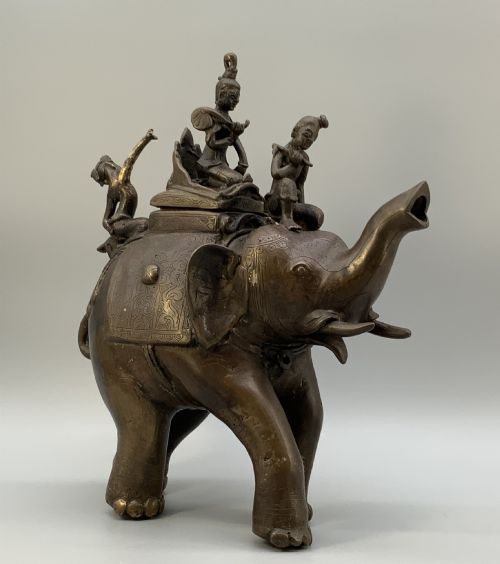
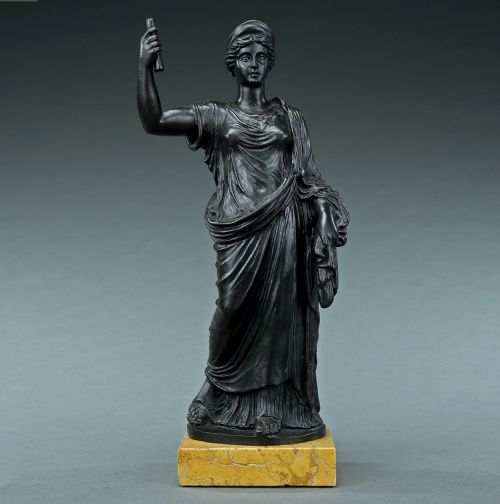
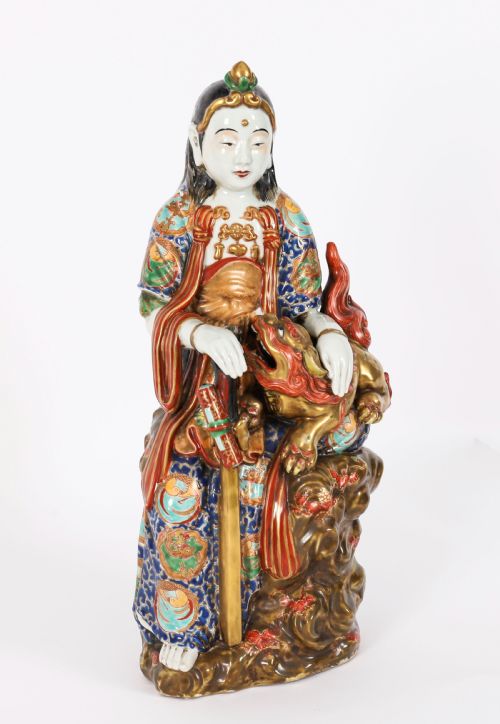
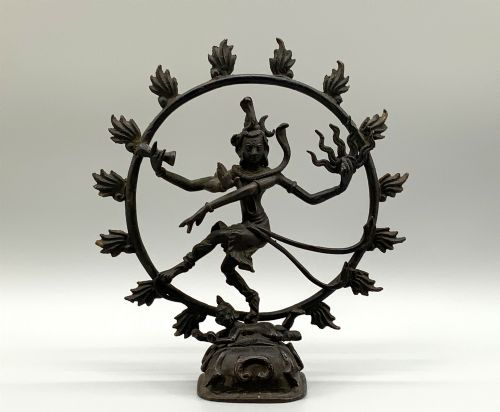
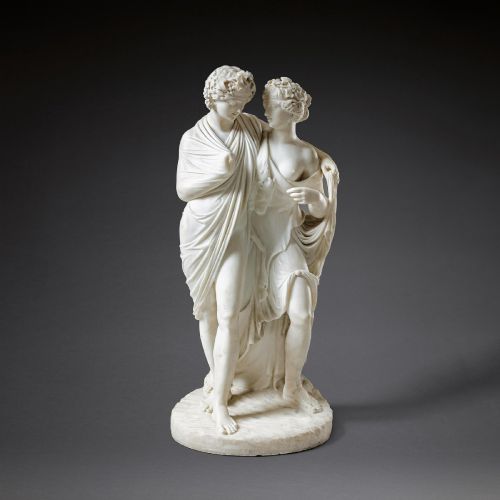
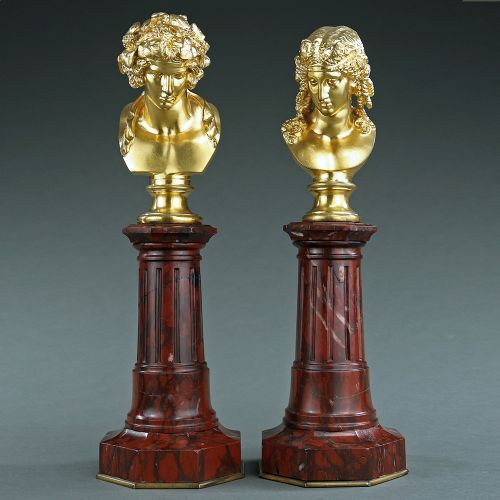
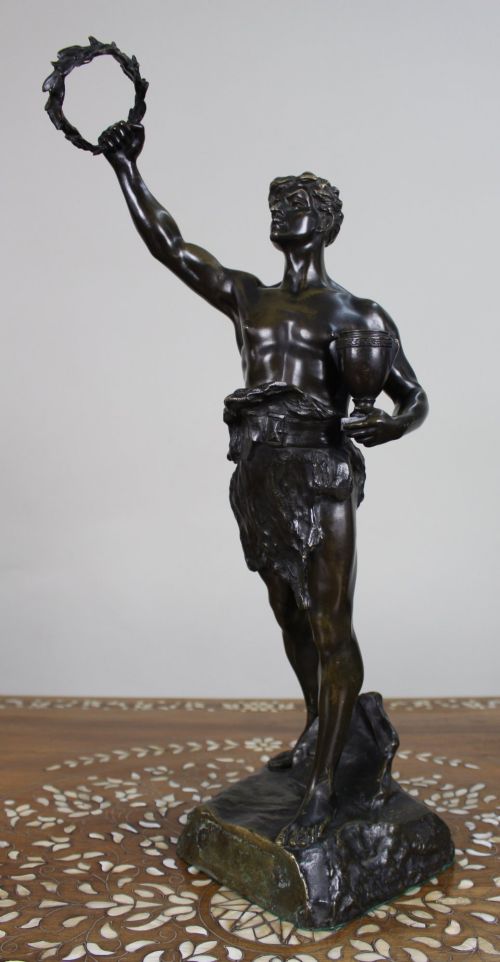
Buyers seeking 19th century figure sculpture encounter a diverse array of mediums, including patinated bronze, Carrara marble and Meissen porcelain. The selections span European foundry works, Grand Tour souvenirs and Asian ritual figures in bronze, soapstone and coral.
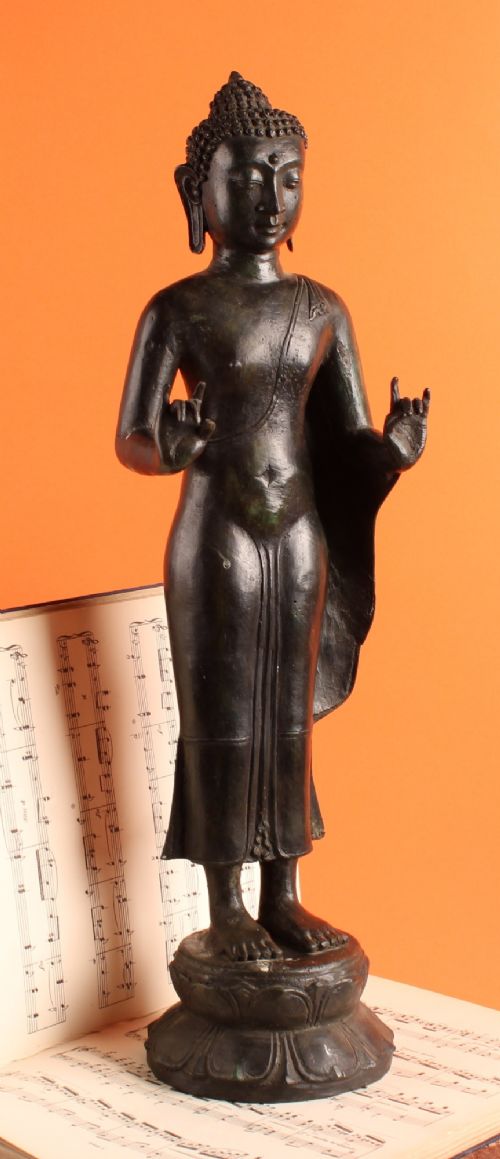
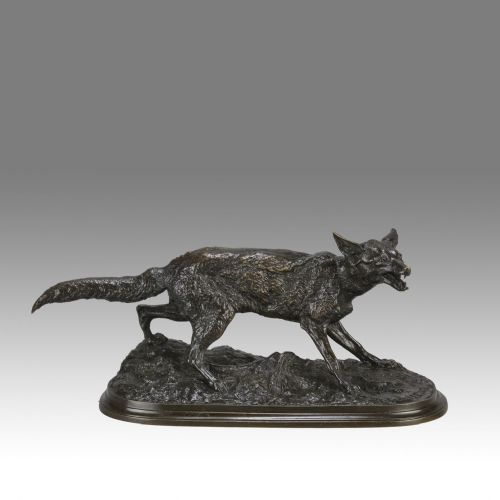
French workshops and Italian studios dominate the offerings, producing mythological figures, allegorical putti and Animalier studies. Portrait busts of historical figures and classical deities appear alongside Buddhist statues and Chinese Daoist immortals.
The forms range from cabinet-sized desk ornaments to monumental architectural groupings. Whether cast in Paris or carved in Florence, these pieces reflect the varied aesthetic ambitions of the Victorian era.
Methods and materials of the period
Foundries employed the lost-wax casting method for intricate bronzes, applying chemical patination or gilt finishes to highlight surface details. Marble pieces relied on hand-chiseled reduction from classical models, often mounted on veined fossil bases.
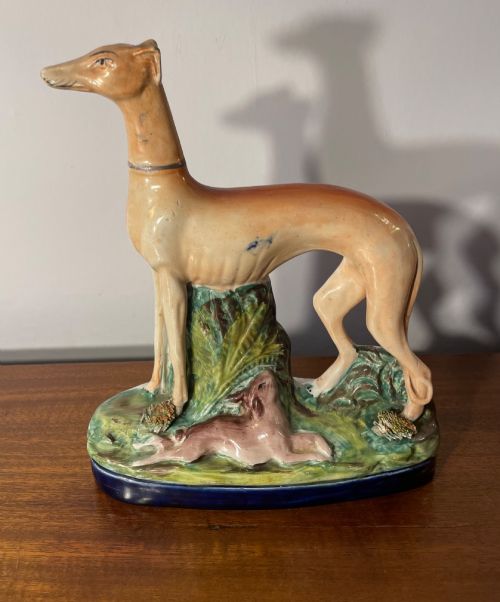
Ceramic figures utilised hard-paste porcelain bodies, shaped in multi-part moulds before undergoing high-temperature firing and hand-painting with enamel colours. Woodcarvers worked with walnut and fruitwood, utilising fine chisels to render deep grain and texture.
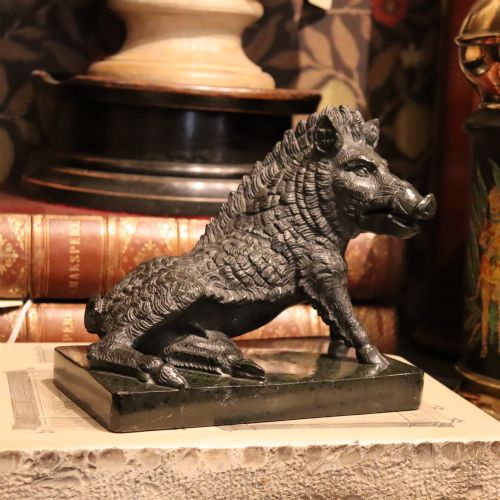
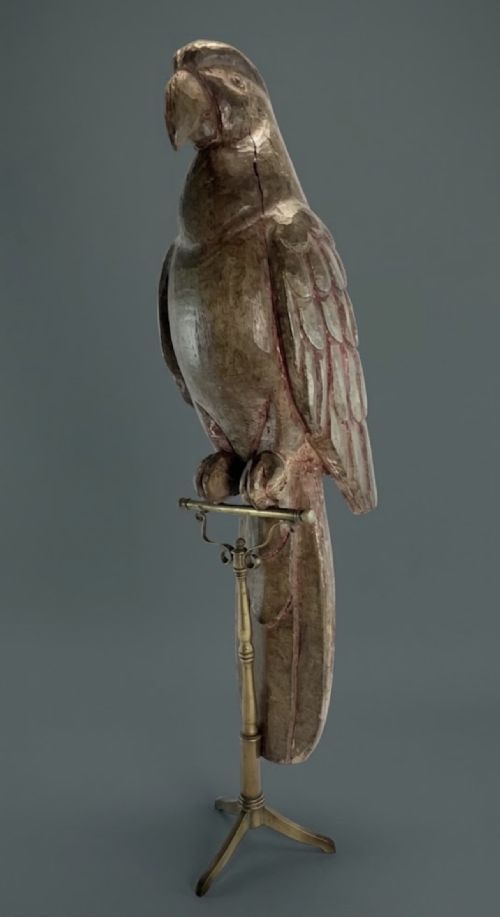
Among the menagerie of nineteenth-century subjects, pigs and parrots find themselves rendered with the same solemn dignity usually reserved for emperors and deities.
Determining quality in sculptural works
In carved stone and wood, the depth of undercut and the naturalistic flow of drapery separate master carvers from mechanical copyists. Porcelain quality shows in the delicacy of modelled plumage or petal edges and the precision of the overglaze enamelling.
Etienne-Henri Dumaige·Ferdinand Barbedienne·Carlo Albacini·P J Mêne·Moreau Family·Barranti·Auguste Moreau
The 19th Century Figure Sculpture Glossary
- Animalier
- A nineteenth-century artistic genre focusing on the realistic portrayal of animals, particularly predators, horses and farm stock. Practitioners captured anatomical tension through detailed bronze casting.
- Grand Tour
- A traditional trip through Europe undertaken by upper-class young men to absorb classical culture and art. Souvenirs purchased on these journeys included small-scale bronze copies of ancient statues.
- Lost-wax casting
- A metalworking process where a molten metal is poured into a mould that has been created by means of a wax model. Once the metal cools, the wax mould is melted and drained away.
- Patination
- The process of applying chemical treatments to the surface of metal to create a coloured oxide layer. This technique enhances depth and protects the underlying bronze from environmental corrosion.
- Neoclassical
- A Western cultural movement drawing inspiration from the art and culture of classical antiquity. Sculptors working in this style emphasised austere linear precision and heroic mythological subjects.
19th Century Figure Sculpture: Frequently Asked Questions
How do I clean antique bronze sculptures?
Dust the surface regularly with a soft, dry brush to prevent particulate accumulation. Avoid using water, soap or metal polishes, which strip the historic patina.
Apply a microcrystalline wax sparingly if the metal appears dry, buffing it gently with a clean cloth. Professional conservation is recommended for deep cleaning or active corrosion.
Were these pieces signed by the artist?
Many works bear cast signatures or foundry marks on the base or plinth. Signatures indicate the modeller or sculptor, while foundry stamps identify the casting house.
Unsigned pieces remain common, often representing anonymous studio production or Grand Tour trade output from Italian and French workshops.
How do I display marble and bronze?
Place heavy sculptures on stable, level furniture capable of supporting the weight of stone and metal. Keep pieces away from direct heat sources and strong sunlight to prevent thermal shock and fading.
Ensure adequate clearance around protruding elements such as limbs or drapery to avoid accidental impacts in high-traffic rooms.
What is the difference between cast and carved pieces?
Cast sculptures involve pouring molten metal or liquid slip into a mould, allowing multiple editions from a single model. This method defines bronzes and porcelain figures.
Carved works require direct reduction from a solid block of material, such as marble, wood or soapstone. Each carved sculpture remains an individual piece.