


19th Century Figural Sculpture
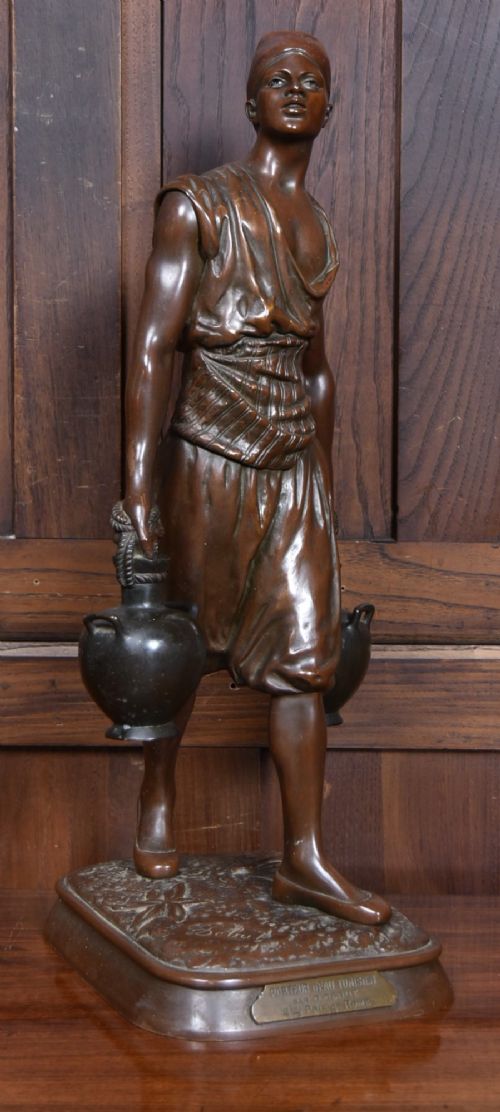
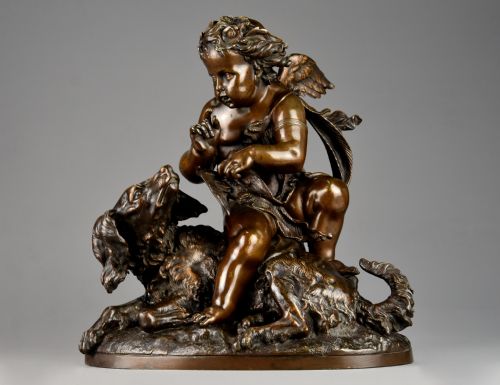
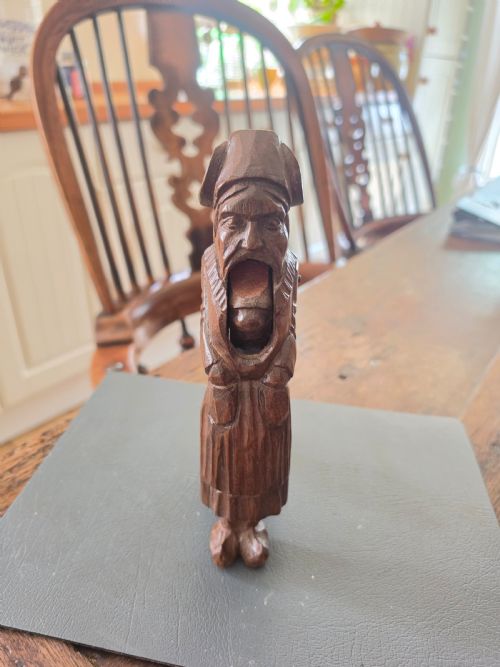
These pieces of 19th century figural sculpture capture human and animal forms in metal, stone and wood, offering a tangible connection to period craft.
19th Century Figural Sculpture
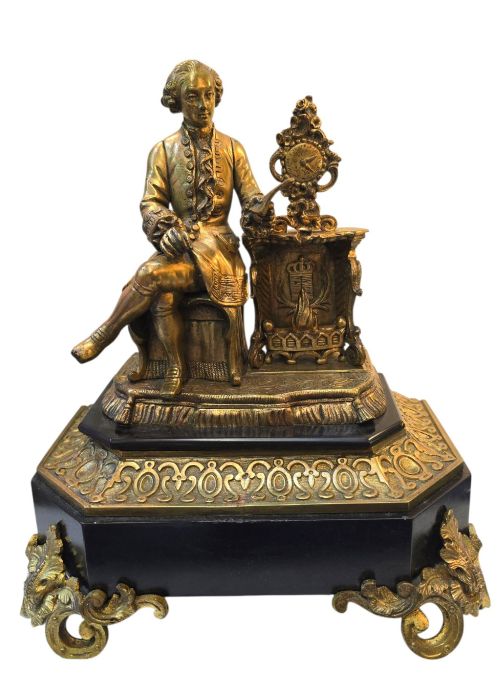
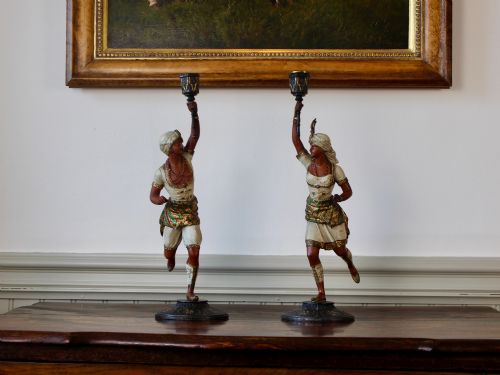
When you search for 19th century figural sculpture, you encounter a diverse range of artistic interpretations spanning classical revival, realism and Art Nouveau. These objects take the form of freestanding statues, mantel clocks, inkstands, lamps and candlesticks designed to ornament domestic interiors.
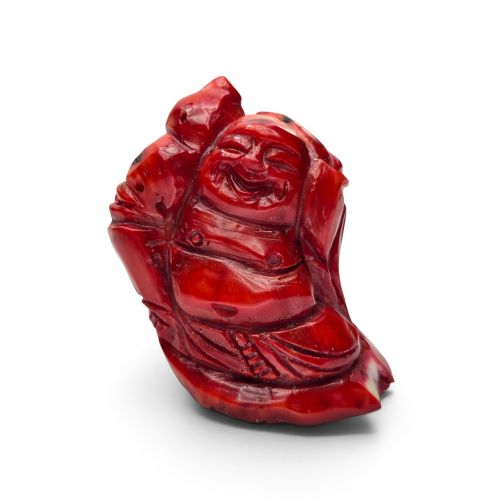
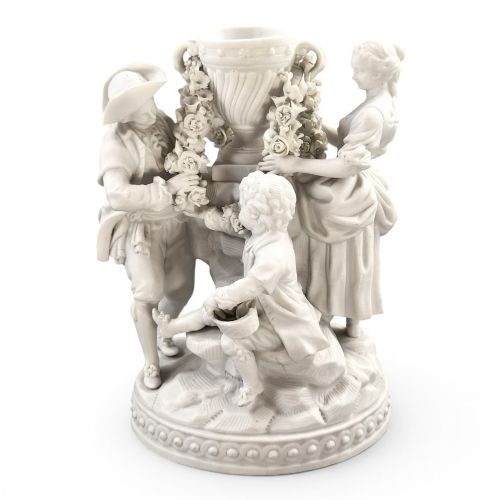
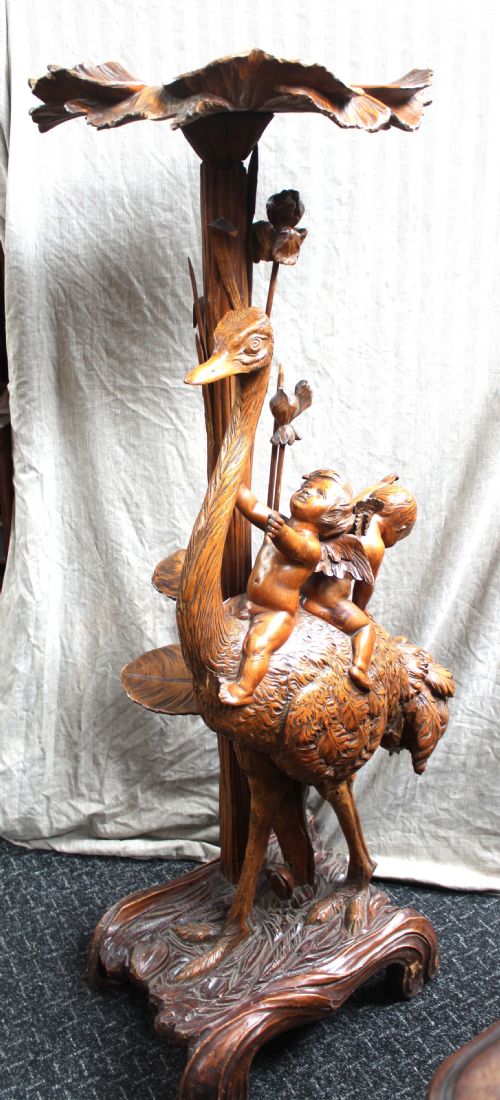
The most common items on this page originate from French workshops, executed in bronze or patinated metal. Alongside European bronzes, you find carved wood, marble figures, biscuit porcelain and occasional Asian works sharing the same period aesthetic.
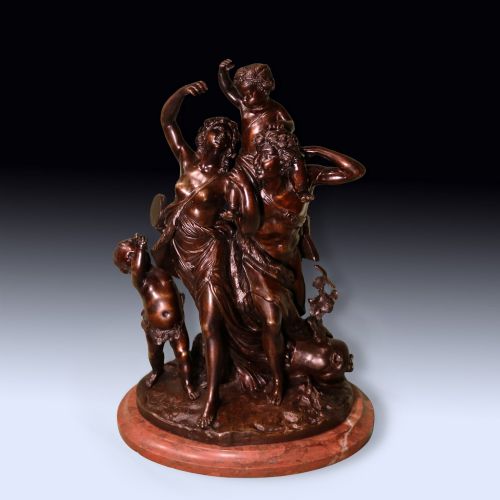
Subjects range from mythological figures and allegorical themes to everyday workers, musicians and children at play. Many works reflect the stylistic shifts of the Victorian era, moving from academic revivalism toward flowing organic lines.
Materials and construction methods
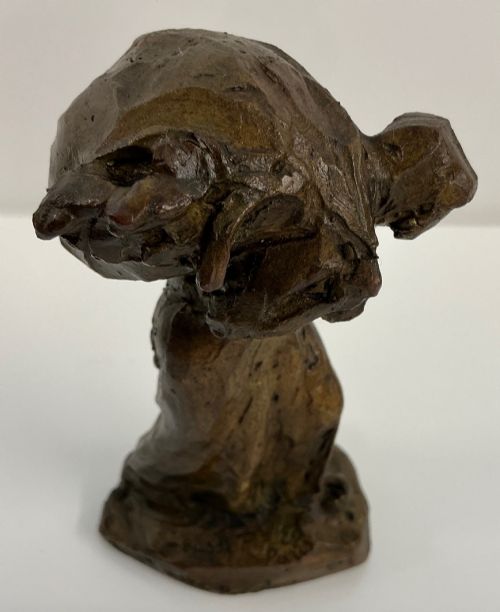
Bronze casting forms the backbone of this category, often utilising the lost-wax method or sand casting to achieve intricate detail in hair, drapery and facial expressions. Founders applied various chemical patinas, cold-painted highlights, or gilding in ormolu to finish the metal surfaces.
Sculptors also worked in carved wood, marble and terracotta, mounting finished figures onto marble socles or wooden stands. Porcelain and earthenware examples, including Parian ware and glazed ceramics, were shaped in moulds and fired in kilns before optional hand-painting or glazing.
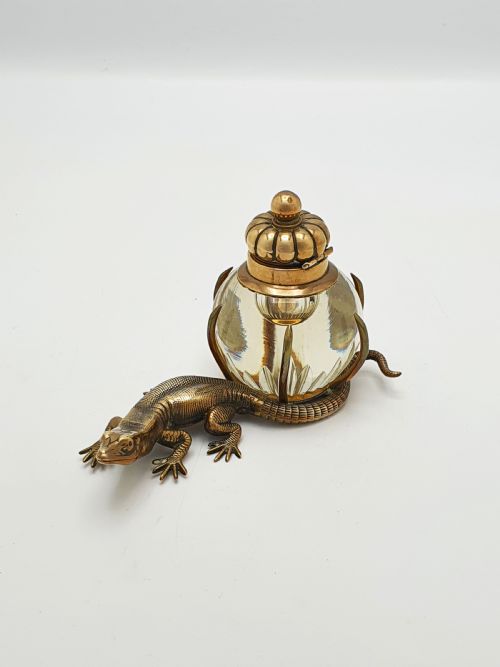
A bronze lizard keeps watch from an inkstand, proving that Victorian desk accessories had a wild side.
Distinguishing quality in sculptural pieces
Quality reveals itself primarily in the crispness of the casting and the sensitivity of the hand-finishing. Superior bronzes display clean chasing where the founder has removed seams and sharpened details that lost definition during the casting process.
The sophistication of the composition and the expressiveness of the figure dictate the standing of a piece. Works by documented sculptors or established foundries command greater interest due to the precision of their modelling and the richness of their patination.
Pierre-Augustin Caron de Beaumarchais·Jules Dalou·Carrier-Belleuse·E. Drouot·Emile Picault·Clodion·Claudius Marioton·Auguste Moreau·Lucien Madrassi·Ernst Barrias·Emmanuel Villanis·Miyao Eisuke
The 19th Century Figural Sculpture Glossary
- Patinated bronze
- Bronze treated with chemical solutions to produce a specific surface colour, ranging from deep brown to green. This coating protects the metal and adds visual depth.
- Ormolu
- Gilded bronze produced by applying a mercury-gold amalgam to the metal surface and heating it. This technique creates a bright, durable gold finish.
- Spelter
- A zinc alloy frequently used as a cheaper alternative to bronze during the period. It is softer and lighter than bronze, often finished with cold-painted decoration.
- Socle
- A short plinth or pedestal supporting a bust, figure or vase. It provides a stable base and lifts the sculpture visually from the surface below.
19th Century Figural Sculpture: Frequently Asked Questions
How do I clean a bronze sculpture?
Dust the surface gently with a soft, dry brush to remove particles. Avoid using water, soap or commercial metal polishes, as these can strip the original patina.
Applying a very light coat of microcrystalline wax helps protect the metal from moisture and handling. Buff the wax gently with a clean cloth after application.
What is the difference between bronze and spelter?
Bronze is a durable copper-alloy metal that takes fine detail and heavy patination well. Spelter is a softer zinc-based alloy that feels lighter and shows more wear.
Looking at the underside or base often reveals the paler grey metal of spelter if the surface coating has worn away.
How can I identify the period of a figure?
Examine the style of clothing, hair and base design for clues to the decade of creation. Art Nouveau pieces show flowing organic lines, while earlier Victorian works lean toward classical revivalism.
Foundry marks, signatures and registration stamps stamped into the metal provide the most reliable dating evidence.
Where should I display figural lamps and clocks?
Place mantel clocks and sculptural lamps on stable, level surfaces away from direct heat sources and strong sunlight. Heavy bronze groups require sturdy furniture to support their weight safely.
Ensure electrical conversions on period lamps meet current safety standards if you plan to use them operationally.