
19th Century Figural Bronze
These pieces capture the enduring appeal of 19th century figural bronze, combining sculptural artistry with functional design for any room.
19th Century Figural Bronze
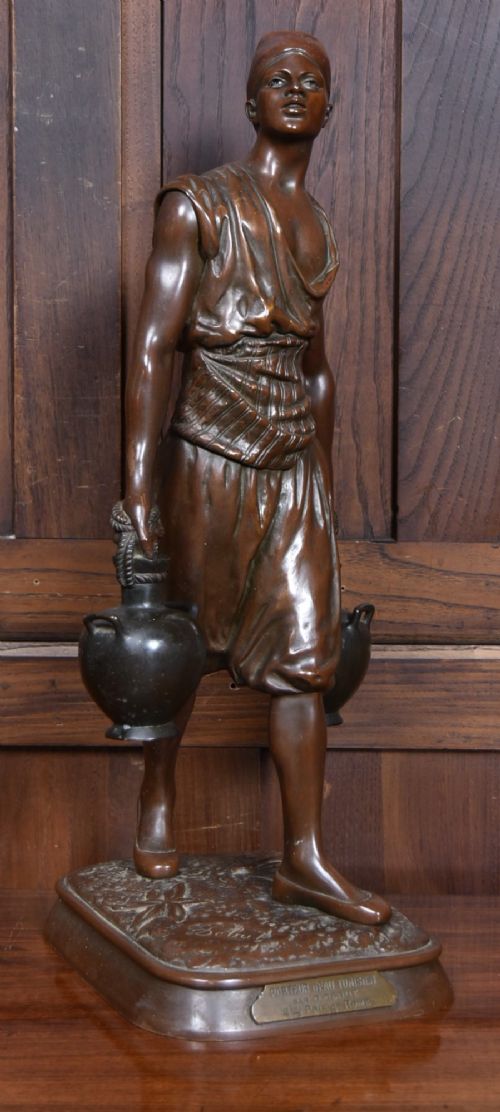
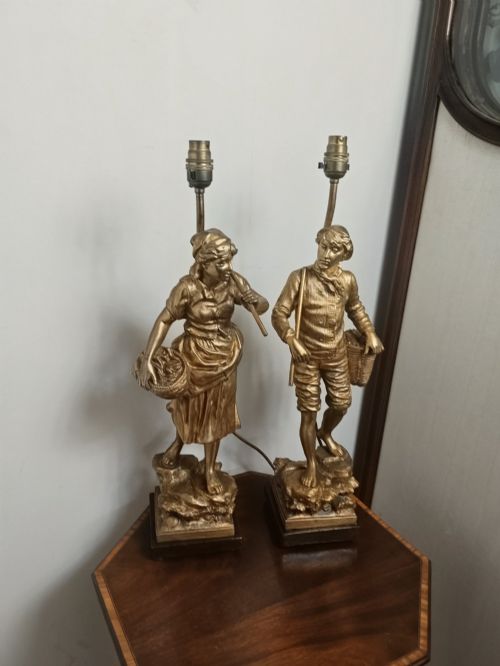
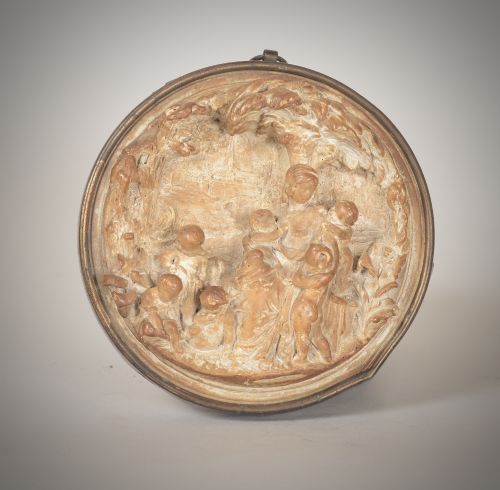
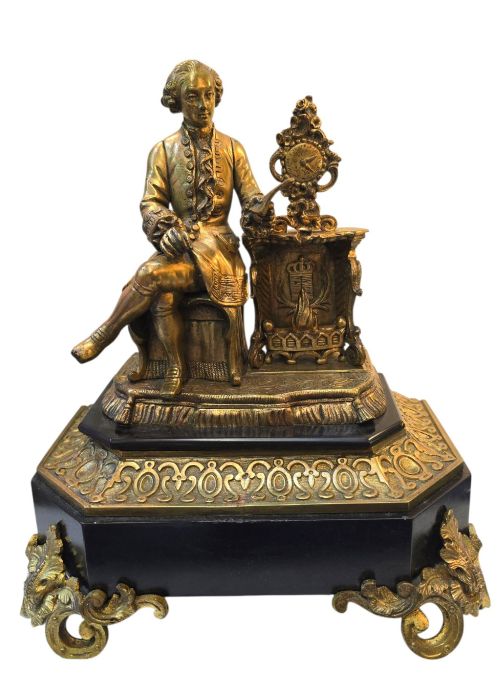
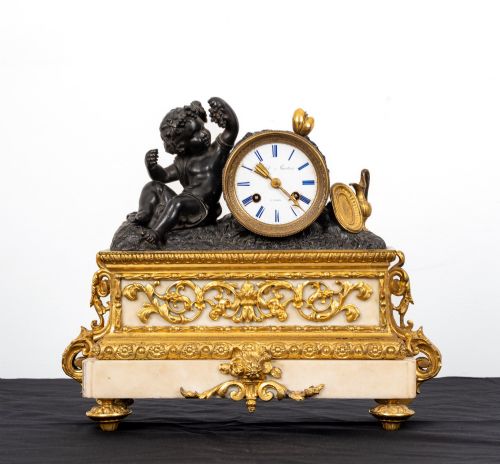
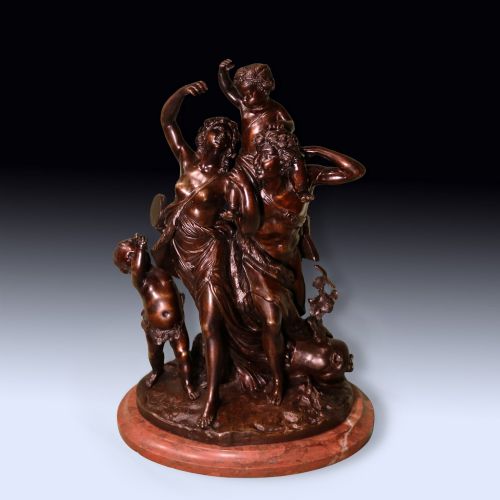
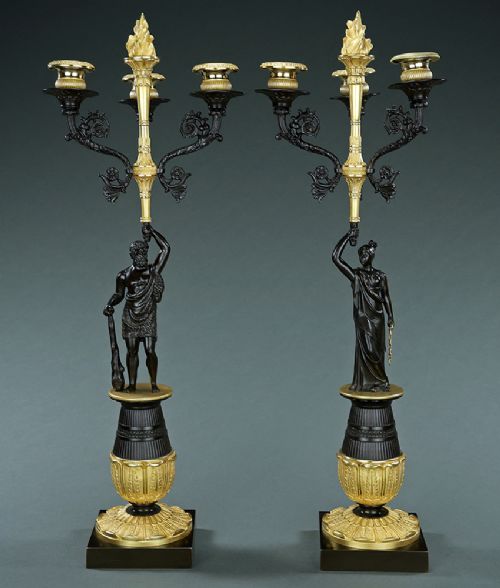
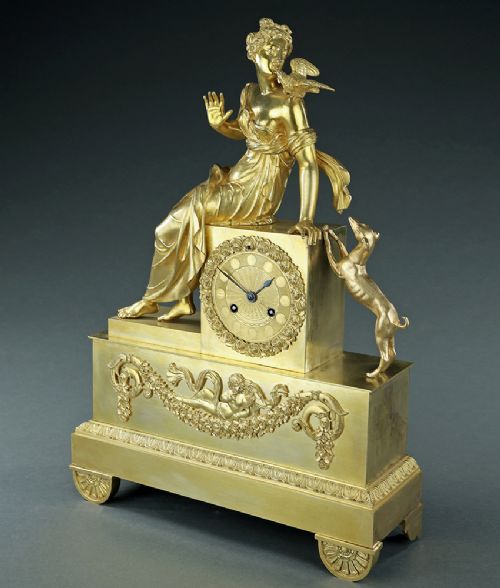
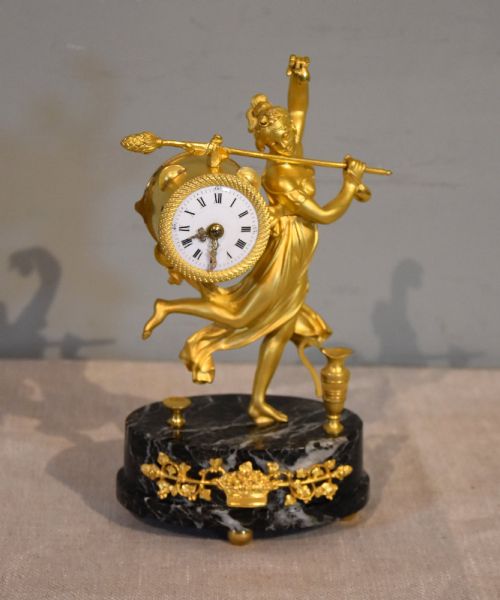
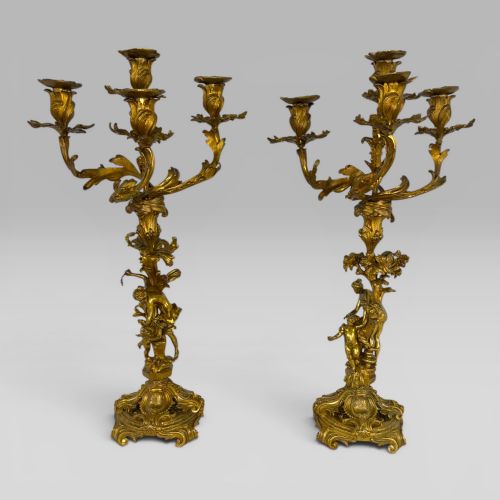
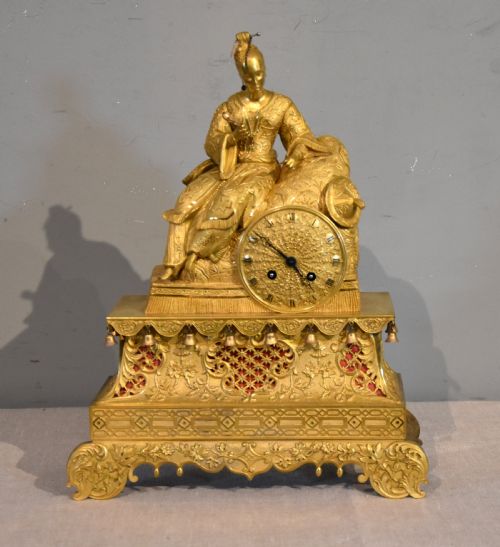
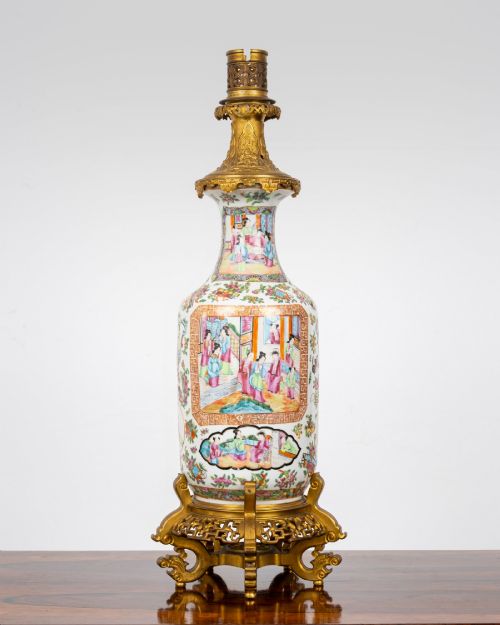
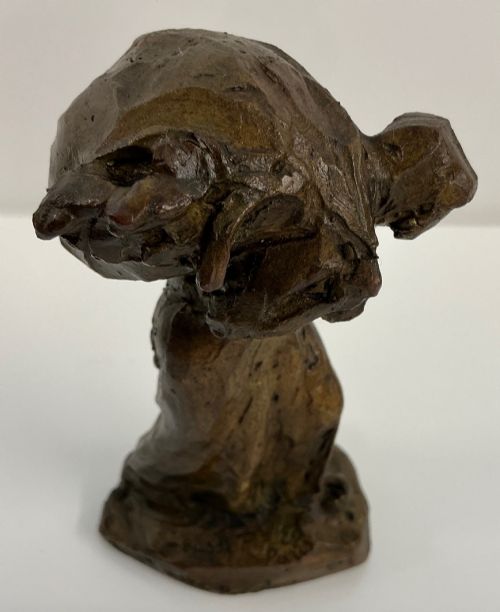
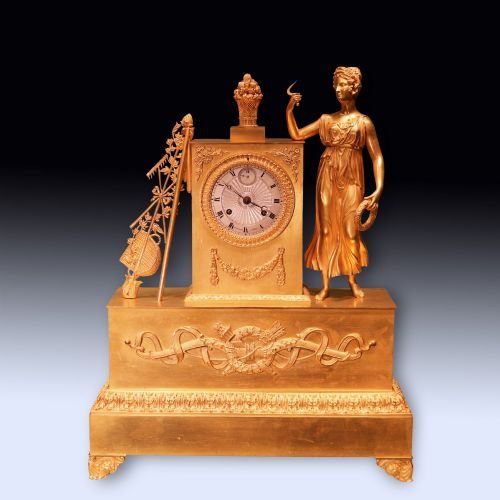
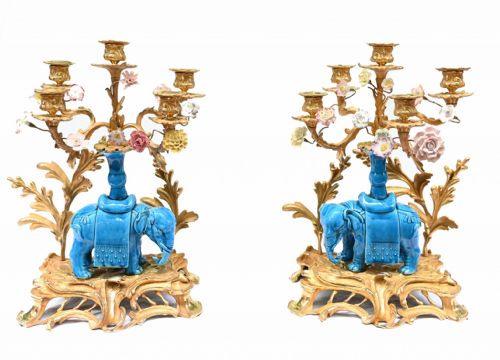
When you search for 19th century figural bronze, you encounter objects that merge metalwork with human, animal or mythical representation. The selection on this page leans heavily toward French models, including mantle clocks, candelabra, table lamps and free-standing sculptures.
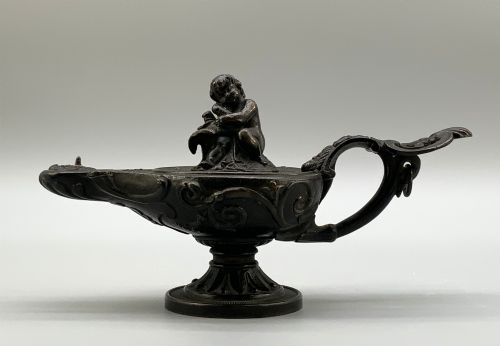
The forms span domestic items like inkwells and chenets alongside grander sculptural groups. French Empire, Rococo Revival and Art Nouveau idioms dominate the output, reflecting changing tastes across the decades.
Makers and foundries frequently utilised marble, onyx or porcelain in tandem with the metalwork. Figures range from classical deities and allegorical subjects to orientalist studies and naturalistic animal groups.
Materials and Working Methods
Foundries employed the lost-wax casting method or sand casting to create these figures in bronze or brass. Artisans then finished the raw metal surfaces through chasing, filing and polishing by hand.
Gilding was applied via mercury amalgamation to produce ormolu, while other pieces received patination through chemical treatments to achieve dark brown or green tones. Cold-painted finishes also appear on certain spelter and bronze items.
Mounts and figures were secured to bases of marble, onyx or wood using threaded pins and nuts. Enamel dials and porcelain plaques were frequently integrated into functional pieces like clocks and lamps.
Judging Quality in Metalwork
The crispness of the chasing separates superior castings from softer, repetitive production pieces. Sharp details in hair, drapery and facial expressions indicate careful hand-work after the casting process.
The quality of the mercury gilding or patination dictates the visual depth of the surface. Rich, multi-toned patination and heavy, uniform ormolu reflect high workshop standards.
Substantial weight and solid construction of bases, mounts and internal mechanisms denote better execution. Integrated materials like matched marble plinths or fine porcelain inserts further elevate the piece.
E Rousseau·Siffel and Cartier·Japy Freres·Leroy Paris·Miyao Eisuke
The 19th Century Figural Bronze Glossary
- Ormolu
- Gilt bronze created by applying a mixture of gold and mercury to a bronze base. This technique was widely used by French makers to achieve a bright, durable golden finish.
- Patinated Bronze
- Metal treated with chemical solutions to produce a specific surface colour, usually dark brown, black or green. It protects the metal and defines the sculptural contours.
- Spelter
- A zinc-based alloy often used as a less expensive alternative to bronze during the period. It was frequently painted or electroplated to mimic genuine bronze or ormolu.
- Grand Tour
- Souvenirs and artworks purchased by affluent travellers touring cultural sites in Europe. These items often replicated classical sculptures or architectural forms in miniature.
- Chenets
- Ornamental metal guards placed at the front of a fireplace. They frequently featured figural designs matching the decorative style of the room.
19th Century Figural Bronze: Frequently Asked Questions
How do I clean 19th century bronze?
Dust the surface gently with a soft, dry brush to remove loose particles. Avoid using water, household cleaners or abrasive cloths that can strip the original patination.
Apply microcrystalline wax very sparingly if the metal requires protection, buffing it out completely with a clean cloth. Professional conservation is recommended for pieces with delicate gilding or fragile surface treatments.
Were these clocks and lamps electrified later?
Many mantel clocks and candelabra retain their original mechanical movements or candle sockets. Table lamps and wall lights from this era were frequently adapted for electricity during the twentieth century.
Inspect wiring and internal components carefully when acquiring functional lighting pieces. Professional rewiring ensures safety while preserving the antique mountings.
How can I tell bronze from spelter?
Bronze is heavier, denser and colder to the touch than spelter. Examining the underside or interior often reveals the darker, reddish-brown hue of genuine bronze compared to the grey metal visible beneath worn spots on spelter.
Spelter is also softer and more brittle, meaning fine details are more prone to bending or snapping.
What is the difference between ormolu and gilt bronze?
Ormolu specifically refers to objects gilded using a mercury-gilding process common in eighteenth and nineteenth-century France. The term gilt bronze is a broader description that can encompass various methods of applying gold leaf or plating to a bronze base.
Both finishes require careful handling to maintain their lustre over time.