


19th Century Female Portrait
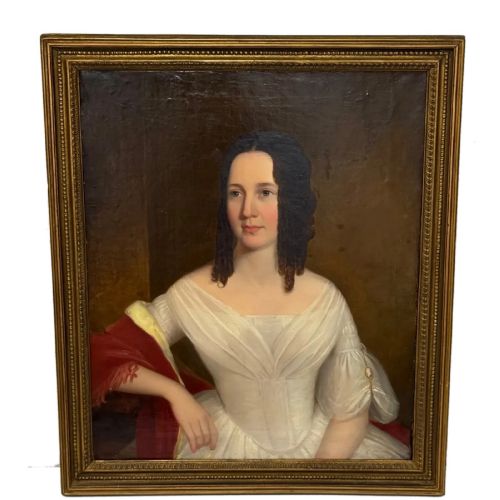
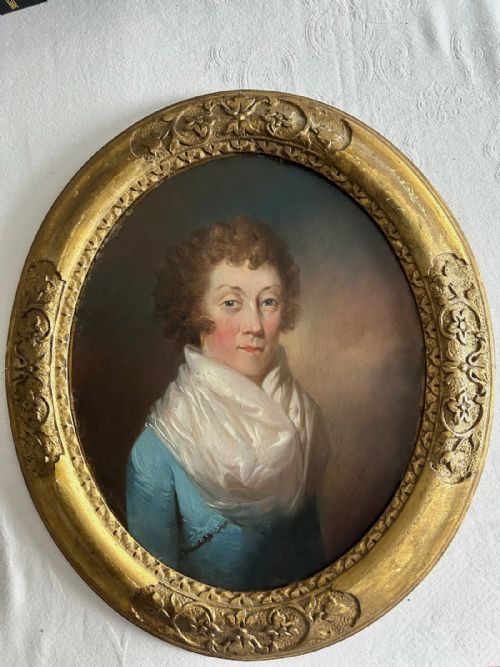
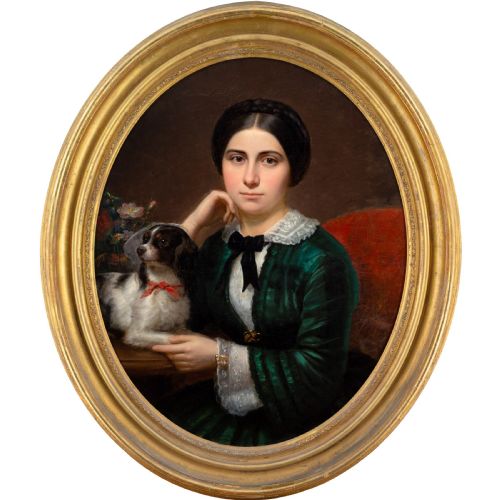
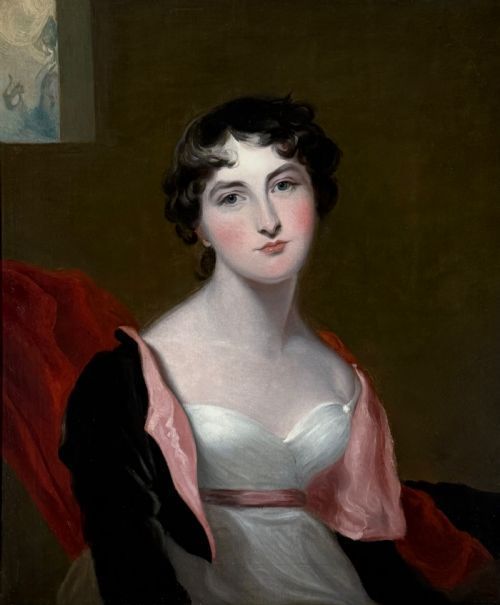
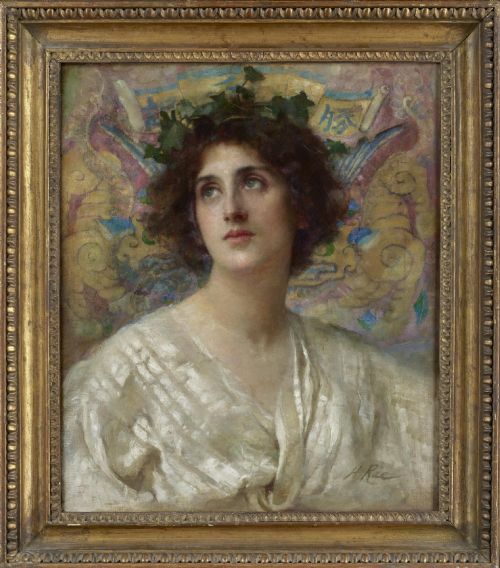
A 19th century female portrait captures character and likeness across oils, watercolours, and sculpted busts.
19th Century Female Portrait
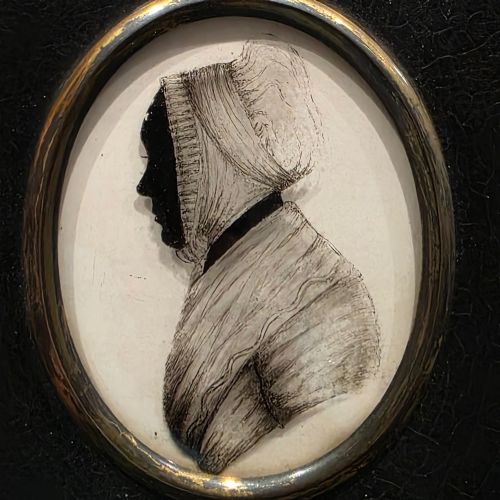
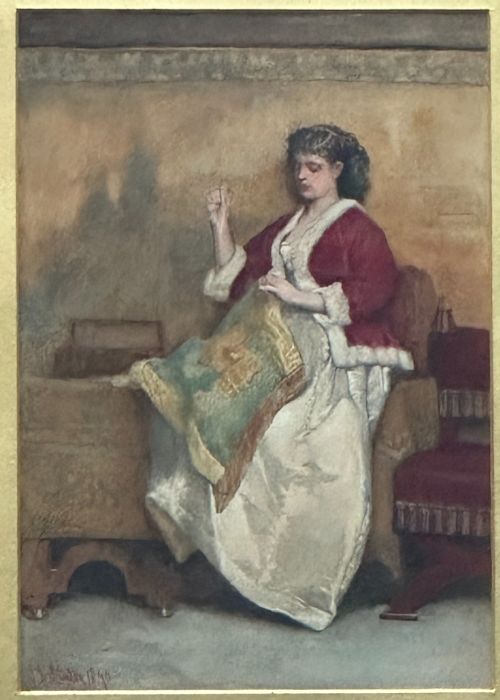
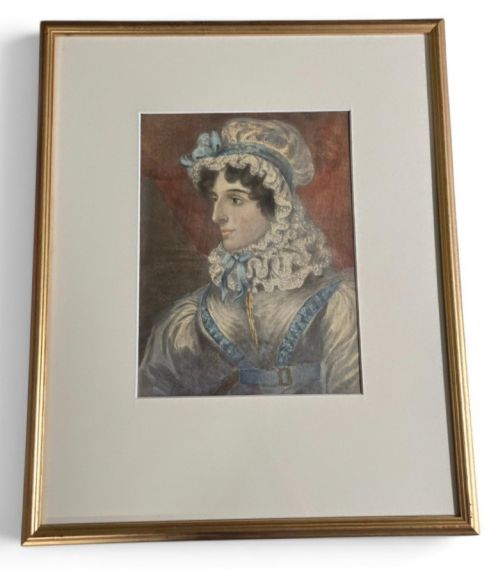
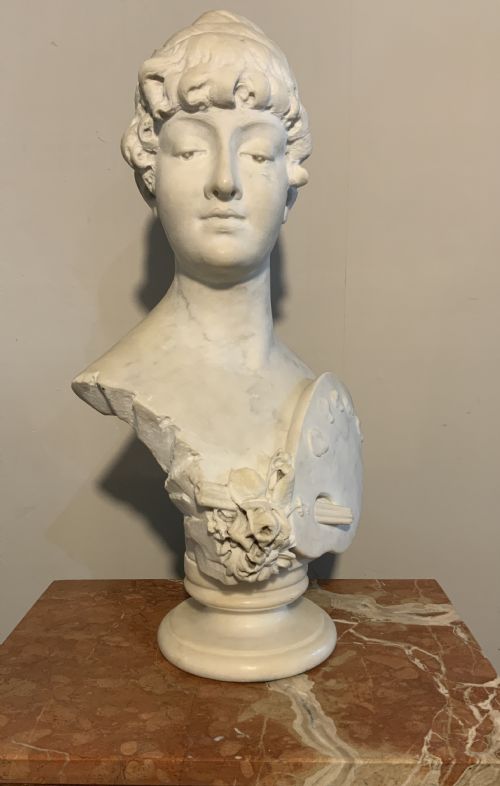
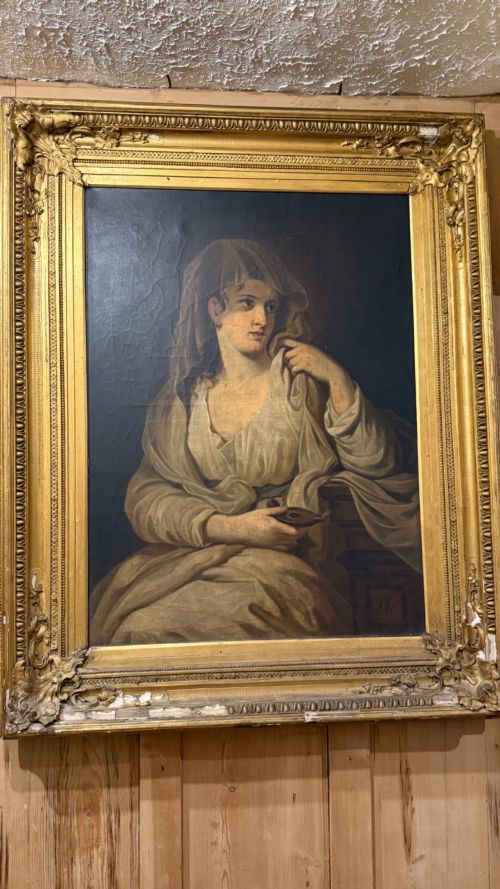
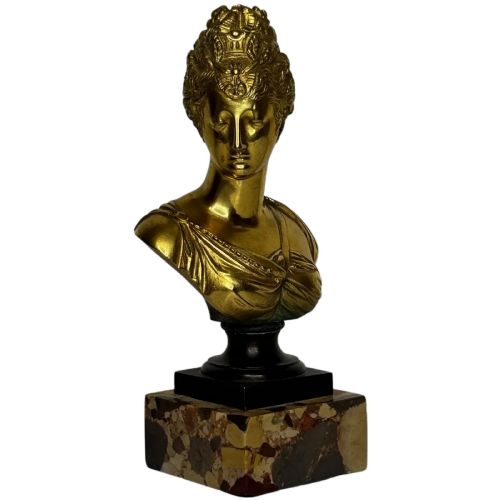
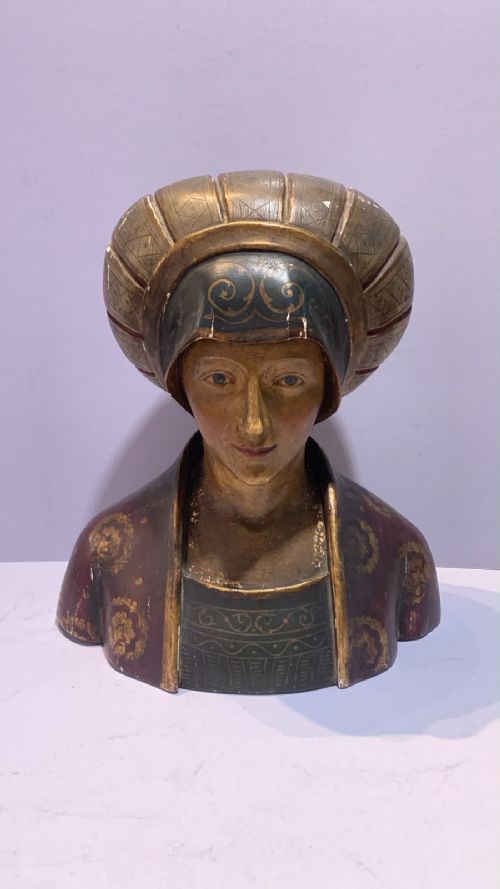
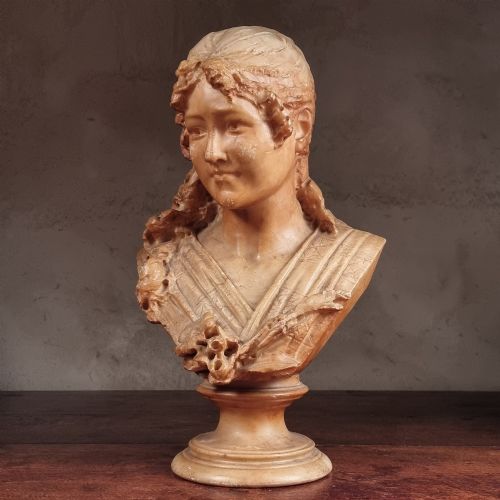
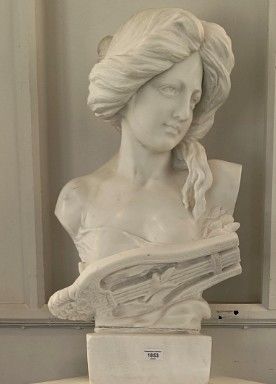
A 19th century female portrait encompasses painted canvases, delicate watercolours, pastels, and three-dimensional busts in bronze, marble, and alabaster. These works range from intimate miniature silhouettes and cabinet watercolours to large gallery oils and substantial Grand Tour sculptures.
The subjects span society figures, mythological characters, and local models depicted through Victorian, Regency, and Neoclassical styles. Works emerge from British, French, and wider European schools across the Georgian and Victorian eras.
Buyers frequently encounter framed oil paintings on canvas or wood panel alongside glazed watercolours and cast metal or carved stone sculpture. These pieces reflect the evolving artistic movements from early century academic traditions to late period Art Nouveau.
Materials and methods
Artists painted in oil on canvas and wood panel, or worked with watercolour, gouache, and pastel on paper, frequently enclosing smaller watercolours behind glass within wooden or ornate giltwood frames.
Sculptors shaped three-dimensional representations by carving Carrara marble and alabaster, casting in bronze, or modelling in terracotta.
Makers utilised specialised techniques such as reverse painting on glass for silhouettes and applied detailed finishing to carved stone and cast metal surfaces.
19th Century Female Portrait Retail Price Guide 2026
Typical asking prices for 19th century female portrait among the pieces listed under this phrase on Sellingantiques today, from the lower quarter to the upper quarter. They describe what is for sale here now, not the wider market.
Listings feature works across paper, canvas, alabaster, marble, and bronze from Georgian, Regency, and Victorian periods.
Judging quality in portraiture and sculpture
The integrity of the medium matters, seen in the stable condition of an oil canvas, the preservation of pigment in a watercolour, or the crispness of detail in a bronze cast and marble chisel work.
Associated framing and provenance elevate a piece, particularly when original period giltwood frames, contemporary inscriptions, or attributed makers accompany the work.
Sir James Dromgole Linton·Emmanuel Villanis·Alice Anne Renshaw·Henry E Hobson·Solomon Alexander Hart
The 19th Century Female Portrait Glossary
- Silhouette
- A solid dark profile portrait, usually cut from paper or painted on glass or card. These monochrome likenesses became highly fashionable during the Georgian and Regency periods.
- Grand Tour
- A cultural trip through Europe undertaken by young upper-class people in the 19th century. Travellers frequently acquired small busts and artworks as souvenirs.
- Giltwood
- Wood that has been carved and coated with gold leaf or gold paint. This finish frequently decorates period picture frames.
- Neoclassical
- An artistic style drawing inspiration from the classical art and culture of ancient Greece and Rome. It emphasises austere dignity, heroic subjects, and balanced forms.
- Provenance
- The chronology of the ownership, custody, or location of a historical object. Documented history confirms authenticity and previous exhibitions.
19th Century Female Portrait: Frequently Asked Questions
How do I care for antique oil paintings?
Keep painted canvases away from direct sunlight and fluctuating radiator heat to prevent the oil paint and canvas from cracking.
Dust the surface gently with a soft dry brush and avoid using water or chemical cleaners on the paint layer.
What is the difference between an oil and a watercolour?
Oil paintings utilise pigments suspended in drying oils applied to stretched canvas or wood panels, creating rich textures and deep tones. Watercolours use water-soluble pigments on paper, resulting in lighter, more translucent compositions.
Watercolours require protective glazing behind glass to prevent moisture damage and fading, whereas oil paintings remain unglazed.
How do I identify a Regency portrait?
Regency portraits, created during the early 19th century, often feature sitters in distinct Empire-line fashions, soft hairstyles, and restrained classical backdrops. The painting techniques frequently combine pastel, gouache, or smooth oil applications.
Framing styles from this era lean towards classical simplicity or distinct Regency convex mirror frames.
Where were marble and bronze busts displayed?
Nineteenth-century collectors placed portrait busts on pedestals, library tables, and mantelpieces within domestic drawing rooms and studies. These sculptures served as decorative focal points and intellectual statements.
Subjects ranged from historical or mythological figures like Neoclassical muses to contemporary family members.