



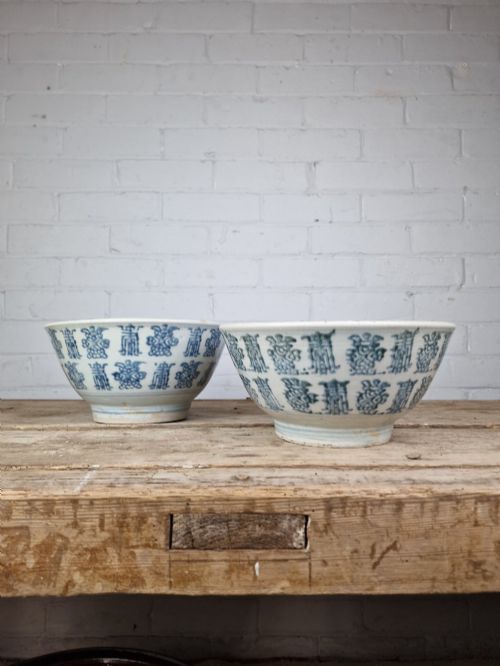
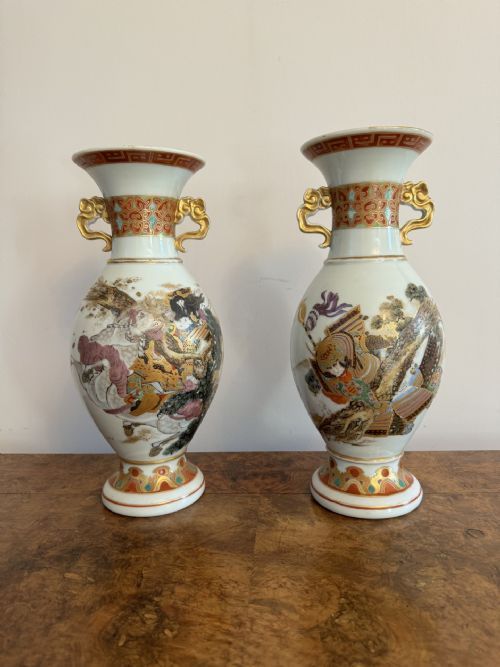
19th Century Export Ceramic
These 19th century export ceramic pieces are global wares traded across continents, offering a vibrant mix of painted porcelain that brings historic craft into modern rooms.
19th Century Export Ceramic
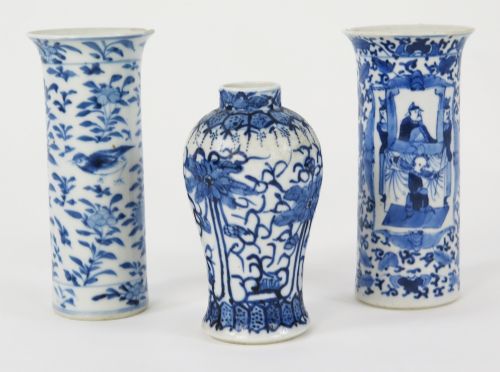
When you search for 19th century export ceramic, you encounter pieces made in Asia and Europe for international markets, spanning decorative bowls, vases, and table lamps. These objects reflect cross-cultural exchange, combining traditional domestic forms with motifs designed to appeal to Western buyers.
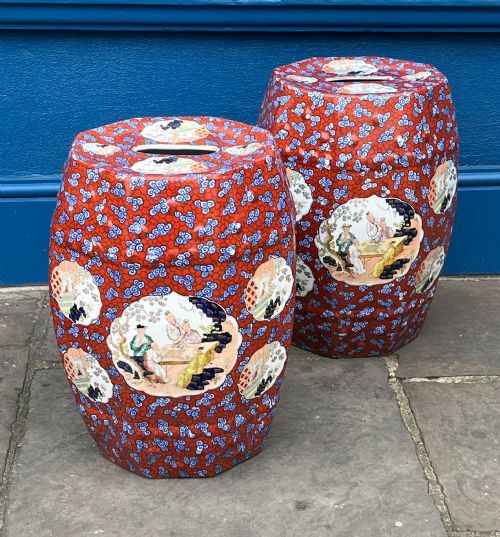
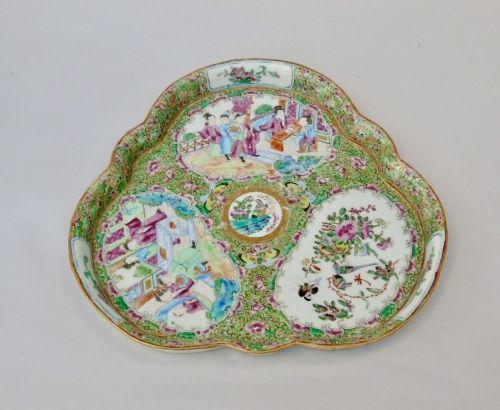
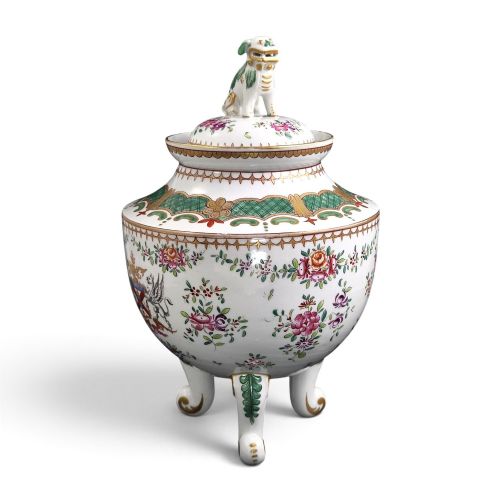
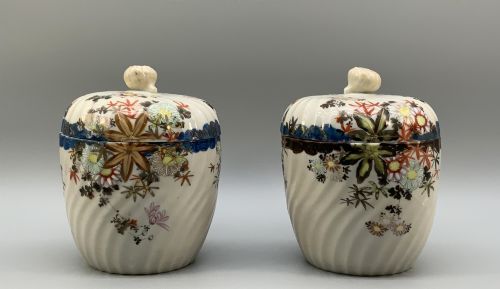
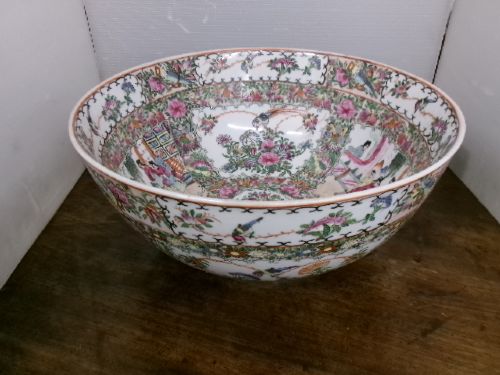
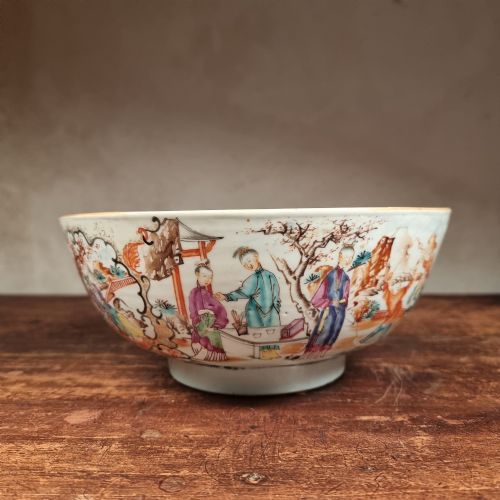
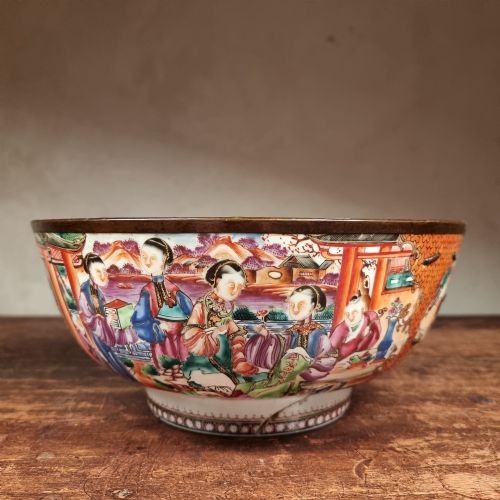
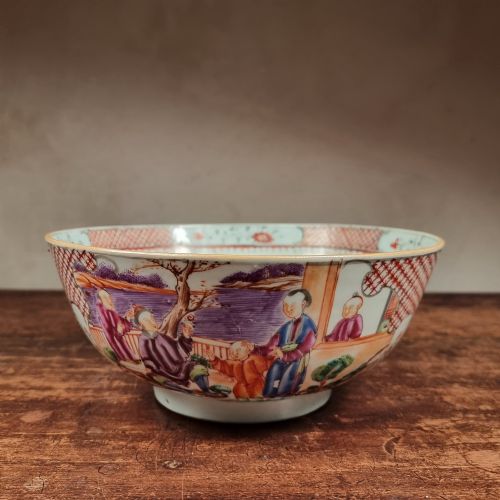
The most common items on this page are Chinese Canton and Famille Rose vessels, alongside Japanese Imari chargers and European reinterpretations from French workshops. They range from large punch bowls and lidded jars to tiered chestnut baskets and mounted table lamps.
Pieces frequently carry Victorian or Meiji period associations, drawing on Qing Dynasty traditions or later 19th-century interpretations. Collectors select them for their robust scale, colourful palettes, and the specific history of trade they embody.
Distinctions in quality
The distinction between standard export wares and superior examples lies in the precision of the hand-painted brushwork and the complexity of the enamel palette. Pieces attributed to specific European revivalists or Imperial-style workshops often display sharper detail and more balanced composition.
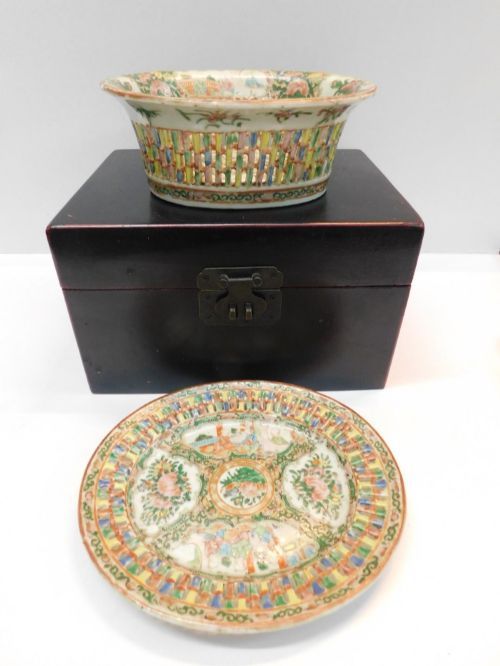
Condition of the overglaze enamel and the integrity of any gilt or bronze mounts influence the overall standing of an object. Integrated elements like reticulated basketry or fitted covers demand high technical skill in firing, marking out the upper tier of production.
19th Century Export Ceramic Retail Price Guide 2026
Typical asking prices for 19th century export ceramic among the pieces listed under this phrase on Sellingantiques today, from the lower quarter to the upper quarter. They describe what is for sale here now, not the wider market.
Several bowls are large enough to serve punch for a village, provided nobody leans on the gilt bronze mounts.
Edmé Samson And Cie·Hichozan Shinpo
The 19th Century Export Ceramic Glossary
- Famille Rose
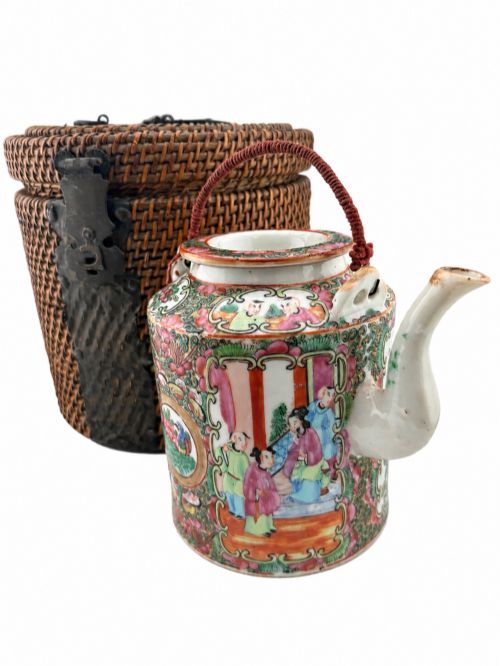
- A palette of opaque pink and rose enamels introduced in Chinese porcelain decoration during the Qing Dynasty. It allowed for nuanced shading and detailed pictorial scenes.
- Imari
- A style of Japanese export porcelain characterised by underglaze blue, iron red, and gold overglaze decoration. Scalloped charger plates are typical formats for this aesthetic.
- Canton
- A major trading port in China from which vast quantities of hand-painted porcelain were exported to the West. Wares from this region often feature panels of figures surrounded by floral borders.
- Armorial
- Ceramic decoration incorporating a family crest or coat of arms, typically commissioned by European families through export trade. Samson of Paris later reproduced these styles.
- Reticulated
- Having an openwork web or lattice pattern created by cutting through the clay before firing. This technique appears on decorative chestnut baskets and stands.
19th Century Export Ceramic: Frequently Asked Questions
What is Chinese export ceramic?
Chinese export ceramic refers to pottery and porcelain manufactured in China specifically for international markets in Europe, the Americas, and the Middle East. These wares were tailored to foreign tastes while retaining traditional domestic manufacturing techniques.
Over the course of the nineteenth century, production expanded significantly to meet global demand, resulting in varied styles such as Canton and Famille Rose.
How do I identify a Canton bowl?
Canton bowls are typically identified by their dense hand-painted decoration featuring alternating panels of figures in interiors and birds among flowers. They frequently utilise the rose medallion pattern with a central gilt medallion.
These pieces often show a heavier porcelain body and vibrant overglaze enamel colours characteristic of nineteenth-century southern Chinese production.
What is Japanese Imari porcelain?
Japanese Imari porcelain is defined by its distinctive palette of underglaze cobalt blue and iron red, frequently augmented with generous applications of gold leaf. Originating from Arita, these wares were exported in large quantities.
Scalloped charger plates and lidded jars are common forms found in nineteenth-century collections, prized for their striking contrast and decorative impact.
Were nineteenth-century lamps originally electrified?
Nineteenth-century lamps listed in this category were not originally manufactured for electricity, as domestic lighting technology changed later. Many started life as vases, jars, or lidded vessels before receiving mounts and wiring.
Converters often added brass or bronze fittings to preserve the ceramic body while adapting the historic object for modern home use.