

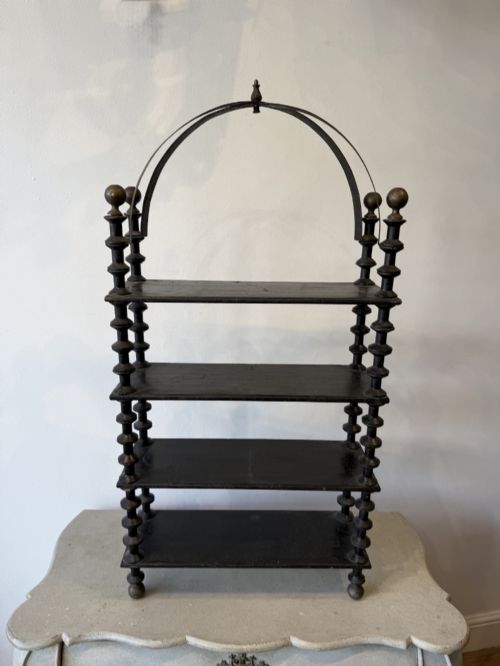
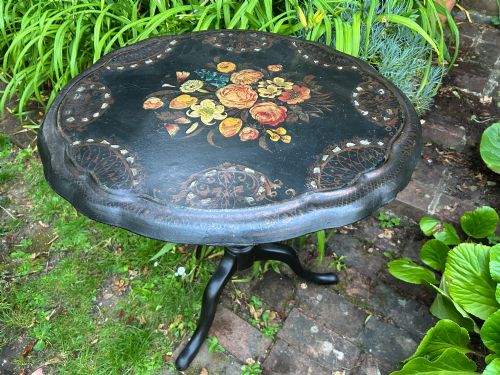
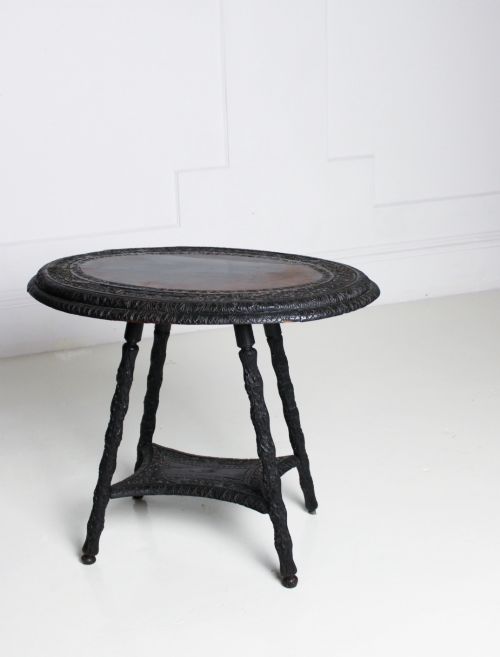
19th Century Ebonised Furniture
These ebonised pieces bring dark finishes and crisp lines into a room, offering the striking contrast of polished black surfaces.
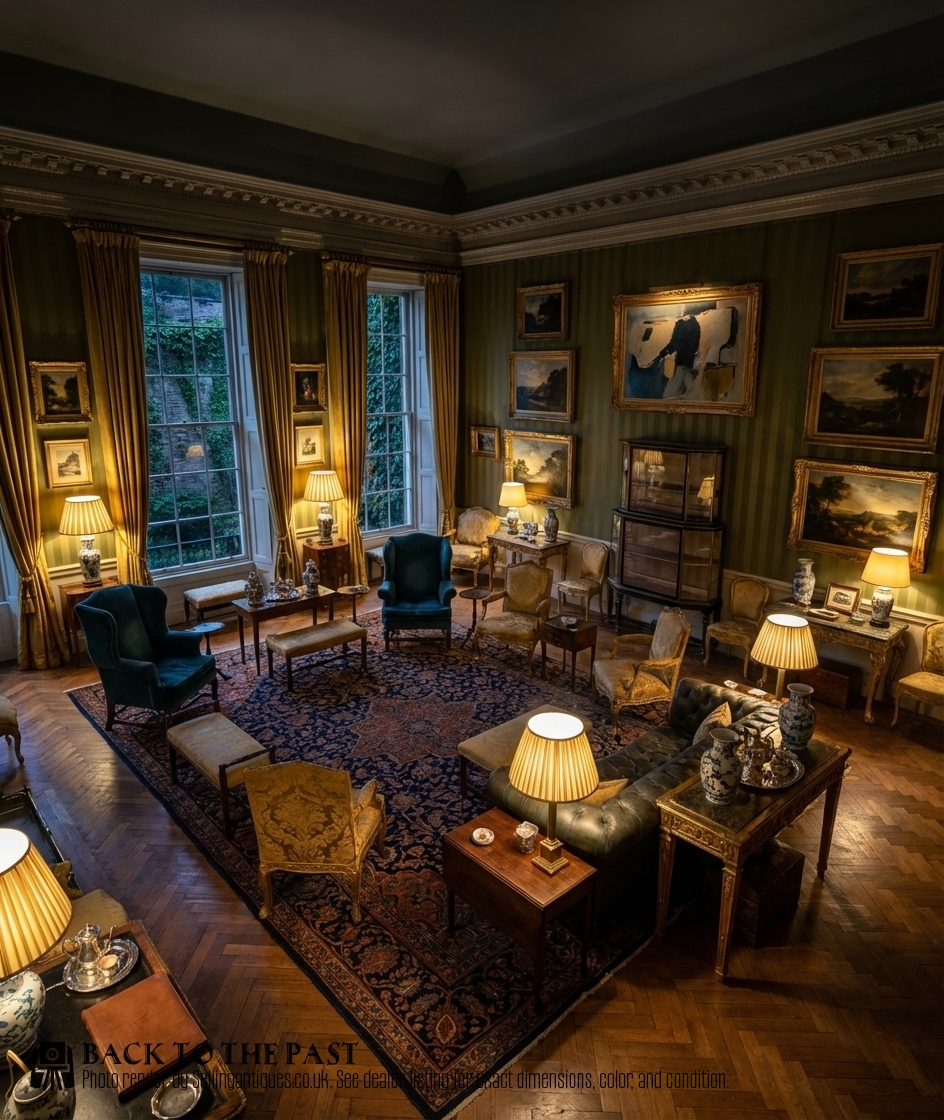
19th Century Ebonised Furniture
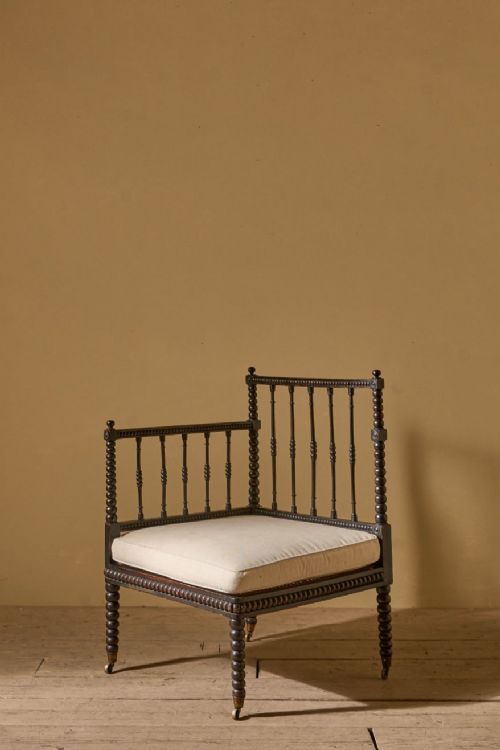
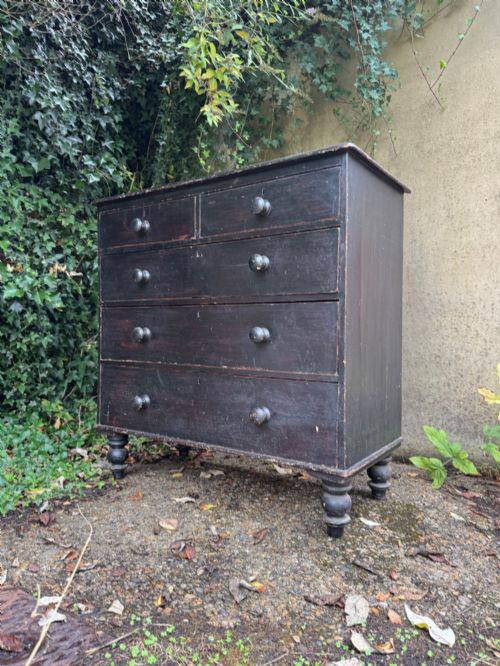
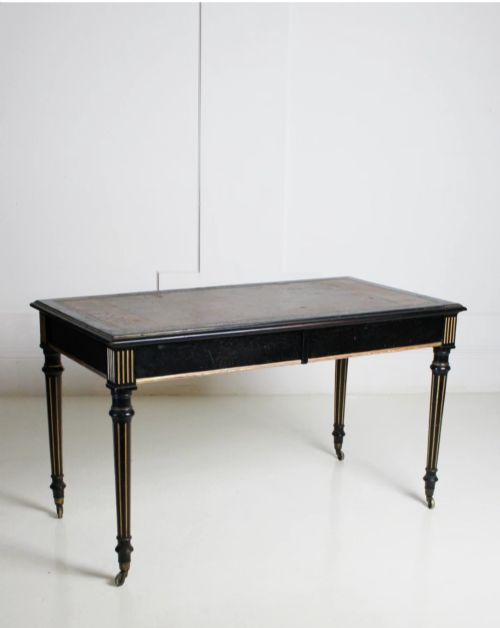
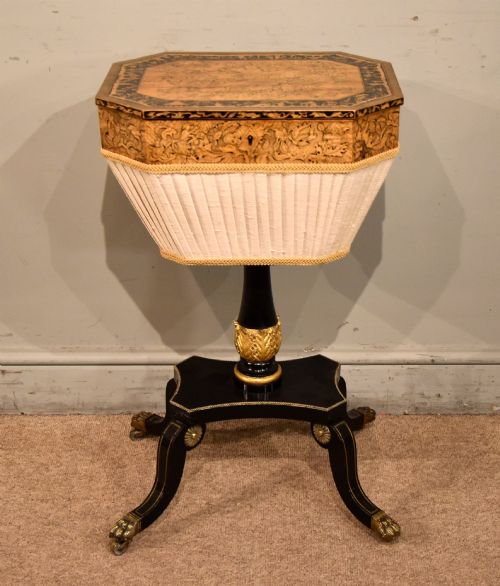
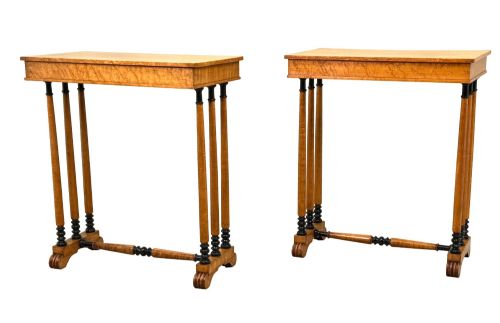
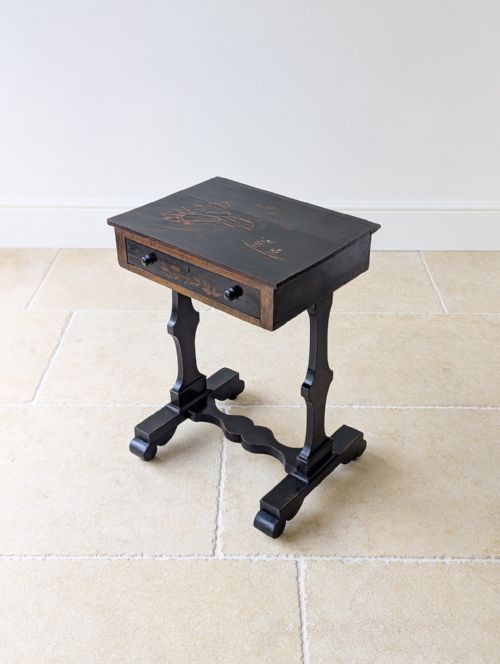
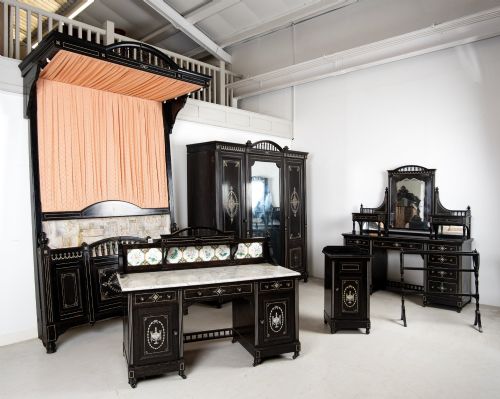
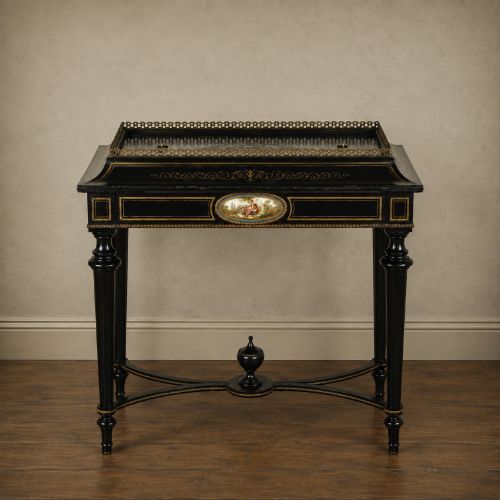
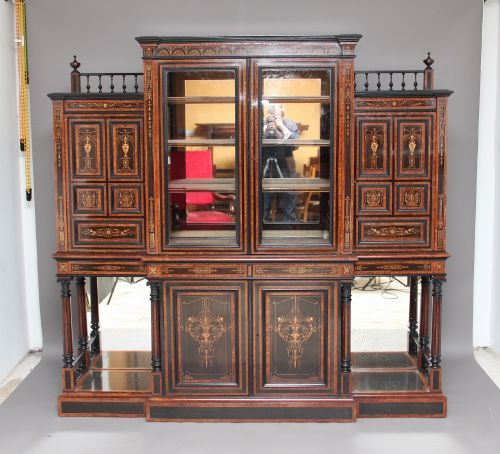
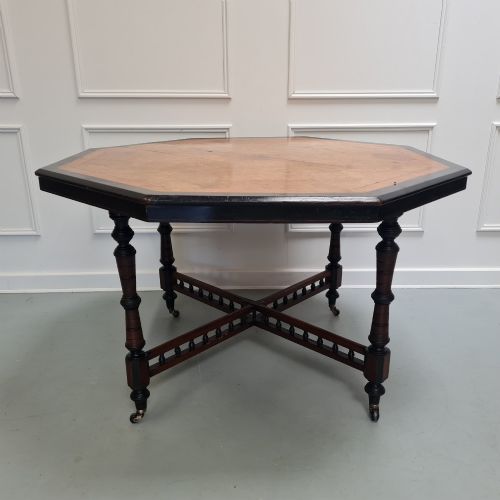
When seeking 19th century ebonised furniture, a buyer encounters a diverse group of objects spanning side tables, display cabinets, armchairs, and occasional pieces. The selection reflects varied design influences from the Regency era through the Victorian period, including the Aesthetic Movement and French Napoleon III styles.
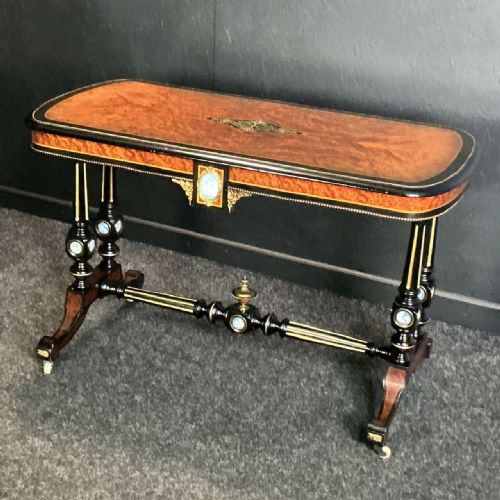
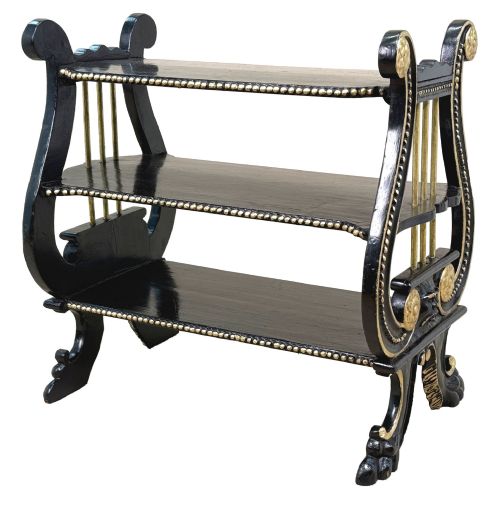
Most items on this page display the characteristic dark, blackened finish applied to timber to imitate ebony. Forms range from utilitarian shelving and corner chairs to elaborate pier cabinets and centre tables adorned with brass, gilt, and porcelain.
Materials and construction
The creation of these pieces relied on staining or painting underlying hardwoods to achieve a deep, light-absorbing black surface. Makers frequently combined this dark finish with contrasting materials such as brass inlay, porcelain plaques, or parcel gilding.
Structural elements often involved sturdy timbers like mahogany, walnut, and pine, sometimes enhanced with decorative veneers. Surface ornamentation extended to intricate japanning, penwork, and tortoiseshell work in the Boulle manner.
Materials appearing across the inventory include ebonised wood, brass, porcelain, amboyna, and tortoiseshell.
Assessing quality and craftsmanship
Quality in these dark-finished pieces rests on the integrity of the underlying joinery and the depth of the ebonisation. Superior examples maintain a smooth, even black surface that reveals the grain rather than hiding crude construction.
The refinement of secondary decorative elements, such as precise brass inlay, hand-painted porcelain panels, or delicate parcel gilding, distinguishes standard production from exceptional craftsmanship.
Lamb of Manchester·Liberty & Co.·Morris & Co.·Gillows
The 19th Century Ebonised Furniture Glossary
- Ebonised
- Wood treated with stain, paint, or chemical processes to imitate costly ebony. This finish became especially popular during the Victorian and Aesthetic periods.
- Aesthetic Movement
- A late 19th-century design style that emphasised art for art's sake. Pieces from this movement often feature clean lines and Japanese-inspired motifs.
- Boulle
- A marquetry technique using brass and tortoiseshell inlaid into furniture surfaces. It is frequently seen on French Napoleon III pieces.
- Étagère
- A set of open shelves used for displaying ornaments or books. These tiered structures often stand in corners or against walls.
- Japanning
- A European imitation of East Asian lacquerwork. It involves layered varnishes and often incorporates painted or raised motifs.
19th Century Ebonised Furniture: Frequently Asked Questions
What is ebonised furniture?
Ebonised furniture is timber treated to achieve a deep black finish resembling ebony. This technique allowed makers to use more accessible woods while capturing a dramatic aesthetic.
Craftsmen applied stains, paints, or specialised black finishes to various hardwoods. The result is a sleek surface that frequently serves as a backdrop for gilt or inlaid decoration.
How do I care for ebonised surfaces?
These dark surfaces require gentle maintenance to preserve the polished or matte finish. Dusting with a soft, dry cloth prevents the accumulation of abrasive particles.
Avoid using harsh chemical cleaners or excess moisture, which can degrade the dark stain or underlying polish. Placing pieces away from direct sunlight protects the black finish from fading.
What periods do these pieces span?
The items listed here primarily cover the 19th century, incorporating Regency, Victorian, and later aesthetic styles. Each era brought distinct decorative vocabulary to the dark-finished forms.
Early examples might display Regency restraint or Chinoiserie influence, while later Victorian pieces often embrace bolder revivalist or Aesthetic Movement designs.
Where were these pieces used?
These items occupied formal drawing rooms, libraries, and bedrooms across 19th-century homes. Cabinets and etagères displayed prized collections, while tables served daily domestic functions.
Smaller occasional pieces and corner chairs easily moved to suit various rooms. Their dark presence provided strong visual contrast against lighter interior walls.