



19th Century Ebonised Cabinet
When you select a 19th century ebonised cabinet, you choose a piece defined by dark-stained timbers and striking contrasting ornamentation.
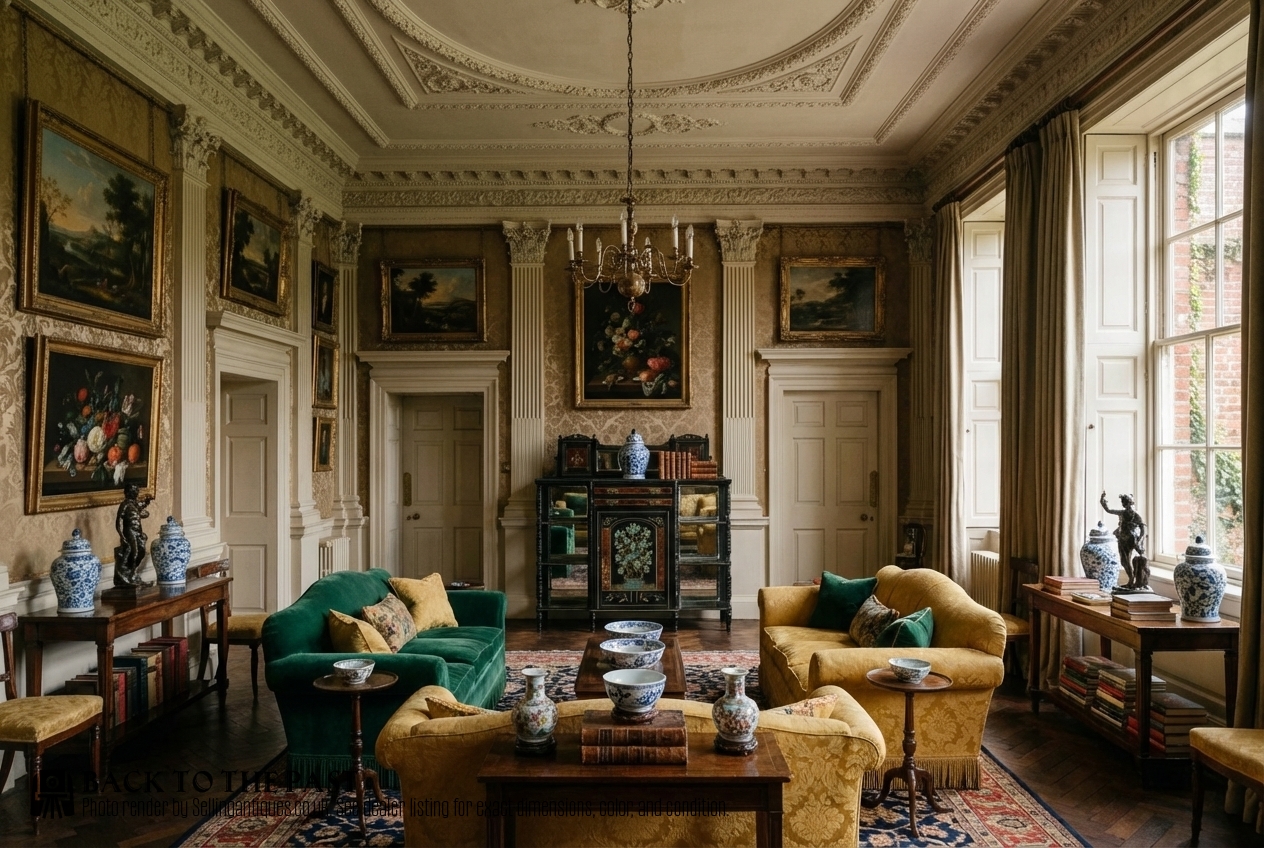
19th Century Ebonised Cabinet
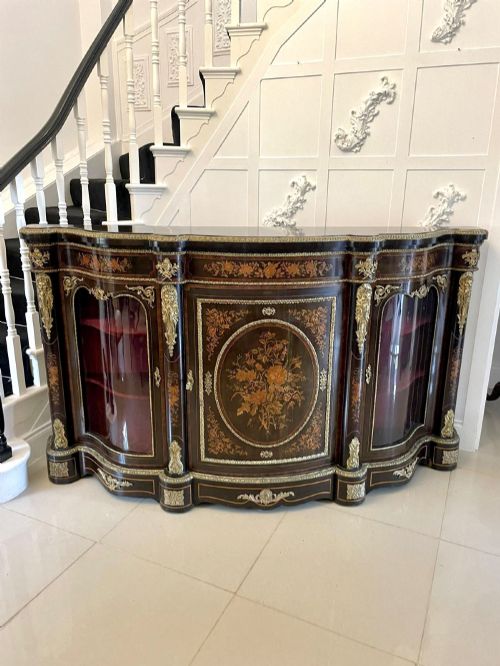
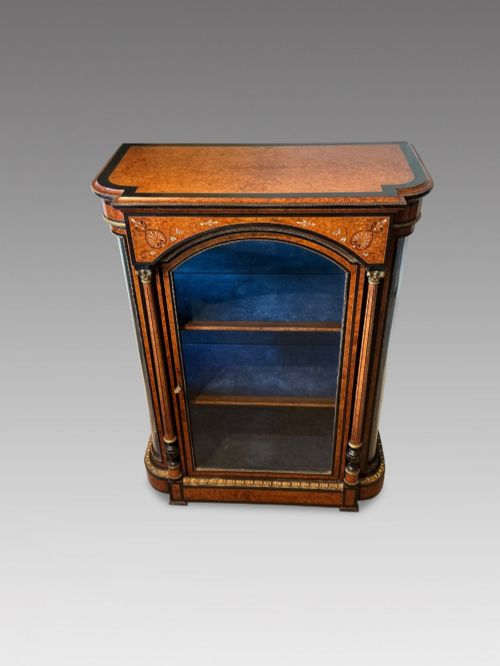
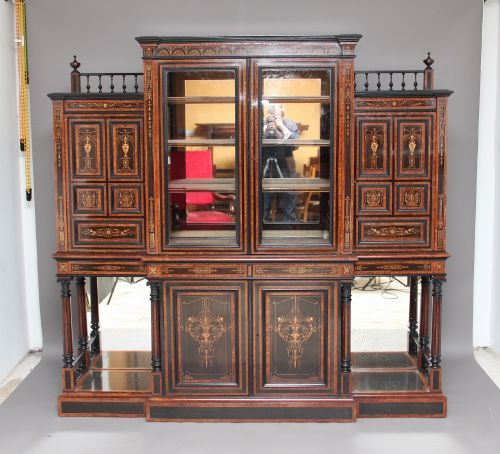
A 19th century ebonised cabinet brings together dark wood finishes and formal nineteenth-century silhouettes, spanning forms such as compact pier units, glazed display cases, and substantial credenzas. The pieces originate from Victorian British workshops and continental centres, often finished to echo the refined tastes of the period.
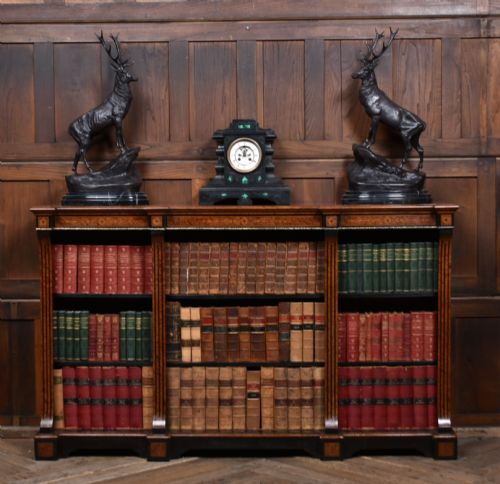
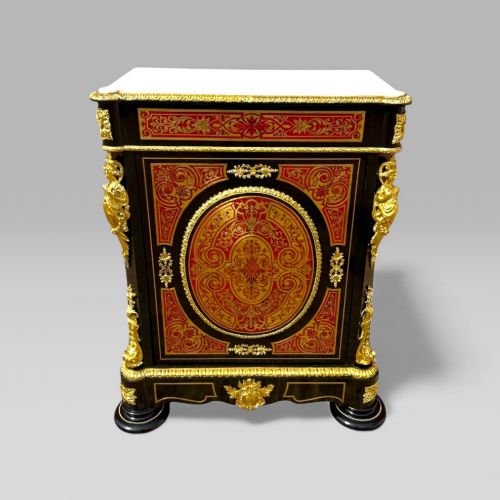
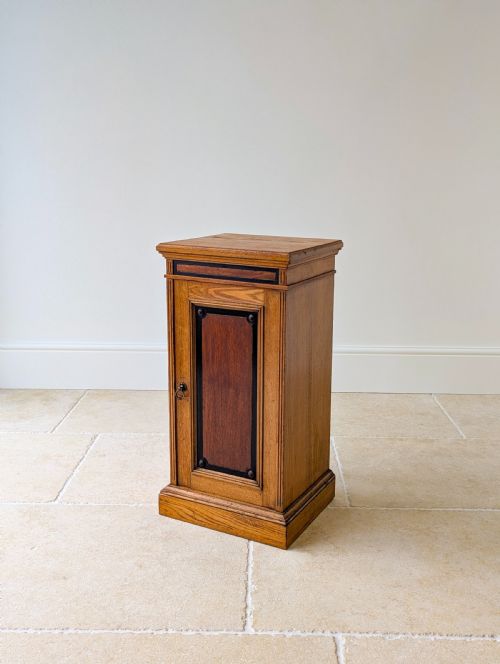
The selections on this page concentrate heavily on display cabinets, pier cabinets, and credenzas alongside occasional bookcases and side cabinets. They reflect diverse stylistic influences including French Napoleon III designs, Aesthetic Movement philosophies, and classic Victorian revivals.
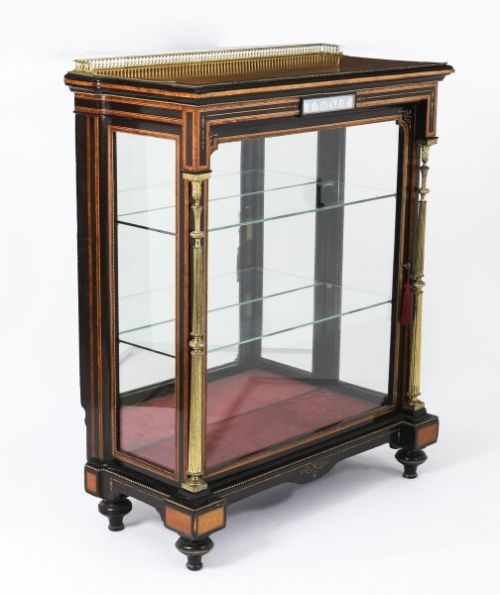
Buyers will encounter items incorporating glazed doors for exhibition, low side configurations, and freestanding storage outfitted with adjustable shelving. The dark ebonised surfaces frequently serve as a dramatic foil for gilt metal mounts, tortoiseshell inlays, and ceramic plaques.
Materials and construction
Cabinet makers achieved the deep, light-absorbing ebonised finish by staining and polishing foundational timbers such as beech, fruitwood, or walnut to resemble solid ebony. This process required meticulous preparation of the wood surface to ensure an even, uniform coat before final lacquering.
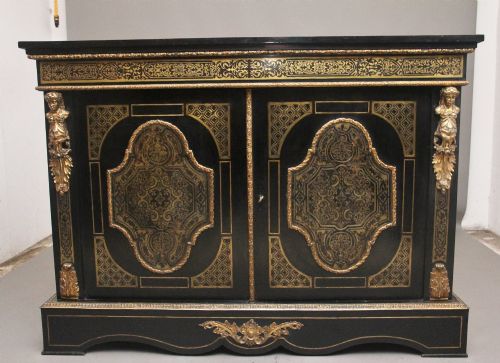
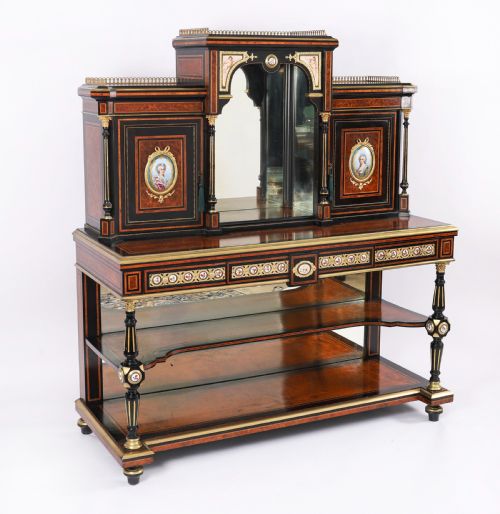
Decoration relied heavily on brass inlay, ormolu mounts, and tortoiseshell worked into intricate boulle patterns, alongside contrasting veneers like amboyna, burr walnut, and thuya wood. Skilled artisans combined these metallic and organic elements with porcelain plaques and parcel-gilding to elevate the visual impact of the cabinetry.
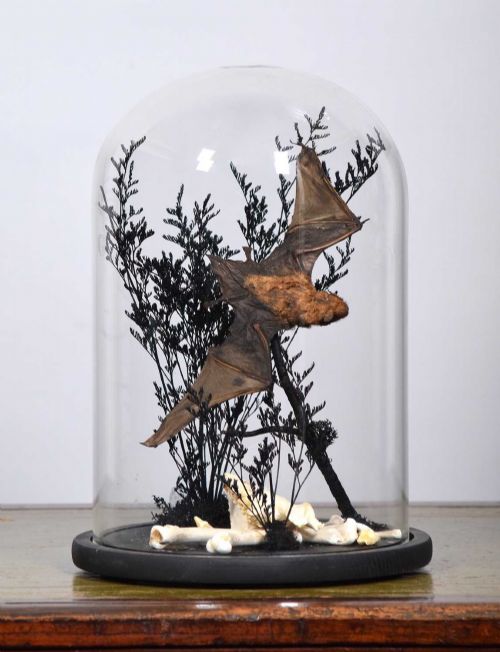
Among the stately sideboards and gilded cabinets, a lone taxidermy bat hangs frozen in time from the year eighteen seventy.
Evaluating craftsmanship and detail
The distinction between standard production and exceptional manufacture rests on the precision of the joinery and the complexity of the surface ornamentation. Finer examples display tightly fitted brass marquetry, cleanly cast ormolu mounts, and unblemished ebonising that retains its depth across panelled doors and moulded cornices.
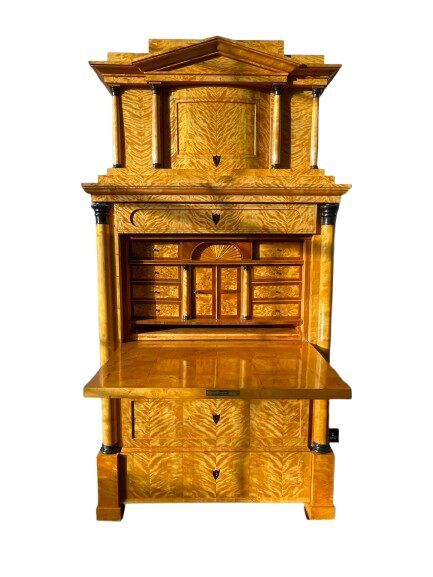
Internal construction and secondary timbers also signal the tier of production, where better workshops utilised superior hardwoods for drawers and backboards. The integration of high-grade materials like Sevres style porcelain plaques or carefully selected burr veneers marks out pieces created for prominent domestic interiors.
Lamb of Manchester·Henry Ogden and Son·Gillow·James Gardner
The 19th Century Ebonised Cabinet Glossary
- Ebonised
- Wood treated with stain or polish to imitate dense, black ebony. This dark finish gained immense popularity during the nineteenth century for furniture requiring high visual contrast.
- Boulle
- Marquetry technique utilising brass and tortoiseshell cut together in matching negative and positive patterns. It decorates the panels of many French and Victorian cabinets.
- Ormolu
- Gilt-bronze mounts applied to the corners, feet, and friezes of furniture. The term derives from the French for milled or ground gold.
- Pier Cabinet
- A narrow cabinet designed specifically to stand against the wall space between windows. These pieces often feature glass doors for displaying collected items.
- Credenza
- A low, formal sideboard or cabinet typically featuring central cupboards flanked by curved side sections. They frequently incorporate marble tops and elaborate marquetry.
19th Century Ebonised Cabinet: Frequently Asked Questions
What rooms suit a 19th century ebonised cabinet?
These dark cabinets work effectively in drawing rooms, dining spaces, or studies where their contrasting mounts and polished surfaces create a strong focal point. They anchor a room visually against lighter wall colours and traditional or contemporary interiors alike.
Smaller pier units fit neatly into alcoves or narrower wall spaces, while larger credenzas and bookcases demand prominent placement. Their glass-fronted designs allow them to function as display areas for ceramics and collections without cluttering the floor plan.
How were these cabinets used originally?
Nineteenth-century households utilised these pieces primarily to display treasured ornaments, porcelain, and books behind protective glass doors. Credenzas and side cabinets also provided enclosed storage for dining silver, linens, and documents.
Pier cabinets occupied specific architectural gaps between windows, offering surface space for lamps or decorative objects. Their interiors frequently housed adjustable shelves to accommodate varying heights of collected curiosities.
How do I distinguish French styles from Victorian ones?
French pieces from this era, particularly those associated with the Napoleon III period, frequently feature elaborate boulle work, tortoiseshell, and heavy ormolu mounts. They lean towards serpentine shapes and marble tops that emphasise continental opulence.
Victorian pieces made in Britain often display structured marquetry, floral inlays, and woods like amboyna or burr walnut paired with ebonised framing. Aesthetic Movement examples from the same era introduce simpler, often gold-inlaid geometric patterns influenced by Japanese design.
How do I care for ebonised wood surfaces?
Maintenance requires regular dusting with a soft, dry cloth to prevent particulate buildup on the dark polished finish. Avoid using silicone-based polishes or harsh chemical cleaners that can degrade the historic polish over time.
Keep the timber away from direct sunlight and strong heat sources to prevent the wood from drying out or the delicate brass and tortoiseshell inlays from lifting. Maintaining stable room humidity preserves both the structure and the surface ornamentation.