
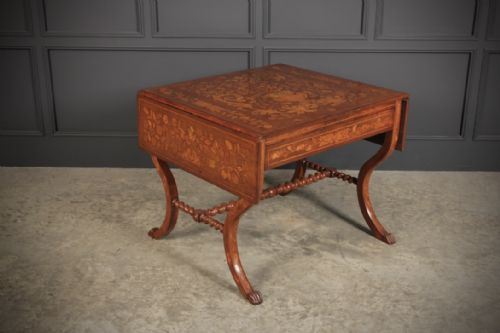
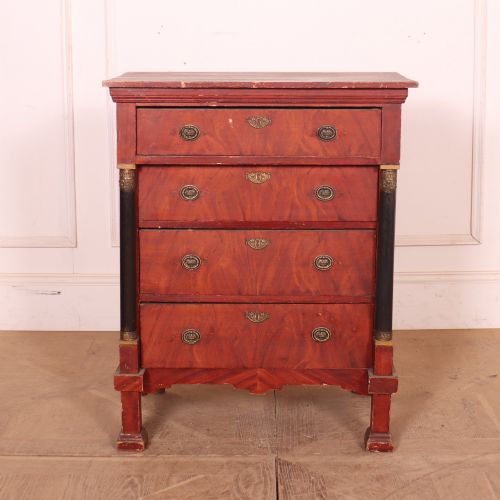


19th Century Dutch Furniture
These pieces of 19th century dutch furniture bring intense floral marquetry, burr walnut and sculptural silhouettes straight into an interior.
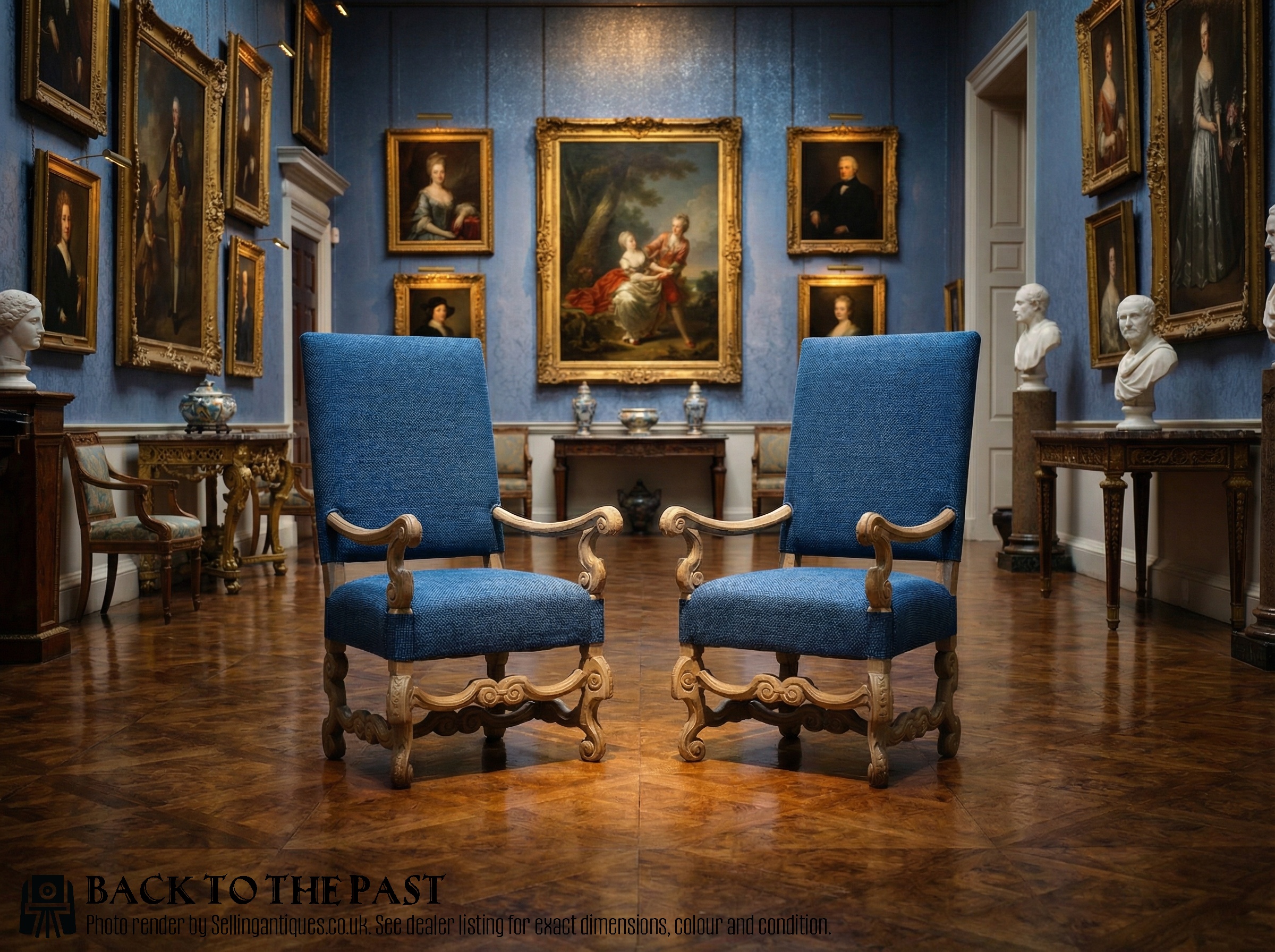
What 19th century dutch furniture is
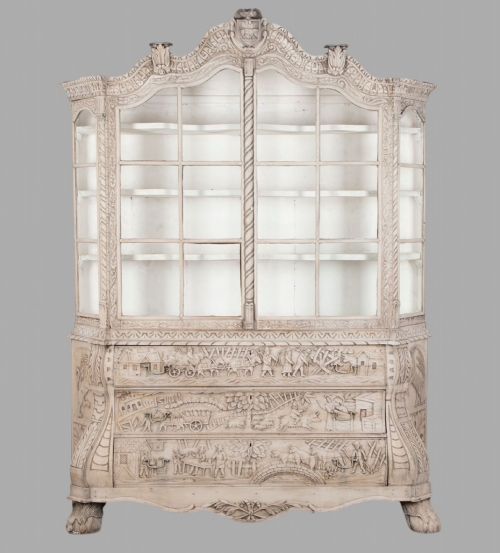
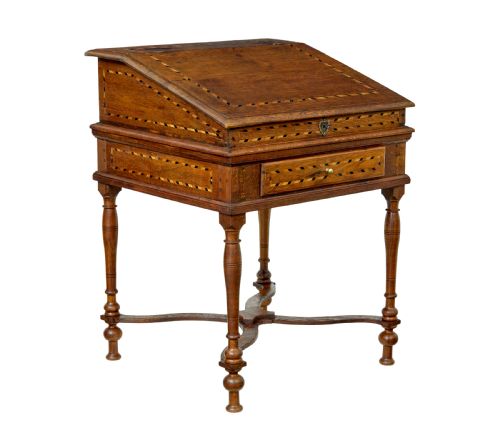
19th century dutch furniture comprises large display cabinets, revolving library tables, dressing tables, and high-back armchairs originating from the Netherlands during the eighteen hundreds. The material palette relies heavily on walnut, burr walnut, and fruitwood, often finished with elaborate marquetry and inlay work.
The objects listed here span several decades of the nineteenth century, including pieces assigned to the Georgian era alongside items from eighteen fifty and eighteen sixty. Cabinets and display cases show canted sides, while seating includes carved sculptural armchairs that have been reupholstered.
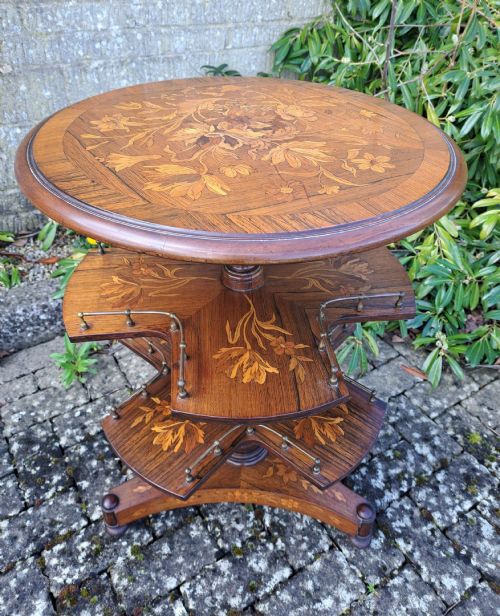
Buyers encounter distinct styles such as Dutch marquetry, Dutch floral marquetry, and Dutch Baroque revival or style variations. These forms range from travelling cabinets and dressing tables to revolving library tables built around eighteen twenty.
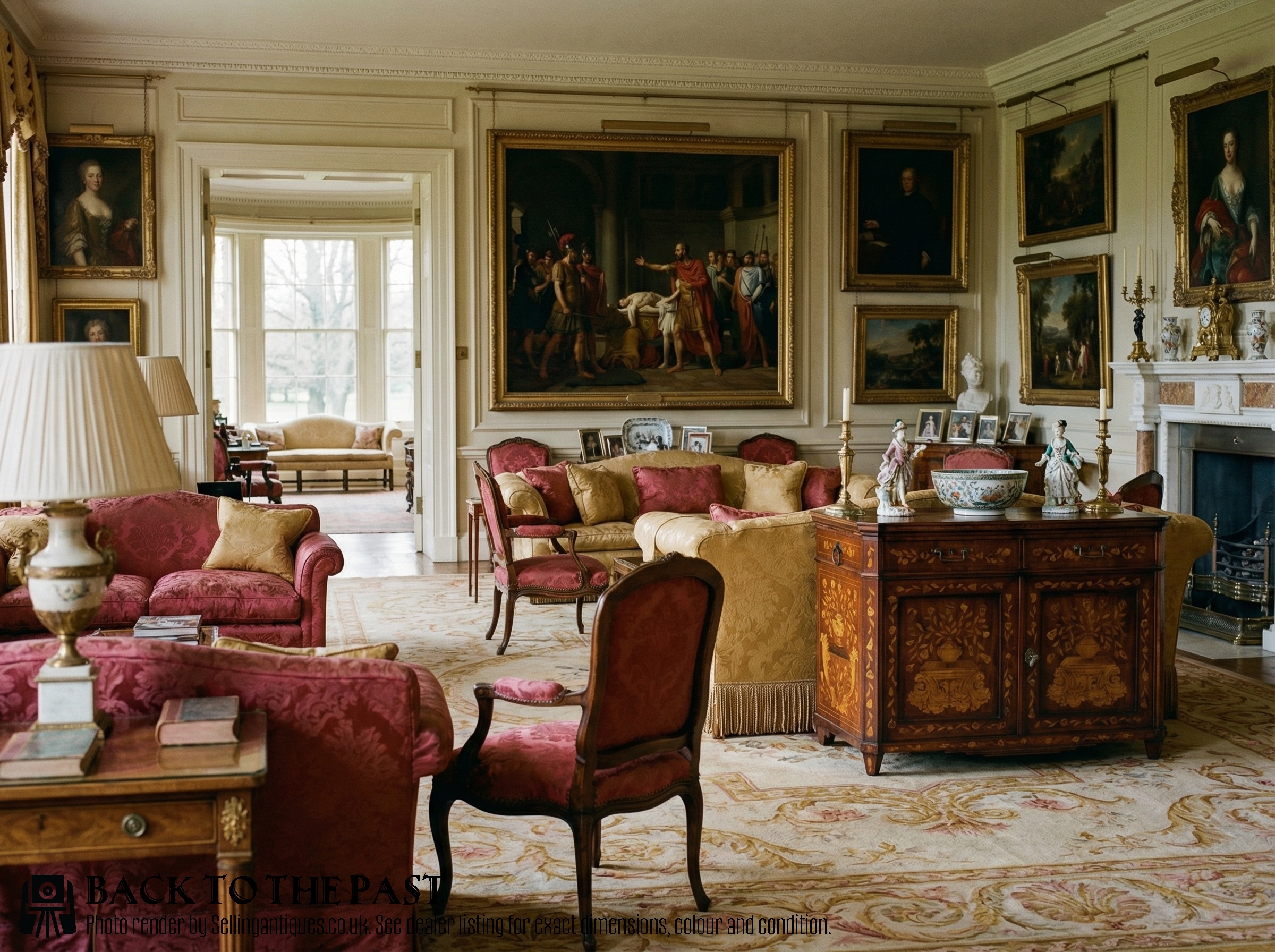
How these pieces were made
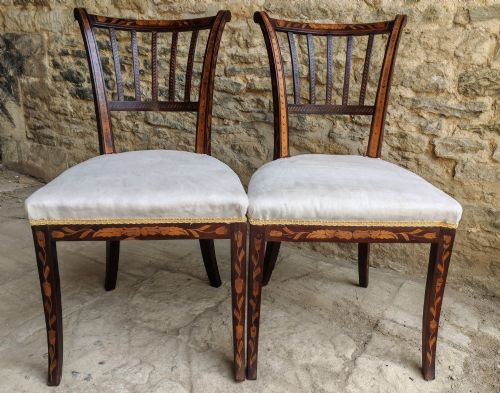
Construction relies on timber substrates of walnut and fruitwood, veneered with burr walnut to create dramatic grain patterns across large cabinet doors and table tops. Craftsmen applied intricate fruitwood marquetry and inlay directly onto these surfaces, rendering floral and foliate motifs across the wood.
Structural elements incorporate brass hinges and fittings, glass panels for display cases, and internal iron components where mechanical rotation is required, as seen in revolving library tables. Carving appears on structural woodwork, particularly the high-back armchairs where solid walnut takes sculptural form.
Surfaces are finished to highlight the natural colour and patina of the wood, while upholstered seating retains modern fabric following reupholstery work on the historical frames.
Retail Price Guide 2026
Typical UK retail prices for 19th century dutch furniture, calculated from the Sellingantiques database of over a million retail prices indexed since 2003. This retail price guide relies exclusively on Sellingantiques data; no external sources or auction records are used, so the figures do not describe the wider market.
Current listings feature walnut, fruitwood marquetry, and burr walnut across display cabinets, library tables, and armchairs.
What varies in quality
The sophistication of the marquetry sets the standard across these pieces, with multi-coloured fruitwood inlays forming crisp, detailed floral scenes rather than simple or repetitive geometric patterns. Burr walnut selection also dictates visual weight, where complex, highly figured grain patterns elevate the presence of a display cabinet or table.
Carving depth and execution define the seating, distinguishing assertive, sculptural armchairs with sharp relief from simpler turned frames. Proportions and secondary details, such as canted sides on display cases and smooth mechanical movement in revolving tables, separate standard utility from exceptional cabinet-making.
The 19th Century Dutch Furniture Glossary
- Marquetry
- Decorative veneer patterns applied to a wooden structure to form pictures or ornamental designs. In these pieces, multi-coloured fruitwoods depict elaborate floral arrangements.
- Burr walnut
- A specialised wood veneer taken from the warted growths on walnut trees, prized for its swirling, highly figured grain patterns. It creates a rich, textured surface on cabinets and cases.
- Canted sides
- Vertical corners that are cut away or bevelled at an angle rather than meeting at a sharp ninety-degree right angle. This architectural detail softens the silhouette of large display furniture.
- Fruitwood
- Dense, fine-grained wood sourced from fruit-bearing trees such as pear, apple, or cherry, utilised here for contrasting inlay work and detailed marquetry elements.
Frequently Asked Questions
What periods do these pieces date from?
The inventory spans the nineteenth century, encompassing Georgian eras, specific years like eighteen fifty and eighteen sixty, and general nineteenth-century production.
Craftsmanship shifts slightly across these decades, moving between formal revival styles and intricate marquetry traditions.
What materials are used in these items?
Primary timbers include walnut, burr walnut, and fruitwood, frequently enhanced by fruitwood marquetry and inlay work.
Additional materials involve glass for display cabinets, brass hardware, iron mechanics, and fabric used in the reupholstery of armchairs.
How do I care for burr walnut and marquetry?
Protect the wood surfaces from direct sunlight and steady heat sources to prevent veneer drying or fading.
Maintain the natural patina using appropriate beeswax formulations and soft cloths rather than harsh chemical polishes.
Where were these cabinets and tables made?
These items originate from the Netherlands, reflecting traditional Dutch cabinet-making techniques and decorative vocabularies.
Styles directly reference Dutch Baroque revival and distinct floral marquetry movements prevalent in the region during the eighteen hundreds.