


19th Century Dog Figure
Every 19th century dog figure captures a specific breed character in bronze, pottery or porcelain, offering a tangible link to Victorian and continental animal sculpture.
19th Century Dog Figure
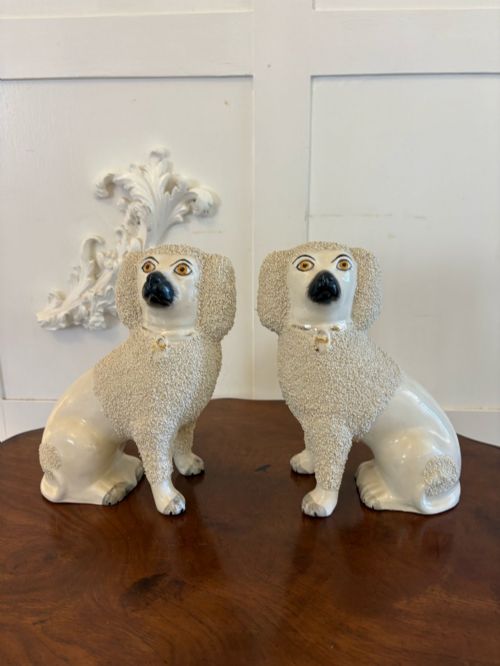
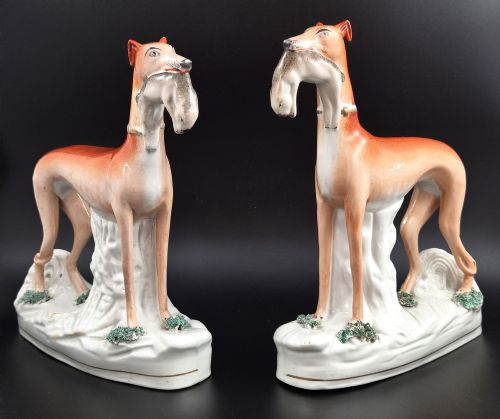
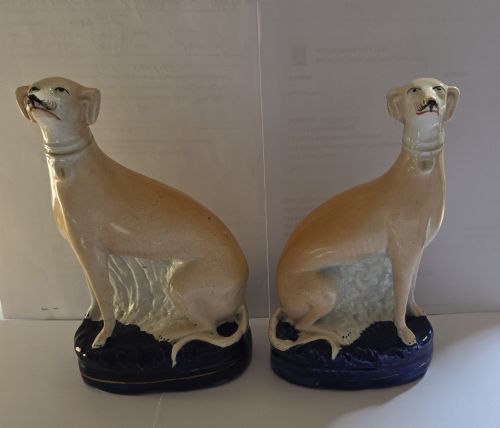
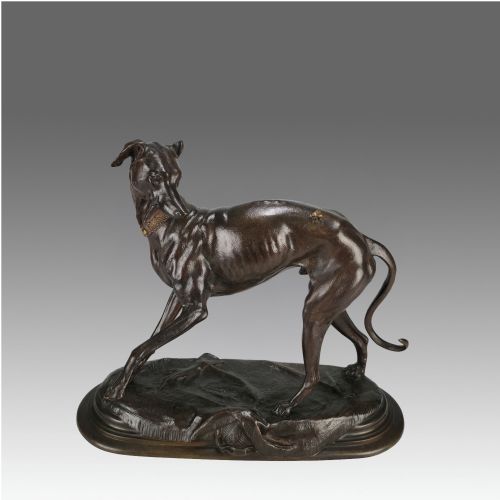
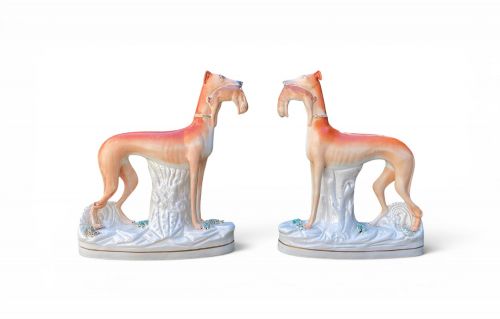
When searching for a 19th century dog figure, collectors encounter a diverse range of ceramic and metal sculptures spanning from Georgian Staffordshire pottery to French Animalier bronzes. The most prevalent versions on this page are earthenware Staffordshire pairs, particularly greyhounds, spaniels and poodles produced in English provincial potteries during the Victorian era.
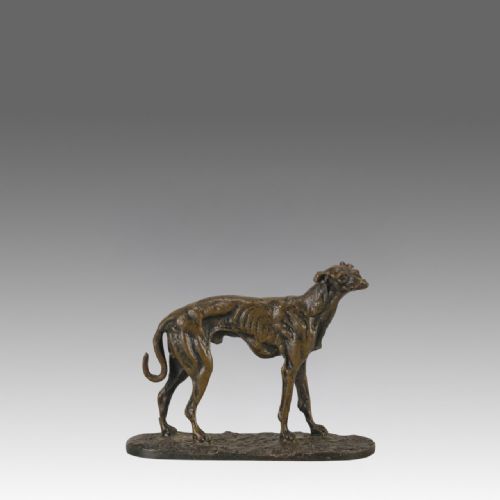
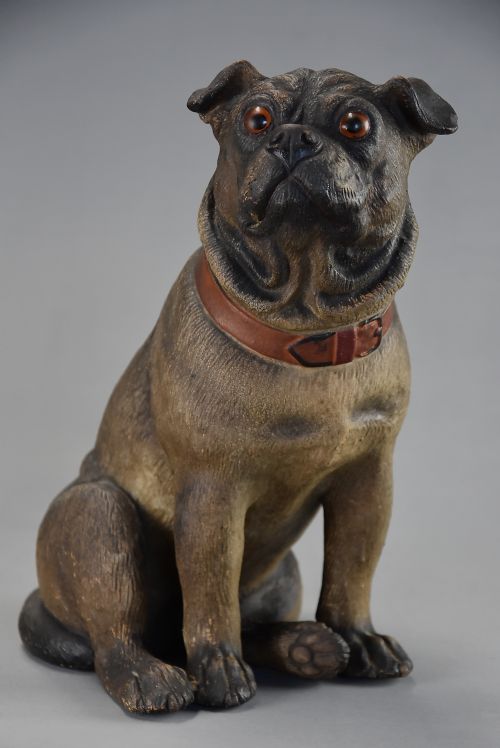
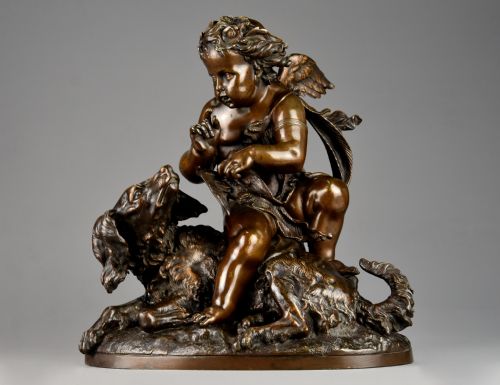
Beyond earthenware, the selection includes continental porcelain groups, carved alabaster, terracotta and cast bronze models by notable sculptors working within the realism and animalier traditions. These pieces reflect contemporary domestic attachments to pets, hunting hounds and exotic breeds, modelled with varying degrees of anatomical precision and decorative charm.
Materials and production methods
Pottery figures rely on earthenware bodies formed in press moulds, finished with hand-painted underglaze colours, enamel highlights and characteristic lead glazes. Staffordshire potters often applied textured clay to simulate curls on poodles or woolly coats on spaniels before firing.
Bronzes and metal sculptures utilise the lost-wax casting process, capturing muscular tension and fur texture before mounting upon marble or serpentine bases. Porcelain and parian statuary require high-firing techniques, utilising specialised kilns to achieve crisp detail and smooth white bisque surfaces.
Listings feature earthenware, bronze, porcelain, marble and terracotta across the nineteenth century.
Factors determining quality
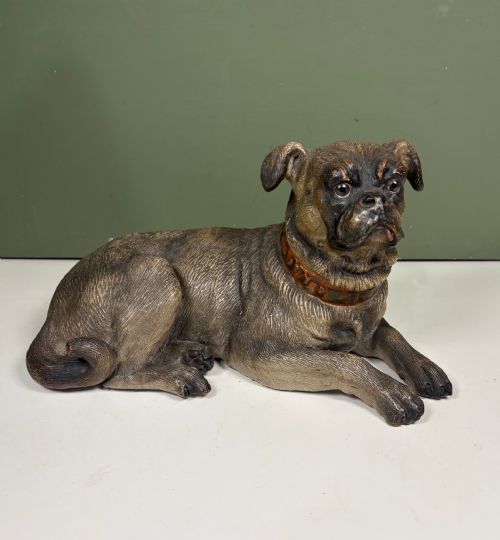
Anatomical accuracy and sculptural expression separate superior animalier bronzes and porcelain models from mass-produced wares. Skilled modellers capture the distinct alertness of a sighthound or the heavy jowls of a pug with convincing weight and musculature.
Alfred Barye·P J Mêne·Pierre Jules Mene·Prosper Lecourtier·Thomas Hicks·Thomas Parr·Bright And Sons·Delabrierre·John Durham·F Winterhalter
The 19th Century Dog Figure Glossary
- Animalier
- A nineteenth-century artistic movement dedicated to the realistic depiction of animals, particularly associated with French bronze sculptors.
- Staffordshire
- Earthenware pottery produced in the pottery towns of Staffordshire, widely known for mantelpiece spaniels and greyhounds.
- Parian
- A fine-grained, unglazed porcelain resembling white marble, developed by British potteries for classical and animal statuary.
- Spelter
- A zinc alloy frequently used as a cheaper alternative to bronze for casting nineteenth-century decorative figures.
- Serpentine
- A compact magnesium silicate rock, often polished into green decorative bases for sculptural models.
19th Century Dog Figure: Frequently Asked Questions
What breeds appear most often?
Greyhounds, poodles, spaniels and pugs dominate the ceramic offerings, reflecting Victorian domestic preferences.
Bronze and porcelain pieces frequently depict hunting hounds, sighthounds and sporting setters.
How are Staffordshire pairs arranged?
Staffordshire figures were traditionally manufactured as matching pairs to sit at either end of a mantelpiece.
They face inward toward one another, usually featuring seated dogs decorated with painted chains and gilded highlights.
Are bronze figures marked?
Many nineteenth-century bronze casts bear the cast signature of the sculptor on the integral base or naturalistic ground.
Foundry marks and numbers also occasionally appear on the metal surface or marble mounts.
How do I distinguish earthenware from porcelain?
Earthenware bodies are opaque, heavier and typically thicker at the base, often featuring crazing in the glaze.
Porcelain and parian are harder, denser materials that may show translucency when held to the light.