


19th Century Desk Armchair
When choosing a 19th century desk armchair, you select a seat designed for study and writing, offering the substance and presence demanded by a period interior.
19th Century Desk Armchair
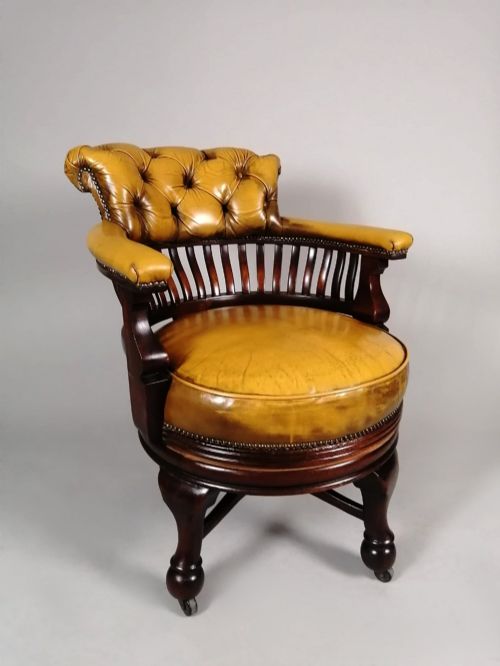
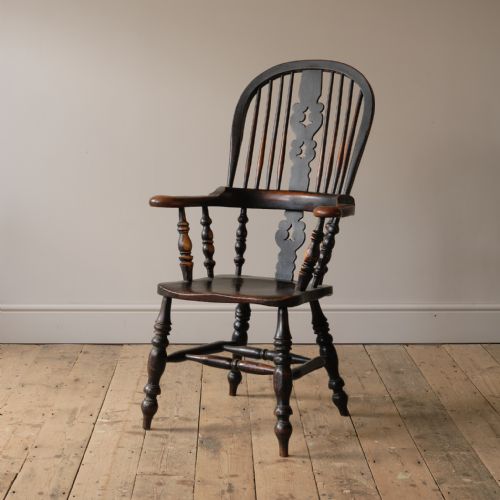
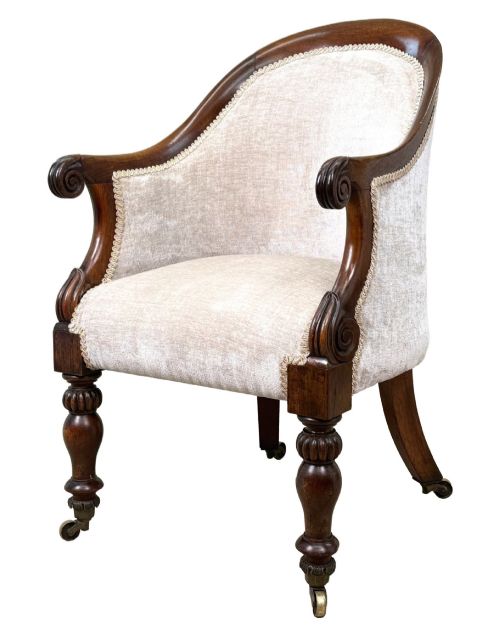
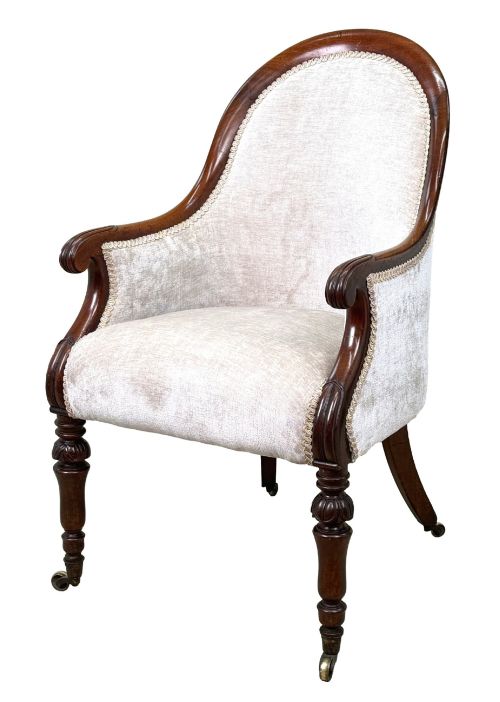
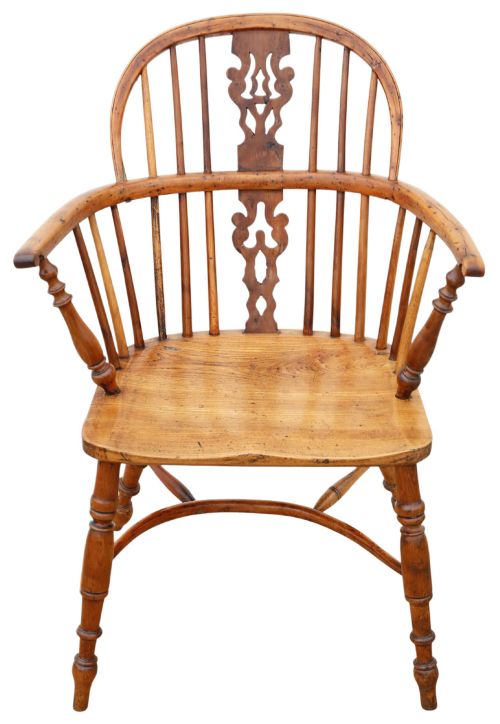
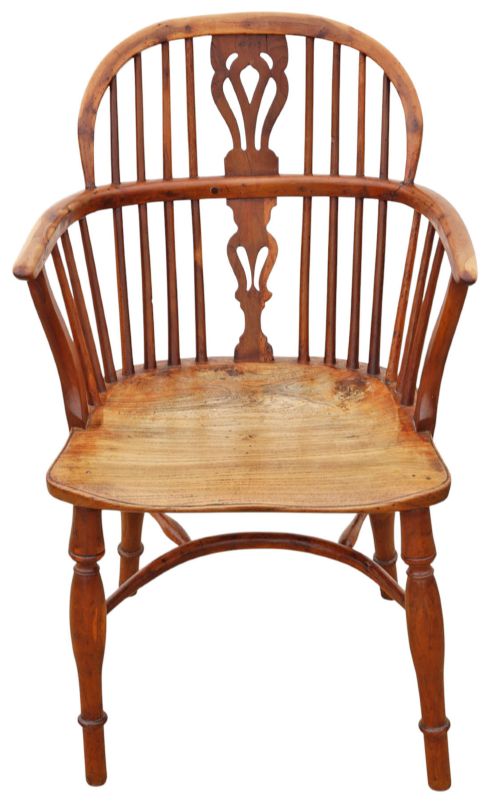
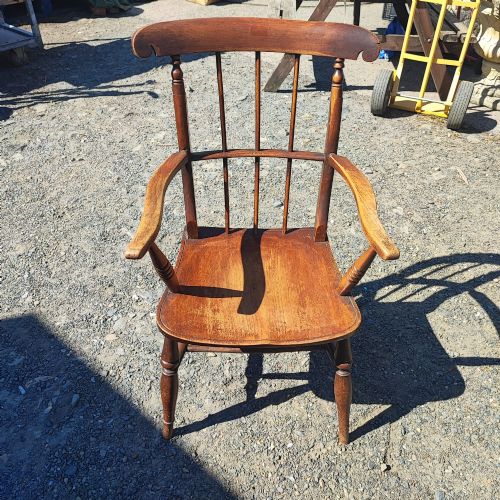
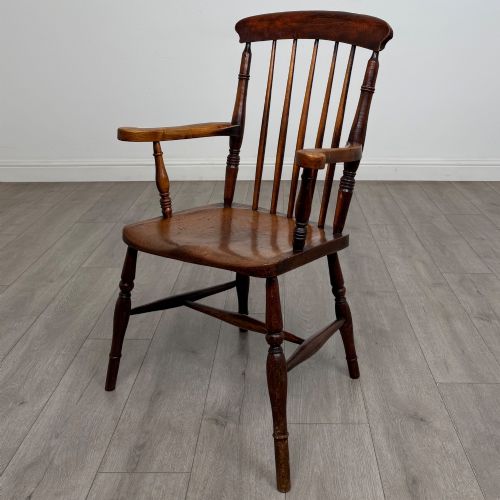
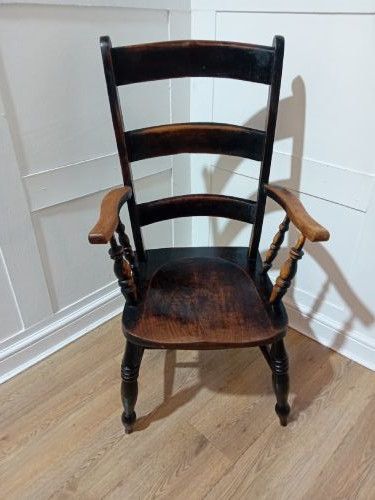
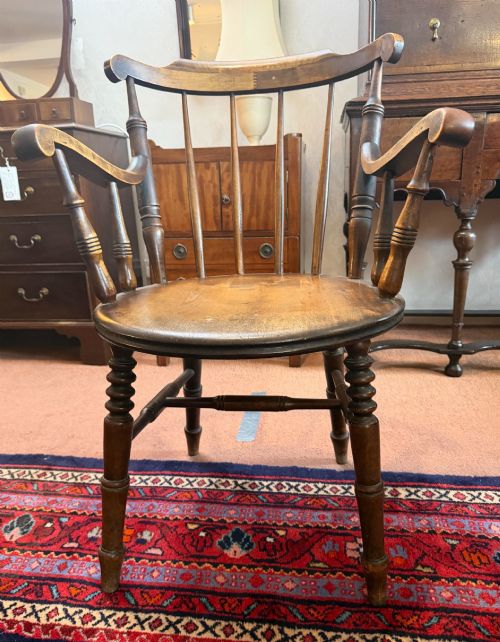
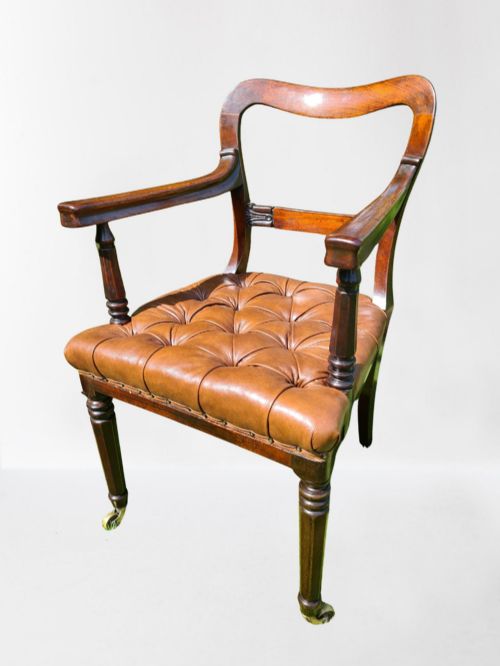
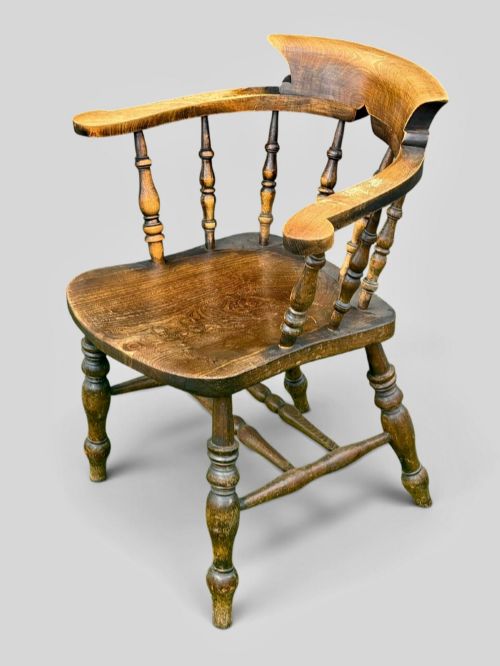
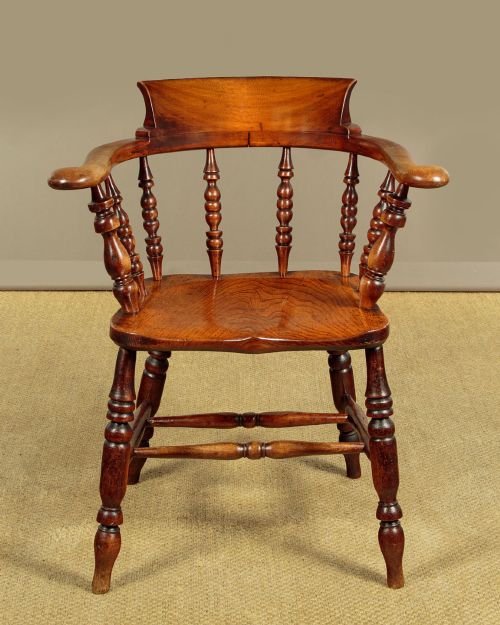
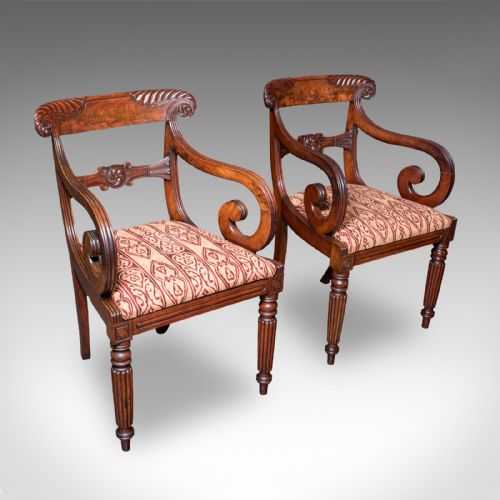
A 19th century desk armchair encompasses several distinct seating forms designed for writing, reading, and working in studies or libraries. The selection spans robust country vernacular styles such as Windsor chairs, smokers bows, and captains chairs, alongside formal library armchairs and revolving desk chairs.
The materials reflect both domestic utility and formal reception rooms, ranging from rich mahogany and rosewood to sturdy combinations of ash, elm, oak, and beech. Many examples feature leather upholstery or incorporate reading stands and rotating mechanisms tailored for practical daily use in the nineteenth century.
Evaluating the Seating
Quality rests in the selection of timber and the integrity of the original construction, where dense grain in woods like yew or figured mahogany creates a superior presence. The retention of an original surface finish or a deep, unpolished patina greatly enhances the character of a piece.
Proportion and comfort dictate the success of the design, balancing structural sturdiness in the legs and armbows with refined turning or carving. Superior examples demonstrate harmonious joinery and thoughtful detailing, such as finely shaped saddle seats or well-executed revolving mechanisms.
Listings feature periods from the Georgian era through Regency and Victorian times, utilising mahogany, ash, elm, oak, and leather.
J SPENCER
The 19th Century Desk Armchair Glossary
- Windsor chair
- A wooden chair built with a thick solid timber seat into which the legs and back spindles are separately bored and wedged. This traditional form often combines ash frames with elm seats.
- Smokers bow
- A low-backed Windsor-style armchair featuring a continuous curved armrail supported by turned spindles. It is frequently associated with robust country and vernacular seating.
- Carver
- A traditional term for an armchair that matches a set of dining or office chairs, typically featuring open arms and a supportive back splat or spindle arrangement.
- Tub chair
- An armchair characterised by a continuous curved back and armrest forming a deep, enclosing semicircle. These were often upholstered in leather for library use.
19th Century Desk Armchair: Frequently Asked Questions
What is a 19th century desk armchair?
A 19th century desk armchair is a dedicated seating piece created for studies, libraries, and offices, combining functional support with period craftsmanship. These chairs range from sturdy country Windsor models to formal mahogany revolving seats.
Such chairs were built to accommodate long hours of reading and writing, utilising durable timbers and ergonomic curved armrests suited to domestic and professional workspaces.
How do I identify a Victorian desk chair?
Victorian desk chairs often exhibit the heavier proportions and darker timbers characteristic of the later nineteenth century, including golden mahogany, oak, and walnut. Many incorporate revolving mechanisms or leather upholstery tailored for study use.
Stylistic markers can range from plain utilitarian frames to Gothic Revival details, helping to distinguish mid to late nineteenth-century production from earlier Georgian and Regency precedents.
How should I care for a wood and leather desk chair?
Maintaining these pieces involves keeping them away from direct heat sources and strong sunlight to prevent the timber and leather from drying out. Regular dusting with a dry cloth preserves the finish.
Applying suitable wax to the wooden frames and gentle conditioning to leather inserts helps maintain the natural patina accumulated over generations of use.