


19th Century Countryside Landscape
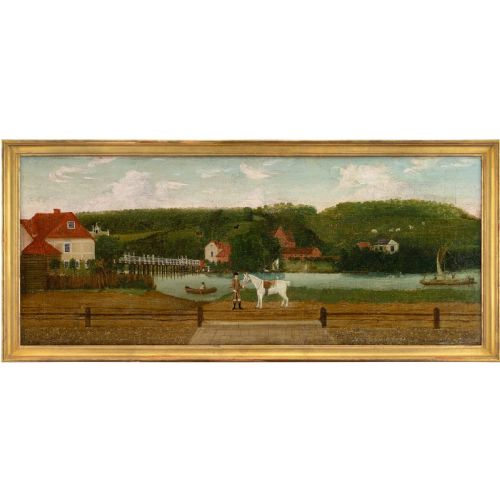
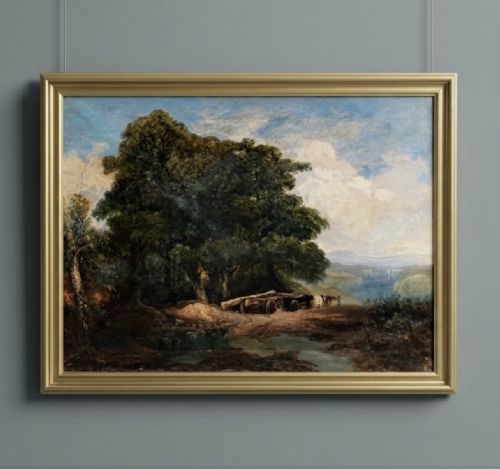
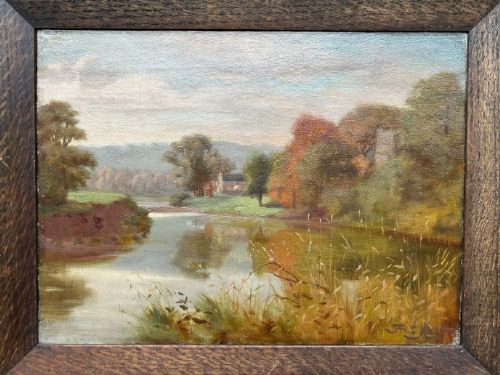
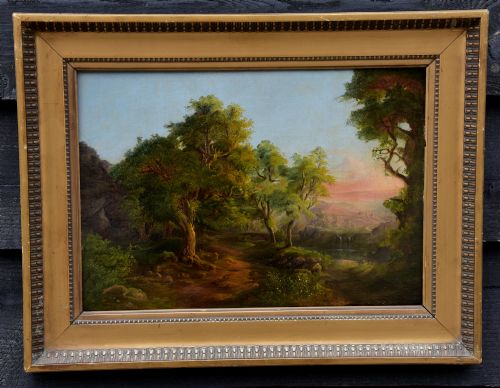
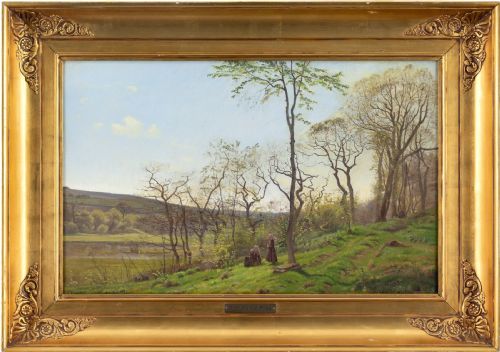
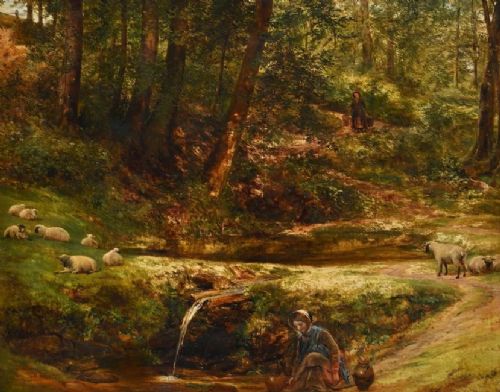
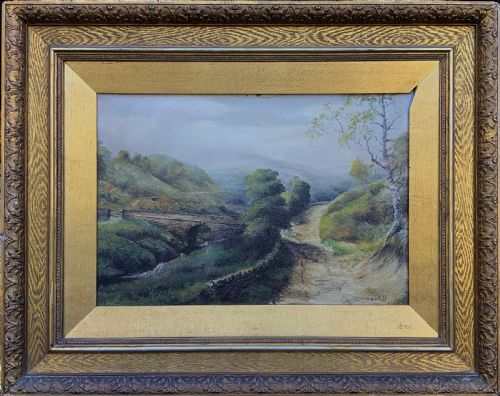
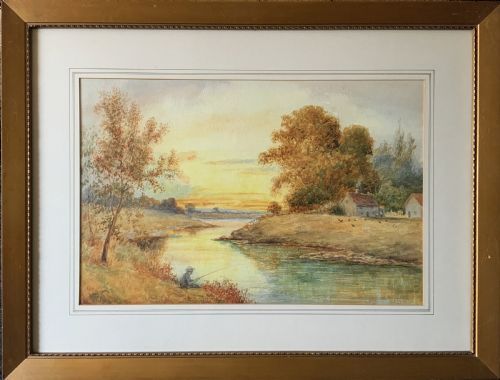
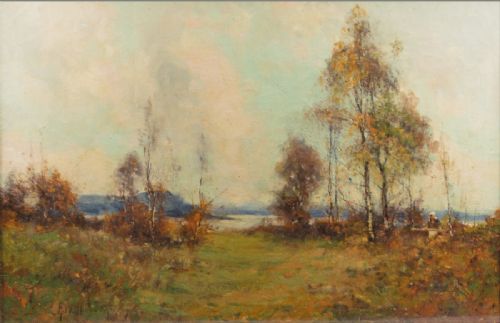
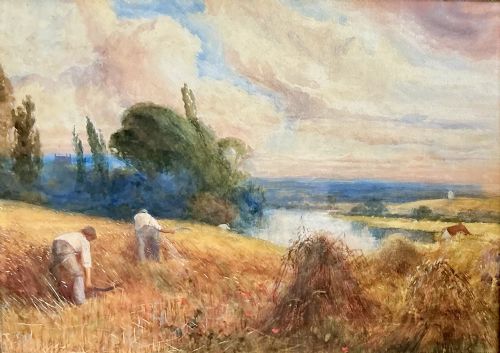
A 19th century countryside landscape captures the pastoral quiet of fields, rivers, and woodlands through traditional brushwork.
19th Century Countryside Landscape
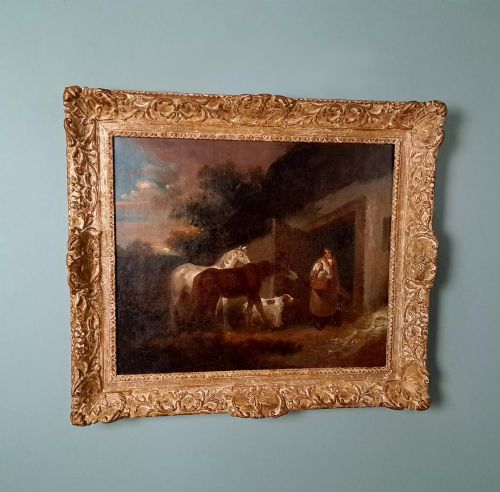
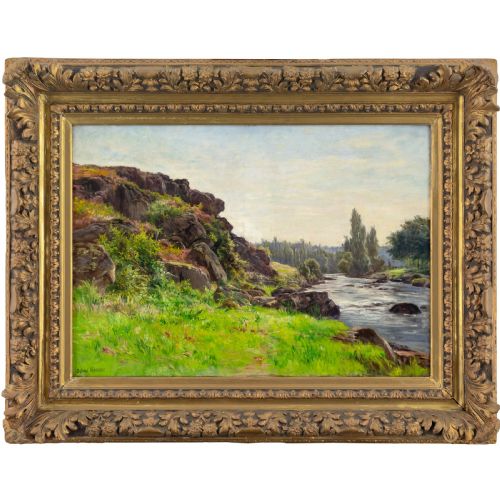
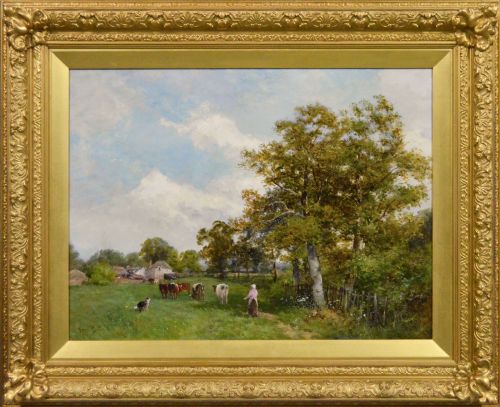
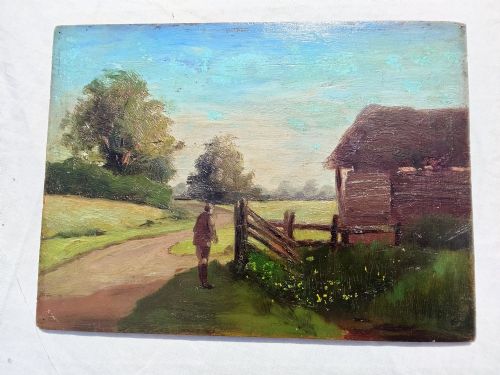
A 19th century countryside landscape typically portrays rural scenes including rivers, farmsteads, woodlands, and pastoral figures working the land. These works reflect the era's deep fascination with naturalism, romanticism, and the quiet beauty of the countryside.
The most common formats encountered on this page are oil paintings on canvas or board and watercolours on paper. Many originate from British and European schools, capturing specific locales from North Wales to the Essex countryside.
Collectors seek these pieces for their evocative portrayal of rural life before industrialisation altered the horizon. The works range in scale from intimate watercolours to large, framed oil paintings intended as focal points in a room.
Materials and Technique
Artists relied primarily on oil paint applied to stretched canvas or wooden boards, alongside watercolour applied to heavy paper. These mediums allowed for rich layering, subtle blending of natural light, and varied textures across skies and foliage.
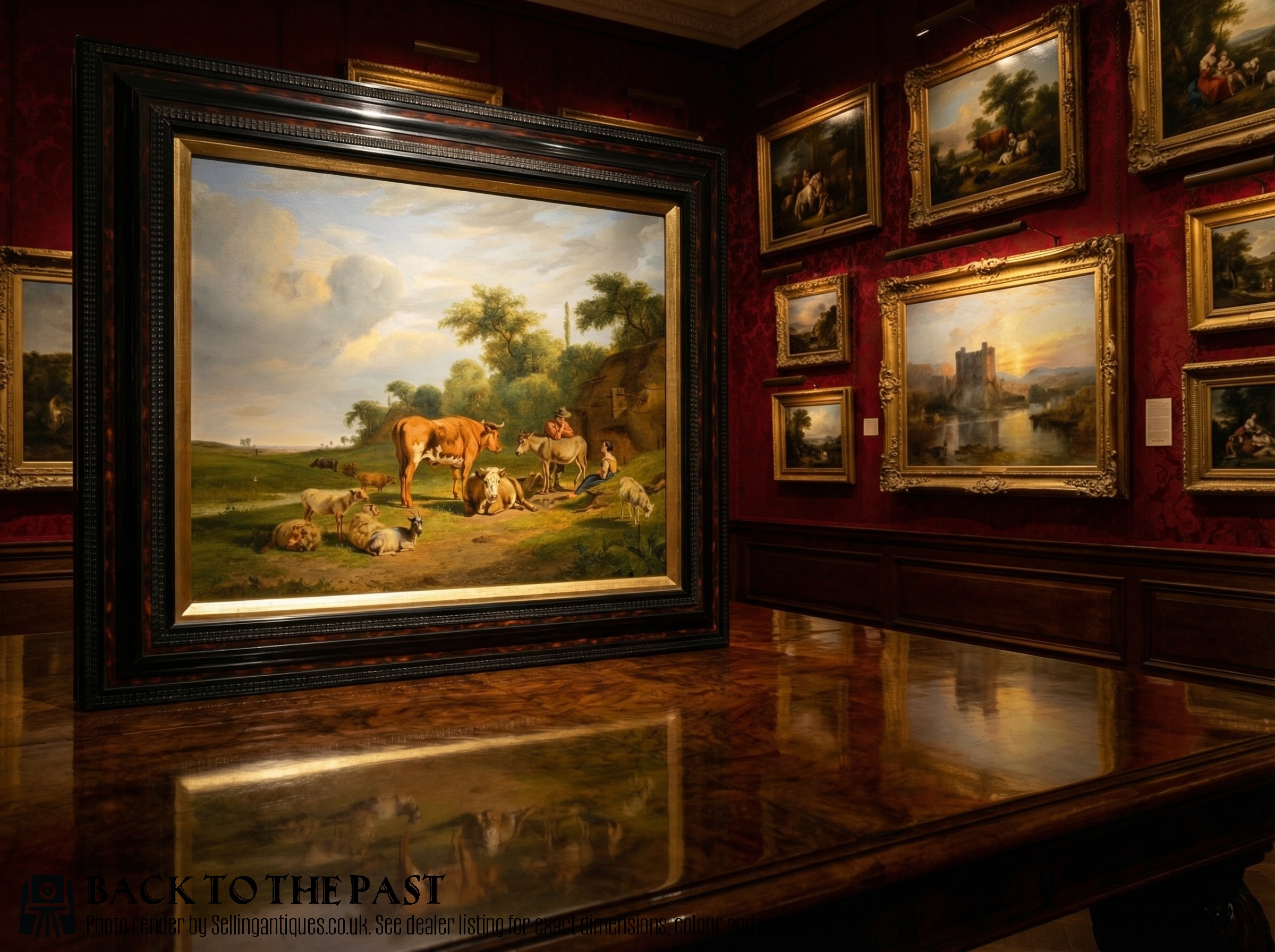
Frames played an integral role in presentation, frequently constructed from gilt wood or carved wood finished with gold leaf. Gilt frames enhanced the perceived depth of the canvas and protected the edges from atmospheric wear.
Countless Victorian cows and sheep graze peacefully across these pastures, proving that nineteenth-century artists knew precisely what made a pastoral scene irresistible.
Assessing Quality and Execution
Quality rests upon the artist's handling of light, atmosphere, and perspective, distinguishing a lively, observant composition from a stiff, formulaic copy. Skilled brushwork brings movement to water and foliage while maintaining believable spatial depth.
The integrity of the physical support matters greatly, as canvas tension and stable oil paint layers dictate long-term preservation. Original gilt wood frames that complement the period and scale of the painting also elevate the overall integrity of the piece.
Richard Sebastian Bond·Frederick Marriott·William Joseph Shayer Senior·David Bates·Harald Foss·Richard Redgrave·Alexander Wellwood Rattray·John Horace Hooper·Charles Clair·Charles Gregory·William Henry Mander·André Prévot-Valéri·Alfred Augustus Glendening Jnr·William Sydney Cooper·Thomas Hunn·Sidney Richard Percy·James Orrock·Thomas Spinks·Robert John Hammond·Johannes Philippus Galjaard·William Greaves·Robert Thorne Waite·Charles Vickers·Henry Bailey·William Mellor
The 19th Century Countryside Landscape Glossary
- Oil on Canvas
- Pigment mixed with drying oil applied to a woven fabric support stretched over a wooden frame. This method was the dominant painting technique throughout the nineteenth century.
- Watercolour
- Pigment ground in a water-soluble binder, applied in translucent washes onto paper. It was frequently used for spontaneous field sketches and finished exhibition pieces.
- Gilt Wood
- Timber decorated with a thin layer of gold leaf or metal powder. It provided ornate, reflective borders for significant nineteenth-century paintings.
- Pastoral
- A style of art idealising rural life and shepherds, farms, and quiet landscapes. It offers a nostalgic view of agrarian existence.
- English School
- A loose collective term for artists working in England across various periods. It encompasses shared stylistic influences rather than a formal academy.
19th Century Countryside Landscape: Frequently Asked Questions
What subjects appear in these landscapes?
The compositions frequently feature rivers, farmsteads, woodlands, and coastal views populated by figures, fishermen, or grazing sheep. Scenes often capture specific regional landmarks across Britain and continental Europe.
Artists aimed to record the changing seasons, from spring meadows to autumnal riverbanks and sunlit rural tracks.
How do I care for an antique oil painting?
Keep the painting away from direct sunlight and steady changes in room temperature to prevent the canvas or wood from warping. Avoid using moisture or chemical cleaners on the painted surface.
Dust the gilt frame gently with a soft, dry brush and consult a professional conservator if the canvas requires cleaning.
Are watercolours as durable as oil paintings?
Watercolours on paper are more sensitive to light and humidity than oil on canvas and require framing behind protective glass. When kept out of direct sunlight, they remain stable for generations.
The paper stock used in the nineteenth century is remarkably resilient if stored in dry conditions.
How can I tell if a painting is original?
Examine the reverse of the canvas or board for period stretcher frames, artist stamps, old gallery labels, and handwritten titles. Craquelure, the fine network of cracks in aged oil paint, also indicates genuine age.
Closer inspection under magnification reveals the distinct brush strokes and pigment layering characteristic of nineteenth-century hand-painted works.