




Canvas Oil Painting Livestock
Canvas oil painting livestock brings together rustic charm and academic skill, offering authentic portrayals of cattle, sheep, and rural life across centuries.
Canvas Oil Painting Livestock
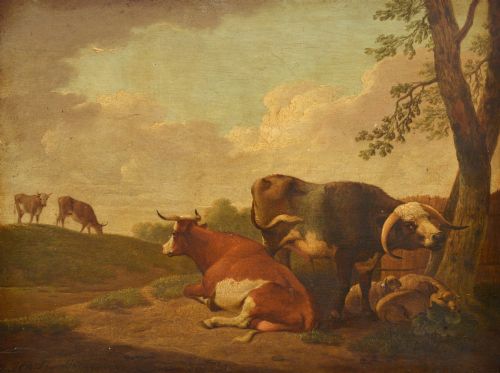
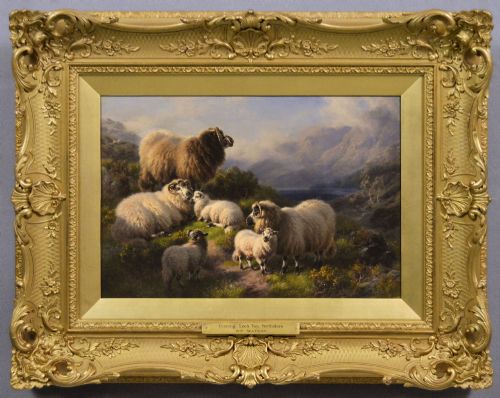
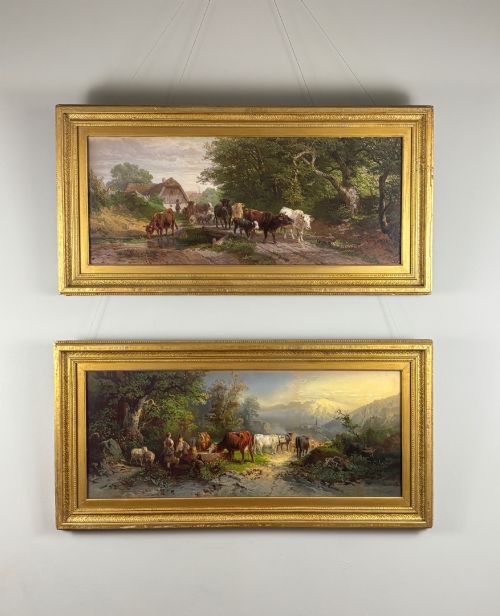
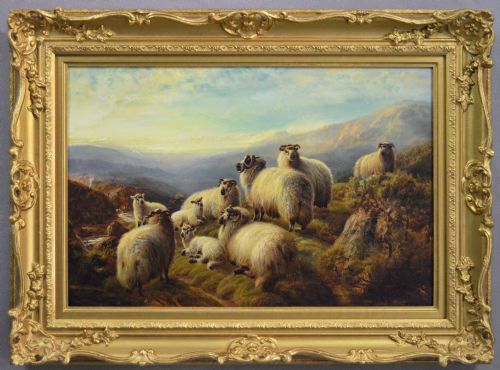
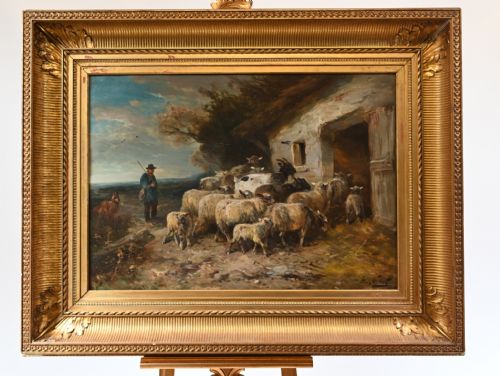
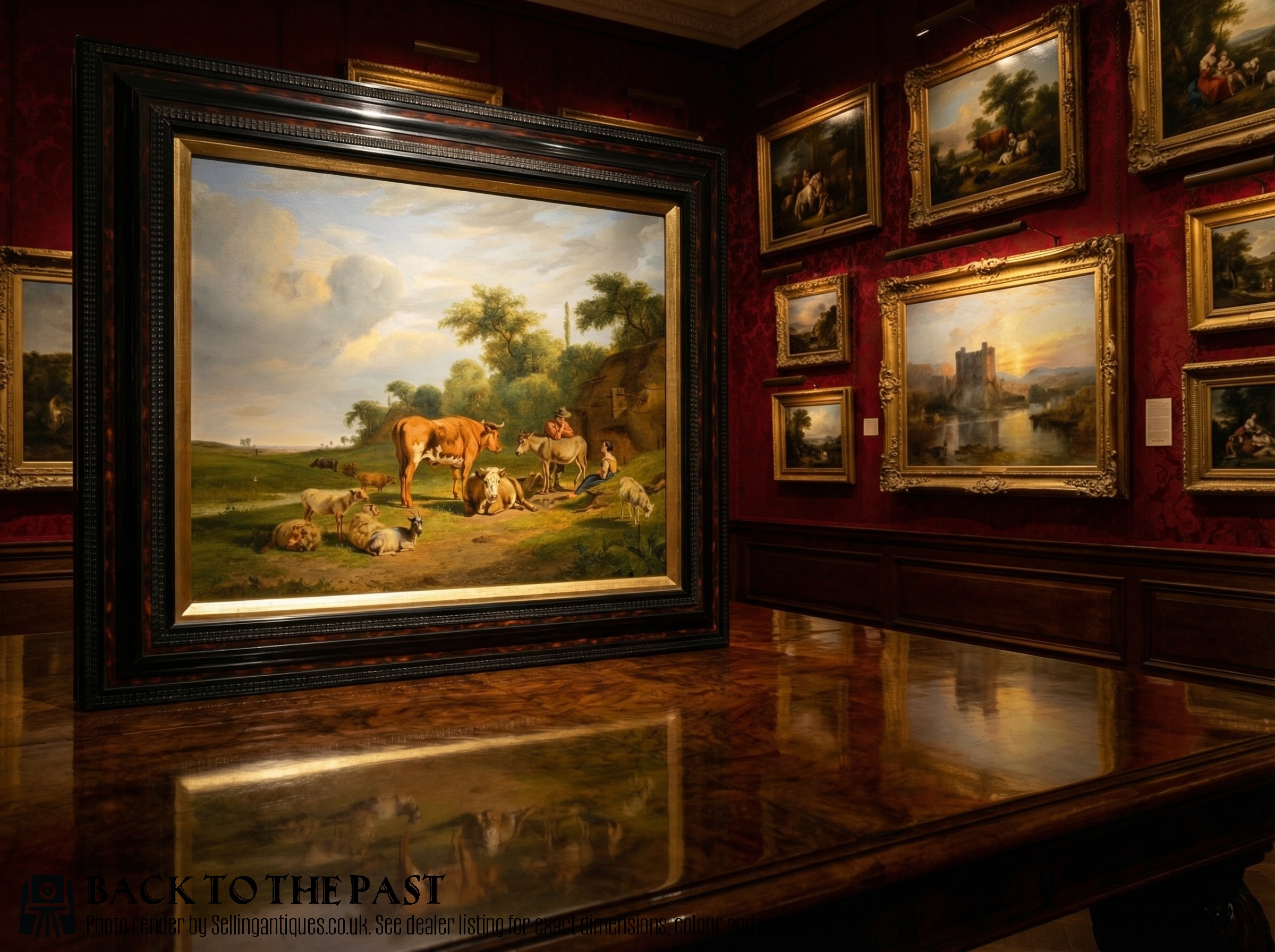
Buyers frequently encounter Victorian examples alongside works from the eighteenth and early twentieth centuries. Common pictorial formats include expansive Scottish Highland vistas, stable interiors, and riverbank grazing scenes populated by cattle and sheep.
Materials and construction
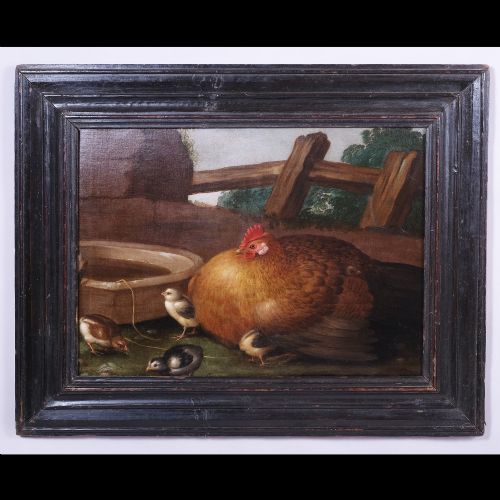
Artists painted primarily with oil pigments applied to stretched canvas, frequently housed within decorative giltwood and gesso frames incorporating moulded wood structures.
Preparation of the canvas involved applying layers of ground before building up the oil paint through fine brushwork, allowing for both detailed animal anatomy and atmospheric landscape backgrounds.
Materials recorded across the inventory include oil paint, canvas, gesso, gold leaf, and carved wood.
Assessing quality and execution
Quality rests upon the anatomical precision of the livestock, the handling of light across the landscape, and the depth achieved in the brushwork rather than the mere presence of farm animals. Superior works demonstrate an intimate understanding of animal form combined with balanced composition.
The sophistication of the original giltwood frame and the clarity of the artist's signature or attribution contribute significantly to the standing of an individual canvas within its period.
Eugène Verboeckhoven·Thomas Sidney Cooper·William Watson Jnr·Henry Schouten·Claude Cardon
The Canvas Oil Painting Livestock Glossary
- Oil on Canvas
- Pigments bound in a drying oil medium applied directly to a stretched fabric support. This combination allowed artists to blend tones smoothly and build rich textures.
- Giltwood
- Timber carved and surfaced with a thin layer of gold leaf over gesso. It provides a traditional reflective border that enhances the colours within the painting.
- Pastoral Realism
- An artistic movement focusing on accurate depictions of rural life and agricultural scenes without romantic exaggeration. It prioritises truthful observation of farm animals and labourers.
- Gesso
- A plaster mixture applied to wood and frame mouldings to create a smooth surface for gilding. It holds crisp decorative relief details securely.
Canvas Oil Painting Livestock: Frequently Asked Questions
What subjects appear in these paintings?
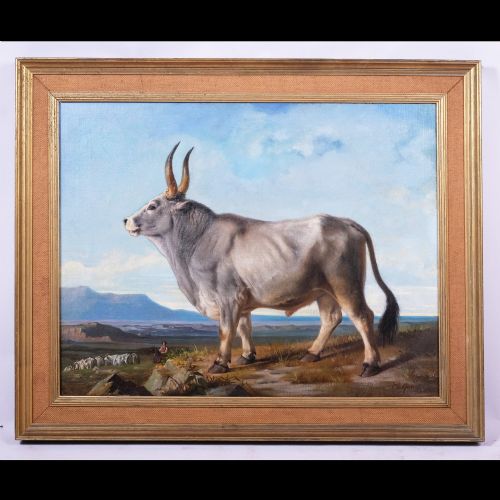
The compositions typically display cattle, sheep, horses, and poultry set within rural landscapes, farmyards, or river valleys. Individual prize bulls and flocks resting in pastures are particularly common.
Many works also incorporate figures such as shepherds, drovers, or farmers tending to the animals alongside rural architectural elements like barns and stables.
How do I date a livestock painting?
Dating relies upon stylistic markers, clothing of any figures depicted, stretcher construction, and framing techniques. Nineteenth-century works often favour romanticized realism, while eighteenth-century examples display different handling of light and landscape.
Signatures, dates inscribed on the reverse, and artist biographical records provide the most precise chronological placement for signed canvases.
Where were these pastoral scenes painted?
Artists worked across British and European rural locations, with specific regional landscapes featured in titles such as the Scottish Highlands, Welsh valleys, and Kentish marshes. Painters frequently travelled to rural farms to study livestock directly from life.
Studio work then combined these detailed animal studies with broader topographical settings observed during outdoor sketching trips.
How should I care for an oil painting?
Keep the canvas away from direct sunlight, damp environments, and rapid temperature fluctuations to prevent cracking in the paint and warping of the stretcher bars. Dust the surface gently with a soft, dry brush when necessary without applying pressure.
Avoid using water or chemical cleaners on either the canvas or the giltwood frame, consulting a professional conservator for any deep cleaning.