




Dutch Golden Age Style
Dutch golden age style pieces capture the rich portraiture and dramatic still lifes of the seventeenth century.
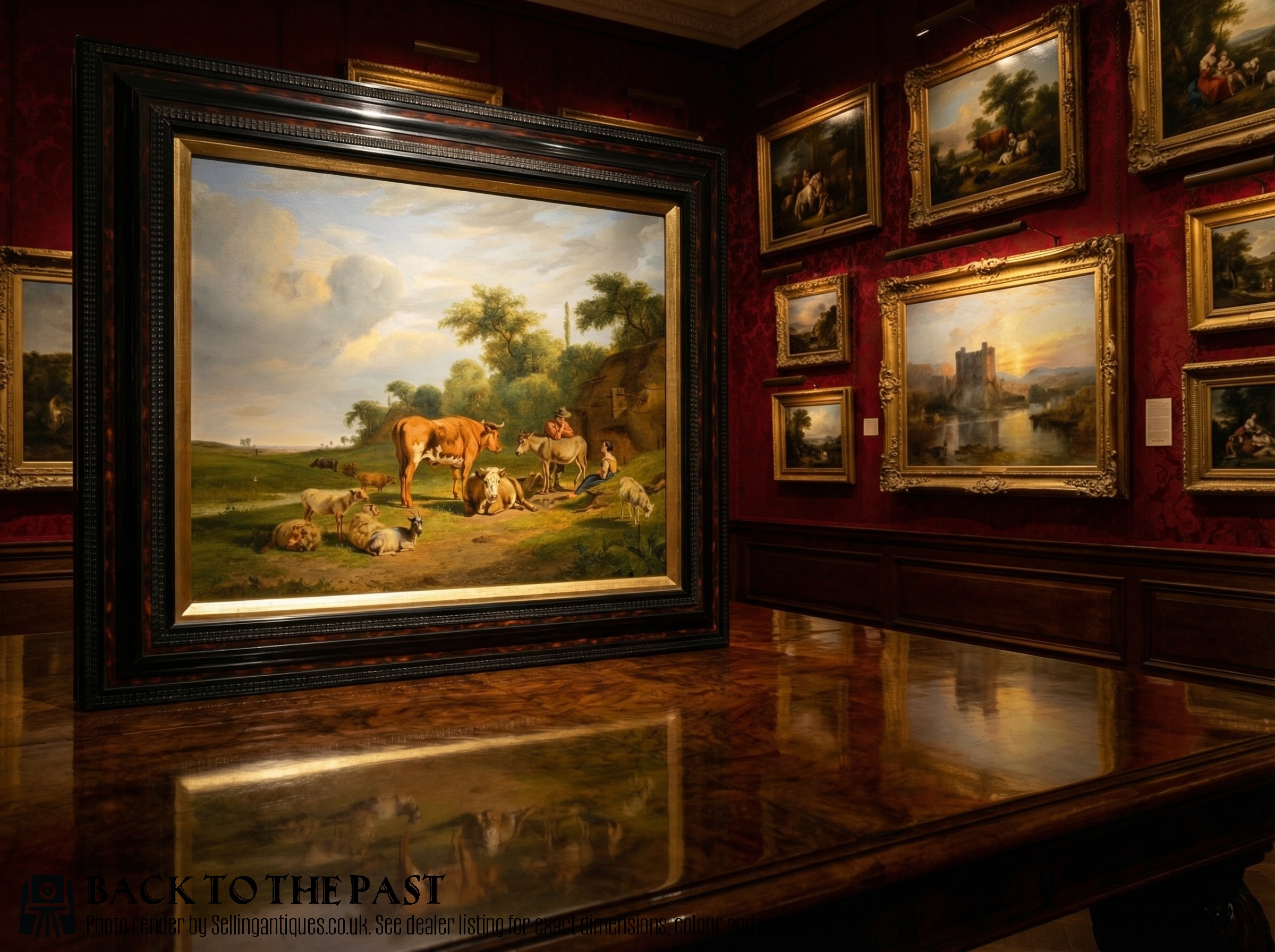
Dutch Golden Age Style
When you search for dutch golden age style, you find oil paintings spanning centuries, from seventeenth-century originals to later revivals.
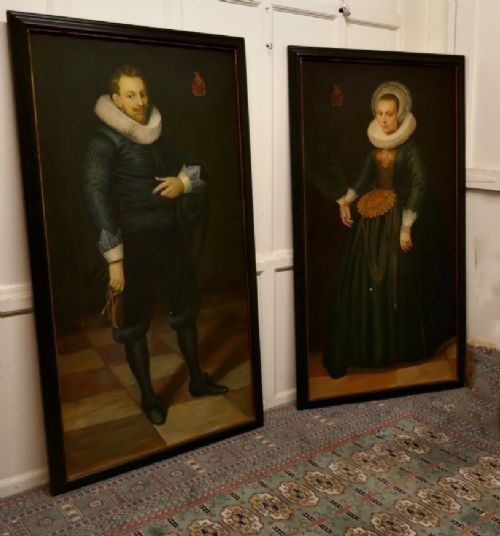
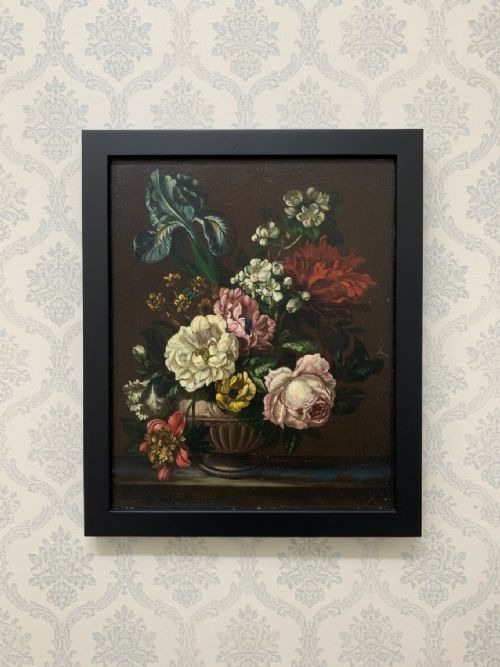
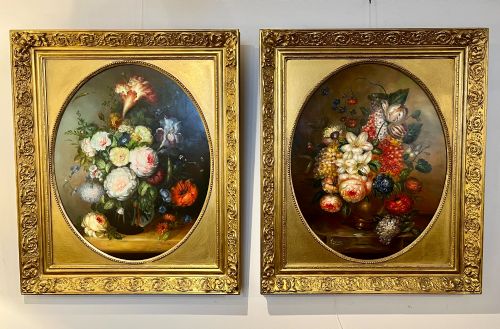
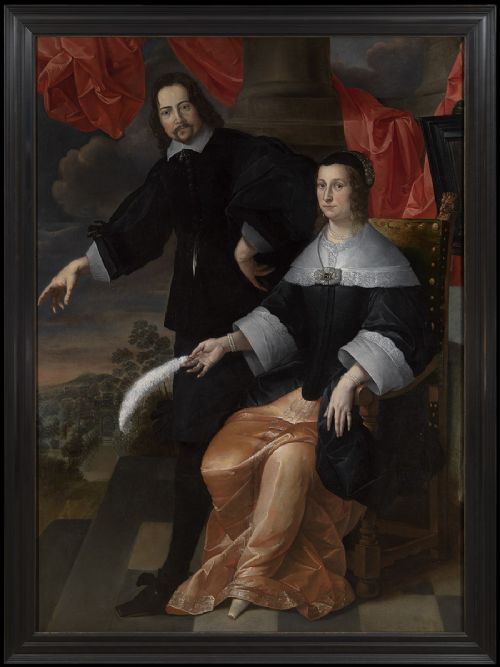
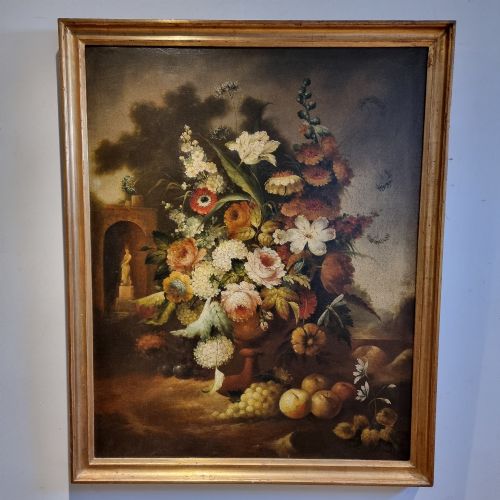
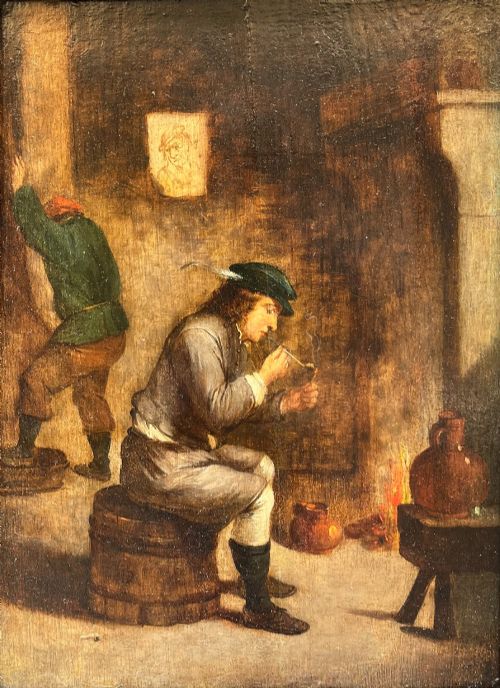
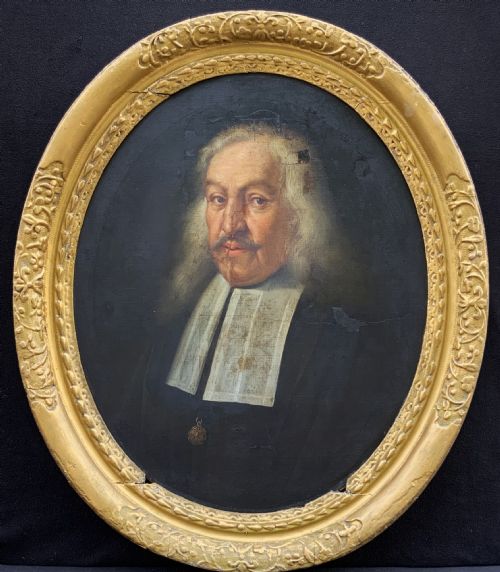
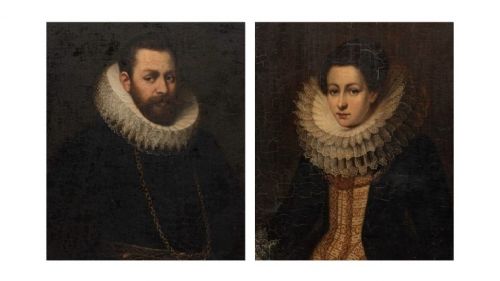
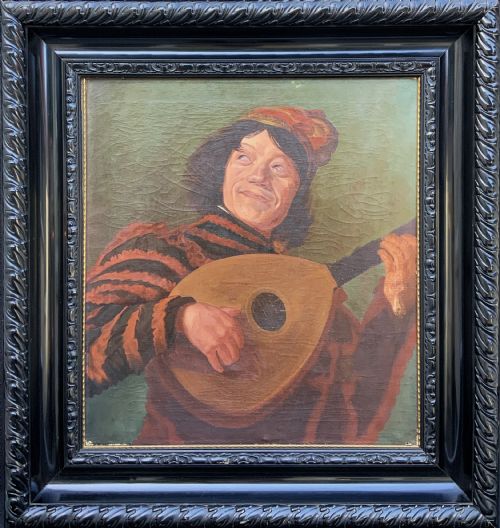
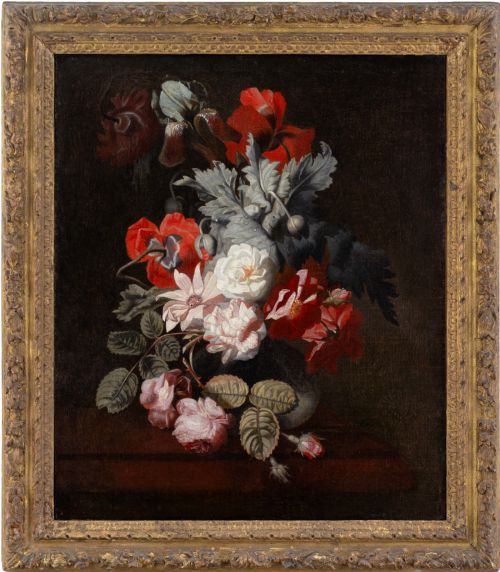
The subjects include sombre portraits with ruff collars, lively tavern interiors, floral still lifes, and marine battles.
Many works reference master painters through copies, follower pieces, and later interpretations created across the eighteenth, nineteenth, and twentieth centuries.
How they were made
These works use oil paint applied to canvas, wood panels, copper, and vinyl canvas.
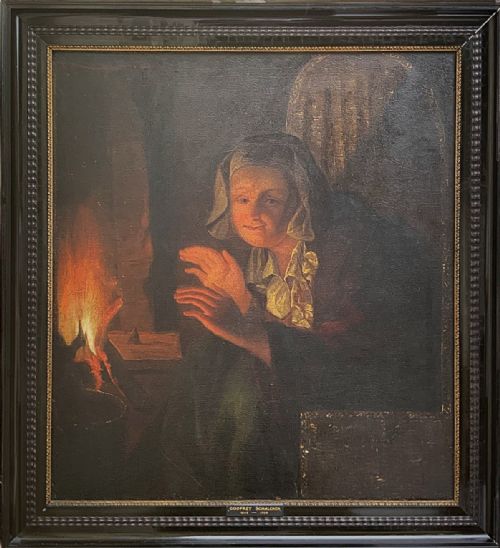
Artists built depth through layered glazes and chiaroscuro lighting, contrasting deep shadows with illuminated figures and objects.
One domestic scene catches a quiet moment at the hearth, complete with a dog getting fed.
What varies in quality
Execution ranges from stiff academic copies to expressive brushwork that captures the vitality of the original period.
The depth of the palette and the confidence of the handling separate standard decorative interpretations from works with genuine atmosphere.
Cornelis Van Der Voort·Bartholomeus van der Helst·Johannes Lingelbach·David Teniers·Pieter Borseler·Frans Hals·Godfried Schalcken·Nicolaes Maes·Simon Pietersz Verelst·Rembrandt van Rijn·James de Rijk·Ludolf de Jongh·Pieter Claesz·Reinier de la Haye·Philips Wouwerman·Abraham Storck·Jan Steen·Adriaen Hanneman
The Dutch Golden Age Style Glossary
- Oil on canvas
- Pigment mixed with drying oil applied to stretched fabric. This remains the primary medium for these historical compositions.
- Old Master
- A term for European painters working before eighteen hundred. These pieces often follow their distinct compositions and techniques.
- Genre scene
- A painting depicting aspects of everyday life. Tavern interiors and domestic kitchens appear frequently in this tradition.
- Chiaroscuro
- Strong tonal contrasts between light and dark. This technique defines the dramatic lighting in these works.
Dutch Golden Age Style: Frequently Asked Questions
Are these works seventeenth-century originals?
The selection includes genuine seventeenth-century pieces alongside later revivals from the eighteenth, nineteenth, and twentieth centuries.
Date attributions in the titles indicate the period of creation or the era of the style being followed.
What subjects are most common?
Portraits of noblemen and ladies featuring intricate ruff collars appear alongside floral still lifes.
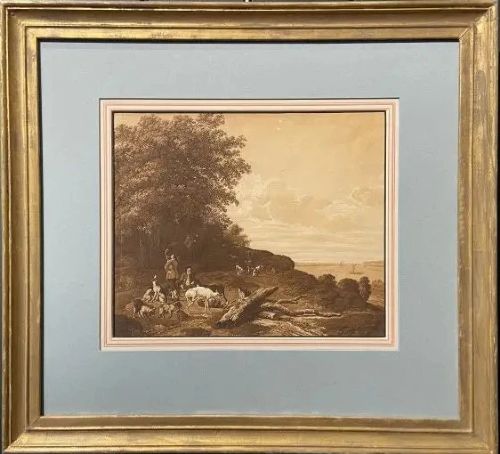
Tavern scenes, winter landscapes, and maritime battles also recur across the selection.
How should I hang these paintings?
These dark, rich compositions suit traditional spaces with warm wood tones and subdued wall colours.
Pairing them with period frames enhances their depth and presence in a room.
What does after an artist mean?
This indicates that the painting is a later copy or interpretation of a known master's work.
These pieces reflect the enduring influence of specific historical compositions.