


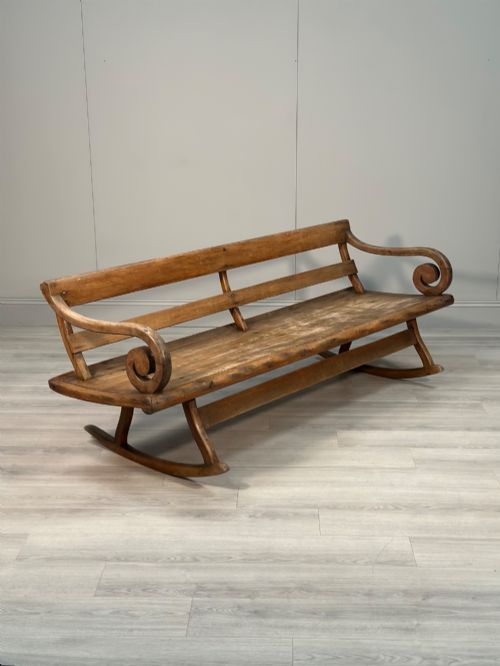
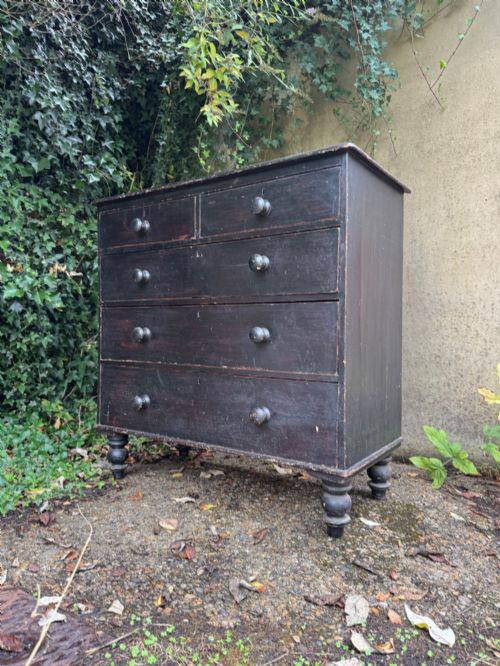
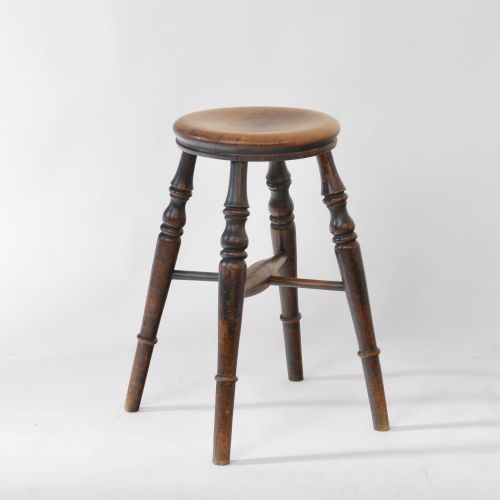
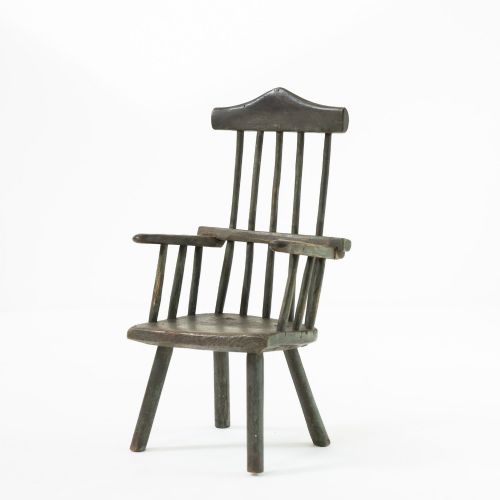
19th Century Country Furniture
These pieces of 19th century country furniture bring domestic utility and regional character into a room through honest timber and straightforward construction.
19th Century Country Furniture
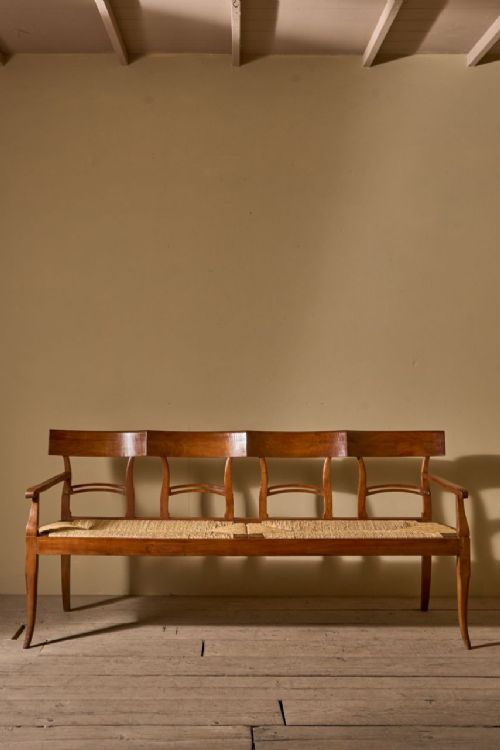
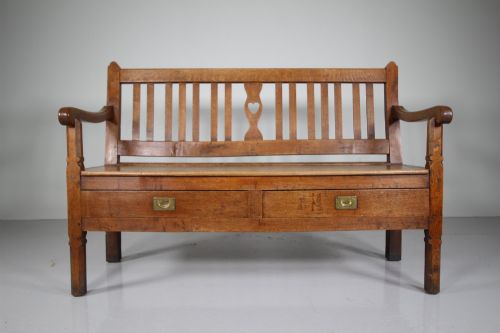
When you search for 19th century country furniture, you encounter sturdy pieces shaped by regional workshops and everyday domestic needs rather than metropolitan fashion. The selection spans robust dining tables, settles, Windsor armchairs, dressers, and storage cupboards produced across British, French, Spanish, and Scandinavian rural communities.
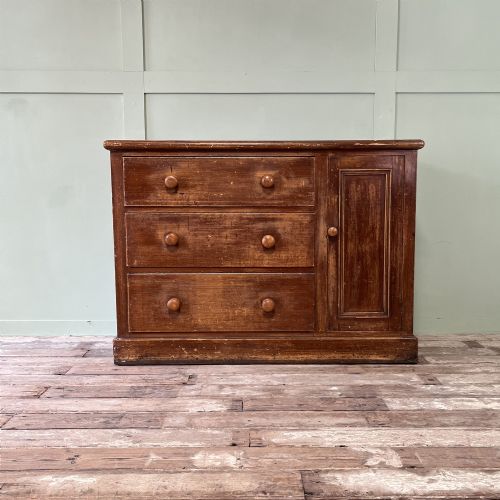
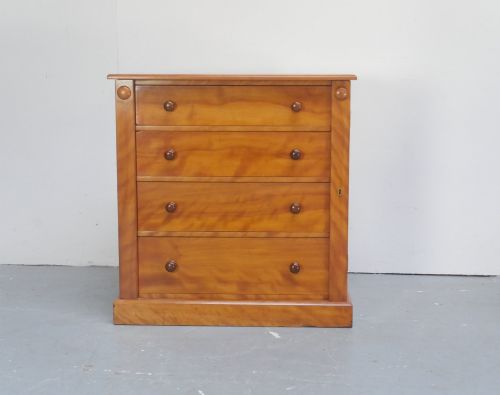
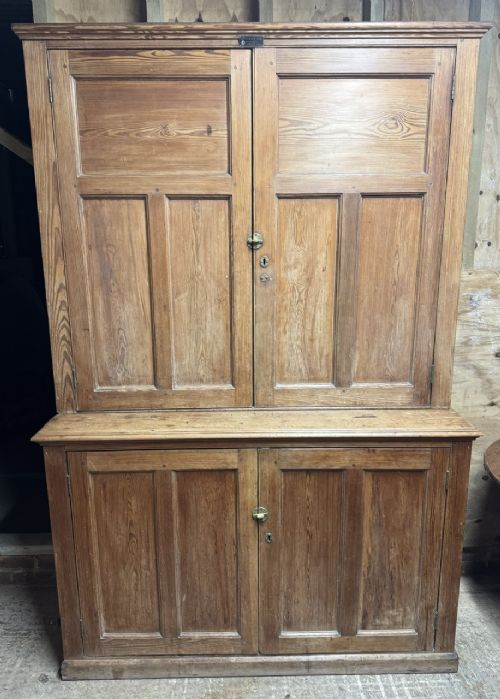
You are most likely to meet pine chests of drawers, elm and ash spindle back chairs, and oak kitchen cupboards. These items reflect the practical requirements of farmhouses, cottages, taverns, and country houses during the Georgian and Victorian eras.
Materials and construction methods
Makers relied heavily upon domestic timbers such as elm, pine, oak, ash, sycamore, and fruitwood, selecting woods based on local availability and structural demand. Elm provided toughness for chair seats, while pine served for painted cupboards, dressers, and washstands.
Joinery techniques prioritised durability over ornamentation, utilising pegged joints, stick back construction, and dovetailing for drawers. Surfaces often retained original paint, scraped finishes, or deep wax patinas built up through decades of daily use.
Listings feature 19th century country furniture constructed from pine, elm, oak, ash, mahogany, and fruitwood across various European origins.
Distinctions in quality and survival
Quality rests in the integrity of the original construction and the preservation of surface texture. Pieces retaining their initial paint finishes or developing deep, untouched surface patinas stand apart from examples stripped down and heavily reworked in later decades.
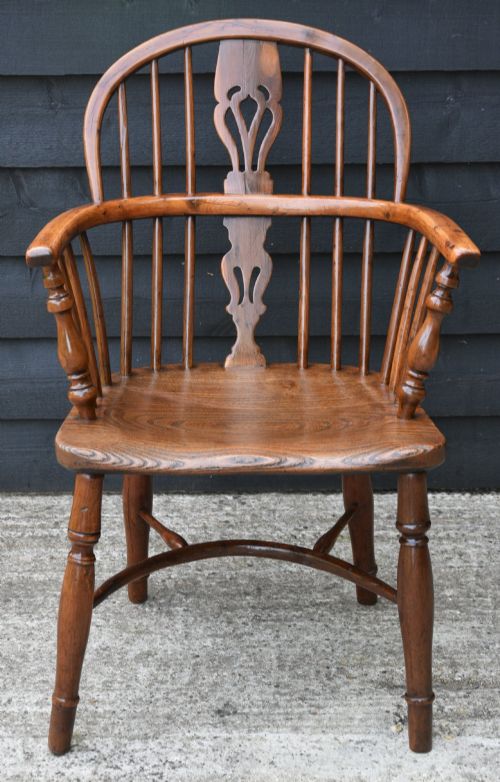
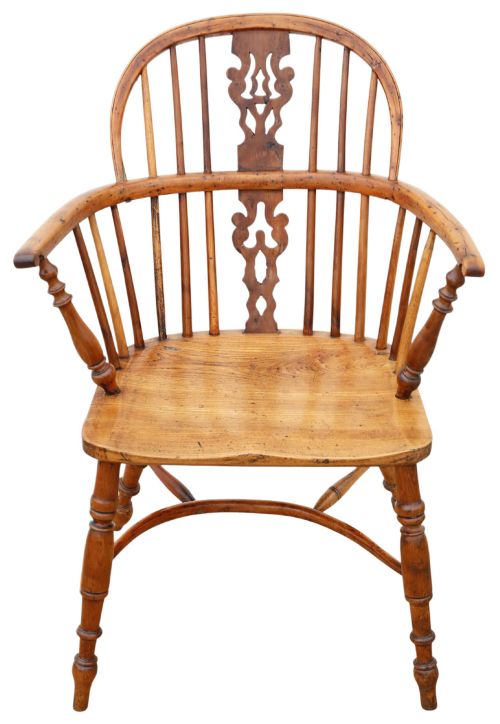
Proportion and structural balance also distinguish finer items. A Windsor chair with clean hoop dimensions or a dresser base maintaining its original board proportions shows deliberate regional craftsmanship rather than crude village carpentry.
Johnston’s of London
The 19th Century Country Furniture Glossary
- Potboard dresser base
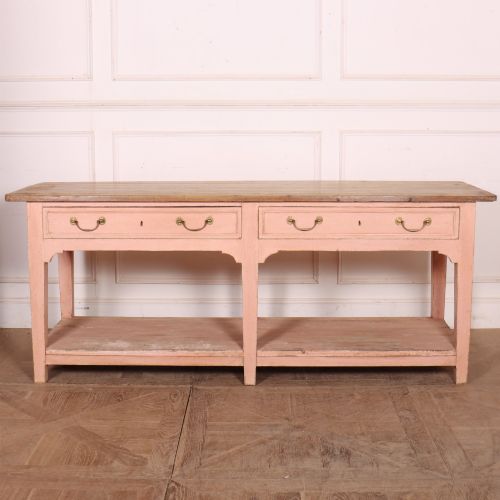
- A kitchen sideboard featuring open lower shelving intended for displaying pots and heavy kitchenware. These originated in regional farmhouses.
- Windsor armchair
- A seat constructed with a solid wooden saddle-shaped seat into which stick legs and a bentwood back are wedged. Elm and ash were typical materials.
- Cricket table
- A small, lightweight occasional table supported by three splayed legs. This design provided stability on uneven stone floors.
- Settle
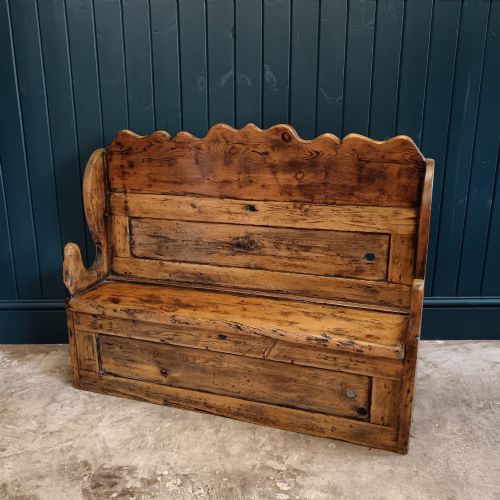
- A high-backed wooden bench with solid arms and a storage box beneath the seat. They shielded occupants from draughts in open hearth rooms.
- Patina
- The surface sheen and colour acquired by timber over generations through handling, polishing, and natural ageing. This quality is central to antique assessment.
19th Century Country Furniture: Frequently Asked Questions
How do I identify regional country furniture?
Regional identification relies on the primary timbers used and local construction traditions. Items from Wales often utilise heavy native oak and feature specific cupboard configurations, while Irish pieces frequently employ painted pine.
Examining the underside and interior secondary woods helps confirm where a piece was built. Local makers utilised whatever timber grew nearby, linking the object directly to its rural origin.
What is a primitive country piece?
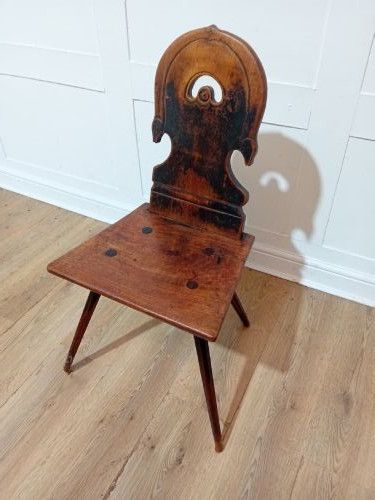
Primitive furniture describes items built by local carpenters or householders with basic tools and straightforward methods. These objects lack sophisticated urban stylistic influences but possess direct utility.
Such pieces often display charming structural quirks and simple joinery. Their appeal lies in this unpretentious approach to domestic furnishing.
How should I care for waxed pine?
Waxed pine surfaces require minimal maintenance beyond regular dusting with a dry, soft cloth. Avoid placing these items near direct heat sources or strong sunlight, which can dry out the timber and crack old finishes.
Applying a traditional beeswax polish occasionally maintains the lustre. Buff the surface gently after application to preserve the natural sheen.
Are painted finishes usually original?
Original painted surfaces show uniform wear consistent with the age of the piece, often displaying subtle craquelure or underlying layers. Later repainting tends to look flat or uniform without natural fading.
Inspect corners and recessed areas for traces of earlier pigments. Finding untouched historic paint significantly increases the interest of a cupboard or washstand.