


Victorian Wheeled Chair
These victorian wheeled chair pieces combine mechanical mobility with traditional seating design, offering practical movement alongside period craftsmanship.
Victorian Wheeled Chair
A victorian wheeled chair brings together nineteenth-century mobility innovations and domestic seating forms, appearing in configurations ranging from invalid models to reclining armchairs.
The pieces on this page span the nineteenth century and the Victorian era, utilising forms such as armchairs and invalid chairs fitted with castors or larger wheels.
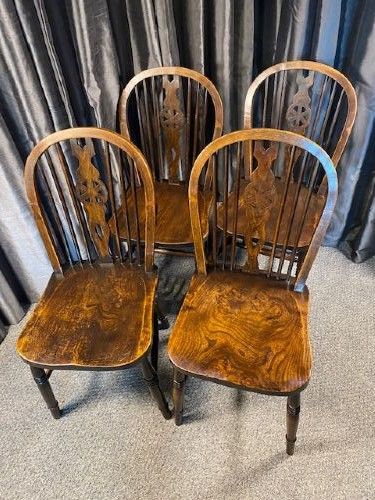
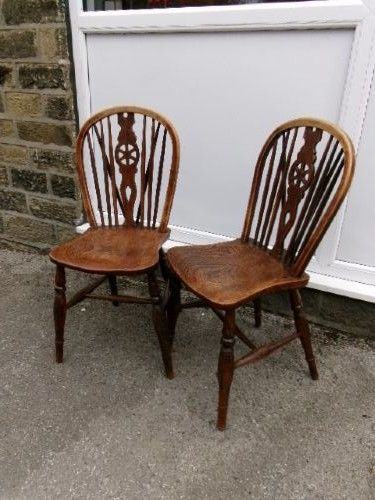
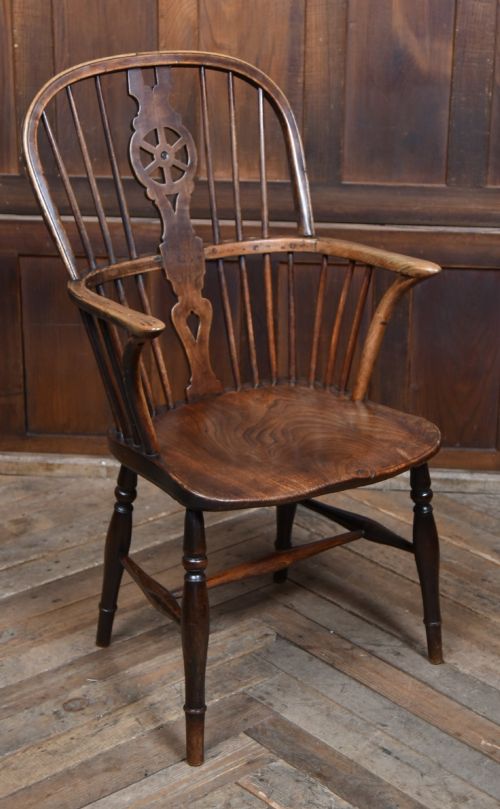
Makers in the evidence include specialised firms such as John Ward and Foot and Son, alongside country workshops producing wheelback Windsor variants.
Materials and Construction
Timbers such as elm, beech, oak, ash, and mahogany form the structural framework and seats of these chairs, often paired with turned spindles and carved details.
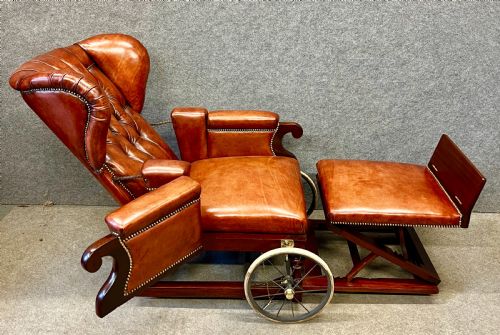
Metal components like brass and iron provide the mechanical support for castors and reclining mechanisms, while leather adds a durable surface to upholstered variants.
Some nineteenth-century invalids took their wheeled chairs so seriously they demanded built-in reading desks and footrests.
Assessing Quality
Quality rests in the integrity of the timber frame and the sophistication of any mechanical elements, distinguishing straightforward country seating from complex adjustable invalid chairs.
The distinction between standard kitchen wheelbacks and signed pieces by makers like John Ward or Foot and Son lies in the precision of the mechanics and the execution of the woodwork.
S and H Jewell·Foot and Son·John Ward
The Victorian Wheeled Chair Glossary
- Wheelback
- A Windsor chair variation featuring a pierced splat shaped like a cartwheel. This design became popular in English country seating during the nineteenth century.
- Castor
- A small wheel mounted on a swivel assembly attached to the legs of a chair. It allows heavy furniture to move easily across floor surfaces.
- Reclining armchair
- An adjustable seat allowing the backrest to tilt backward. These models often incorporate mechanical levers operated by the sitter.
- Invalid chair
- A specialised wheeled seat designed for convalescents and individuals with limited mobility. Nineteenth-century examples often feature large wooden wheels and steering handles.
Victorian Wheeled Chair: Frequently Asked Questions
What is a Victorian wheeled chair?
A victorian wheeled chair is a nineteenth-century seating form fitted with castors or wheels for mobility. These range from domestic armchairs to specialised invalid carriages.
Such chairs combine traditional carpentry with early mechanical adjustments to assist users within the home.
How do I date these chairs?
Dating relies on timber selection, turning styles, and mechanical complexity. Nineteenth-century pieces often display distinct joinery and patent mechanisms.
Comparing the construction methods with documented periods helps narrow down the production decade.
Were these chairs used outdoors?
Most surviving examples are designed for interior use within domestic or institutional settings. The materials and wheel types suit carpeted or wooden floors.
Heavy wooden wheels on invalid models allowed patients to propel themselves across rooms rather than rough terrain.
How do I care for the wood and mechanics?
Maintain the timber with appropriate wax polish to preserve the finish of woods like elm, beech, and mahogany. Avoid harsh chemical cleaners.
Period metal mechanisms benefit from light lubrication to ensure smooth movement without disturbing original patina.