




19th Century Coastal Artwork
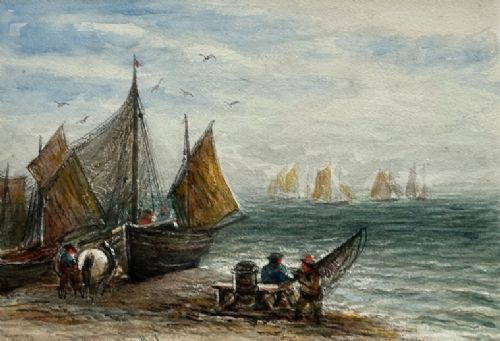
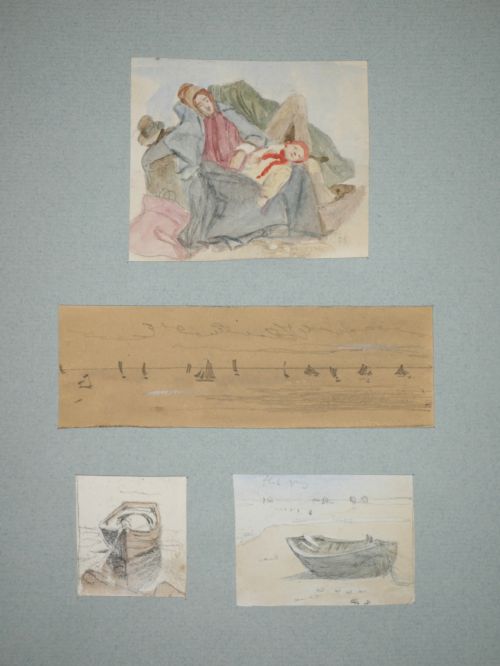
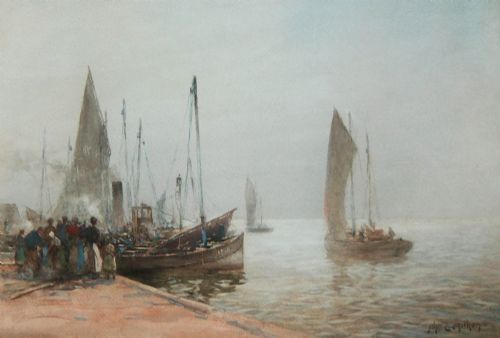
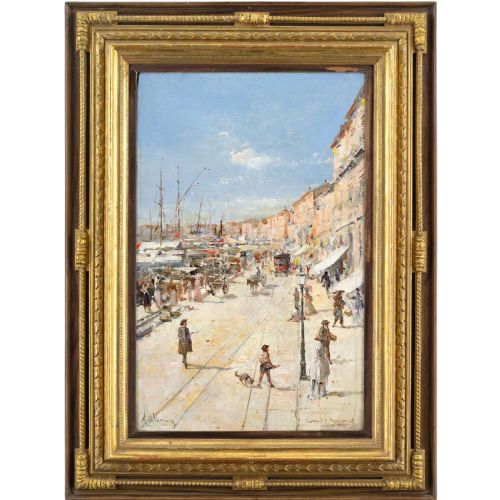
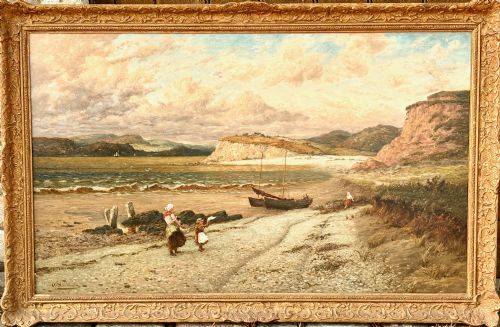
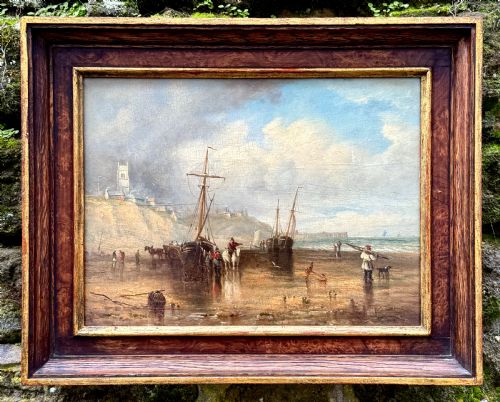
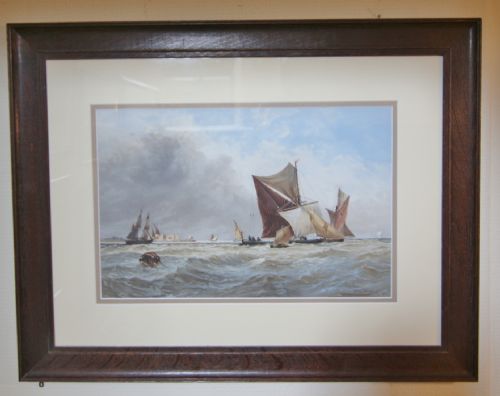
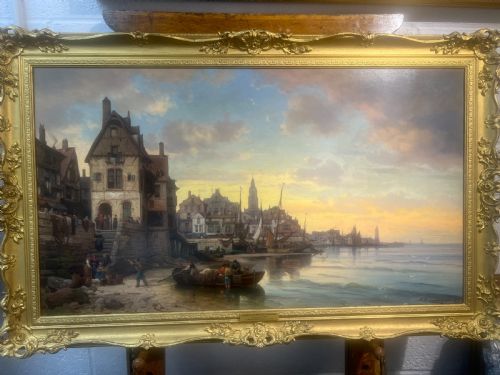
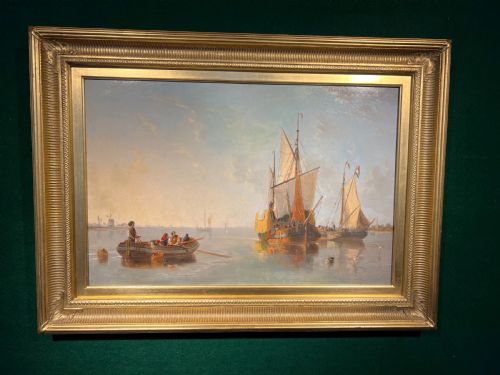
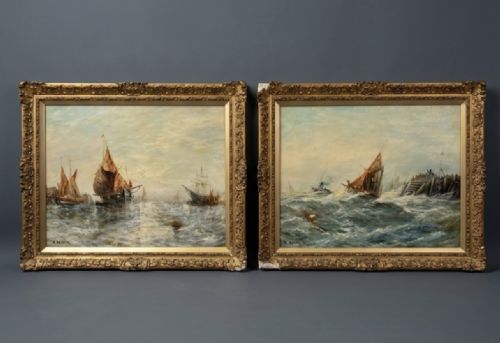
These 19th century coastal artwork pieces capture maritime life and shores, offering authentic Victorian scenes of boats and seas.
What 19th century coastal artwork is
When you search for 19th century coastal artwork, you are looking at historical maritime paintings and watercolours depicting shores, fishing boats, and marine landscapes. These works record the maritime environment of the Victorian era through the eyes of contemporary painters.
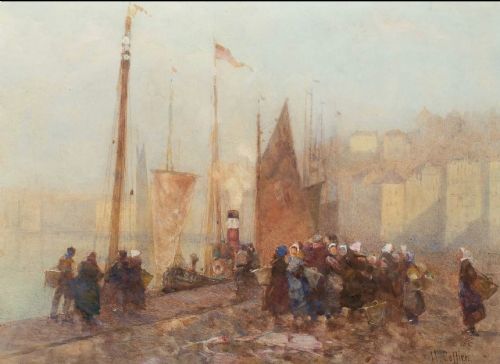
The pieces available on this page include oil paintings on canvas and delicate watercolours on paper. Subjects range from the Channel Islands and the Isle of Man to moored ships and scenes of gathering kelp.
Most examples date firmly within the nineteenth century, reflecting Victorian marine art and early British Impressionism. Collectors seek them out for their genuine period atmosphere and historic depiction of coastal life.
How they were made
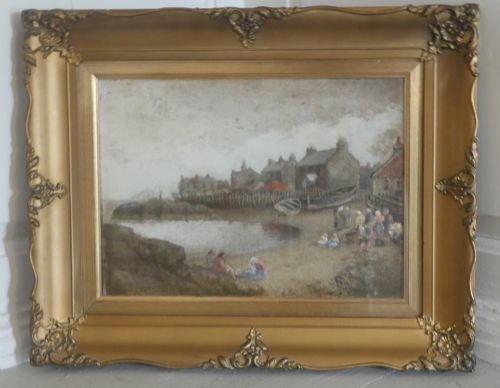
These works utilise traditional artist materials such as oil paint applied to canvas and watercolour pigments on paper. Many are housed behind glass within period frames fashioned from gilded wood, giltwood, and burr walnut veneer.
Artists of the period employed layered oil techniques to capture the movement of water and shifting light on the sea. Watercolours rely on washes on paper to render coastal atmosphere and marine topography with precision.
Retail Price Guide 2026
Typical UK retail prices for 19th century coastal artwork, calculated from the Sellingantiques database of over a million retail prices indexed since 2003. This retail price guide relies exclusively on Sellingantiques data; no external sources or auction records are used, so the figures do not describe the wider market.
Some nineteenth-century artists clearly spent hours watching people harvest seaweed.
What varies in quality
The distinction between standard decorative pieces and finer works lies in the artist's handling of light, scale, and maritime detail. Accomplished paintings demonstrate a sophisticated command of coastal atmosphere and water texture.
Original framing, such as gilded wood or burr walnut veneer, enhances the integrity of a piece. Works by recognised named painters from the period generally command greater attention from collectors.
James Webb·Thomas Bush Hardy·George Smith
The 19th Century Coastal Artwork Glossary
- Oil on Canvas
- Pigment mixed with drying oil applied to a stretched fabric support. This traditional medium allows for rich colour depth and textured brushwork.
- Watercolour
- A paint consisting of water-soluble pigments used on paper. It creates transparent washes well-suited to capturing light and marine air.
- Giltwood
- Wood carved and coated with gold leaf or a gold-coloured metallic finish. It provides a decorative and protective border for period paintings.
- British Impressionism
- A late nineteenth-century painting style focusing on light and everyday subjects. It influences several marine and coastal works of the period.
Frequently Asked Questions
What subjects appear in 19th century coastal artwork?
These works depict fishing boats, moored ships, and specific coastal locations such as the Isle of Man and the Channel Islands. Scenes also record local maritime labour like gathering kelp.
Artists focused on capturing the changing light and weather conditions around British and European shores during the Victorian era.
Are these paintings glazed?
Watercolour paintings on paper require glass protection to prevent moisture and environmental damage. Oil paintings on canvas are typically unglazed.
Original framing often includes glass for works on paper alongside gilded wood or burr walnut surrounds.
How do I identify a Victorian marine painting?
Victorian marine pieces often feature subjects like sailing vessels, coastal cliffs, and fishing fleets rendered in oil or watercolour. Period framing materials such as giltwood and burr walnut veneer offer further context.
Signatures or attribution to artists active in the nineteenth century help confirm the origin of the piece.
How should I display coastal artwork at home?
Hang these paintings away from direct sunlight and excessive moisture to protect canvas, paper, and gilded frames. Proper wall placement preserves the integrity of both the artwork and its historic mount.
Pairing them with period lighting highlights the texture of the oil paint and the detail of the giltwood frames.