

19th Century Club Chair
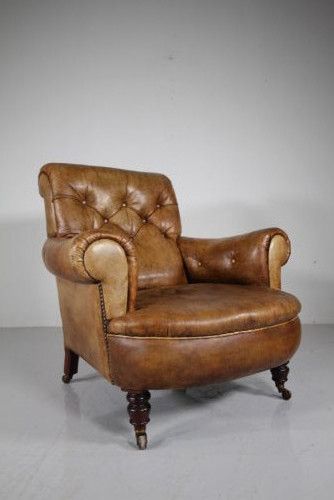
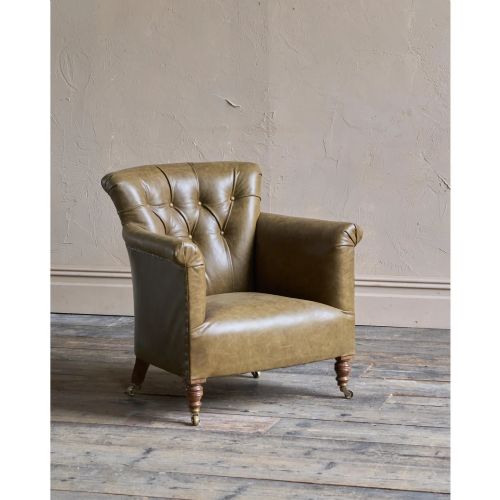
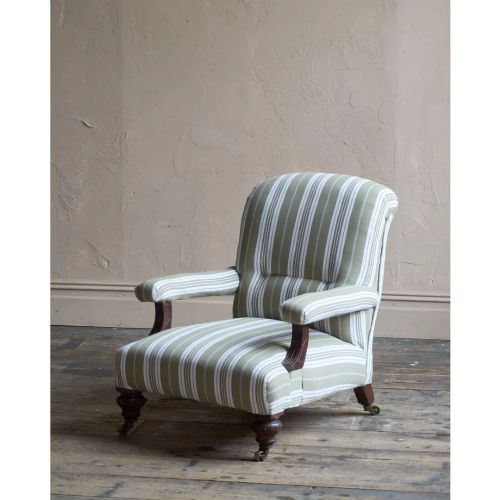
A 19th century club chair brings deep-seated comfort and enduring historical character to a room.
19th Century Club Chair
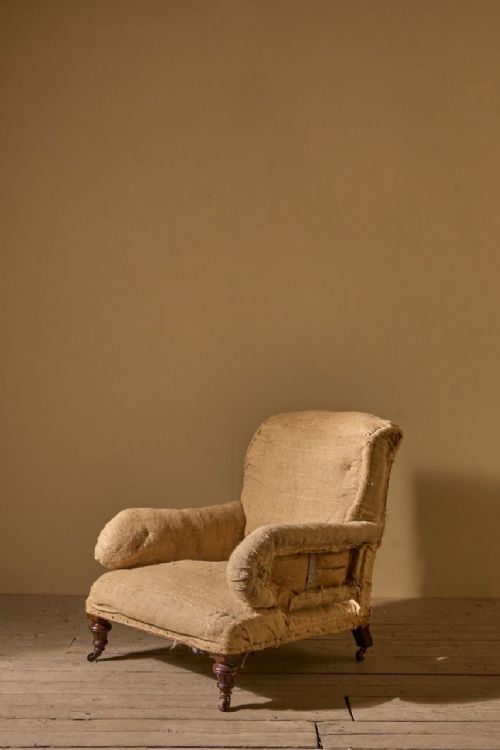
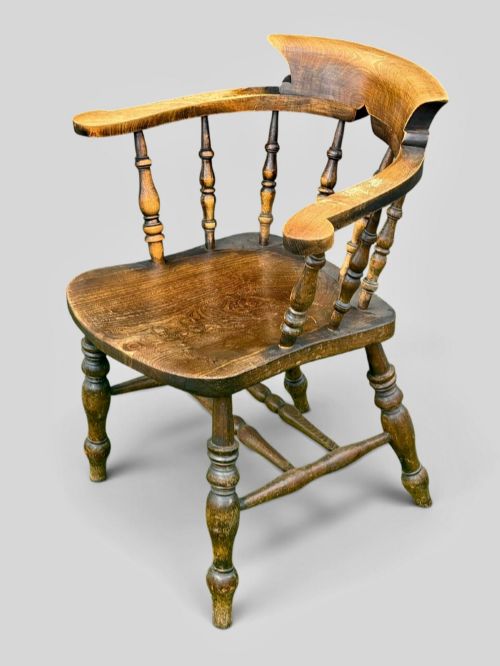
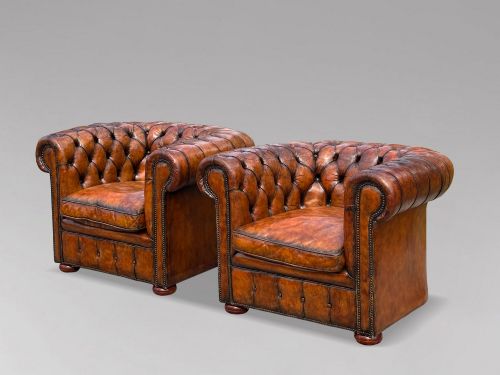
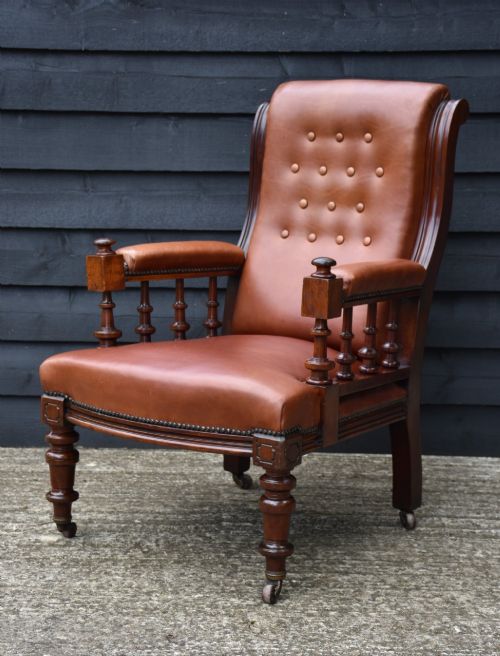
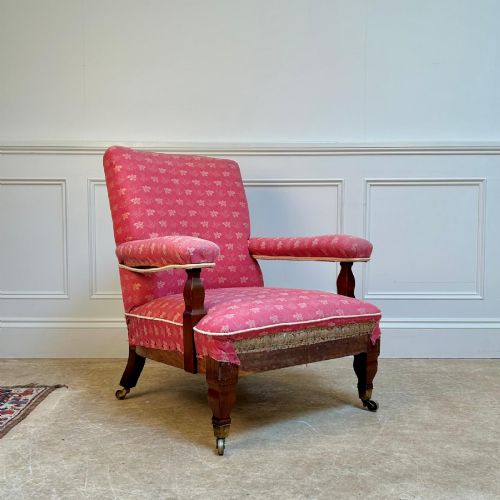
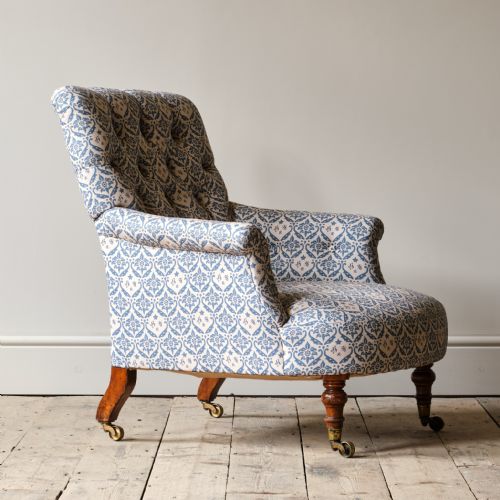
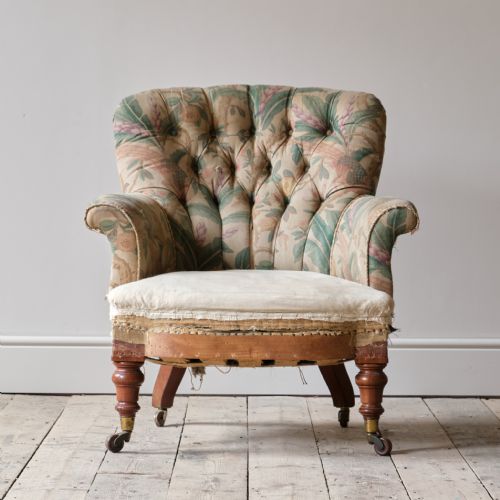
A 19th century club chair is a heavily upholstered armchair designed for relaxation, often featuring generous proportions and low arms.
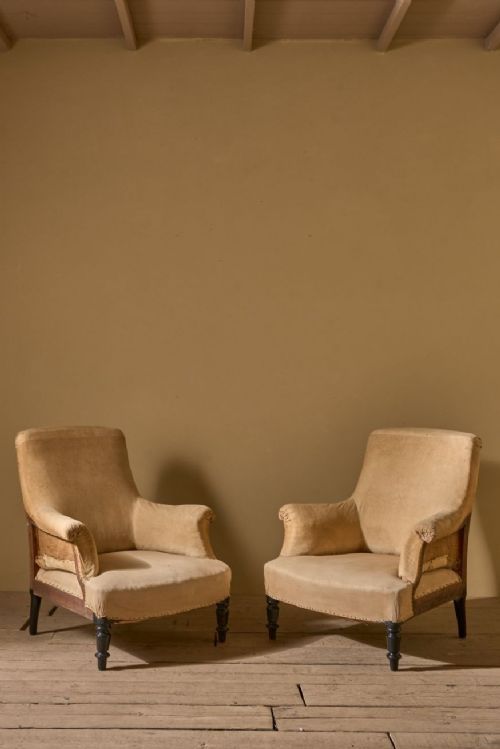
The versions most frequently met on this page include deep-seated English country house designs, French models, and sturdy library armchairs.
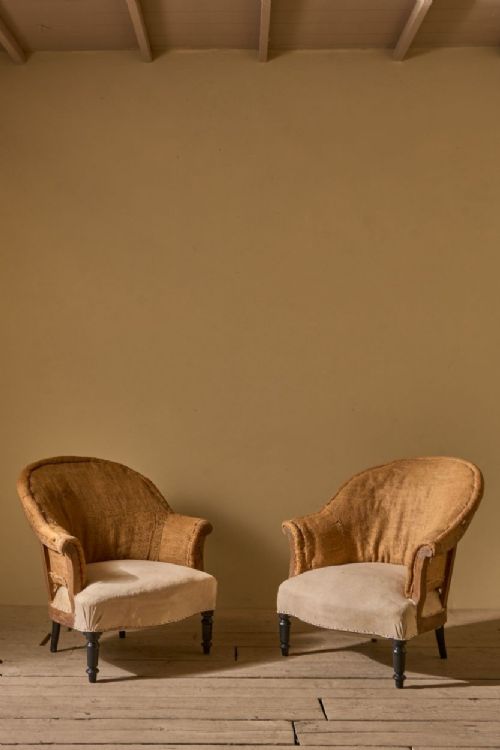
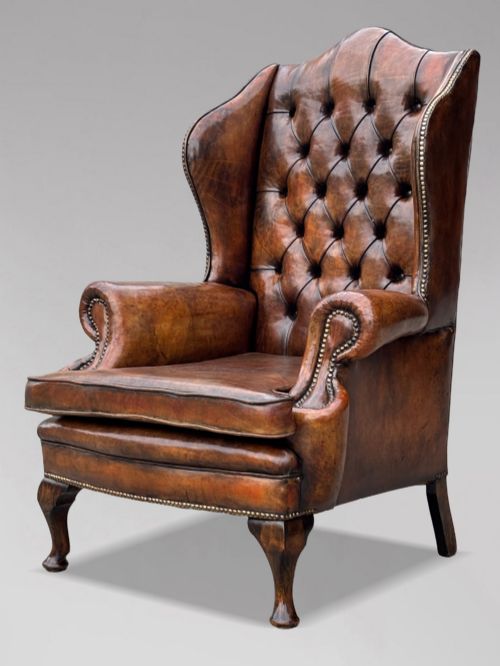
These seating pieces span various interpretations of the period, from plain square back examples to tub chairs and button-backed leather loungers.
Materials and construction methods
Frames are constructed from sturdy timbers such as oak, mahogany, walnut, beech, and elm, providing a robust structural foundation.
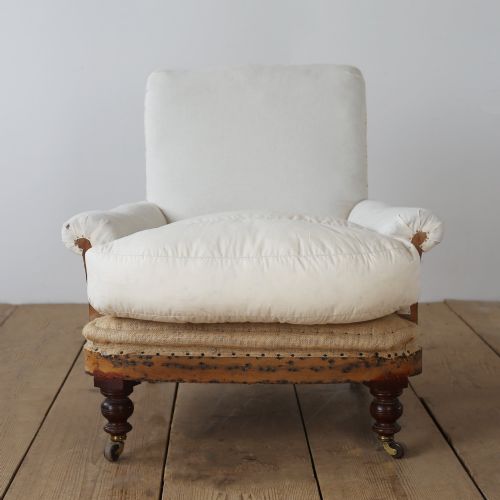
Upholstery relies on traditional stuffing materials like hessian and calico beneath top layers of leather or fabric.
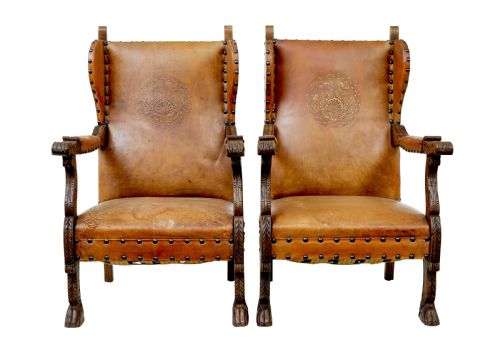
Detailing often incorporates brass tacks, button tufting, and carved wooden elements including lion heads or open arms.
Some oak frames hide fierce carved lion heads keeping watch beneath the armrests.
Distinctions in craftsmanship and origin
Quality separates pieces through the integrity of the underlying timber frame and the skill of the original upholstery work.
Marked workshop origins and distinctive country house proportions distinguish standard examples from exceptional cabinet-maker pieces.
Morris Co·Howard Sons·Holland Sons·Gillows
The 19th Century Club Chair Glossary
- Bergere
- An enclosed armchair with cane or upholstered sides and back panels.
- Tub chair
- A curved seating form where the back flows continuously into low arms.
- Hessian
- A coarse woven fabric utilised as a traditional foundation layer in upholstery.
- Button wing armchair
- A deep-seated chair featuring side panels on the back and tufted upholstery.
- Satin Birch
- A pale hardwood utilised for decorative furniture frames.
19th Century Club Chair: Frequently Asked Questions
What defines a 19th century club chair?
These seating pieces are defined by their deep proportions, sturdy wooden frames, and heavy upholstery designed for comfort.
They appear in various styles ranging from English country house models to French variations.
How were these armchairs originally used?
They served as comfortable lounging seats in libraries, studies, and drawing rooms across large country houses and urban residences.
Their deep seats made them suitable for prolonged reading or resting.
Which materials appear on these chairs?
Frames are built from hardwoods including mahogany, oak, walnut, beech, and elm.
Coverings typically consist of leather, fabric, calico, and hessian, often finished with brass tacks.
How do I identify different styles?
Styles are identified by frame shapes, such as the curved back of a tub chair or the side wings of a library armchair.
Origin hints also emerge through French Napoleon III or English country house characteristics.