





19th Century Church Painting
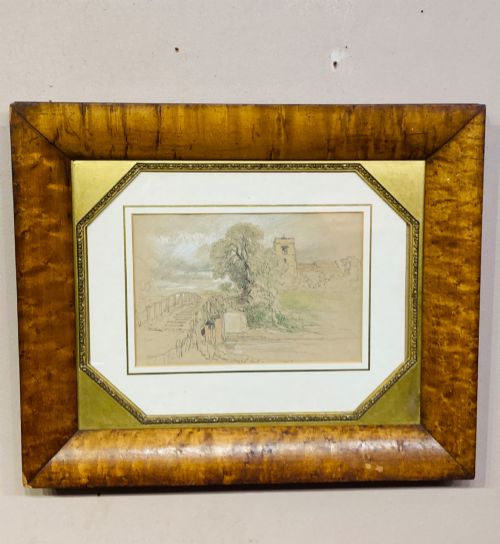
When searching for a 19th century church painting, collectors encounter oil canvases, watercolours, and devotional panels recording ecclesiastical architecture and rural parishes.
19th Century Church Painting
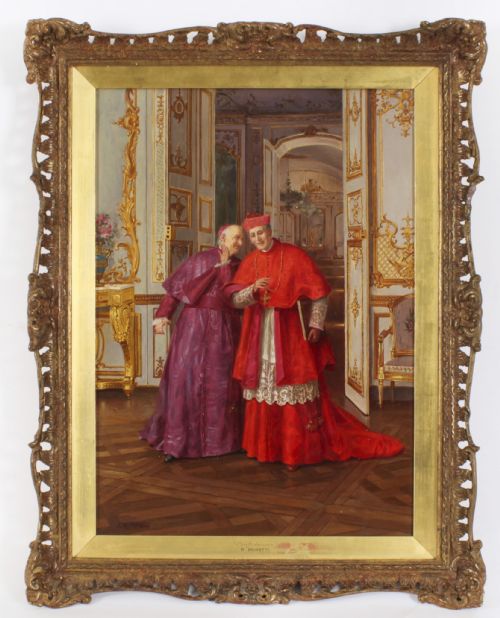
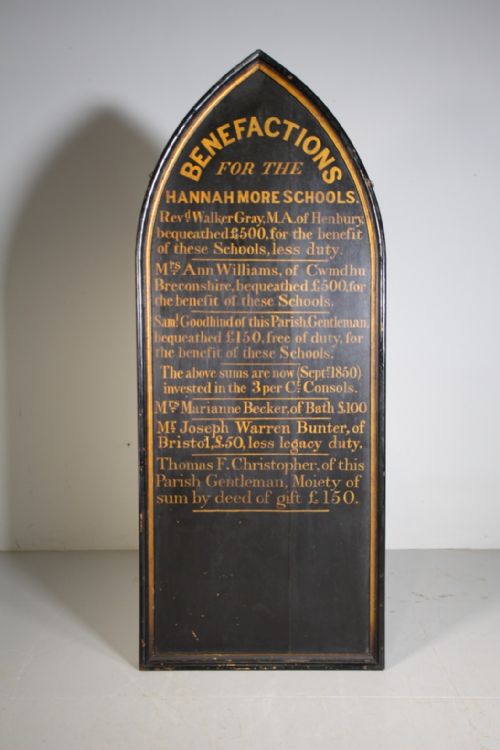
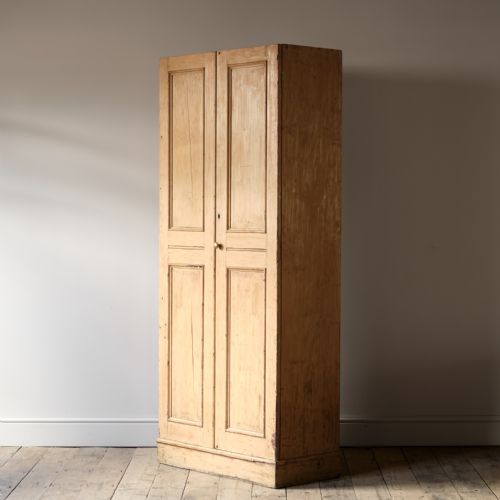
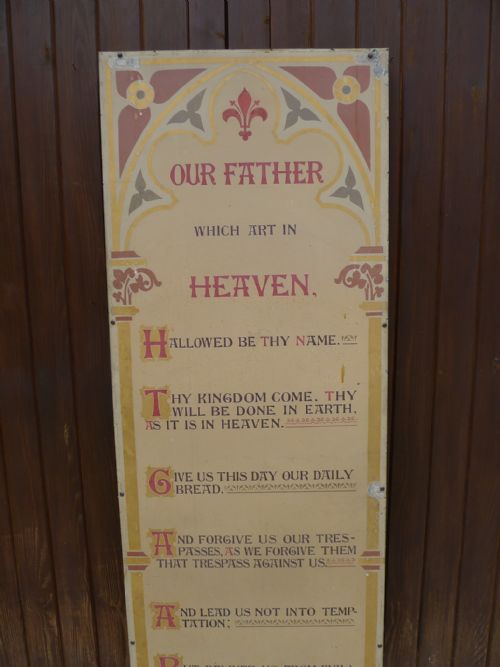
Works captured under the term 19th century church painting range from topographical watercolours of village parishes to moody oil landscapes featuring distant spires and architectural interiors. Buyers frequently find depictions of English townscapes, French cathedrals, and Russian Orthodox icons created during the Victorian era. Alongside traditional canvases and watercolours, related liturgical items such as illuminated religious texts and painted chapel cupboards appear within these selections.
The objects span from the Regency period through to the close of the nineteenth century, reflecting diverse regional schools and naive folk traditions. Artists frequently recorded specific locations, identifying structures like York minsters or rural country churches within the compositions. These pieces provide a direct window into nineteenth-century ecclesiastical life and landscape traditions.
Materials and methods
Makers utilised oil paint on canvas or panel, watercolour pigment on paper, and occasionally gouache or ink to construct these religious and architectural scenes. Canvases were stretched over wooden frames, whilst watercolours utilised paper supports, sometimes accompanied by pencil sketches or heightened with bodycolour. Gilding with gold leaf frequently enhanced devotional icons and framing elements.
Pigments were applied using traditional brushwork techniques, moving from academic realism to naive folk art styles depending on the creator's training. Structural pieces such as cupboards and settle benches employed solid wood painted with durable pigments to withstand ecclesiastical or domestic use.
19th Century Church Painting Retail Price Guide 2026
Typical asking prices for 19th century church painting among the pieces listed under this phrase on Sellingantiques today, from the lower quarter to the upper quarter. They describe what is for sale here now, not the wider market.
Listings feature works spanning the Regency period through to 1900, executed in oil, watercolour, and paint on canvas or paper.
Distinctions in quality
Superior examples demonstrate confident handling of perspective and light, particularly in the rendering of stone architecture, stained glass, and atmospheric skies. Works by documented painters or identified regional schools exhibit stronger compositional balance and finer brush control than anonymous naive pieces.
The integrity of the original surface, stability of the canvas or paper support, and presence of period framing dictate the desirability of individual artworks. Retaining legible signatures, dated inscriptions, or detailed provenance elevates historical utility.
John Edward Bale·Walter Meegan·David Bates·Daniel Sherrin·Thomas Henry Hunn
The 19th Century Church Painting Glossary
- Icon
- A devotional panel painting, typically executed in the Russian Orthodox tradition using tempera and gold leaf on wood. These pieces depict sacred personages and narratives.
- Triptych
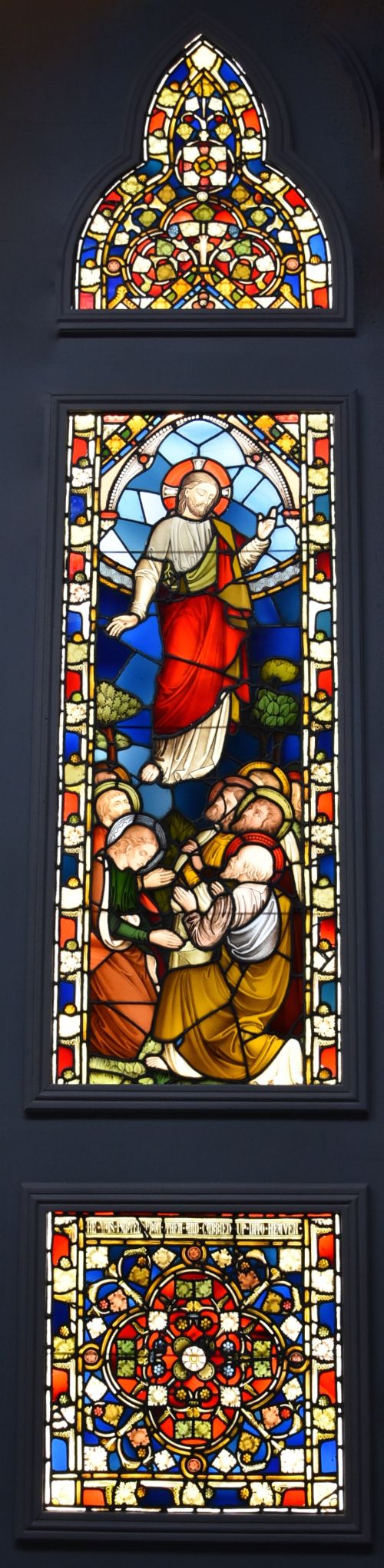
- A picture or carving divided into three panels, often hinged together to form an altarpiece. Stained glass examples also utilise this multi-panel format.
- Gouache
- An opaque watercolour paint consisting of pigment mixed with a water-bound binding agent and inert white material. It provides dense, matte colour blocks.
- Pricket
- A type of candlestick featuring a central spike upon which a candle is impelled. These were standard altar fittings in ecclesiastical settings.
- Canvas
- A heavy woven fabric used as a surface for oil painting, typically stretched taut over a wooden wooden frame. It remains the primary support for nineteenth-century oils.
19th Century Church Painting: Frequently Asked Questions
What subjects appear in these paintings?
Artists depicted specific ecclesiastical buildings, rural churchyards, cathedral interiors, and surrounding villages across Britain and continental Europe. Landscapes often integrated local towers and spires as focal points within pastoral settings.
Religious iconography and illuminated script panels also occur, reflecting nineteenth-century devotion and church decoration.
How do I date a church painting?
Dating relies upon artist signatures, exhibition labels, canvas stamps, and stylistic markers recorded in the medium. Costumes of figures present in the landscape or architectural details provide further chronological clues.
Inscribed titles on the reverse of the canvas or frame frequently confirm the exact year and location depicted.
Were these works created for churches?
Some pieces, such as illuminated texts and icons, served direct devotional functions within religious buildings or chapels. Many landscape watercolours and oils were produced by artists recording picturesque views for private patrons and public exhibition.
Domestic interiors also accommodated smaller devotional works and architectural studies.
How should I display watercolour paintings?
Watercolours on paper require protection from direct sunlight to prevent the fading of delicate pigments. Framing behind conservation-grade glass safeguards the paper support from moisture and environmental pollutants.
Displaying pieces away from direct heat sources ensures the longevity of both the artwork and its historical mount.