



Framed Village Landscape Oil
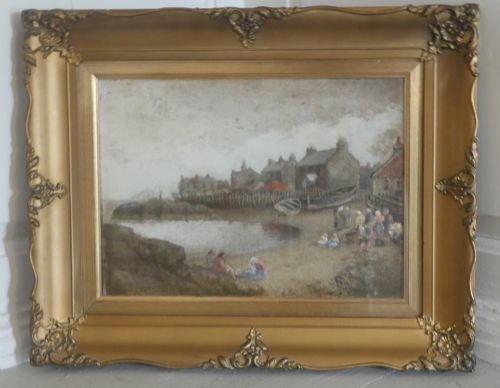
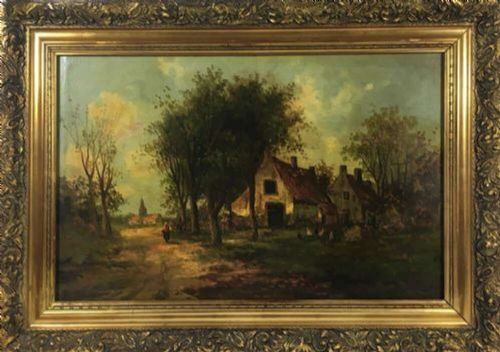
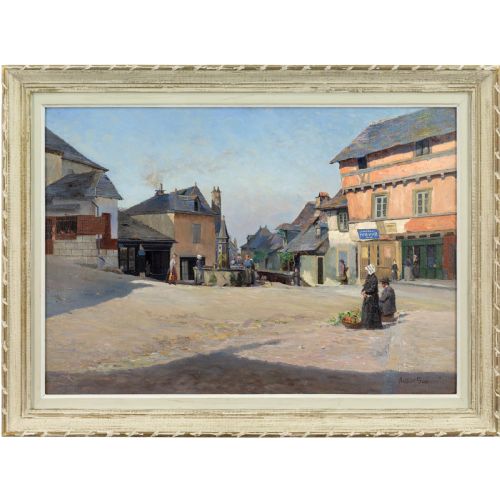
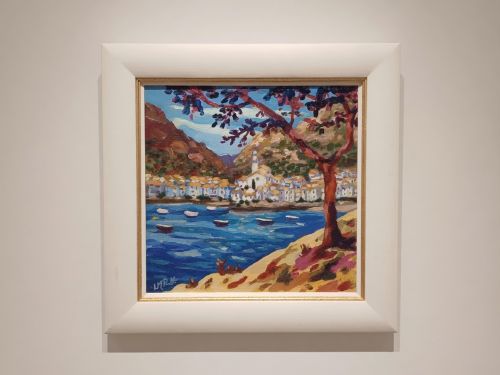
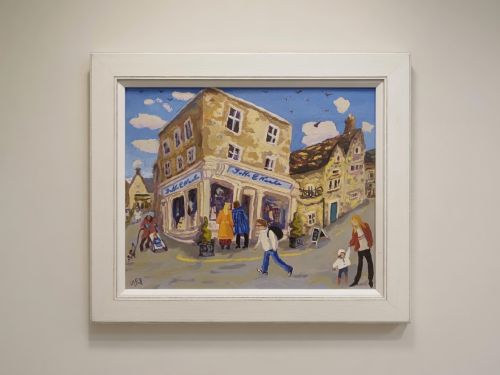
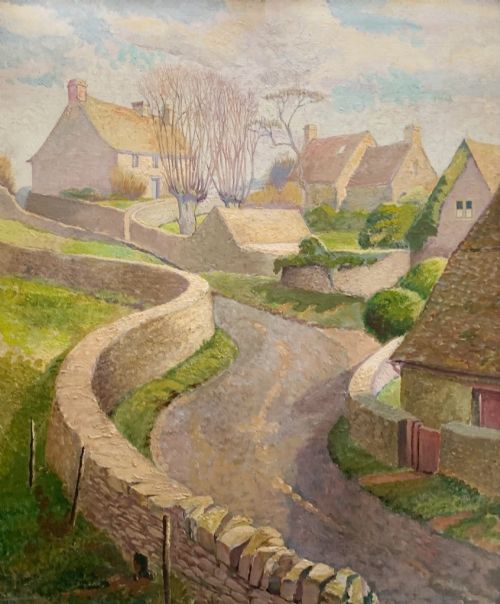
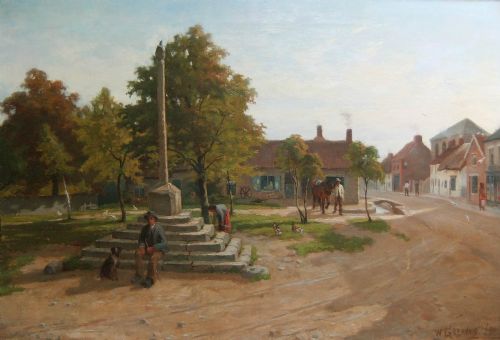
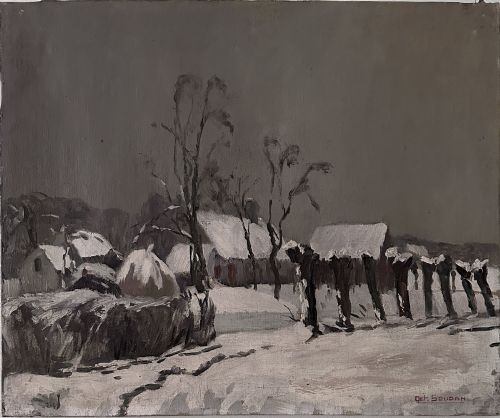
These framed village landscape oil pieces capture rural community life through painted canvas and wooden frames.
Framed Village Landscape Oil
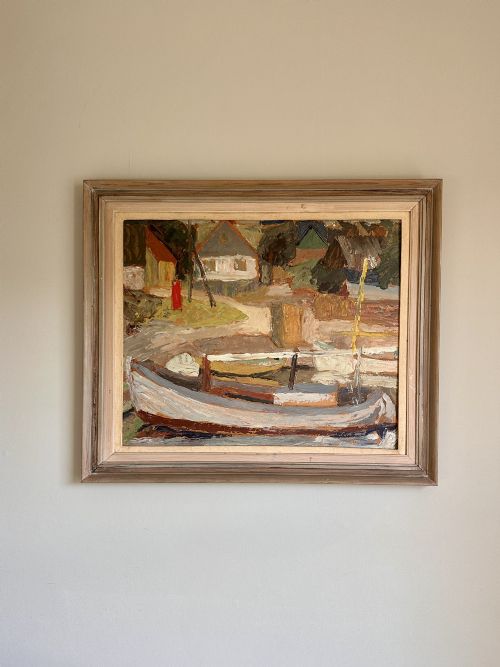
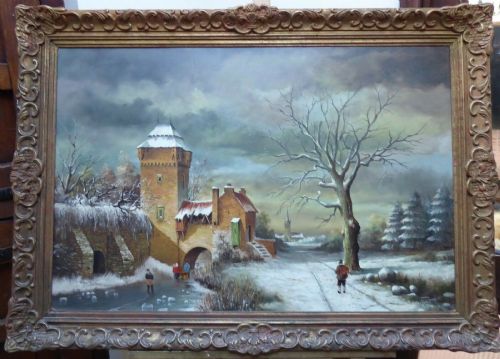
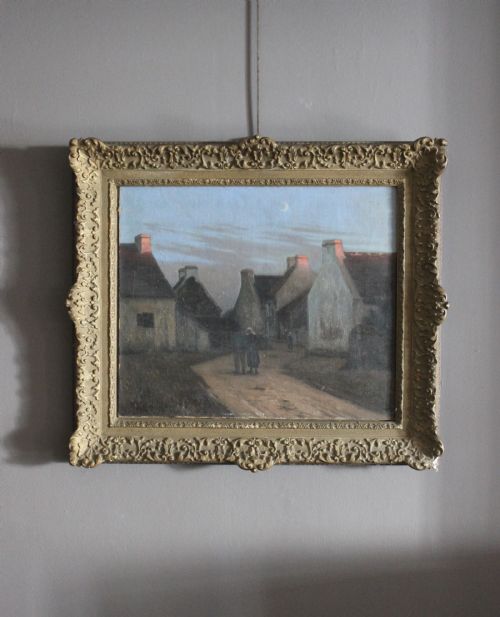
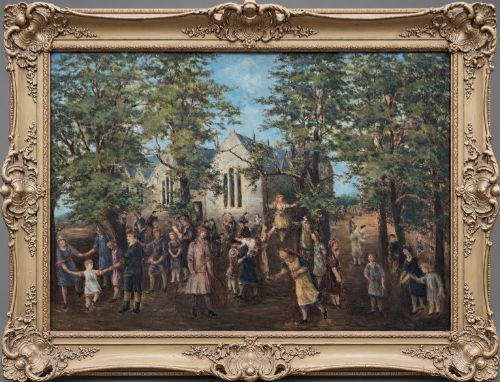
A framed village landscape oil depicts rural settlements, country lanes, and agricultural communities rendered in pigment on canvas or panel. When you search for a framed village landscape oil, you encounter works spanning from the nineteenth century through the mid-twentieth century, capturing local character across Britain and continental Europe.
The assortment includes works aligned with movements such as Impressionism, Post-Impressionism, and Victorian realism, alongside regional schools like Newlyn and St Ives. These paintings preserve historical rural environments through varied brushwork, ranging from detailed topographical records to expressive modernist interpretations.
How they were made
Artists painted primarily with oil paint upon stretched canvas or wooden panels, applying pigment with brushes or palette knives to build texture and depth. Canvas supports were typically mounted on wooden stretchers and secured within frames constructed from wood, often finished with gesso and gold leaf or gilt.
Frames served both a protective and aesthetic function, with period mouldings complementing the specific artistic style of the canvas they enclosed. The combination of oil paint's slow-drying properties and stable wooden supports allowed artists to achieve rich tonal gradations and lasting surface durability.
Framed Village Landscape Oil Retail Price Guide 2026
Typical asking prices for framed village landscape oil among the pieces listed under this phrase on Sellingantiques today, from the lower quarter to the upper quarter. They describe what is for sale here now, not the wider market.
Several canvases secretly preserve stray studio cat hairs embedded permanently within the drying nineteenth-century oil paint.
What varies in quality
Quality resides in the confidence of the brushwork, the handling of light and perspective, and the compositional balance within the village scene. Superior examples demonstrate a distinct command of tone and atmosphere that brings the rural setting to life without relying on formulaic details.
The integrity of the original materials, including the preservation of the canvas surface and the compatibility of the accompanying frame, influences the standing of a piece. Works by recognised regional schools or documented artists display a firmer execution that elevates them above anonymous commercial productions.
Edward Mills·Arthur Gué·Lucy Pratt·William Greaves·John Holland·Mario Pinetti·Mercedes Legrand·M. C. Hider·Charles Vickers·George Gregory·V. Zirakian·Denys Garle·B W Leader·A. Michaelis
The Framed Village Landscape Oil Glossary
- Oil on Canvas
- A painting technique where oil paint is applied to a woven fabric support stretched over a wooden frame. This medium allows for rich blending of colours and varied surface textures.
- Gesso
- A plaster-like mixture applied to wooden frame mouldings as a base for gilding or painting. It provides a smooth surface that can be carved or moulded before applying gold leaf.
- Impressionism
- An art movement focused on capturing light and momentary effects rather than precise detail. Paintings in this style often feature visible brush strokes and vibrant colour pairings.
- Barbizon School
- A French art movement of the mid-nineteenth century dedicated to naturalistic landscape painting. Artists associated with this group worked directly from nature, emphasising rural moods.
- Panel
- A rigid wooden support used by artists instead of canvas. These surfaces offer a solid base that resists flexing and preserves fine brushwork over centuries.
Framed Village Landscape Oil: Frequently Asked Questions
How do I date a village oil painting?
Dating relies on stylistic clues, clothing styles of figures within the scene, and framing materials. Canvas stamps and stretcher construction also provide markers for the period of creation.
Written signatures, exhibition labels on the reverse, and artist records help narrow the date further. Comparing brushwork techniques to known movements places the work within a specific decade or artistic era.
Where should I hang a framed oil painting?
Select an interior wall away from direct sunlight and sudden temperature shifts to protect the oil paint and canvas. Stable humidity prevents warping of the wooden stretcher and frame.
Position the work at eye level where adequate ambient light reveals the textures and brushwork. Avoid placing pieces directly above working fireplaces where heat and soot accumulate.
Are these paintings original works?
The selection consists of original hand-painted works created directly by artists rather than mass-produced prints or reproductions. Each piece carries unique brush strokes and physical evidence of the artist's process.
Signatures, inscriptions on the reverse, and variations in paint thickness confirm the hand-painted nature of these canvases. They represent singular artistic interpretations of rural landscapes.