
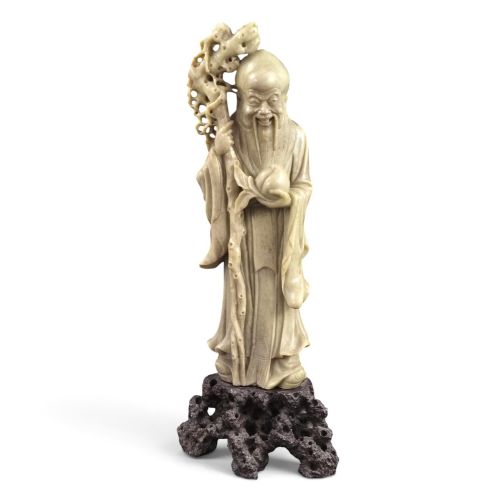
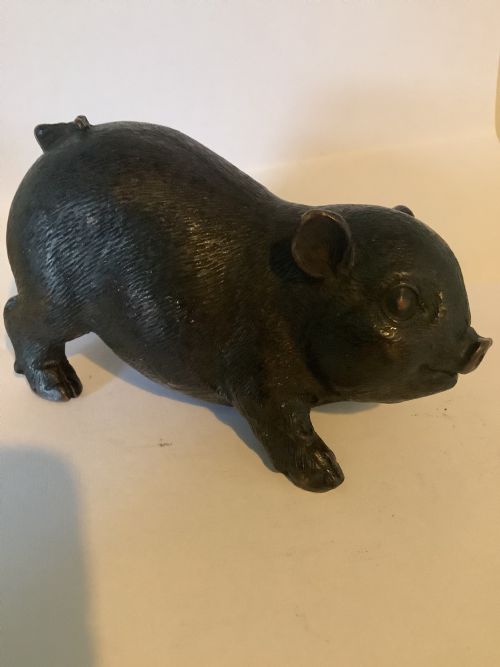
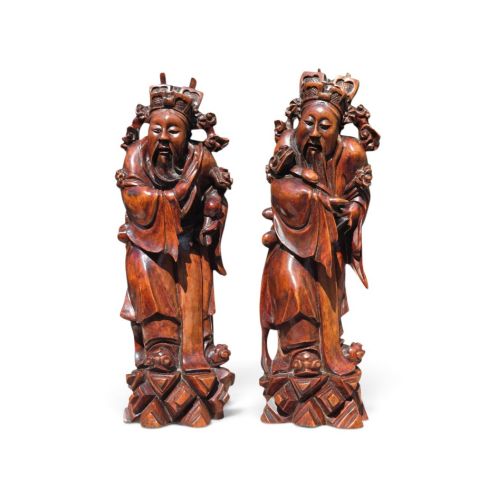
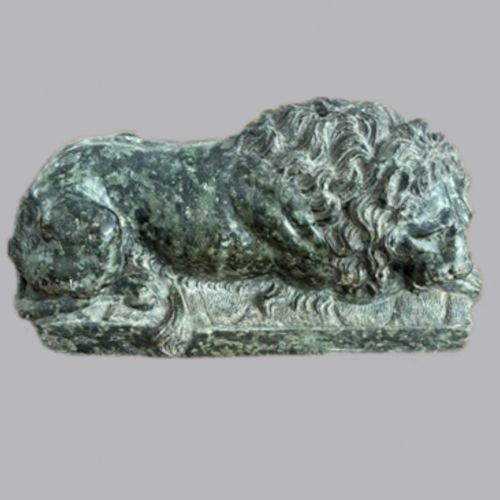
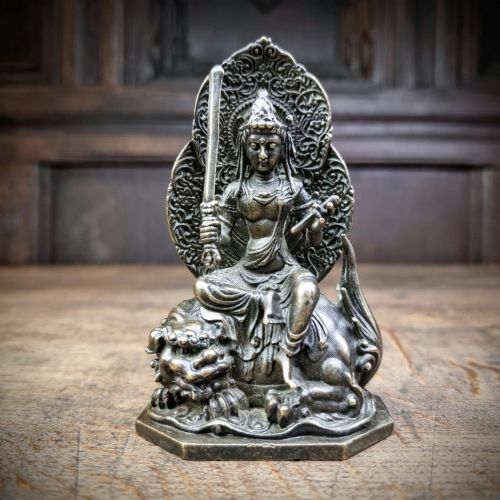
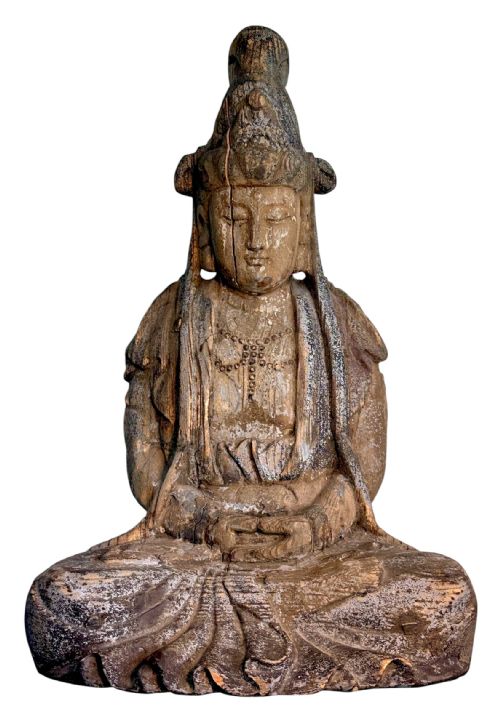


19th Century Chinese Statue
These figures bridge centuries of craft, offering tangible links to the sculptural traditions behind every 19th century chinese statue.
19th Century Chinese Statue
When searching for a 19th century chinese statue, buyers encounter a diverse selection of sculptural forms originating from the Qing dynasty and later periods. The inventory spans deity figures, mythical creatures, animals, and human subjects fashioned for ritual, decorative, or temple settings.
Wooden carvings in root wood, burr wood, and dense hardwoods appear frequently, alongside cast bronze figures and glazed ceramics from kilns such as Shiwan. Stone and soapstone examples also represent a significant portion of the available pieces, offering different textures and weights.
The objects range from small scholar desk items to monumental temple guardians standing over human height. Pairs of animals, including lions, elephants, and goats, occur regularly alongside single depictions of figures like Guanyin and Shoulao.
How They Were Made
Carving defines the wooden and stone pieces, utilising the natural contours of root wood, bamboo, soapstone, and hardwoods such as hualien green marble and various dense timbers. Artisans shaped these materials using hand chisels and knives, often retaining organic knots and grains in root wood sculptures.
Metal statues rely on lost-wax or sectional bronze casting techniques, producing durable figures of animals and deities with smooth or detailed surfaces. Ceramics and stoneware pieces involve throwing or moulding clay followed by glazing, encompassing polychrome painted wood surfaces and specialised turquoise or yellow glazes.
Listings span the entire nineteenth century, including specific dates from 1800 through the late Qing Dynasty around 1900.
What Varies in Quality
The refinement of the carving dictates the distinction between standard works and master creations, visible in the articulation of facial expressions, drapery folds, and animal musculature. Natural root wood sculptures depend heavily on how skilfully the artisan exploited the original growth form of the timber.
Material selection and surface finish influence the overall calibre of a piece, from the depth of relief in wooden panels to the evenness of glazes on Shiwan pottery and porcelain. Bronze and iron castings show variation in the crispness of surface chasing and the preservation of original polychrome or gilt layers.
The 19th Century Chinese Statue Glossary
- Shoulao
- The Daoist god of longevity, typically depicted as an old man with an elongated forehead holding a peach and a staff.
- Guanyin
- The bodhisattva of compassion, frequently represented in wood, bronze, soapstone, and porcelain across the period.
- Shiwan pottery
- A ceramic tradition known for heavy stoneware bodies and expressive, richly coloured glazes originating from kilns near Guangzhou.
- Foo Dogs
- Mythical guardian lions placed outside temples and palaces to ward off evil spirits, often carved in pairs from stone or wood.
- Root wood
- A material valued for its gnarled, organic shapes, which Chinese carvers shaped into figures, animals, and scholar objects.
19th Century Chinese Statue: Frequently Asked Questions
What materials were used for these statues?
Makers utilised a wide range of materials including dense hardwoods, root wood, soapstone, bronze, iron, stone, and glazed stoneware.
Each medium required distinct manufacturing techniques, from lost-wax metal casting to direct hand-carving in timber.
How do I identify a temple guardian?
Temple guardians, such as Zhenwu or figures often termed Foo Dogs, usually present a larger scale and imposing posture designed for protective placement.
They appear in pairs or as monumental single works carved from wood, stone, or modelled in terracotta.
Were these figures painted?
Many wooden and ceramic sculptures featured polychrome paint, gilt layers, or specific coloured glazes like turquoise and yellow.
Over time, these surface treatments show varying degrees of wear that reveal the underlying wood or ceramic body.
What subjects are most common?
The inventory frequently includes Daoist and Buddhist deities such as Guanyin, Shoulao, and Buddhas, alongside mythical beasts and animals.
Human figures representing fishermen, scholars, and men with animals also appear alongside pairs of auspicious creatures.