

19th Century China Cabinet
A 19th century china cabinet brings refined timber and glazed display space to a room, offering a disciplined home for ceramics and glass.
19th Century China Cabinet
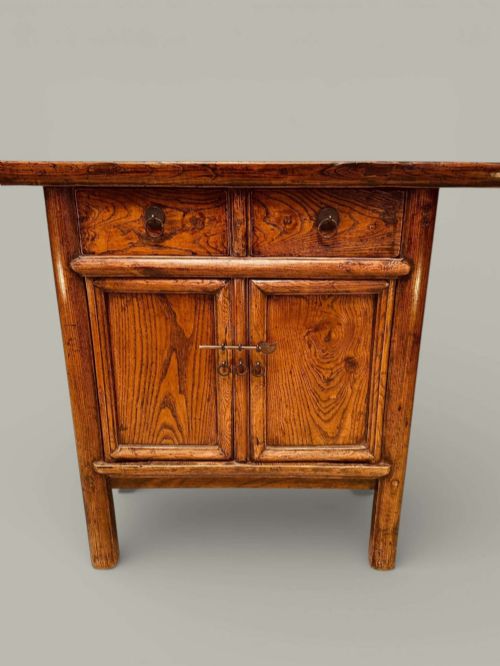
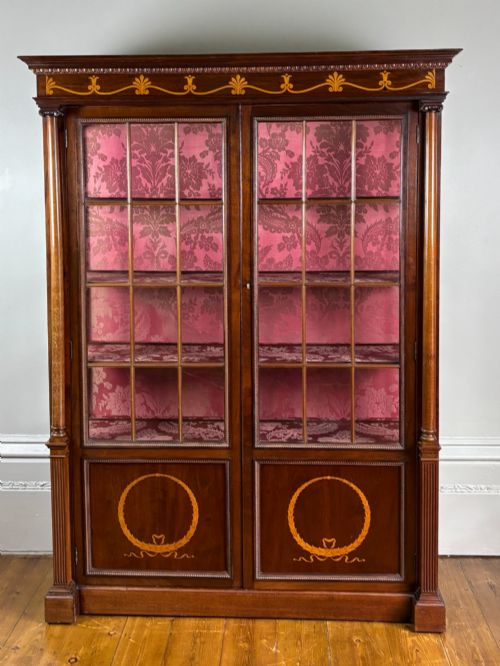
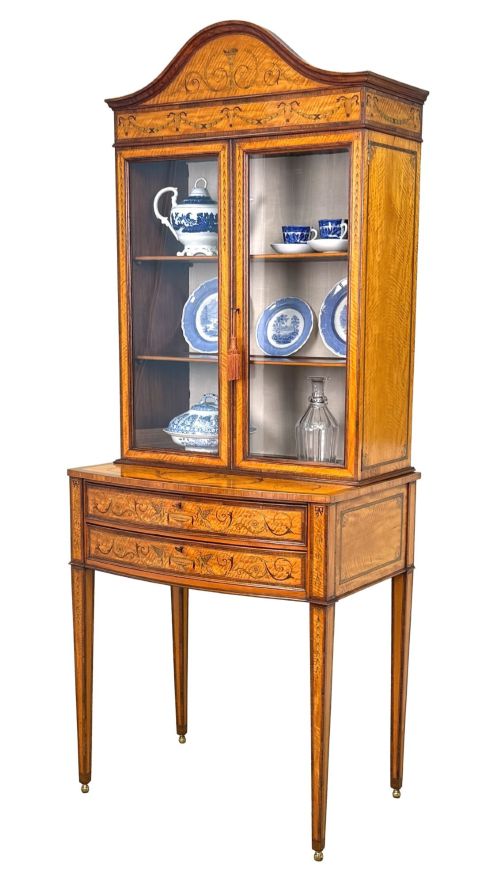
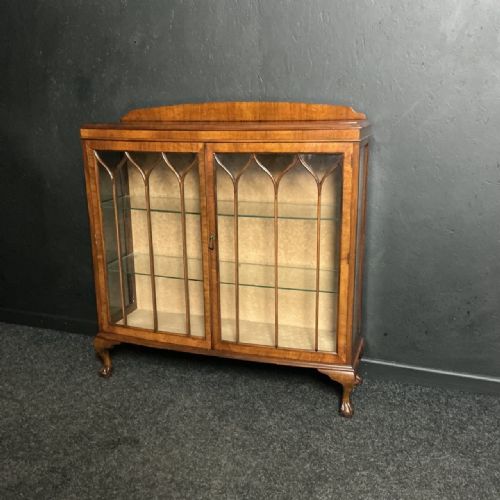
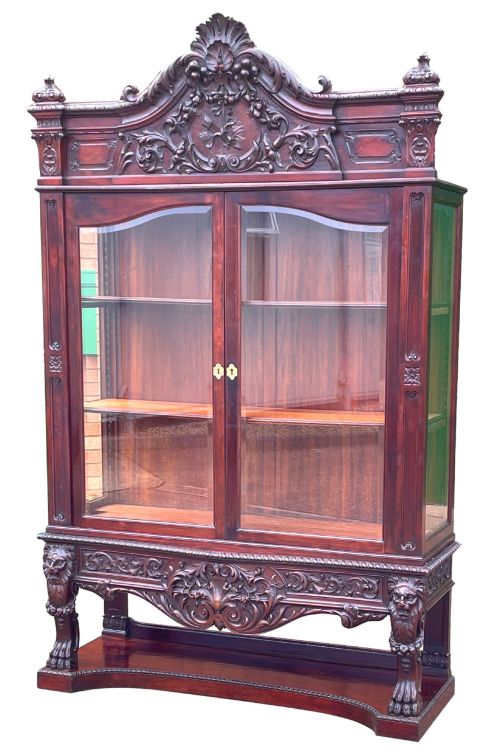
A 19th century china cabinet encompasses upright display cabinets, glazed bookcases, and pier cabinets designed to protect and exhibit valued ceramics. These pieces emerge from the Georgian, Regency, and Victorian periods, often taking the form of tall glazed door enclosures or lower furniture with fitted shelving.
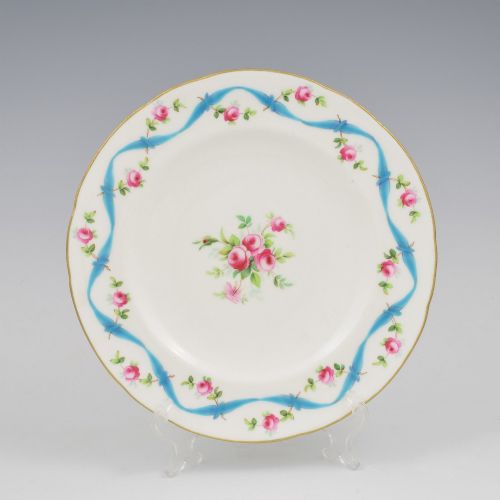
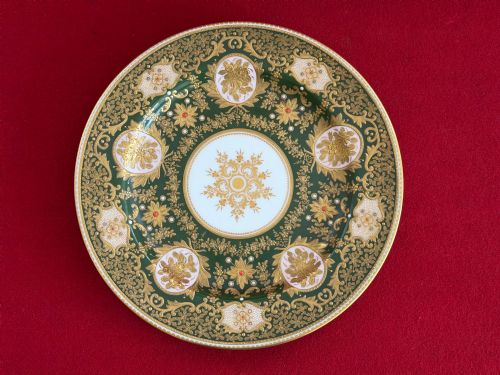
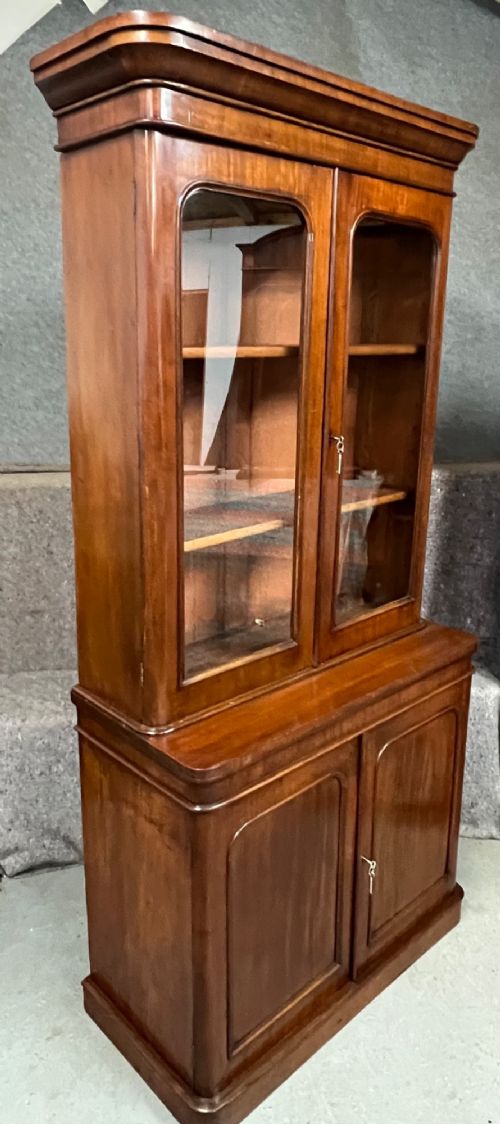
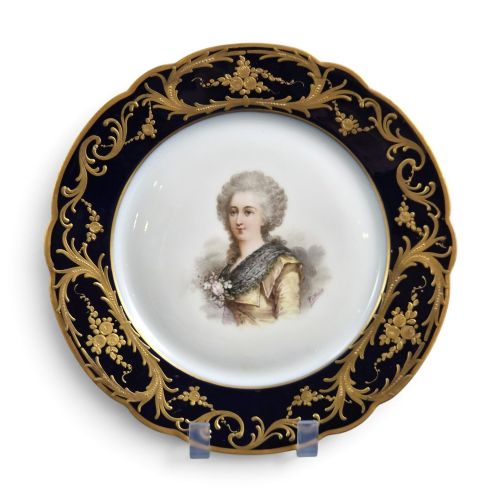
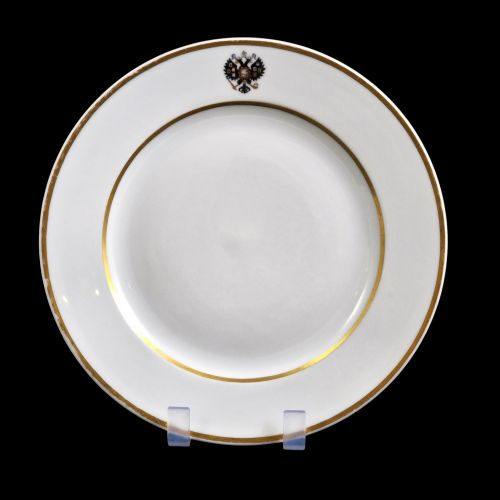
The versions most commonly met on this page are mahogany and walnut display pieces built during the Victorian era. Alongside these timber cabinets, the listings contain numerous porcelain cabinet plates, cups, and saucers that would historically sit inside such furniture.
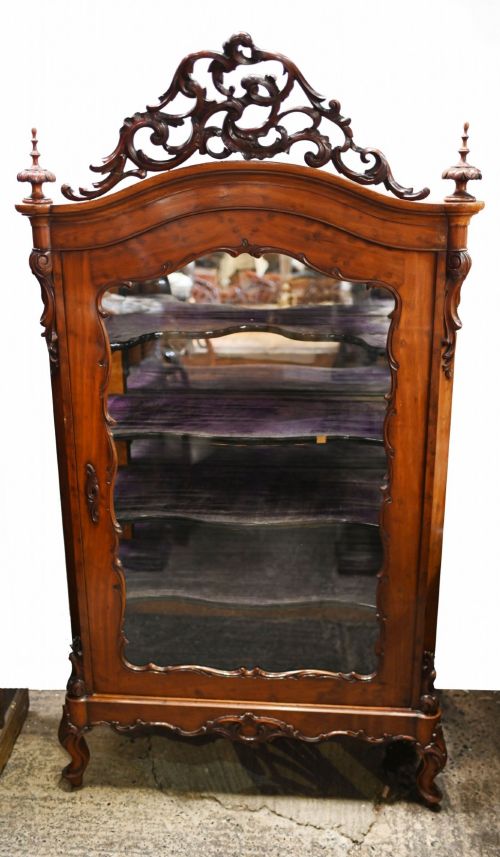
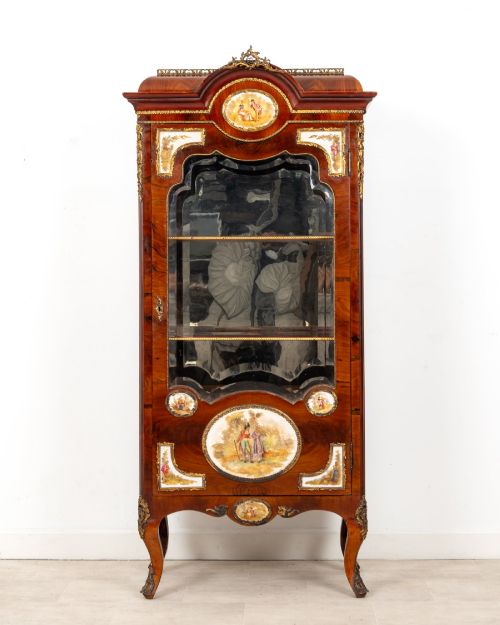
Makers and workshops of the period utilised stylistic revivals, drawing upon French Rococo, Sheraton, and Dutch marquetry traditions. Buyers encounter everything from slim freestanding mahogany vitrines to large French kingwood cabinets mounted with ormolu.
How They Were Made
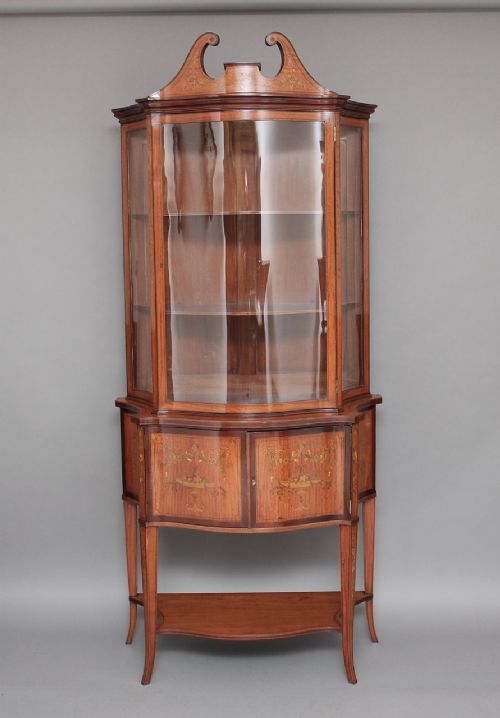
Cabinet makers constructed these pieces using dense hardwoods such as mahogany, walnut, satinwood, and kingwood, frequently applying elaborate floral marquetry or contrasting string inlay. Glazing required precise timber framing to hold large panes of glass safely within door structures.
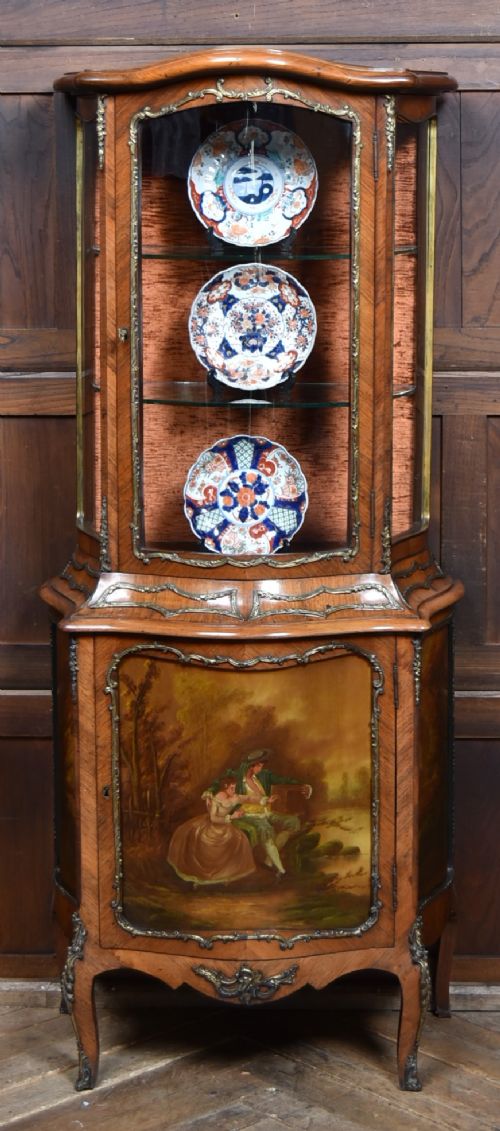
French and English workshops integrated cast ormolu mounts, brass hardware, and gold leaf detailing to accentuate the timber surfaces. Vitrines often incorporated inset porcelain plaques or painted panels executed in the Vernis Martin tradition.
Porcelain contents from the same era, including works by Spode, Coalport, and Berlin, relied on hard and soft paste ceramic bodies decorated with hand-painted topographical scenes, gilt sun motifs, and armorial crests.
19th Century China Cabinet Retail Price Guide 2026
Typical asking prices for 19th century china cabinet among the pieces listed under this phrase on Sellingantiques today, from the lower quarter to the upper quarter. They describe what is for sale here now, not the wider market.
One cabinet proudly displays a plate dedicated to Peacock Island, ensuring your porcelain collection comes with its own royal waterfowl.
What Varies in Quality
Quality rests upon the selection of timber veneers and the precision of the cabinet maker's joinery. Superior examples display carefully matched grain patterns, tight marquetry inlay, and substantial internal shelving rather than simple secondary woods.
The refinement of the decorative mounts and glasswork separates standard production from exceptional pieces. Finely chased ormolu, hand-painted porcelain plaques, and original curved glass panes elevate a cabinet above utility standard.
Proportion and architectural balance dictate the visual success of a cabinet. The relationship between the glazed upper section and the lower base, or the delicacy of the glazing bars, defines the standard of design.
Edwards & Roberts·Imperial Porcelain Factory·KPM Berlin
The 19th Century China Cabinet Glossary
- Vitrine
- A glass-fronted display cabinet intended for the exhibition of small valuable objects and porcelain. These pieces usually feature glazed sides to maximise light penetration.
- Ormolu
- Gilded bronze mounts cast and chased for decorative application on furniture. The technique was widely employed in French 19th century cabinet making.
- Marquetry
- Inlaid patterns formed by fitting together contrasting pieces of wood veneer. Dutch examples on this page frequently display elaborate floral arrangements.
- Vernis Martin
- A simulated Japanese lacquer finish developed in France, known for its translucent luminous quality. It appears on elite cabinets alongside gilt decorations.
- Pier Cabinet
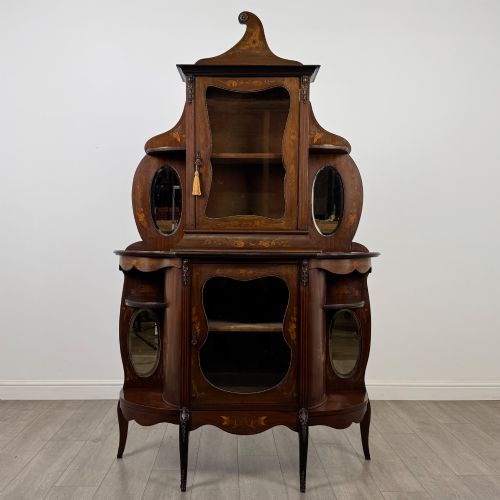
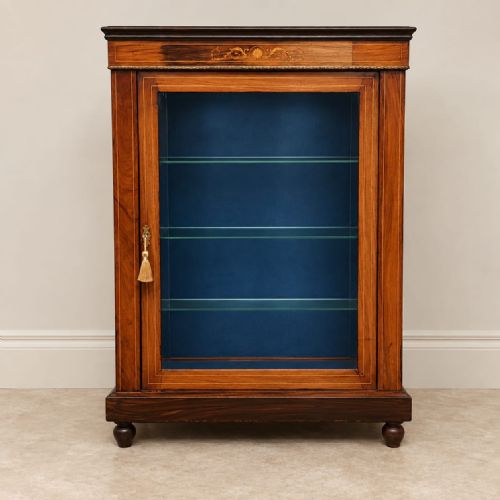
- A narrow low cabinet designed to stand against the wall space between windows. These Victorian items often incorporate a glazed door and velvet-lined interior.
19th Century China Cabinet: Frequently Asked Questions
What fits inside a 19th century china cabinet?
These cabinets house fine ceramics, cabinet plates, cups, and decorative glassware collected during the period. The adjustable shelving allows for the arrangement of varied heights.
Matching porcelain trios and dessert plates by factories like Spode and Coalport often accompany the furniture in historical settings.
How do I identify a Victorian display cabinet?
Victorian pieces frequently utilise dark mahogany or walnut, sometimes featuring oval mirrors, carved oak motifs, or inlaid satinwood borders. The construction prioritises sturdy glazed doors to protect the interior contents.
Proportions tend to be robust, reflecting the interior design preferences of the later 19th century.
Where were French vitrines placed in a home?
French cabinets in kingwood and walnut stood in formal reception rooms and drawing rooms to display imported porcelain and curiosities. Their glazed sides allowed light to catch the gilt mounts and enamel details.
Smaller petite versions suited intimate boudoirs and private chambers.
What is the difference between a bookcase and a china cabinet?
A bookcase focuses primarily on housing bound volumes, featuring simpler wooden or glass doors with heavy internal shelving. China cabinets are designed for visibility, often incorporating glass on multiple sides.
Display cabinets frequently include velvet linings and lighter framing suited to delicate porcelain plates.